 Instalab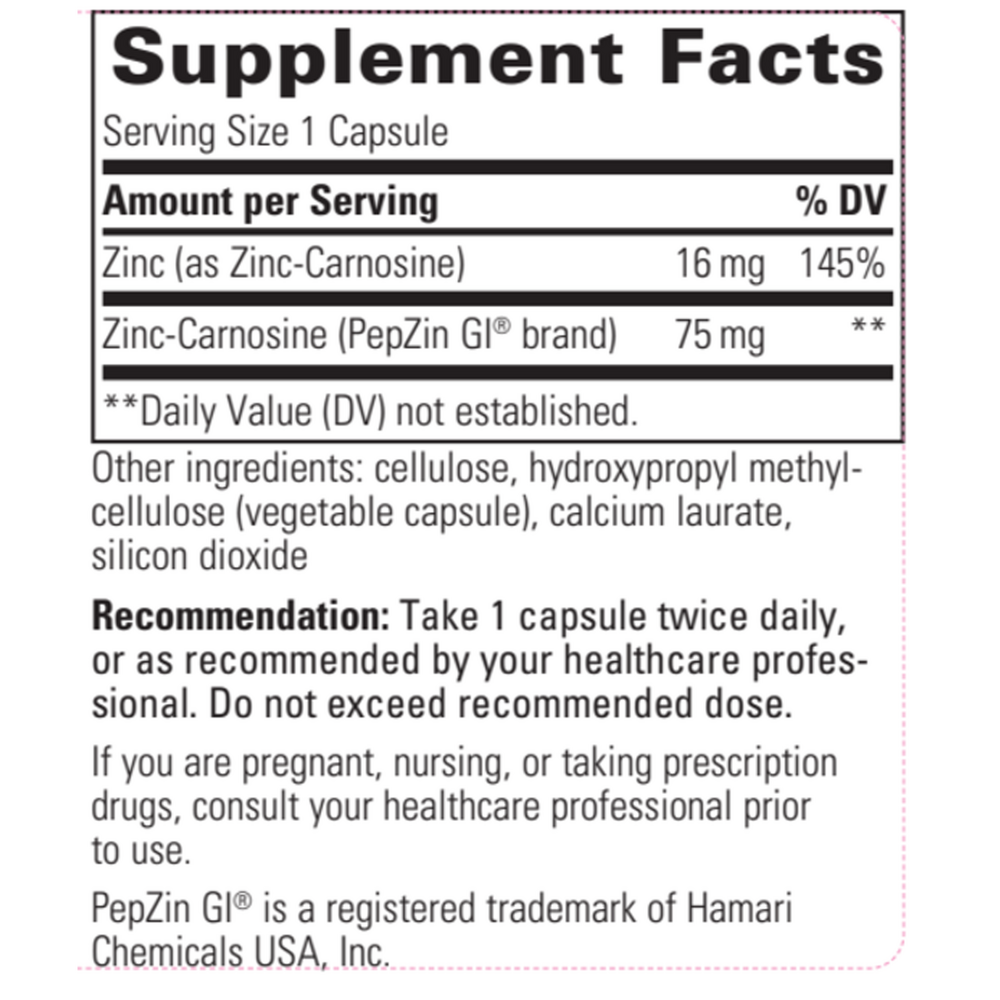

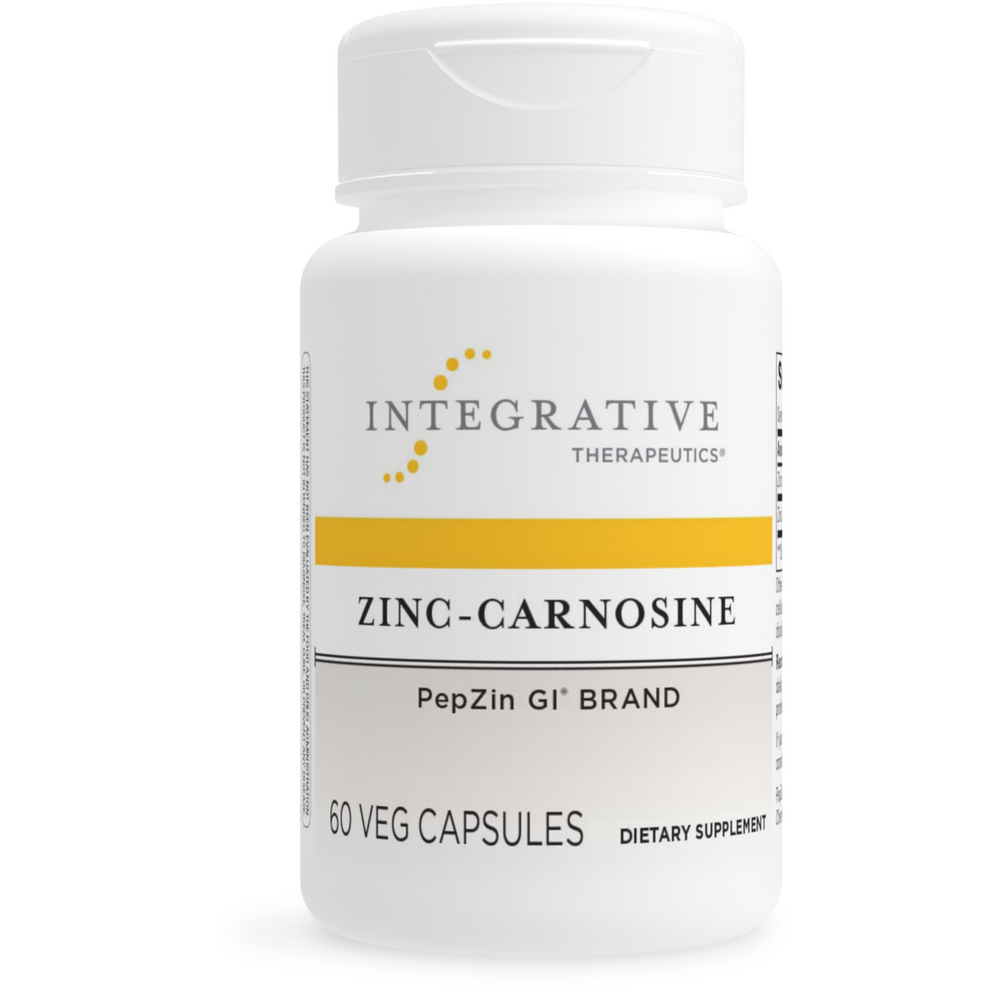
Integrative Therapeutics
Zinc-Carnosine by Integrative Therapeutics
60 capsules · 60-day supply
Support for Digestive Health and Immune Function$38.99
Purchase options
Practitioner-grade brand3rd-party testedFree shipping $50+
Vegan·Vegetarian·Gluten Free·Soy Free·Dairy Free·Milk Free·
Integrative Therapeutics Zinc-Carnosine overview
If you’re looking for zinc carnosine for gastritis or lingering stomach discomfort, this is the form that’s actually been studied. It’s a fit for people with mild gastric irritation from stress or nonsteroidal anti-inflammatory drugs, those recovering after H. pylori treatment (use alongside standard therapy, not instead), and endurance athletes with exercise‑related gut symptoms. It’s also reasonable if your Serum Zinc is in the lower range and you want targeted gut support. If you have alarm symptoms like black stools, unintentional weight loss, or persistent vomiting, get evaluated first.
PepZin GI is a bonded complex of zinc and L‑carnosine that sticks to the stomach lining, releasing zinc slowly where it’s needed. That local contact helps strengthen tight junctions (the seals between cells), stimulates protective mucus, and tempers prostaglandins (local hormones that govern lining repair). The net effect is better mucosal integrity and less irritation. Unlike plain zinc salts, the complexed form persists longer on the gastric wall, which is why trials show benefits for ulcer healing and NSAID‑related injury when used for several weeks.
Take one capsule twice daily with meals, which matches clinical use and reduces nausea. Expect symptom improvement within 2 to 4 weeks, with mucosal healing typically supported over 4 to 8 weeks; many then step down to once daily for maintenance. Separate from antibiotics like tetracyclines or fluoroquinolones by at least 2 hours since zinc binds them. Do the same with thyroid medication, iron, or calcium. If you’re also on a proton pump inhibitor, you can take both; zinc carnosine doesn’t replace acid suppression.
Skip or get guidance if you’re already taking high‑dose zinc from other supplements, have a history of copper deficiency, or have advanced kidney disease. Long‑term zinc can lower Copper, so check Copper or Ceruloplasmin if you use this beyond 8 to 12 weeks. It is not an H. pylori eradication therapy; pair it with guideline‑based treatment and confirm clearance with an H. pylori breath test or stool antigen. Pregnancy and breastfeeding: safety data are limited at this dose, so use only with clinician oversight.
Frequently asked questions
Does zinc carnosine help gastritis?
Yes, the bonded zinc carnosine complex supports stomach lining repair and reduces irritation in mild gastritis. It’s best used for several weeks and can be paired with acid‑reducing medication. Severe or persistent symptoms warrant medical evaluation first.
How long does zinc carnosine take to work?
Most people notice symptom improvement within 2–4 weeks, with more complete lining support over 4–8 weeks. If nothing changes by 4 weeks, reassess the diagnosis, medications, and H. pylori status with your clinician.
Can I take zinc carnosine with antibiotics?
Yes, but separate dosing by at least 2 hours from tetracyclines or fluoroquinolones because zinc can bind these drugs and reduce their absorption. It can be used alongside H. pylori eradication regimens for added mucosal support.
Does zinc carnosine kill H. pylori?
No. It doesn’t eradicate H. pylori on its own. Use it as an adjunct to standard antibiotic therapy, then confirm clearance with an H. pylori breath test or stool antigen after treatment.
Should I take zinc carnosine with food or on an empty stomach?
Take it with meals. Food improves tolerance and aligns with how it was dosed in studies. Taking it with food also reduces the chance of nausea sometimes seen with zinc.
What are the side effects of zinc carnosine?
It’s generally well tolerated. Occasional nausea, metallic taste, or constipation can occur, usually eased by taking it with food. Stop and contact your clinician if you experience vomiting, black stools, or worsening pain.
Will zinc carnosine deplete copper?
Extended high zinc intake can lower copper. At two capsules daily for 8–12 weeks, risk is low but not zero. If you continue beyond that or take other zinc, consider checking Copper or Ceruloplasmin and discuss copper status with your clinician.
Is zinc carnosine safe in pregnancy?
Data at this specific dose are limited. Because total zinc adds up across prenatals and diet, use only with clinician guidance during pregnancy or breastfeeding.
How to take it & ingredients
Suggested use: Take 1 capsule twice daily or as recommended by your healthcare professional.
Active ingredients
1 capsule per serving · 60 servings
Zinc
16 mg
Zinc Carnosine
PepZin GI
PepZin GI
75 mg
Other ingredients: Cellulose, Vegetable capsule (modified cellulose), Calcium laurate, Silicon dioxide
Certifications
Benefits
Warnings
Customers also considered
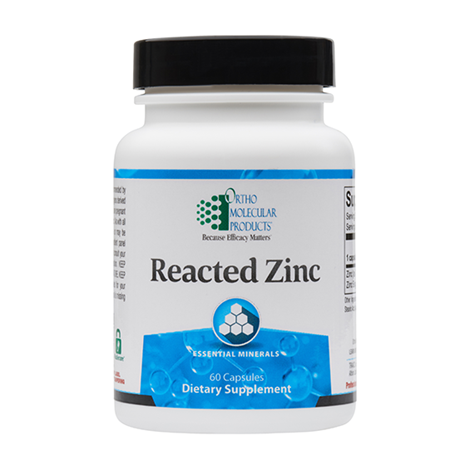
Reacted Zinc
Ortho Molecular Products
60 capsules
$32.91$29.65 with Subscribe & Save

Vitamin Code Raw Zinc
Garden of Life
60 capsules
$15.99$12.99 with Subscribe & Save
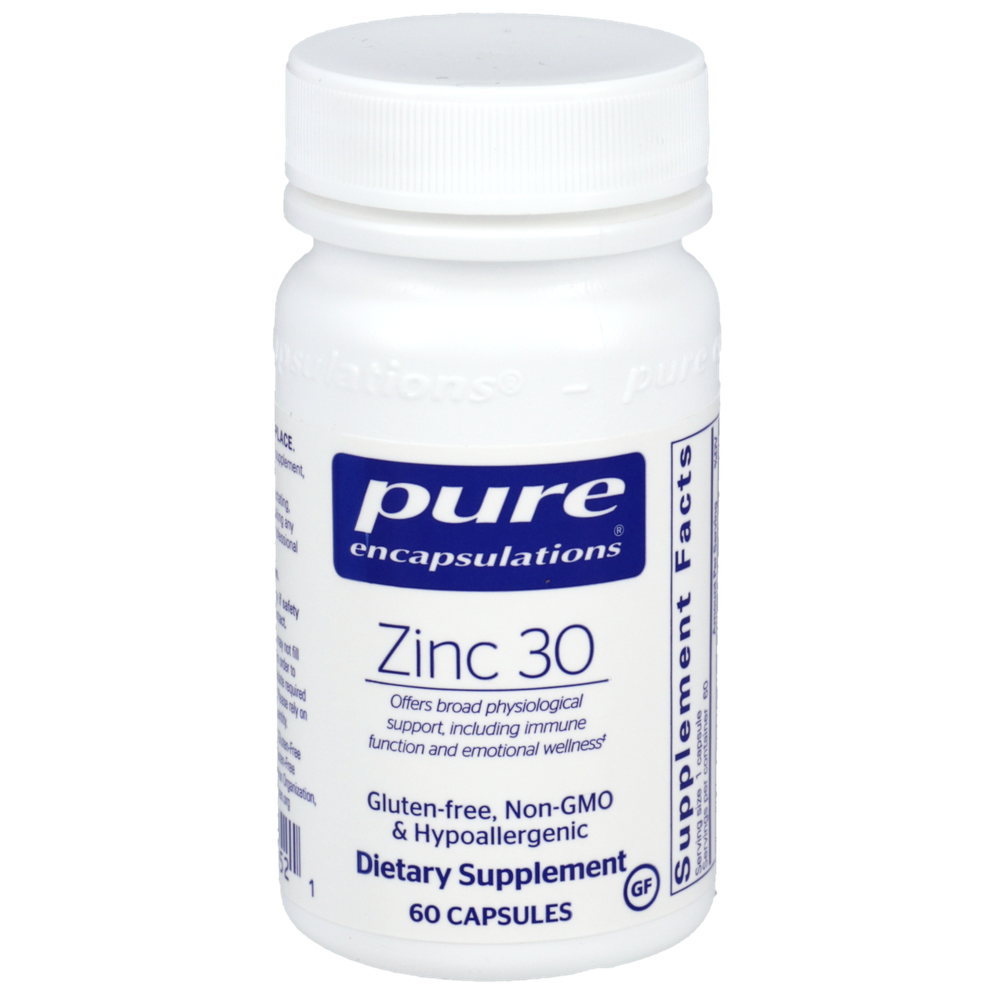
Zinc 30
Pure Encapsulations
60 capsules
$16.00$12.99 with Subscribe & Save
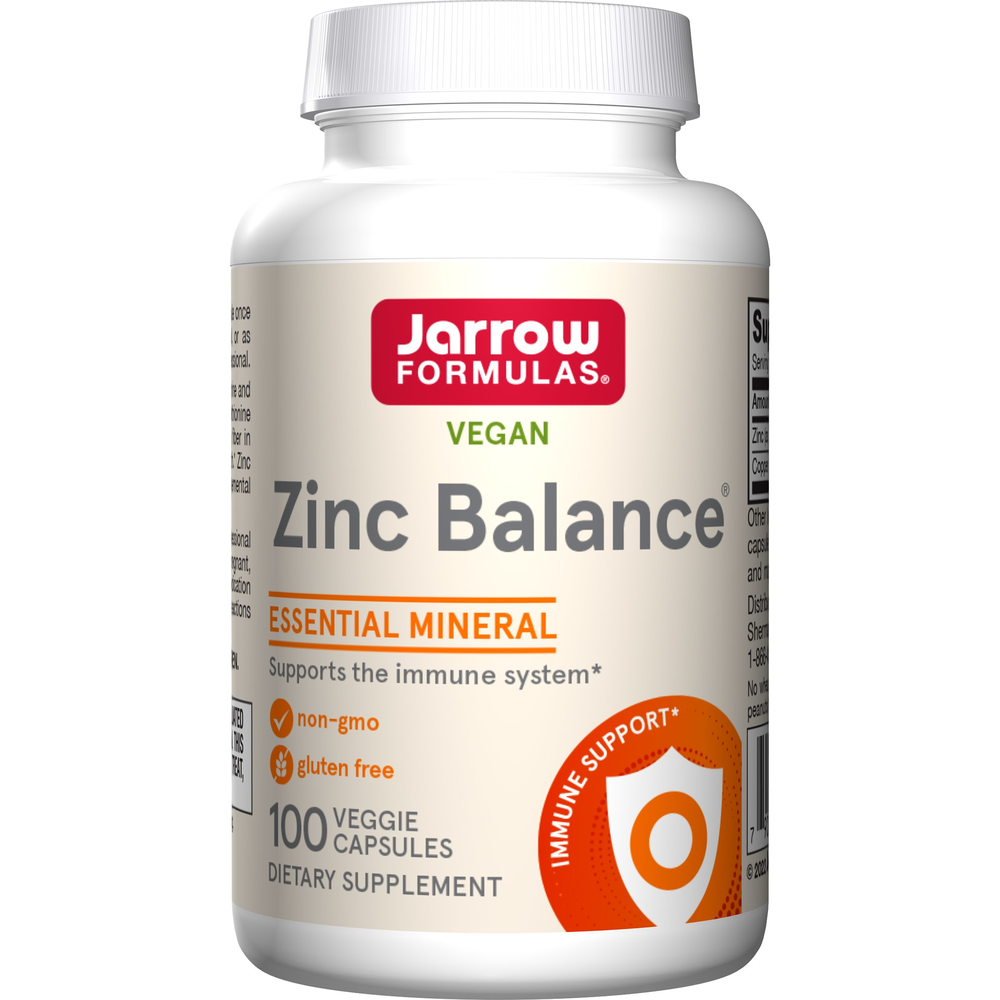
Zinc Balance
Jarrow Formulas
100 capsules
$16.99$13.99 with Subscribe & Save