 Instalab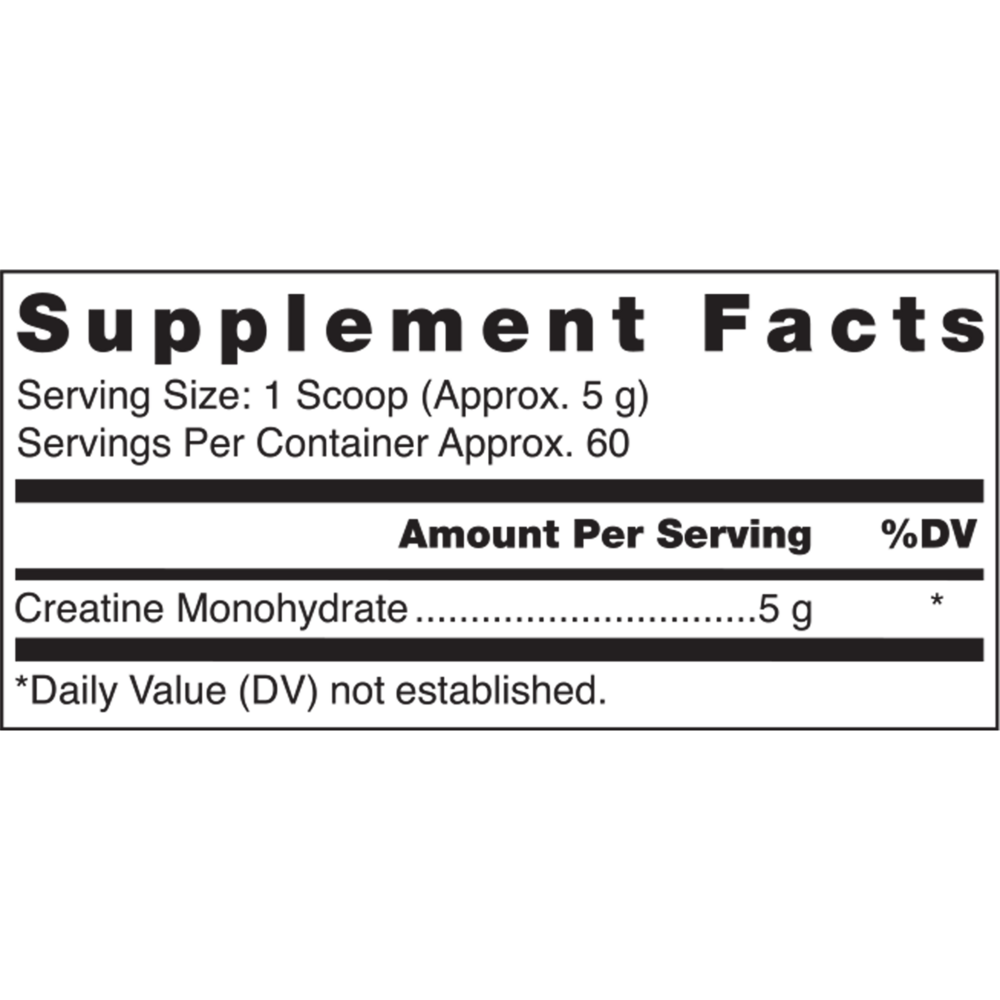


Klean Athlete
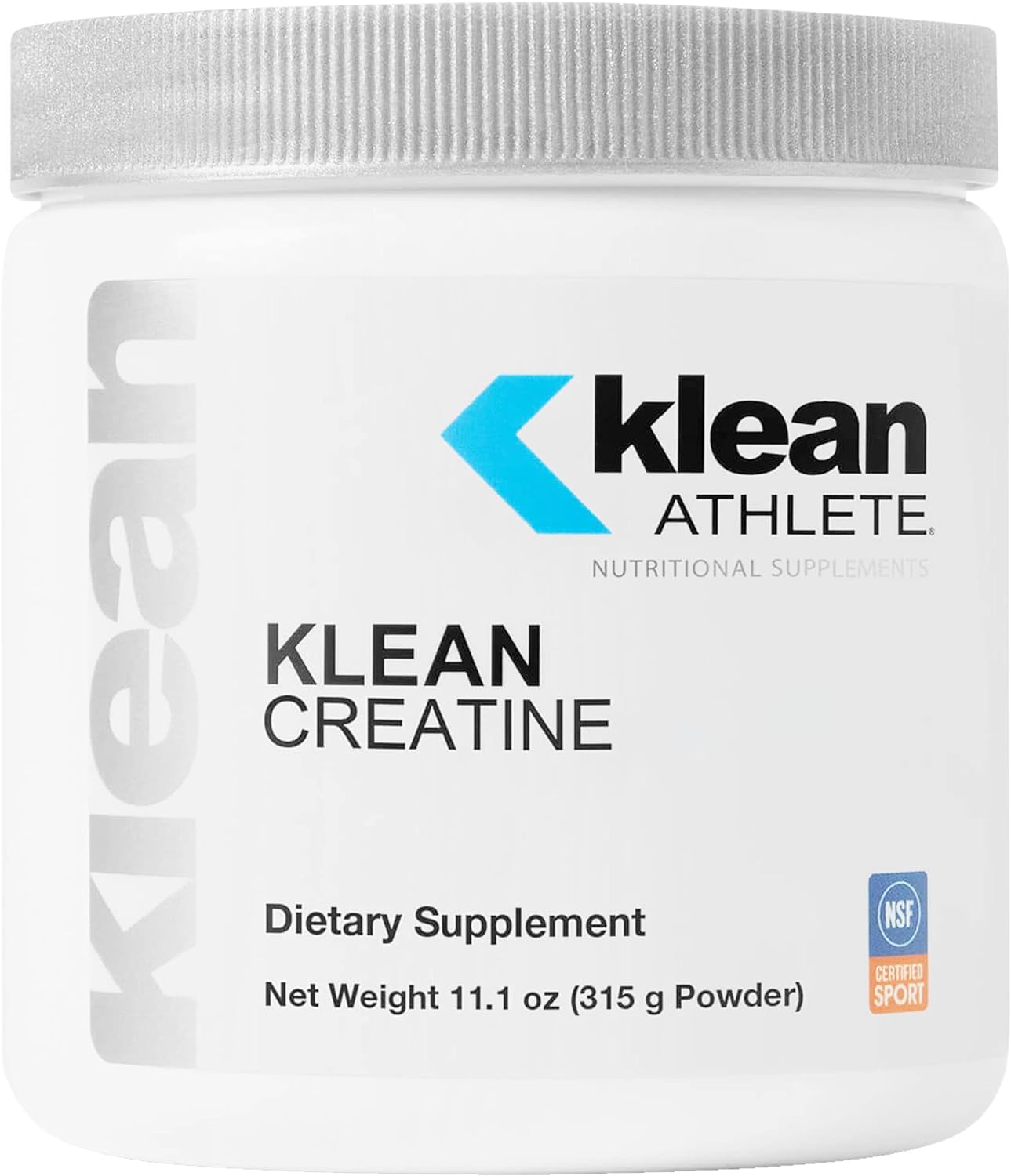
Creatine 5 g by Klean Athlete
315 grams · 63-day supply
Supports Muscle Strength, Power, and Recovery for Peak Performance$34.50
Purchase options
Practitioner-grade brand3rd-party testedFree shipping $50+
Vegan·Vegetarian·Gluten Free·Dairy Free·Egg Free·Fish Free·
Klean Athlete Creatine overview
If your training relies on short, hard efforts, creatine monohydrate is the right tool. Sprinters, lifters, team‑sport athletes, and adults returning to strength work see the clearest gains. Vegans and vegetarians, who tend to start with lower muscle creatine stores, often respond more. Expect better peak power and strength in 2–4 weeks with consistent training, and modest lean mass increases over 4–12 weeks. If you already eat a lot of red meat and fish, the effect is still real, just smaller.
Creatine is stored in muscle as phosphocreatine, which rapidly recycles ATP (the cell’s immediate energy currency) during heavy lifts and sprints. With fuller stores, each effort drops off less, so you get more quality reps and better training stimulus. Over time that translates into strength and size. Creatine also draws water into muscle, which supports protein synthesis, and it may slightly lower markers of muscle breakdown like CK (creatine kinase, an enzyme released with strain) in trained users.
This scoop provides 5 g of creatine monohydrate, the clinically standard daily dose. Take it with a carbohydrate‑containing drink or a meal; insulin from carbs helps uptake. Timing is flexible: 30 minutes before training or soon after with protein works similarly. Loading (about 20 g/day split for 5–7 days, then 3–5 g/day) fills stores faster, but daily 5 g reaches the same place in 3–4 weeks. On rest days, take it with any meal. Klean Athlete is NSF Certified for Sport.
If you have known kidney disease, skip creatine unless your nephrologist clears it. Serum creatinine (the lab used to estimate eGFR, your filtration rate) can rise a little from creatine itself without harming kidneys; cystatin C (an alternate kidney marker) helps clarify this. Stay well hydrated. High caffeine right before sprints may blunt creatine’s edge for some athletes; separate if you notice this. Diuretics and frequent high‑dose NSAIDs can increase dehydration risk during hard training.
Creatine monohydrate is the best‑studied form; boutique versions (HCl, buffered) haven’t shown better outcomes in head‑to‑heads. Weight gain is usually 1–3 pounds of water in muscle in the first weeks, which helps performance. Hair loss concerns stem from a small study showing a rise in DHT (a testosterone byproduct) without measured hair changes; real‑world hair loss data are lacking. If your hs‑CRP (an inflammation marker) is slightly high from training, creatine doesn’t reliably change it.
Frequently asked questions
How long does creatine monohydrate take to work?
With a loading phase, most people notice performance changes within 7 days. Without loading, daily 5 g typically delivers strength and power gains in 2–4 weeks as muscle stores saturate.
Do I need to load creatine or is 5 g daily enough?
You don’t need to load. Loading fills stores faster (about a week), but taking 5 g daily reaches the same saturation in roughly 3–4 weeks and is simpler for most athletes.
Is creatine bad for your kidneys?
In healthy adults, standard doses haven’t been shown to harm kidneys. It can raise serum creatinine (a breakdown product) without true damage. If you have kidney disease, get clinician guidance and consider cystatin C testing.
Should I take creatine before or after a workout?
Both work. The priority is daily consistency and pairing with carbs or a mixed meal. Many athletes take it 30 minutes pre‑workout or right after with protein and carbs.
Does creatine cause cramps or dehydration?
Controlled trials don’t show higher cramping with creatine; some report fewer heat‑related issues. It does increase water in muscle, so keep fluids and electrolytes appropriate for your training load.
Can I take creatine with caffeine?
You can, but heavy caffeine right before repeated sprints may blunt creatine’s sprint benefits for some. If performance feels off, separate caffeine by a few hours from your creatine dose.
Will creatine make me gain fat or just water weight?
Creatine doesn’t add fat. Early scale increases are mostly water inside muscle. Over weeks, it helps you train harder and may increase lean mass, not body fat, when diet is steady.
Is creatine monohydrate better than creatine HCl?
Creatine monohydrate is the form used in most trials and reliably increases muscle creatine and performance. Head‑to‑head studies haven’t shown HCl to produce better strength or size outcomes at equivalent doses.
How to take it & ingredients
Suggested use: Mix 1 scoop daily with 8 oz. of water or beverage of choice. For best results, take this product with a carbohydrate-containing beverage or food 30 minutes before exercise, or immediately following exercise with a recovery beverage such as Klean Recovery™. On rest days, take 1 serving daily with a meal or as directed by a trainer, coach, or healthcare professional.
Active ingredients
1 scoop (5g) per serving · 63 servings
Creatine Monohydrate
5 g
Certifications
Benefits
Warnings