 Instalab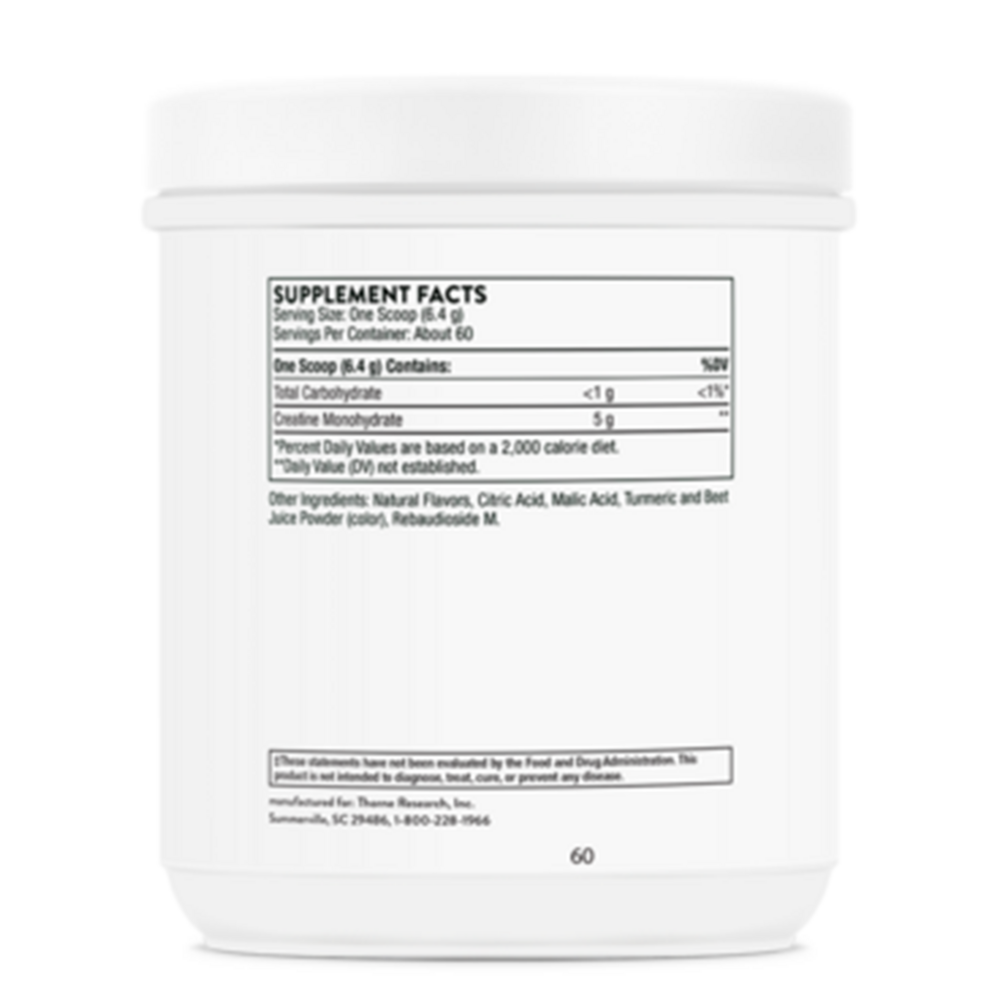


Thorne
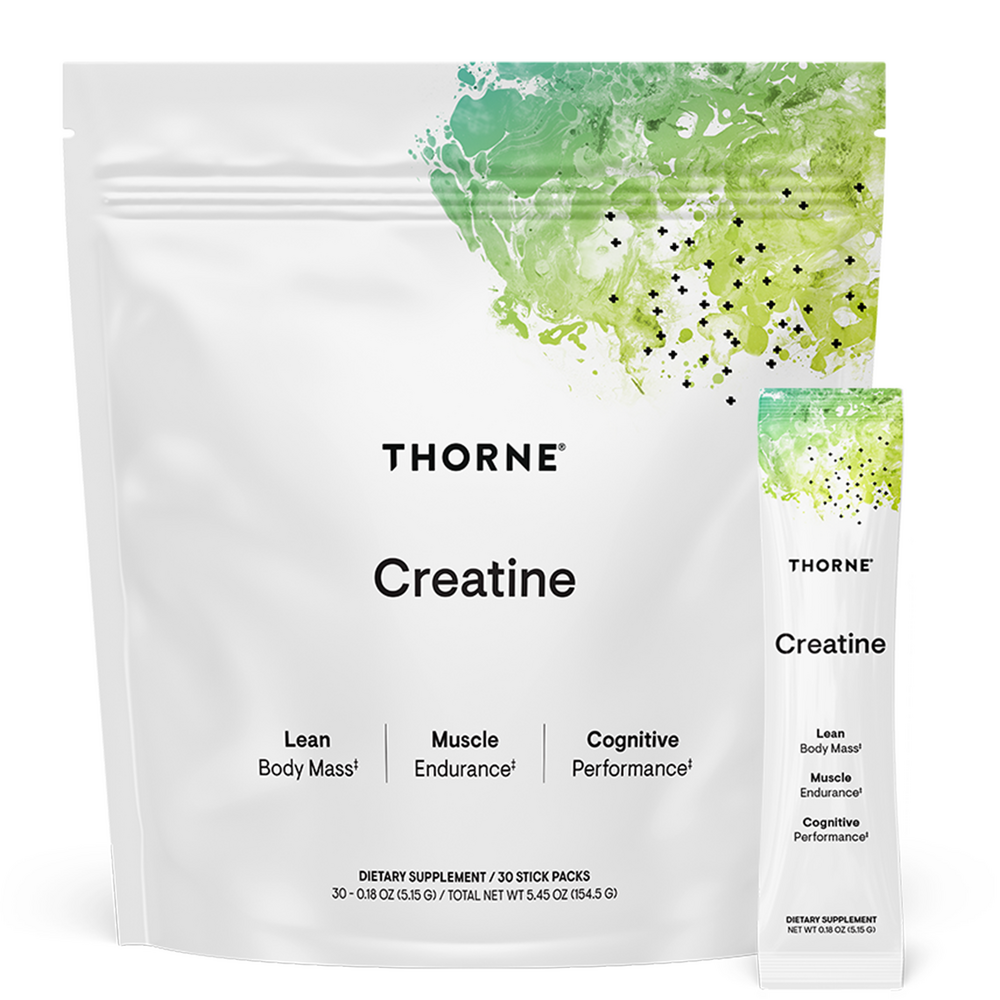
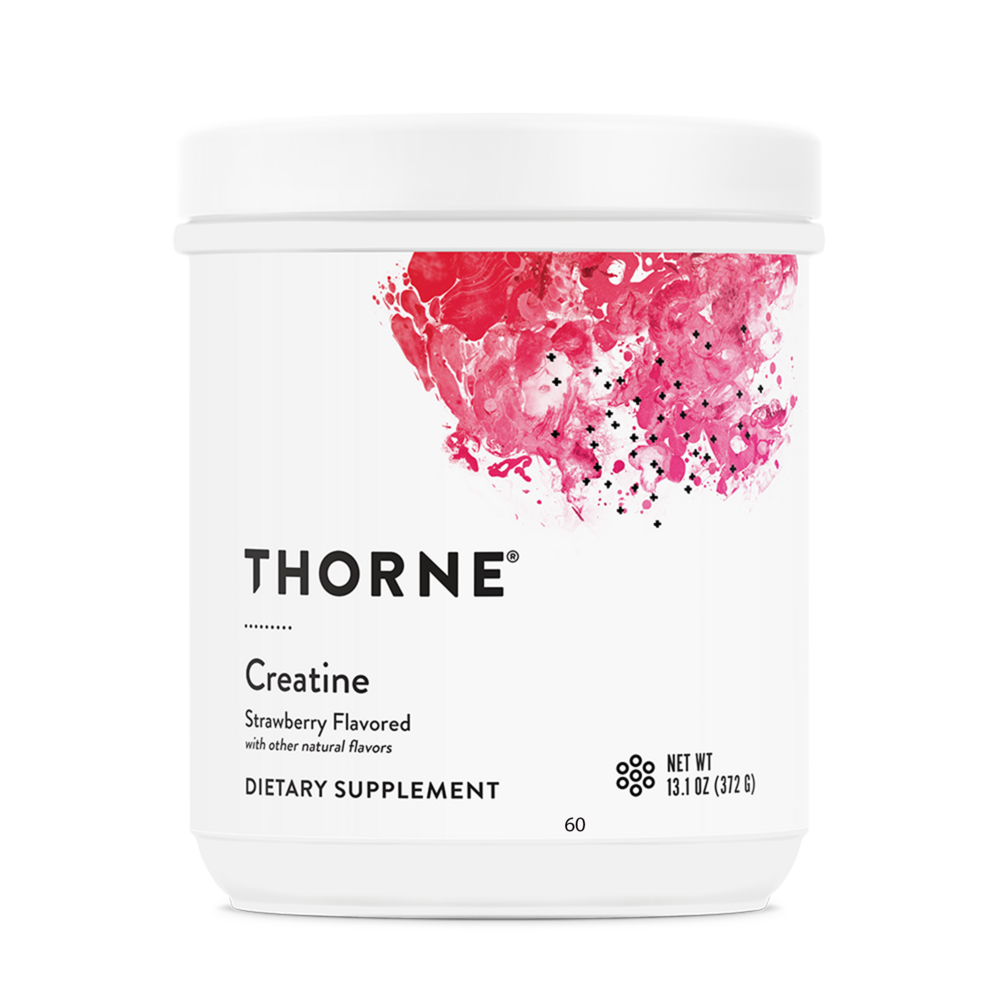
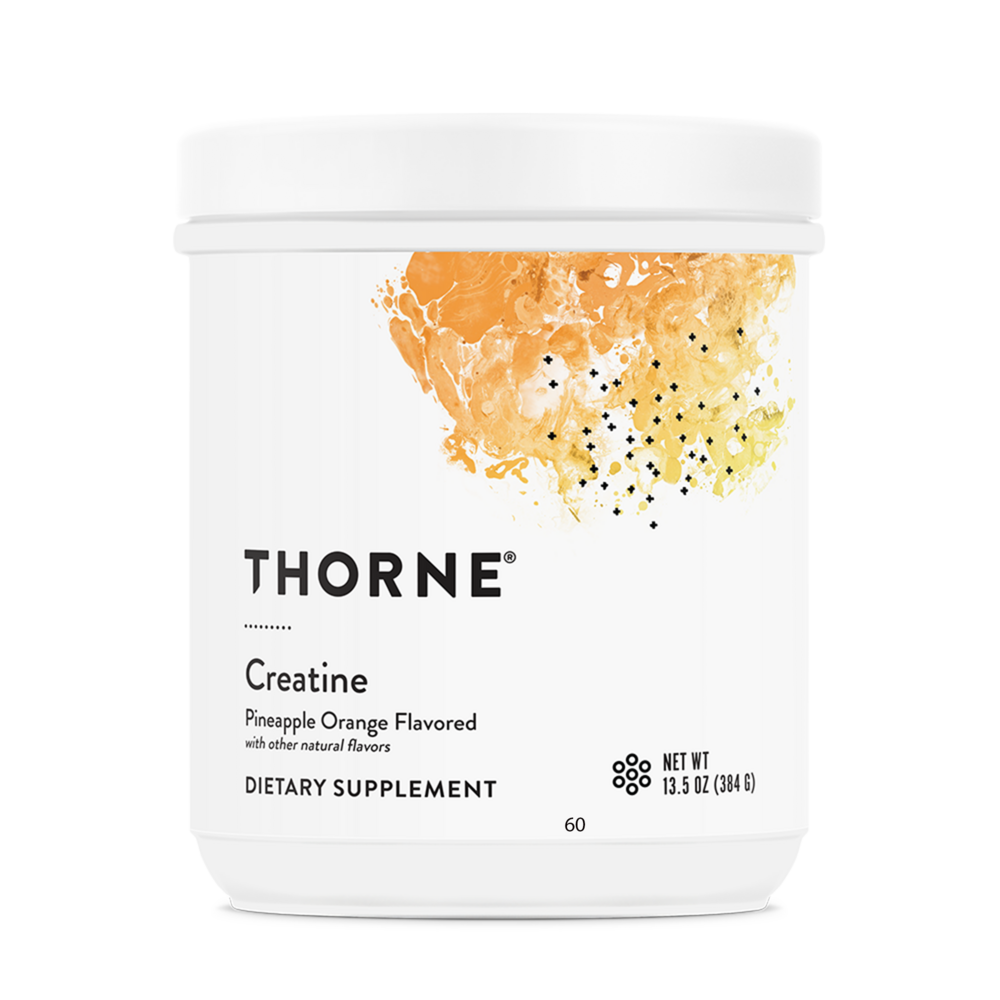
Creatine Pineapple Orange Flavored 5 g by Thorne
450 grams · 72-day supply
Enhance Performance and Recovery with Pineapple Orange Creatine$48.00
Purchase options
Practitioner-grade brand3rd-party testedFree shipping $50+
Thorne Creatine Pineapple Orange Flavored overview
If you train hard with short bursts—lifting, sprinting, team sports—creatine monohydrate is one of the few supplements that reliably moves performance. Vegans and vegetarians often respond more because their baseline muscle creatine is lower. Adults over 40 working to maintain lean mass also see value with resistance training. If your priority is long, steady endurance, the benefit is smaller but recovery between intervals can improve.
Creatine monohydrate raises phosphocreatine in muscle, which rapidly recycles ATP (the immediate energy currency in cells) during heavy efforts. That lets you squeeze out extra reps or hold peak power a bit longer, and over weeks that extra training volume adds muscle and strength. In some people, brain creatine increases too, which is why sleep-deprived or plant-based eaters sometimes notice clearer thinking on cognitive tasks.
One scoop provides 5 g of creatine monohydrate, a standard daily dose. Taken daily, muscles saturate in 2–4 weeks. A faster option is a loading phase (about 20 g per day split into 4 doses for 5–7 days), then 3–5 g daily. Mix with water or a carb/protein shake; insulin from carbs nudges uptake slightly. Caffeine taken at the same moment can blunt effects for some, so consider separating by a few hours.
Known kidney disease is a reason to avoid creatine unless your nephrologist is on board. Creatine can raise serum creatinine (a kidney waste marker) without harming kidneys, which can make eGFR (the estimate of kidney filtration) look lower on labs despite normal function. Hydrate well to reduce cramps or GI upset. Pregnancy and breastfeeding: data are limited, so avoid unless your clinician recommends it.
High-dose NSAIDs or other kidney-stressing drugs are a caution with creatine monohydrate. Diuretics increase fluid loss, so emphasize hydration. Post-workout bumps in Creatine Kinase (an enzyme that rises with muscle damage) are common and not a reason to stop unless you have symptoms. If your labs track serum creatinine, tell your clinician you supplement to prevent misinterpretation.
Frequently asked questions
How long does creatine take to work?
With 5 g daily, expect performance changes in 2–4 weeks as muscles saturate. A loading phase (about 20 g/day for a week) can bring benefits within 5–7 days, then continue with a daily maintenance dose.
Do I need to load creatine or is daily 5 g enough?
You don’t have to load. Daily 5 g reaches the same muscle levels in a few weeks. Loading simply gets you there faster, which some athletes prefer before a training block or season.
Does creatine hurt your kidneys?
In healthy adults, standard doses haven’t been shown to harm kidneys. It can raise serum creatinine, which is a lab artifact of the supplement, not kidney damage. If you have kidney disease, skip it unless your specialist approves.
Does creatine cause bloating or water weight?
Creatine draws water into muscle, so a 1–3 lb increase is common in the first week, especially with loading. That water is stored in muscle, not under the skin. Splitting doses and taking with food can reduce GI upset.
Can I take creatine with coffee?
You can, but some data suggest caffeine taken at the exact same time may blunt creatine’s effect for certain people. If performance is the goal, take them a few hours apart and see what works for you.
Is creatine useful for women?
Yes. Women gain similar strength and training-volume benefits, and creatine can help preserve lean mass during calorie deficits. The dose is the same; focus on consistent daily intake.
Is creatine monohydrate vegan?
Creatine monohydrate is synthesized and not derived from animals, so it’s typically vegan. Vegans often see a stronger response because their dietary creatine intake is lower than omnivores.
Should I take creatine on rest days?
Yes. Consistency matters more than timing. Take it daily, with or without food, to keep muscle levels topped up. Many people pair it with a daily shake for routine.
How to take it & ingredients
Suggested use: Mix 1 scoop with at least 8 ounces of water, juice, or preferred beverage daily or as recommended by your health-care or performance professional. Can be used 30-90 minutes before or after exercise.
Active ingredients
1 scoop = 6.4 grams per serving · 73 servings
Creatine Monohydrate
5 g
Other ingredients: Natural Flavor, Citric Acid, Malic Acid, Rebaudioside M, Tumeric and Beet Juice Powder (color)
Certifications
Benefits
Warnings