 Instalab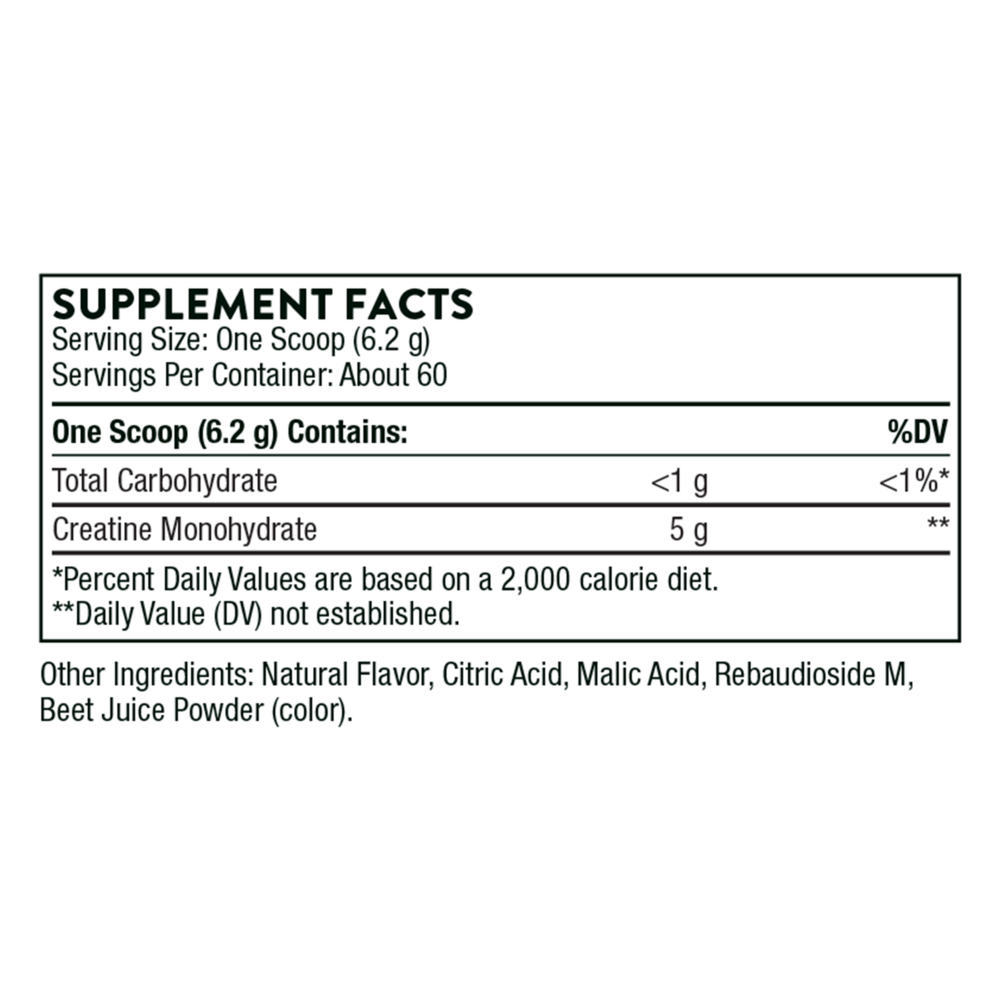


Thorne
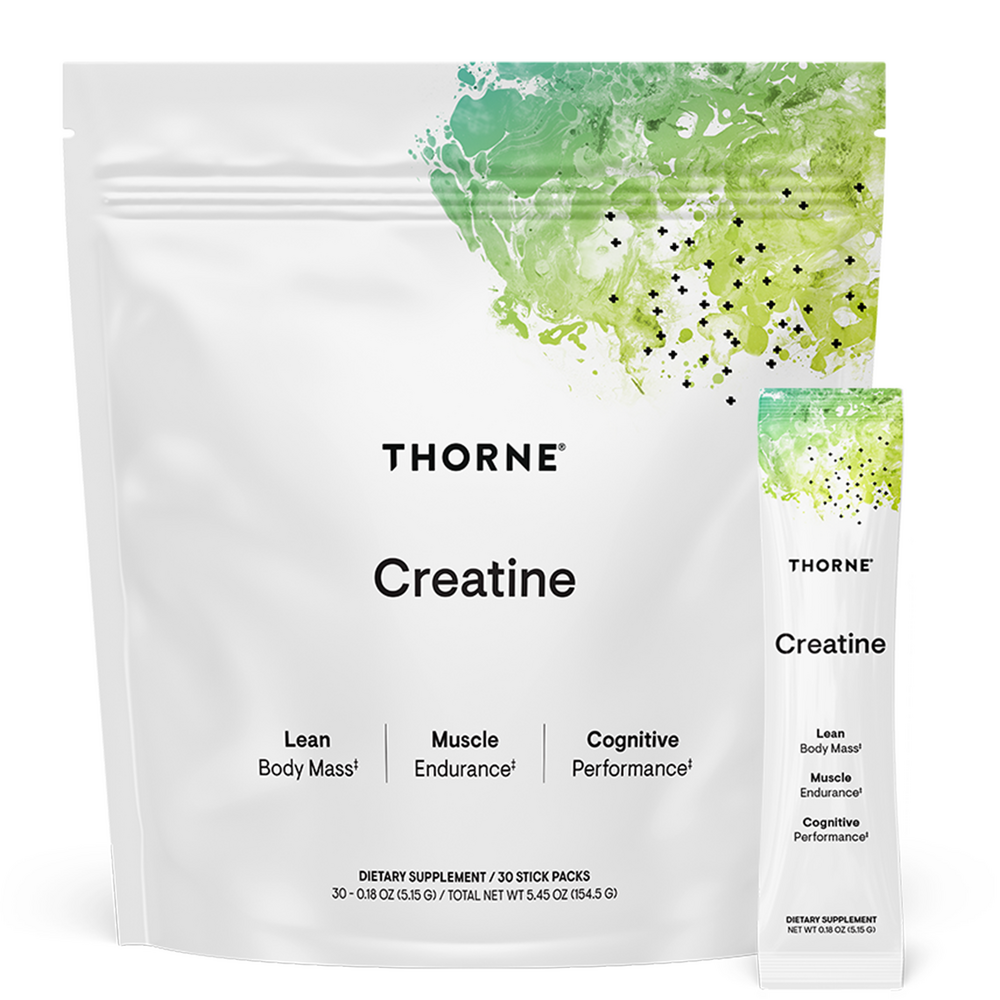
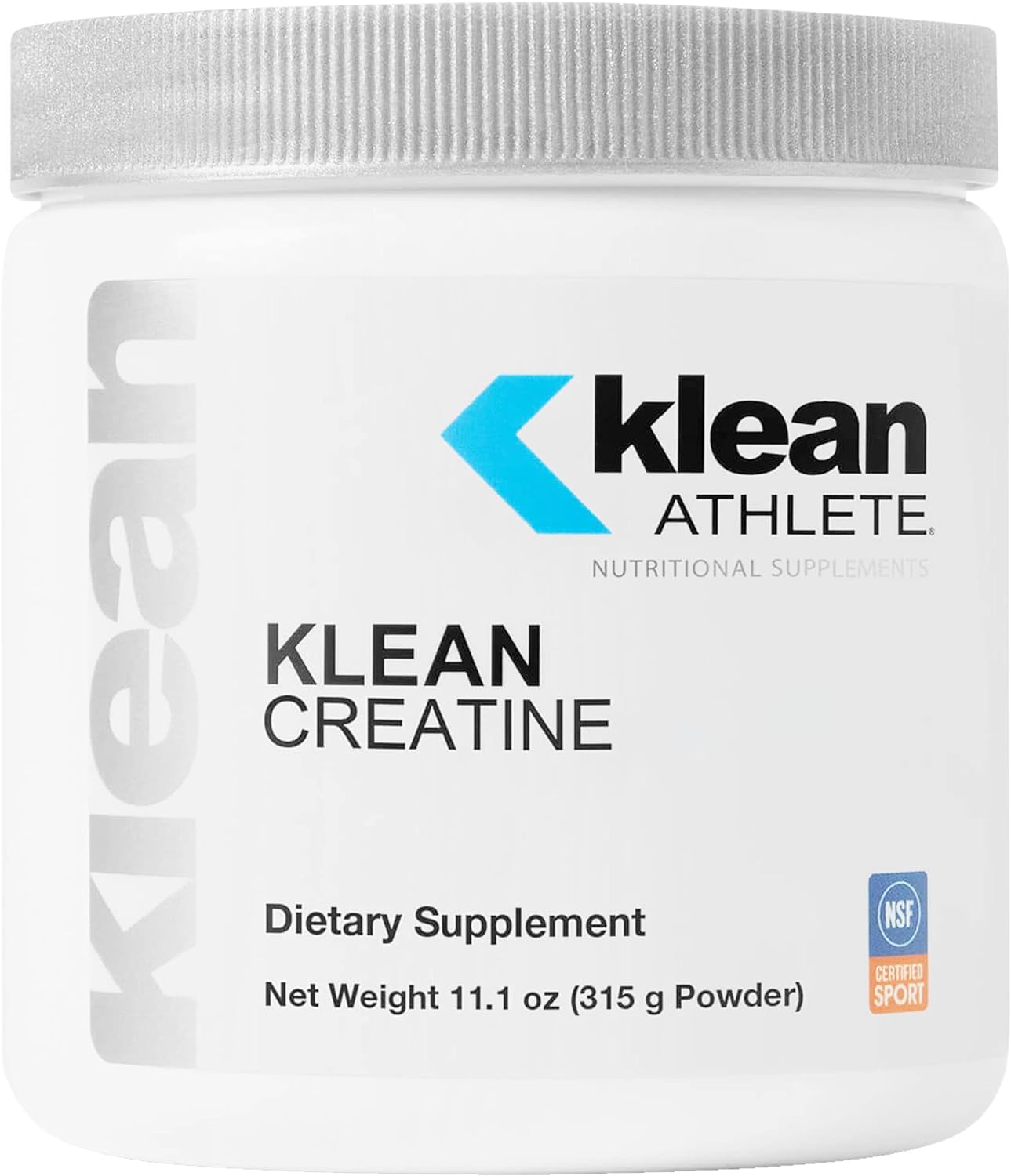
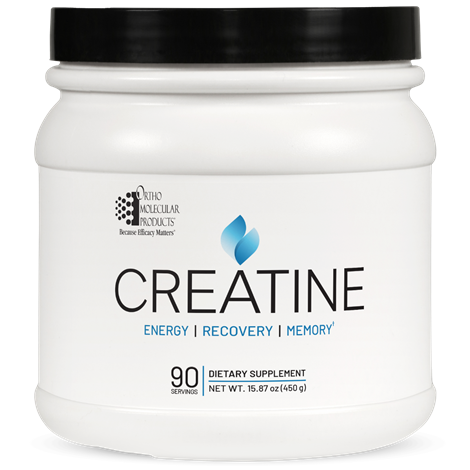
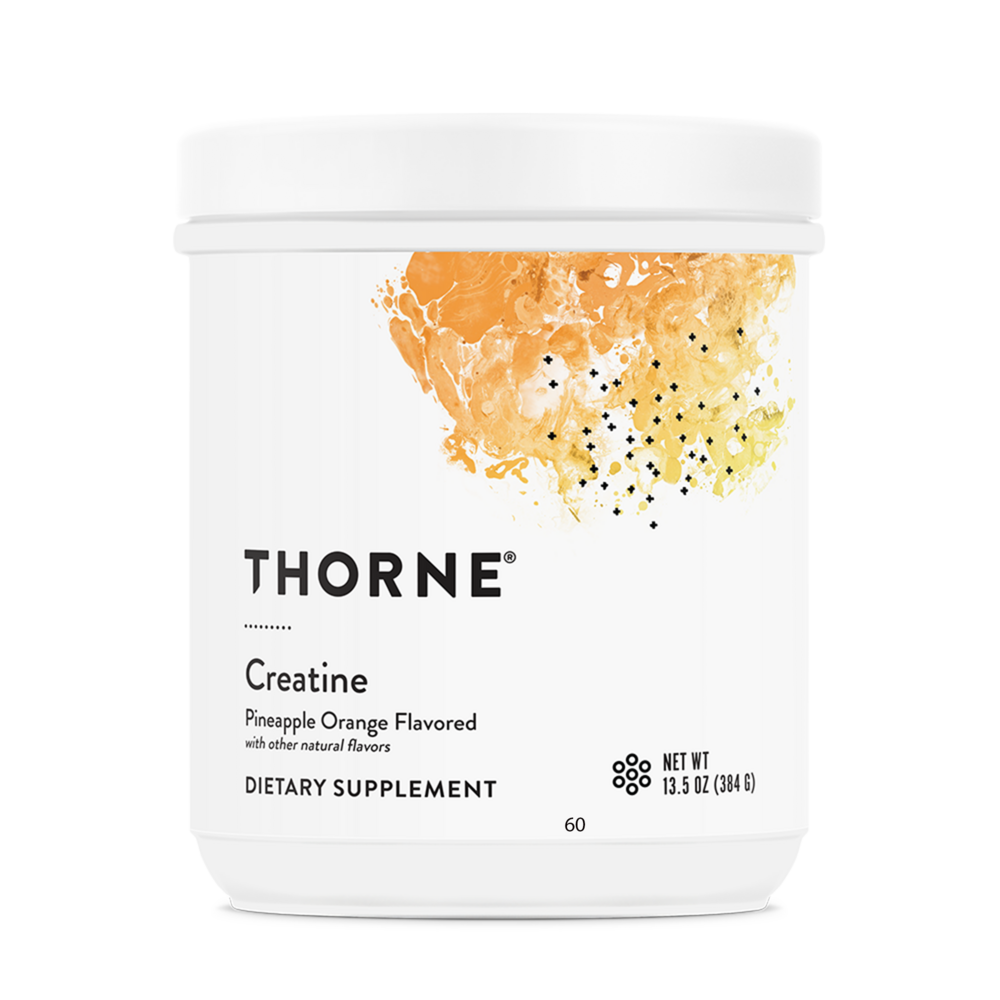
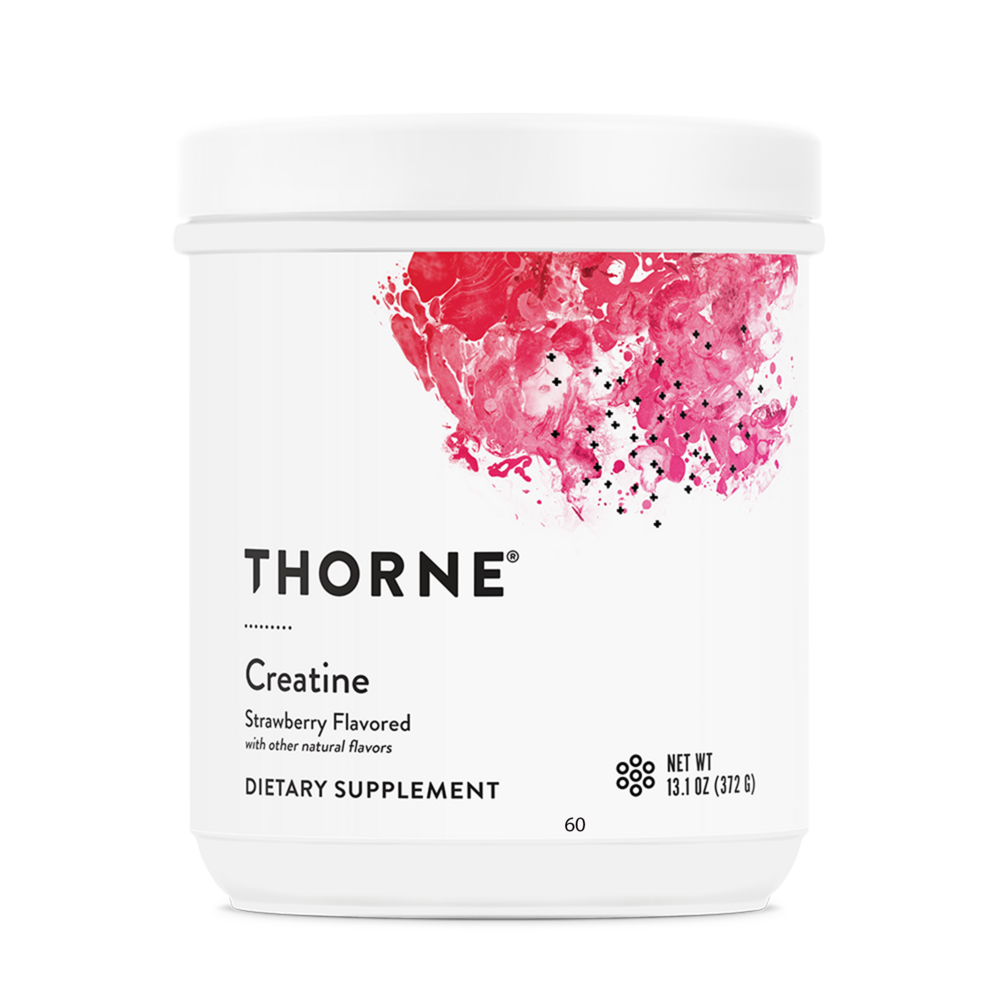
Creatine Strawberry Flavored 5 g by Thorne
450 grams · 72-day supply
Enhance Performance and Recovery with Pure Creatine Monohydrate$48.00
Purchase options
Practitioner-grade brand3rd-party testedFree shipping $50+
Thorne Creatine Strawberry Flavored overview
If you lift, sprint, or do high-intensity intervals, creatine monohydrate is the simplest way to add reps and sustain power. Vegans and vegetarians usually respond especially well because their baseline muscle stores are lower. Adults in their 30s and 40s use it to maintain lean mass during busy or lower-training periods. The 5 g per scoop here is the standard daily dose used in most trials. If you have known kidney disease, skip creatine and talk with your clinician first.
Creatine monohydrate raises phosphocreatine in muscle and brain, which quickly regenerates ATP (the molecule your cells burn for short, intense efforts). That translates to a few more seconds of peak output and faster recovery between sets, and over weeks, more training volume and measurable strength gains. It also pulls water into muscle cells, a signal that nudges protein synthesis. In people with low dietary intake, it can modestly aid cognition under sleep deprivation. The old cramp/dehydration concern hasn’t held up in controlled studies.
Mix one scoop in water or a shake daily. Timing is flexible; consistency matters more than pre vs. post. To saturate faster, use a loading phase of about 20 g per day split into 4 doses for 5–7 days, then continue with 3–5 g daily. Without loading, expect full effects in 2–4 weeks. Taking it with a carb- or protein-containing meal can improve uptake. If you get stomach upset, split the dose and drink extra fluids.
Skip creatine if you have chronic kidney disease, a single kidney, or are pregnant. High-dose NSAIDs, diuretics, or other kidney-stressing drugs call for caution; ask your clinician. Serum Creatinine can rise after starting creatine, which can make eGFR (estimated kidney filtration) look lower without true injury—interpret these labs in context. Large single doses of caffeine around workouts can blunt performance benefits in some studies, though regular coffee intake is usually fine.
Frequently asked questions
How long does creatine take to work?
With a loading phase, you’ll feel stronger and recover faster within about a week. Without loading, daily 3–5 g reaches full effect in 2–4 weeks as muscles saturate.
Do I need to load creatine?
No. Loading (about 20 g/day for 5–7 days) just gets you to the same endpoint faster. Taking 3–5 g daily without loading works; it just takes a few extra weeks.
Does creatine cause hair loss?
There’s no good evidence in humans that creatine causes hair loss. One small study suggested a hormone shift, but it was not replicated and did not measure hair outcomes.
Is creatine bad for your kidneys?
In healthy adults, long-term use at standard doses is not linked to kidney damage. If you have kidney disease or take kidney-stressing drugs, avoid it unless cleared by your doctor.
Does creatine make you bloated or puffy?
It draws water into muscle, not under the skin. Expect 1–3 pounds of water gain in the first 1–2 weeks, which usually looks like fuller muscles, not bloating.
Can I take creatine with caffeine or coffee?
Regular coffee is fine. Very large single doses of caffeine right before training have blunted creatine’s performance effects in some studies, so avoid mega-doses near workouts.
What’s the best time to take creatine?
Any time you’ll remember daily. Some prefer after training with a carb/protein meal. Consistency over weeks is what saturates muscles and drives results.
Is creatine vegan and safe for women?
Creatine monohydrate powder is typically vegan. Women use the same daily dose and see similar strength and lean mass benefits without androgenic side effects.
How to take it & ingredients
Suggested use: Mix 1 scoop with at least 8 ounces of water, juice, or preferred beverage daily or as recommended by your health-care or performance professional. Can be used 30-90 minutes before or after exercise.
Active ingredients
1 scoop = 6.4 grams per serving · 73 servings
Creatine Monohydrate
5 g
Other ingredients: Natural Flavor, Citric Acid, Malic Acid, Rebaudioside M, Beet Juice Powder (color)
Certifications
Benefits
Warnings