 Instalab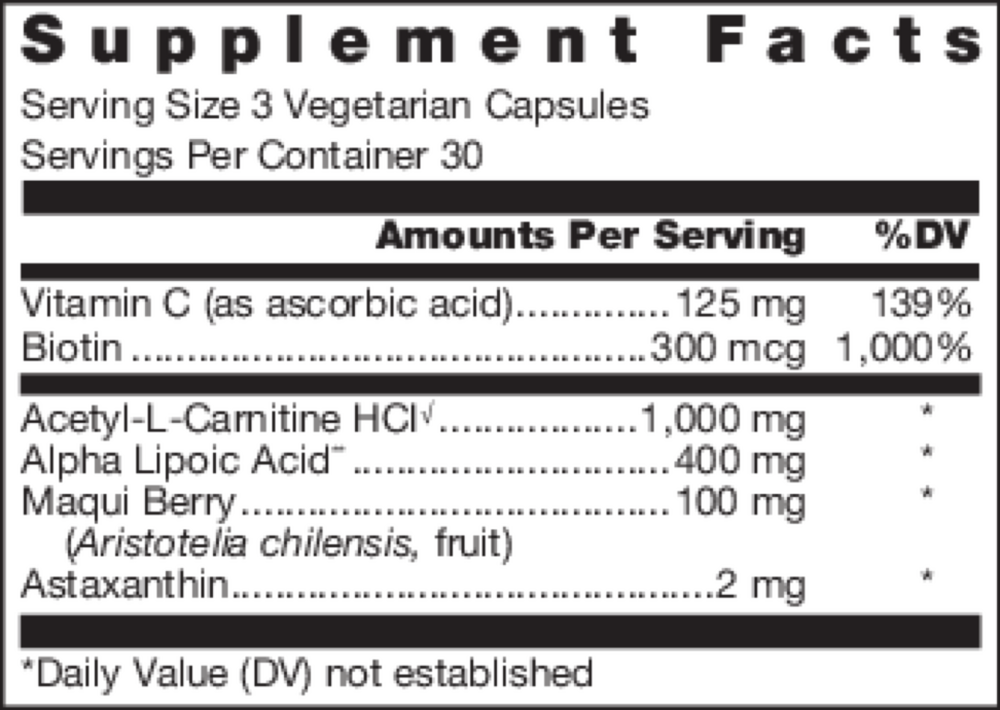


Klean Athlete
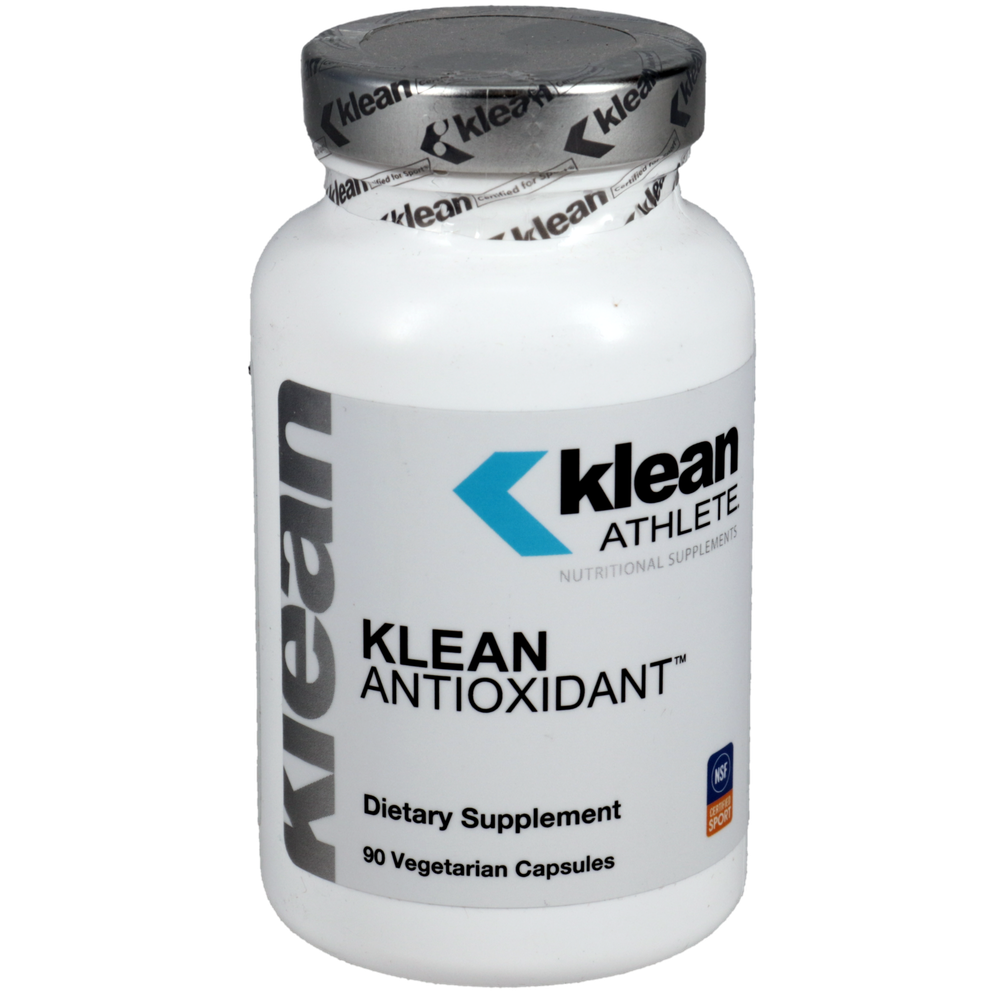
Klean Antioxidant by Klean Athlete
90 capsules · 30-day supply
Antioxidant Blend with ALCAR, Alpha Lipoic Acid, and Astaxanthin for Active Adults$51.00
This item is currently out of stockGet notified when this item is back in stock
Practitioner-grade brand3rd-party testedFree shipping $50+
Gluten Free
Klean Athlete Klean Antioxidant overview
This is a once-daily antioxidant blend for active adults and athletes who want broad antioxidant support alongside a structured training routine. It suits adults who want a single capsule stack covering water-soluble and fat-soluble antioxidants rather than taking each one separately, and athletes who get drug-tested for sport (the product carries NSF Certified for Sport, which screens for banned substances and verifies label accuracy).
Each 3-capsule serving delivers 125 mg of vitamin C (as ascorbic acid), 300 mcg of biotin, 1,000 mg of acetyl-L-carnitine HCl, 400 mg of alpha lipoic acid, 100 mg of maqui berry (Aristotelia chilensis, fruit), and 2 mg of astaxanthin. Vitamin C and alpha lipoic acid are water-soluble antioxidants that recycle each other in the body, astaxanthin is a fat-soluble carotenoid that concentrates in cell membranes, and maqui berry is a polyphenol-rich fruit traditionally consumed in Patagonia. Acetyl-L-carnitine is an acetylated amino acid that shuttles long-chain fatty acids into mitochondria, where they are oxidized to produce ATP, the cellular energy currency.
Take 3 vegetarian capsules daily, preferably with a meal. A 90-capsule bottle covers a 30-day supply at the standard serving. Many adults pair it with a pre-workout or post-workout meal to keep a consistent daily cadence.
If you take prescription medications, are pregnant or breastfeeding, or are receiving cancer treatment, talk to your clinician before starting and review the warnings below.
Frequently asked questions
What does NSF Certified for Sport mean?
NSF Certified for Sport is a third-party certification that screens each production lot for substances banned by major sport organizations (WADA, USADA, MLB, NFL, NHL, PGA, LPGA) and verifies the label accurately matches the contents of the bottle. Athletes who are subject to anti-doping testing often look for this mark.
How is the serving size structured?
A serving is 3 vegetarian capsules taken once daily, preferably with a meal. A 90-capsule bottle is a 30-day supply at that serving.
Why combine water-soluble and fat-soluble antioxidants?
Different antioxidants are active in different parts of cells and tissue. Vitamin C and alpha lipoic acid are water-soluble and active in plasma and cytosol, while astaxanthin is fat-soluble and concentrates in cell membranes. Polyphenols from maqui berry add a third class of antioxidant compounds.
What does acetyl-L-carnitine do here?
Acetyl-L-carnitine is an acetylated form of the amino acid L-carnitine. It helps transport long-chain fatty acids into mitochondria, where they are oxidized to produce ATP, the cellular energy currency.
Is this product vegetarian?
The capsule shell is vegetarian. The actives are also non-animal in origin.
When should I take it?
Take 3 capsules once daily, preferably with a meal. Many adults pair it with a pre-workout or post-workout meal to keep a consistent daily cadence.
How long does a bottle last?
At 3 capsules per day, a 90-capsule bottle lasts 30 days.
How to take it & ingredients
Suggested use: Adults take three vegetarian capsules daily with a meal or as directed by a health professional.
Active ingredients
3 capsules per serving · 30 servings
Vitamin C
Ascorbic Acid
Ascorbic Acid
125 mg
Biotin
300 mcg
Acetyl L Carnitine HCl
1000 mg
Alpha Lipoic Acid
400 mg
Maqui Berry
Aristotelia chilensis extract
Aristotelia chilensis extract
100 mg
Astaxanthin
2 mg
Other ingredients: Hydroxypropyl methylcellulose, Cellulose, Calcium carbonate, Vegetable stearate, Silica
Certifications
Benefits
Warnings