 Instalab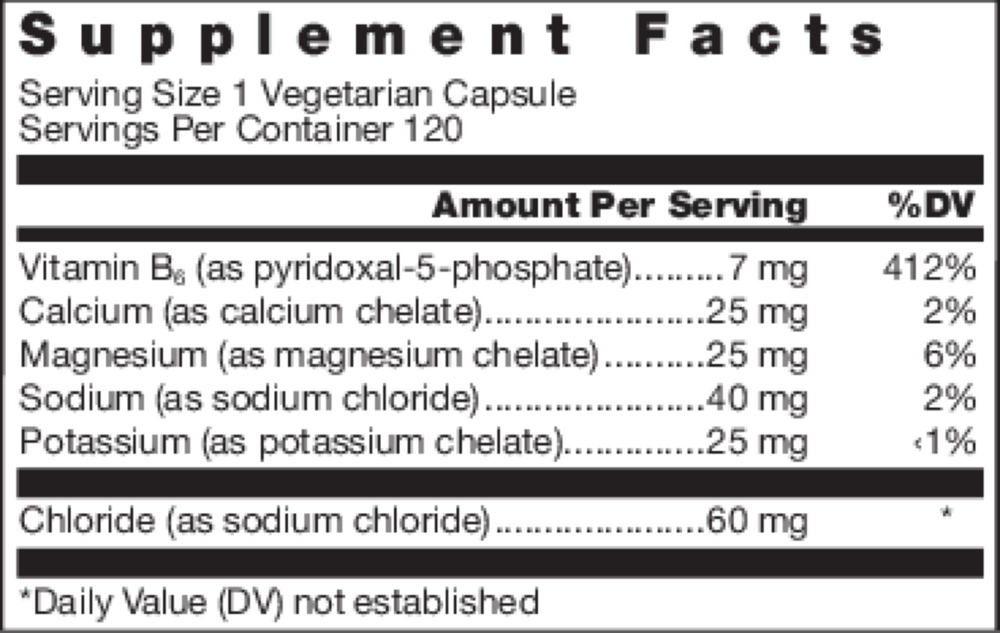




Klean Athlete
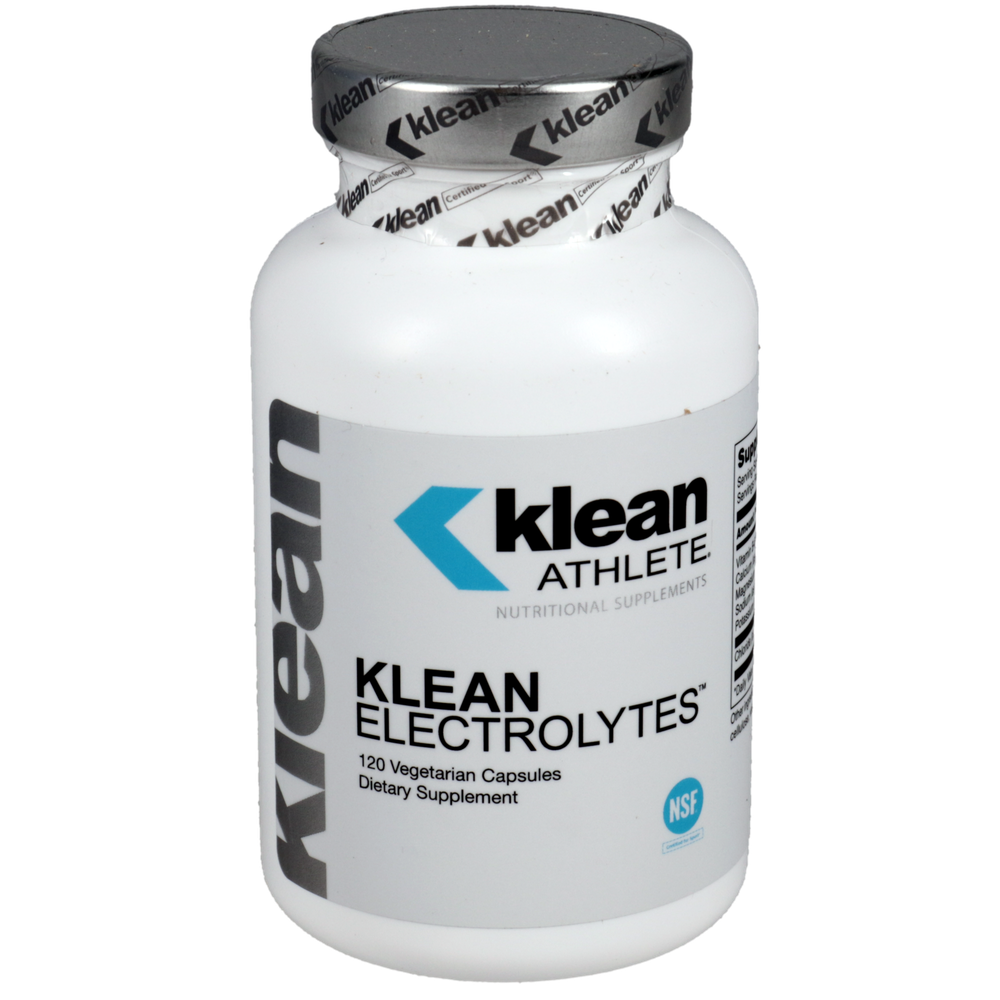
Klean Electrolytes by Klean Athlete
120 capsules · 120-day supply
Hydration Support for Optimal Performance and Recovery$XX.XX$29.00retail
Purchase option
21% below MSRP3rd-party tested for purity & potencyFree shipping $50+
Vegetarian·Gluten Free·Soy Free·Egg Free·Tree Nut Free·Fish Free·
Klean Athlete Klean Electrolytes overview
Hot-weather runners, indoor cyclists, and keto or low-carb athletes who urinate more sodium than usual are the people who notice these electrolyte capsules. If you cramp late in workouts or finish with a headache and low energy, light replacement helps. Check labs like Serum Sodium, Serum Potassium, and Magnesium, RBC if you’re curious whether your baseline is low. The dose here is conservative, best for light sweaters or shorter sessions; heavy salt sweaters will usually need more sodium per hour than one capsule provides.
Sodium and chloride steer fluid balance between blood and tissues, which is why replacing them helps maintain plasma volume and steady heart rate in heat. Potassium and magnesium support nerve firing and muscle contraction, so low levels show up as cramping or weak finishing kicks. This formula adds vitamin B6 as pyridoxal‑5‑phosphate, the active form that helps enzymes move amino acids and glycogen around during effort. Capsules avoid the stomach upset and sugar swings some people get with sports drinks.
The label suggests one capsule before, during, and after training. Practically, take one with water 15–30 minutes pre-session, then one every 45–60 minutes for light sweat losses, and one after if you end with salt rings or a headache. Each capsule has only 40 mg sodium, which is small compared with typical sweat losses. If your sweat test or experience points to higher needs, you’ll likely layer additional sodium or use a higher-sodium product for long or hot sessions.
Skip or get clinician guidance if you have kidney disease, heart failure, uncontrolled high blood pressure, or you’re on medicines that change potassium or sodium handling: ACE inhibitors, ARBs, potassium-sparing diuretics like spironolactone or eplerenone, or loop and thiazide diuretics. If your Basic Metabolic Panel already shows low Sodium or Potassium, address that clinically first. For endurance events with heavy sweat rates, this low-sodium capsule is not a stand-alone plan for cramp prevention.
Frequently asked questions
Are electrolyte capsules better than sports drinks?
They’re cleaner and gentler on the gut, but not better by default. These capsules are very low in sodium, so for long or hot sessions you may still need a higher-sodium drink or salt tabs to match your sweat losses.
How many electrolyte capsules should I take per hour?
For light sweaters, one capsule about every 45–60 minutes is reasonable. If you see salt crust on clothing or cramp often, you likely need more sodium than this product delivers and should add a higher-sodium option.
Will electrolyte capsules stop muscle cramps?
Sometimes, if cramping is from sodium or magnesium deficit. If cramps persist despite replacing electrolytes and fluids, look at pacing, conditioning, and total carbohydrate intake, and review labs like Magnesium, RBC with a clinician.
Can I take these on keto or low-carb?
Yes. Low-carb diets increase sodium loss through the kidneys, so light sodium replacement is often helpful. The dose here is modest, so many keto athletes will still need extra sodium during long or hot workouts.
Do I need sugar with electrolytes during workouts?
For efforts over 60–90 minutes, adding carbohydrate improves performance. These capsules cover minerals only, so pair them with a gel or drink if you want steady energy during longer sessions.
How quickly do electrolytes work?
Effects are immediate once absorbed, typically within 15–30 minutes. You’ll notice better thirst control and steadier effort during the session rather than a delayed benefit days later.
Is it safe to take electrolytes with blood pressure medication?
It depends on the drug. ACE inhibitors, ARBs, and potassium-sparing diuretics change potassium balance, and loop or thiazide diuretics change sodium. Check with your prescriber before using any electrolyte product regularly.
How to take it & ingredients
Suggested use: Take one capsule prior to, during, and after workouts or as directed by your health professional.
Active ingredients
1 capsule per serving · 120 servings
Vitamin B6
Pyridoxal 5 phosphate
Pyridoxal 5 phosphate
7 mg
Calcium
Calcium chelate
Calcium chelate
25 mg
Magnesium
Magnesium chelate
Magnesium chelate
25 mg
Sodium
Sodium chloride
Sodium chloride
40 mg
Potassium
Potassium chelate
Potassium chelate
25 mg
Chloride
Sodium chloride
Sodium chloride
60 mg
Other ingredients: Hydroxypropyl methylcellulose, Cellulose, Vegetable stearate, Silica
Certifications
Benefits
Warnings