 Instalab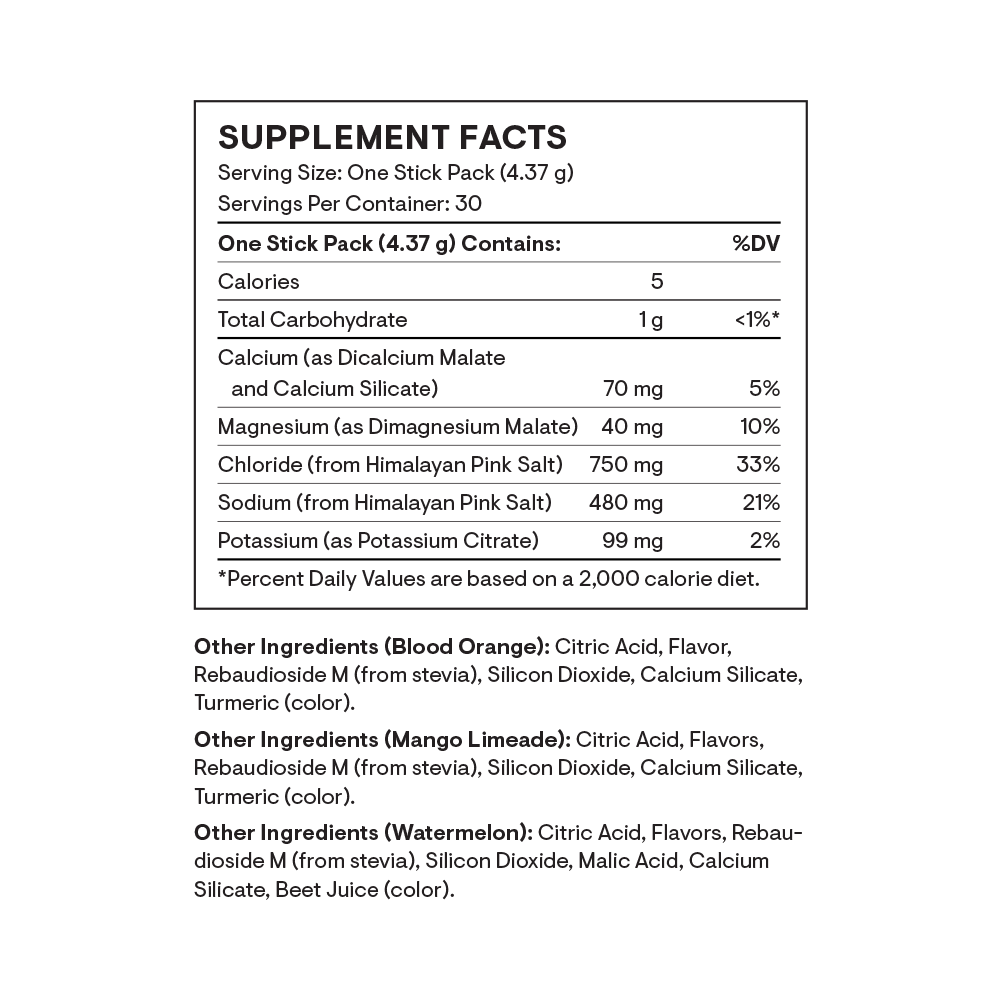



Thorne
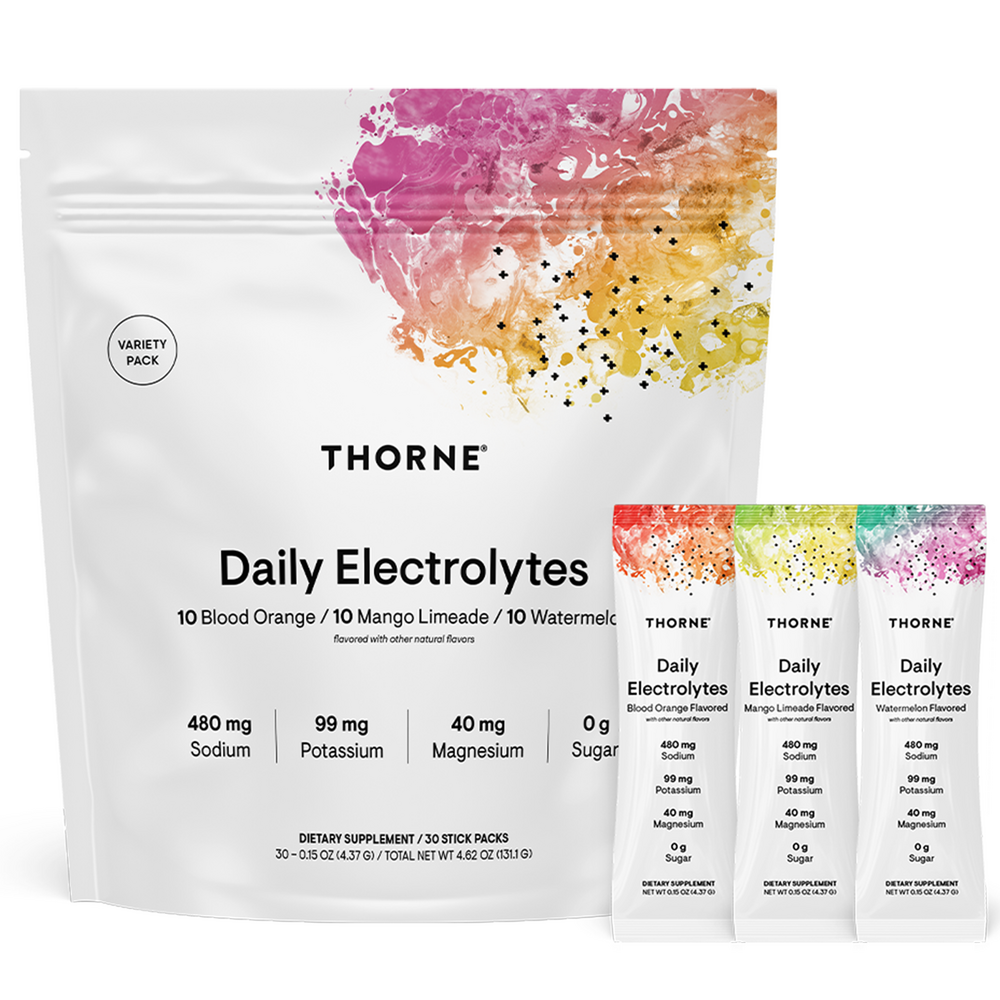
Daily Electrolytes Variety Pack by Thorne
30 packets · 30-day supply
Hydration Support with Essential Electrolytes for Daily Wellness$40.00
Purchase options
Practitioner-grade brand3rd-party testedFree shipping $50+
Gluten Free·Soy Free·Dairy Free
Thorne Daily Electrolytes Variety Pack overview
Endurance training in heat, low-carb or keto eating, and frequent sauna use all raise your electrolyte needs. This electrolyte powder is a good daily maintainer if you sweat a lot, feel lightheaded on standing, or see cramps during longer sessions. If labs like Serum Sodium, Potassium, Magnesium, or Chloride have been low, this can help with day-to-day intake, but true deficiency needs a targeted plan with your clinician.
Sodium and chloride pull water with them in the gut and bloodstream, helping maintain plasma volume and steady blood pressure. Potassium supports nerve signaling and muscle contraction, which is why cramps ease when intake is adequate. Magnesium participates in muscle relaxation and energy production, though 40 mg here is modest. Citrate and malate forms are gentle on the stomach and mix well, making this electrolyte powder easy to use daily.
Mix one packet with at least 12 ounces of water once daily. Use during long workouts, hikes, or hot days; sip half before and the rest during activity. In heavy sweat conditions, one to two packets spread through the day is typical. The 99 mg potassium reflects the U.S. per-serving limit, so do not use this to treat low potassium on labs. It is zero sugar, so add carbs separately for hard training.
Talk to your clinician if you have high blood pressure requiring sodium restriction, kidney disease, heart failure, or a history of high potassium. Be cautious if you take ACE inhibitors or ARBs (blood pressure drugs that raise potassium), potassium-sparing diuretics like spironolactone, or lithium. If your Basic Metabolic Panel shows abnormal electrolytes, recheck levels after any change in intake.
Frequently asked questions
How fast do electrolytes work for cramps or lightheadedness?
Often within 30–60 minutes for mild symptoms caused by sweat losses. Persistent cramps or dizziness despite using electrolytes need evaluation for low iron, low magnesium, or low blood pressure, and a check of Serum Sodium and Potassium.
How many electrolyte packets can I take per day?
One packet daily is standard. During long, hot training days, many athletes use one to two spread out. If you restrict sodium for blood pressure or have kidney issues, stick to one or follow clinician advice.
Does this electrolyte powder break a fast?
It is zero sugar and very low calorie, so most people consider it fasting-friendly. For strict metabolic fasting, any flavored intake technically breaks the fast, but electrolytes do not raise blood glucose or insulin meaningfully.
Is it good for keto or low-carb diets?
Yes. Low-carb and keto increase sodium and fluid losses, so extra electrolytes reduce headaches, fatigue, and cramps. You may need a second packet on high-activity days, while watching total sodium if you have hypertension.
Can I mix electrolytes with creatine or protein?
Yes. Mixing with creatine or sipping alongside protein is fine and convenient around training. If you want carbohydrate for performance, add it separately since this formula is zero sugar.
Is this enough magnesium for cramps?
It provides 40 mg, which is a light maintenance dose. If your Magnesium is low on labs or you have nightly leg cramps, a dedicated magnesium supplement is often more effective, then keep this for hydration.
Is it safe in pregnancy or breastfeeding?
Generally yes in healthy pregnancies, since it is just electrolytes. If you have high blood pressure of pregnancy, kidney issues, or swelling requiring sodium restriction, ask your obstetric clinician before using.
Does electrolyte powder raise blood pressure?
It can if your total sodium intake is already high or you are salt-sensitive. One packet delivers 480 mg sodium. Track blood pressure and discuss limits with your clinician if you have hypertension.
How to take it & ingredients
Suggested use: Mix 1 stick pack with at least 12 ounces of water daily or as recommended by your health-care practitioner.
Active ingredients
1 packet = 4.37 grams per serving · 30 servings
Calcium
Dicalcium Malate, Calcium Silicate
Dicalcium Malate, Calcium Silicate
70 mg
Magnesium
Dimagnesium Malate
Dimagnesium Malate
40 mg
Chloride
Himalayan Pink Salt
Himalayan Pink Salt
750 mg
Sodium
Himalayan Pink Salt
Himalayan Pink Salt
480 mg
Potassium
Potassium Citrate
Potassium Citrate
99 mg
Other ingredients: Citric Acid, Flavors, Rebaudioside M (from stevia), Silicon Dioxide, Calcium Silicate, Turmeric (color)
Certifications
Benefits
Warnings
Customers also considered
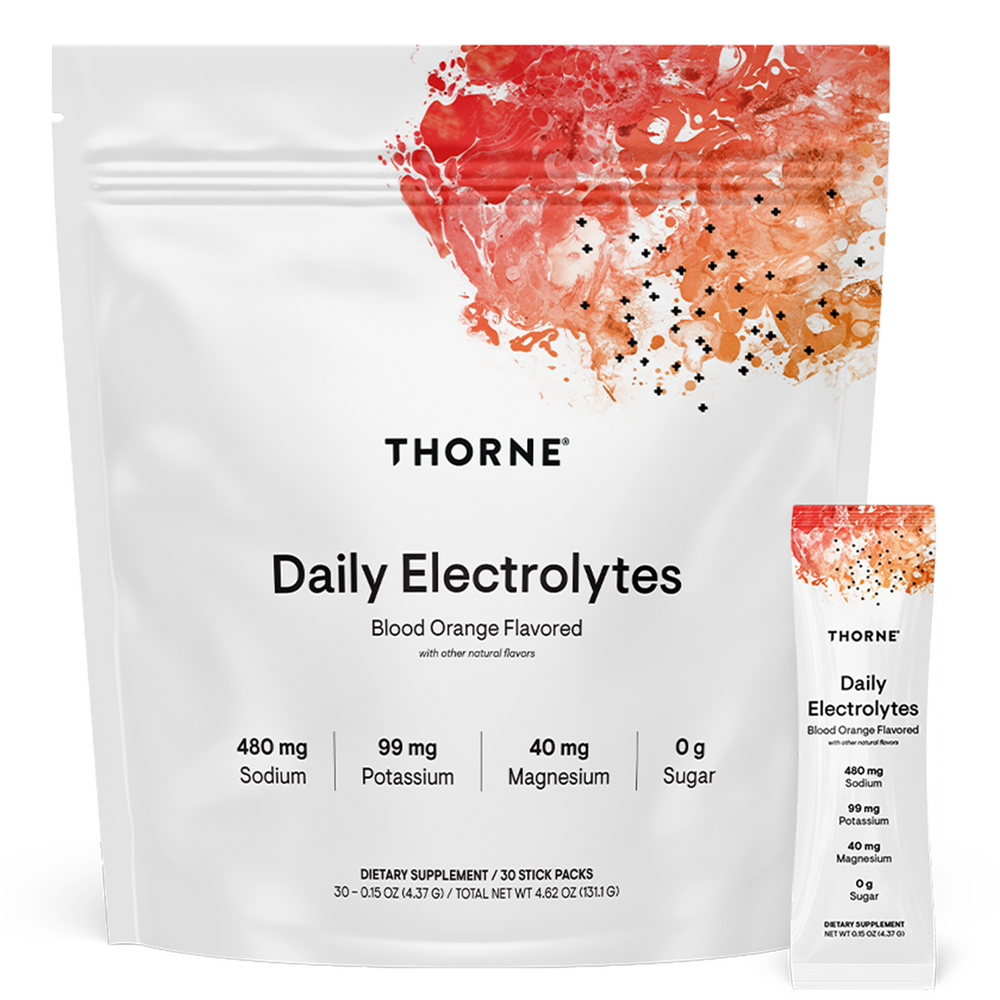
Daily Electrolytes Blood Orange
Thorne
30 packets
$40.00$36.00 with Subscribe & Save
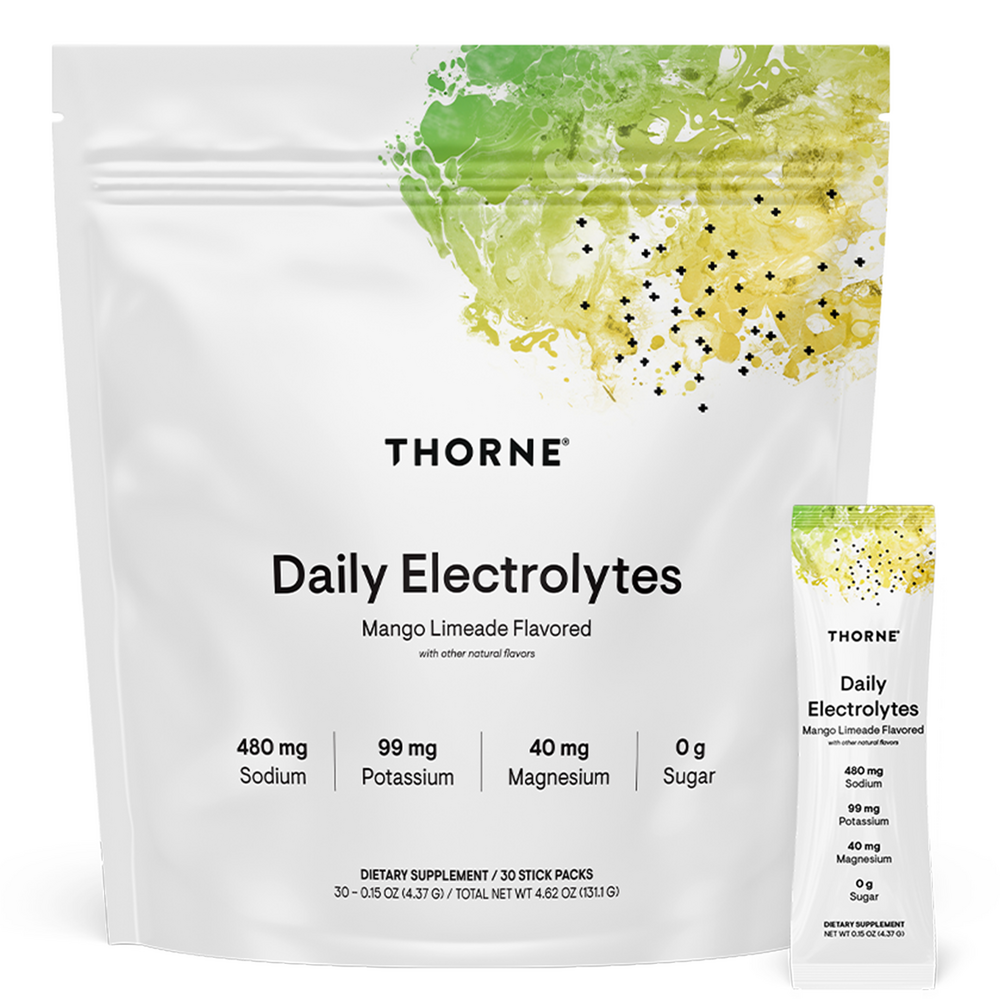
Daily Electrolytes Mango Limeade
Thorne
30 packets
$40.00$36.00 with Subscribe & Save
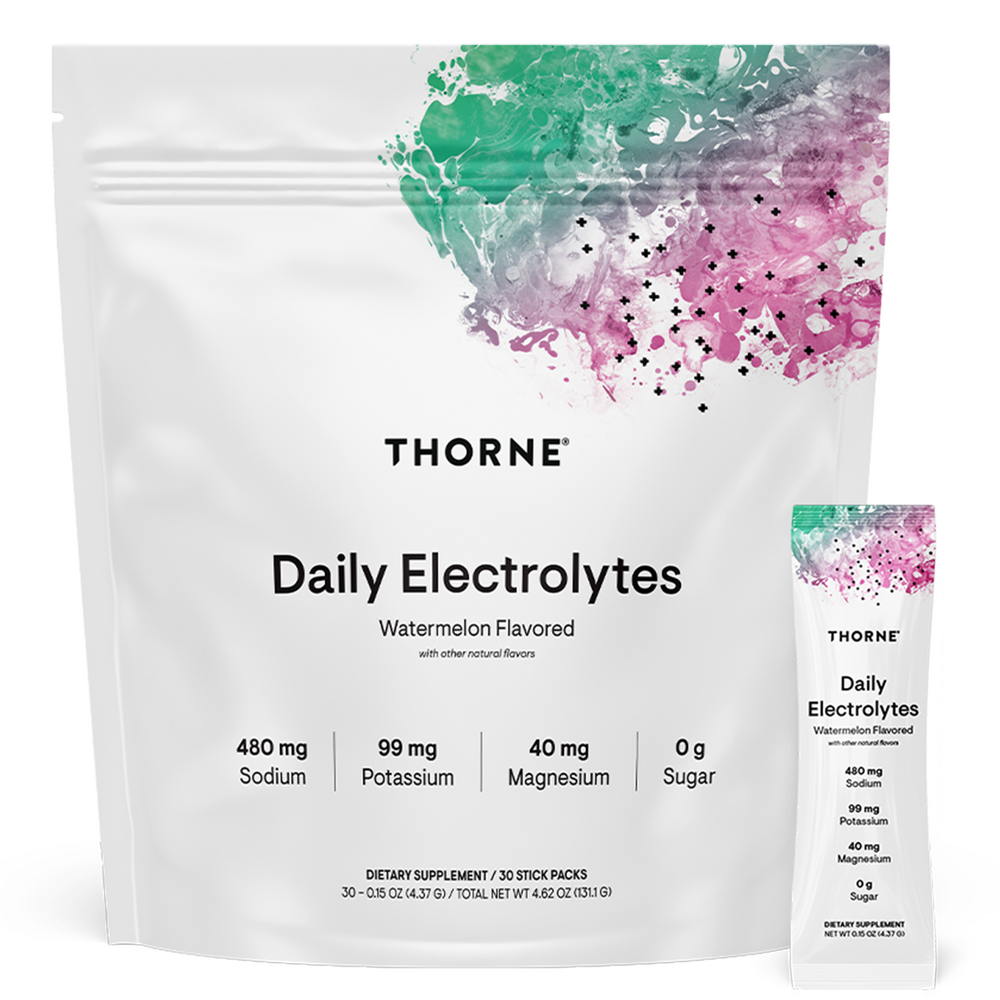
Daily Electrolytes Watermelon
Thorne
30 packets
$40.00$36.00 with Subscribe & Save
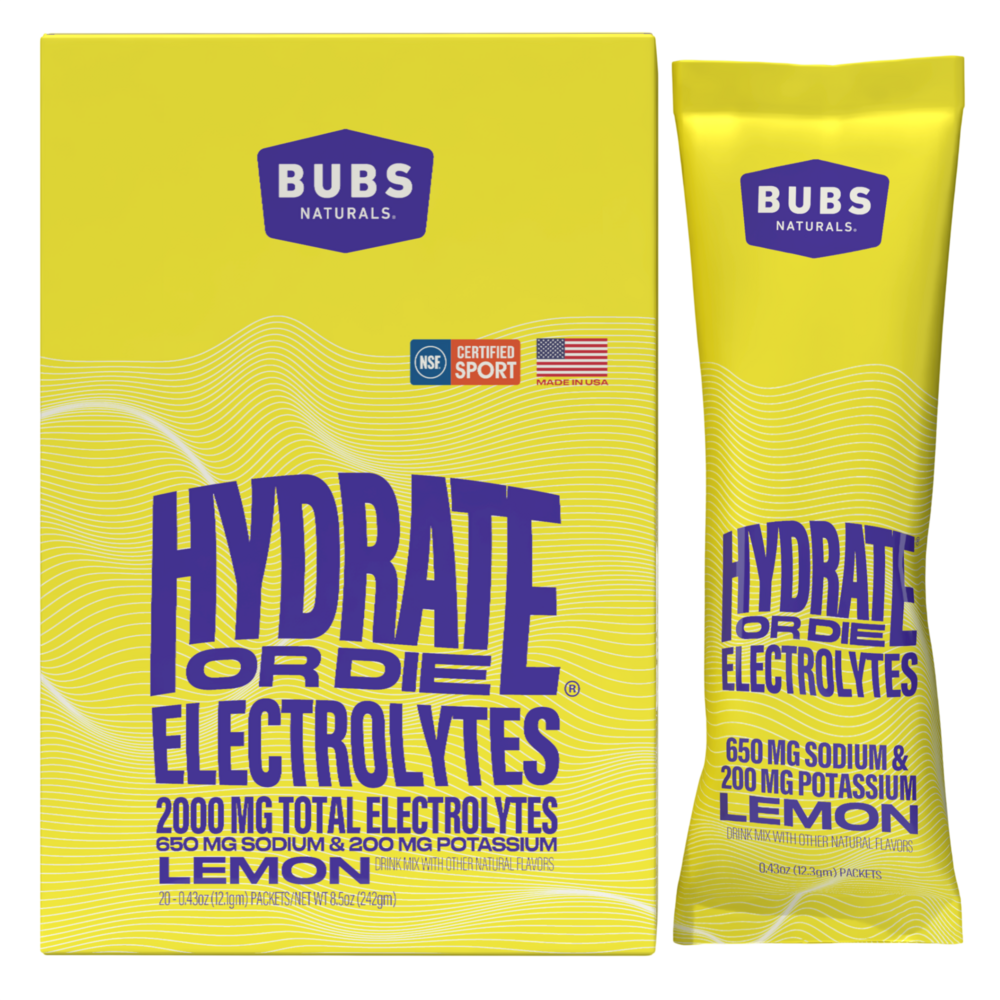
Hydrate or Die Electrolytes Lemon
Bubs Naturals
20 packets
$37.99$29.99 with Subscribe & Save