 Instalab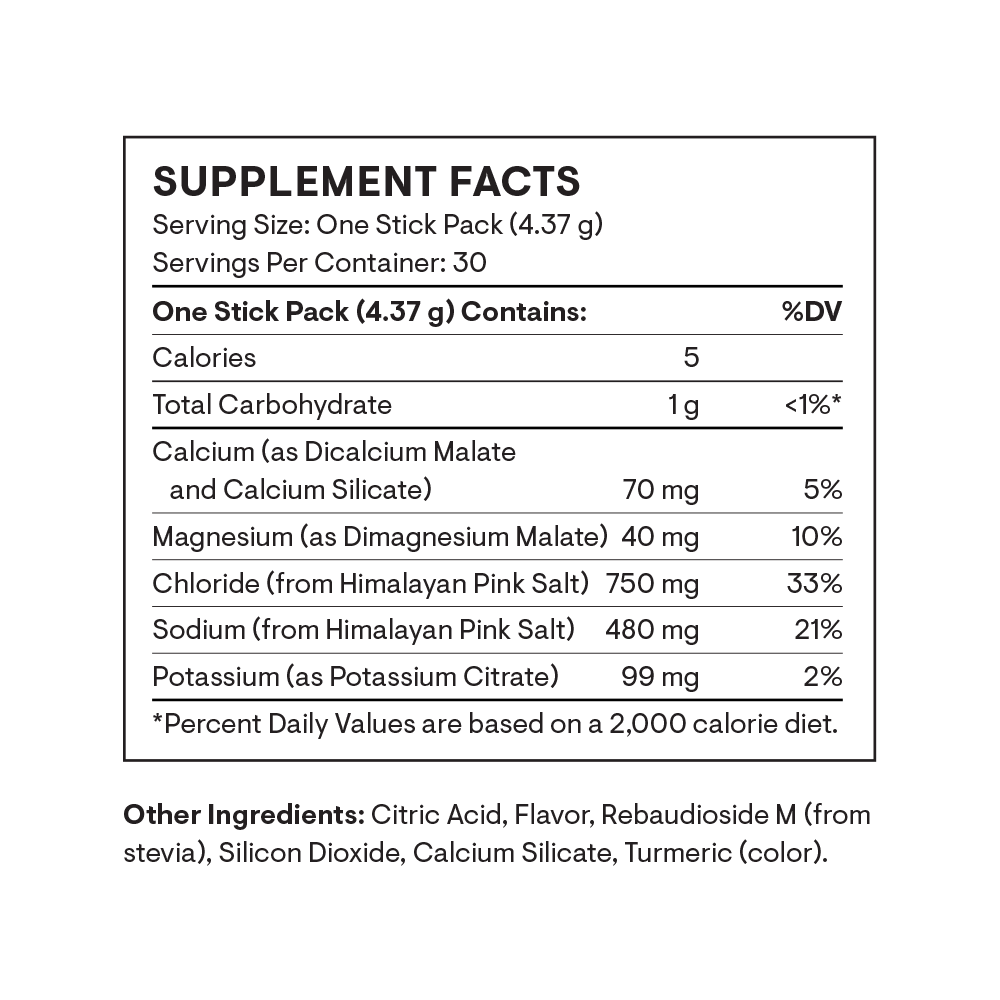


Thorne
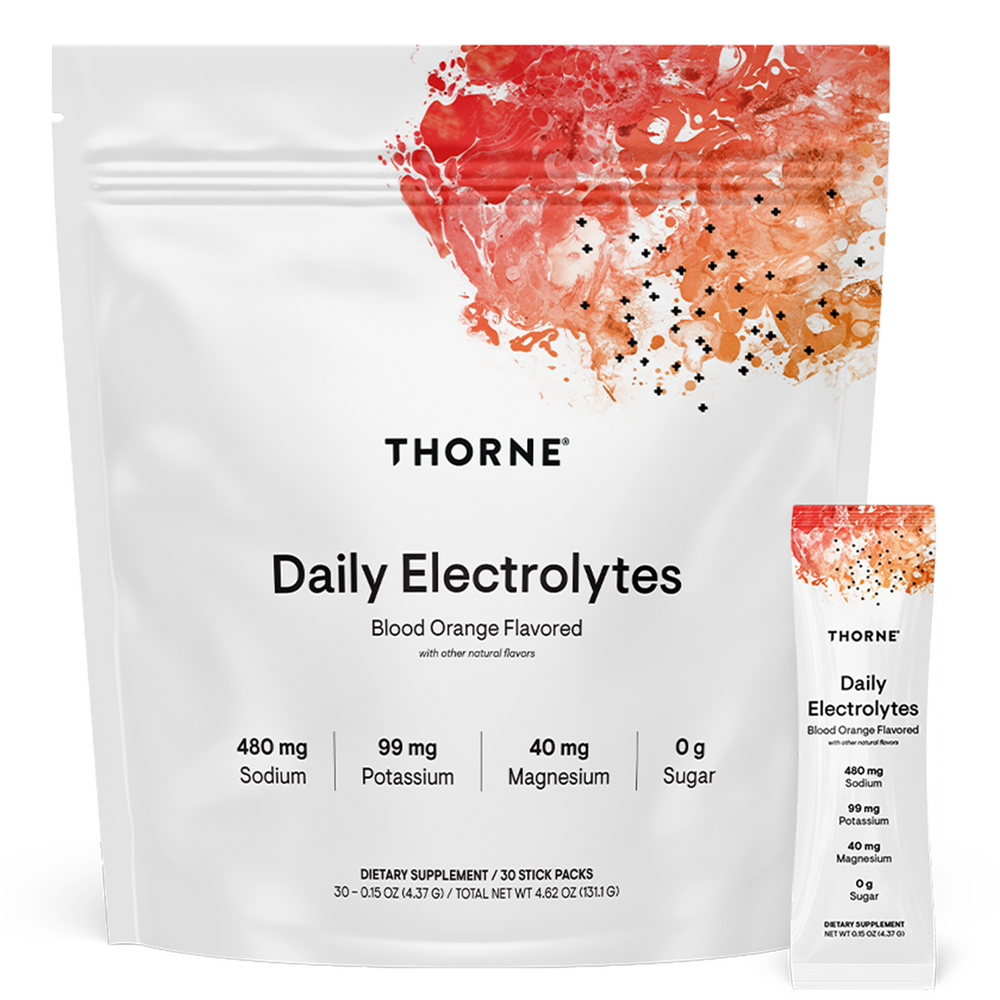
Daily Electrolytes Blood Orange by Thorne
30 packets · 30-day supply
Hydration Support with Essential Electrolytes for Optimal Performance$40.00
Purchase options
Practitioner-grade brand3rd-party testedFree shipping $50+
Gluten Free·Soy Free·Dairy Free
Thorne Daily Electrolytes Blood Orange overview
Hot-weather training, long runs, or a low-carb/keto phase are the most common times a true electrolyte powder outperforms water. Heavy sweaters and sauna users lose meaningful sodium and chloride, which show up as fatigue, headaches, or cramping. If your Basic Metabolic Panel tracks Sodium, Potassium, Chloride, and CO2 (bicarbonate), this mix replaces what sweat takes without the sugar that spikes glucose.
Sodium and chloride pull water with them across the gut, so replacing them improves blood volume and helps maintain normal nerve signaling. Potassium balances fluid inside cells, which steadies muscle contraction. The magnesium is in malate form, a gentler option on the stomach, and helps relax muscle. The small calcium dose contributes to nerve-muscle signaling but is not the star here.
Mix one stick with at least 12 oz water. Use 30–60 minutes before training, then again every 60–90 minutes in heat or during long sessions, and once after to rehydrate. Endurance athletes often lose 500–1,000 mg sodium per hour; one stick provides 480 mg sodium and 750 mg chloride, so plan additional sticks or salty foods as needed. Effects are same-day.
If you must limit sodium for high blood pressure, heart failure, kidney disease, or edema, this is not the right electrolyte powder without clinician input. On ACE inhibitors, ARBs, or potassium-sparing diuretics, monitor Potassium and a Basic Metabolic Panel. For frequent muscle cramps, check Magnesium (serum or RBC) first; cramps rarely resolve without addressing low levels or overexertion.
Frequently asked questions
Is electrolyte powder better than water for workouts?
For long or sweaty sessions, yes. Sodium and chloride improve fluid absorption and help maintain blood volume, so you feel and perform better than with water alone. For short, easy workouts in cool conditions, water is usually fine.
How many electrolyte packets can I take per day?
Start with one per hour of heavy sweating, then adjust to thirst and how you feel. Many endurance athletes use 1–3 sticks across a long session. If you restrict sodium for medical reasons, ask your clinician before using more than one.
Will this help with muscle cramps at night?
It can if cramps are from fluid and sodium loss. If cramps persist at rest, look at magnesium status and training load. Checking Magnesium (serum or RBC) and Potassium can clarify whether minerals, overuse, or medications are involved.
Is this electrolyte powder okay for keto or fasting?
Yes. It’s zero sugar and replaces sodium that drops on low-carb diets. Many people feel better adding electrolytes during fasting, but use enough water and stop if you feel lightheaded. If you’re on blood pressure medication, monitor closely.
Can I use this during a stomach bug?
It helps replace sodium, chloride, and potassium lost with vomiting or diarrhea. Sip slowly alongside plain fluids. Severe dehydration, dizziness on standing, or reduced urination warrants medical care and may require oral rehydration solutions or IV fluids.
Is it safe with high blood pressure?
Caution. Each stick has 480 mg sodium. Some people with hypertension tolerate targeted electrolytes around exercise, but daily use can raise blood pressure in sodium-sensitive individuals. If you’re on a low-sodium plan, choose a lower-sodium option.
What labs should I check if I use electrolytes regularly?
A Basic Metabolic Panel covers Sodium, Potassium, Chloride, CO2 (bicarbonate), and kidney function. If cramps or fatigue persist, consider Magnesium, RBC. Athletes training in heat may also track body weight change across sessions to gauge fluid loss.
Does this have enough sodium for marathon training?
One stick supplies 480 mg sodium. Many marathoners lose 500–1,000 mg sodium per hour, sometimes more. Plan one stick per hour and adjust based on sweat rate, conditions, and how you feel. Some runners add salty foods or an extra stick.
How to take it & ingredients
Suggested use: Mix 1 stick pack with at least 12 ounces of water daily or as recommended by your health-care practitioner.
Active ingredients
1 packet = 4.37 grams per serving · 30 servings
Calcium
Dicalcium Malate, Calcium Silicate
Dicalcium Malate, Calcium Silicate
70 mg
Magnesium
Dimagnesium Malate
Dimagnesium Malate
40 mg
Chloride
Himalayan Pink Salt
Himalayan Pink Salt
750 mg
Sodium
Himalayan Pink Salt
Himalayan Pink Salt
480 mg
Potassium
Potassium Citrate
Potassium Citrate
99 mg
Other ingredients: Citric Acid, Flavors, Rebaudioside M (from stevia), Silicon Dioxide, Calcium Silicate, Turmeric (color)
Certifications
Benefits
Warnings
Customers also considered
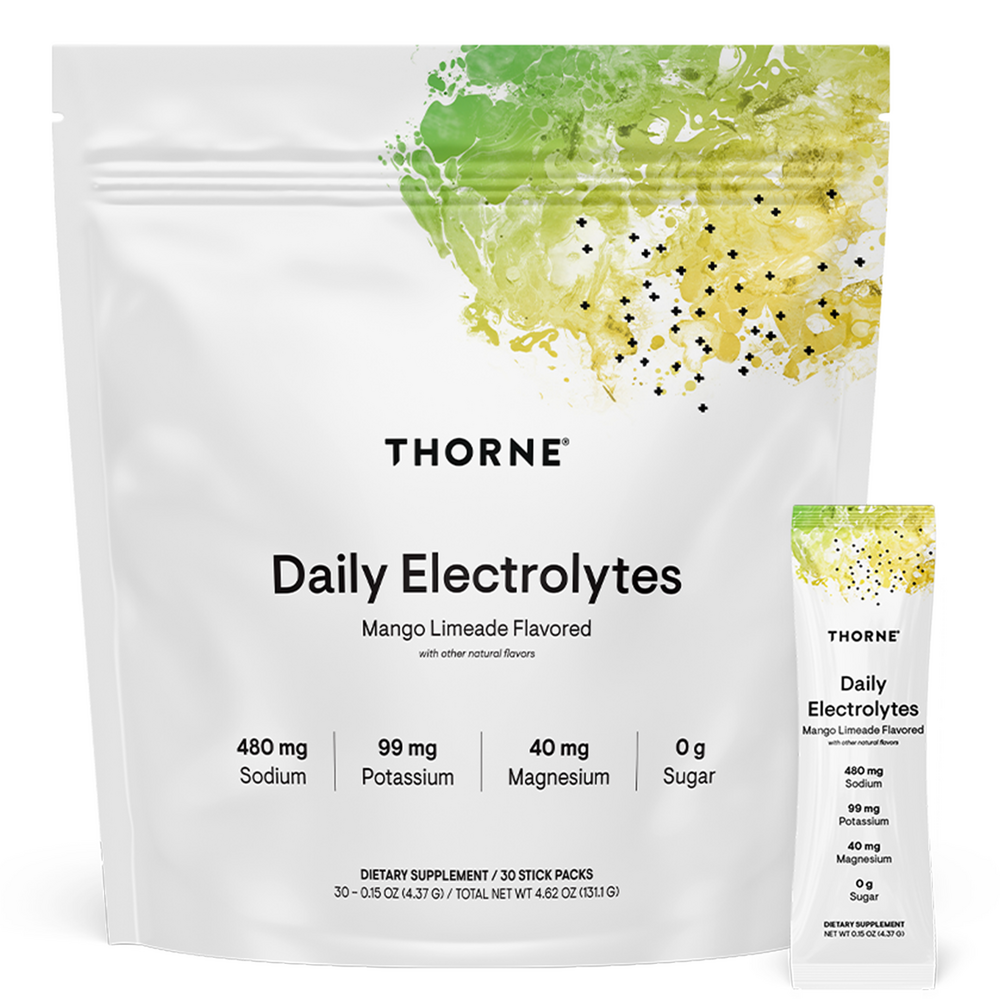
Daily Electrolytes Mango Limeade
Thorne
30 packets
$40.00$36.00 with Subscribe & Save
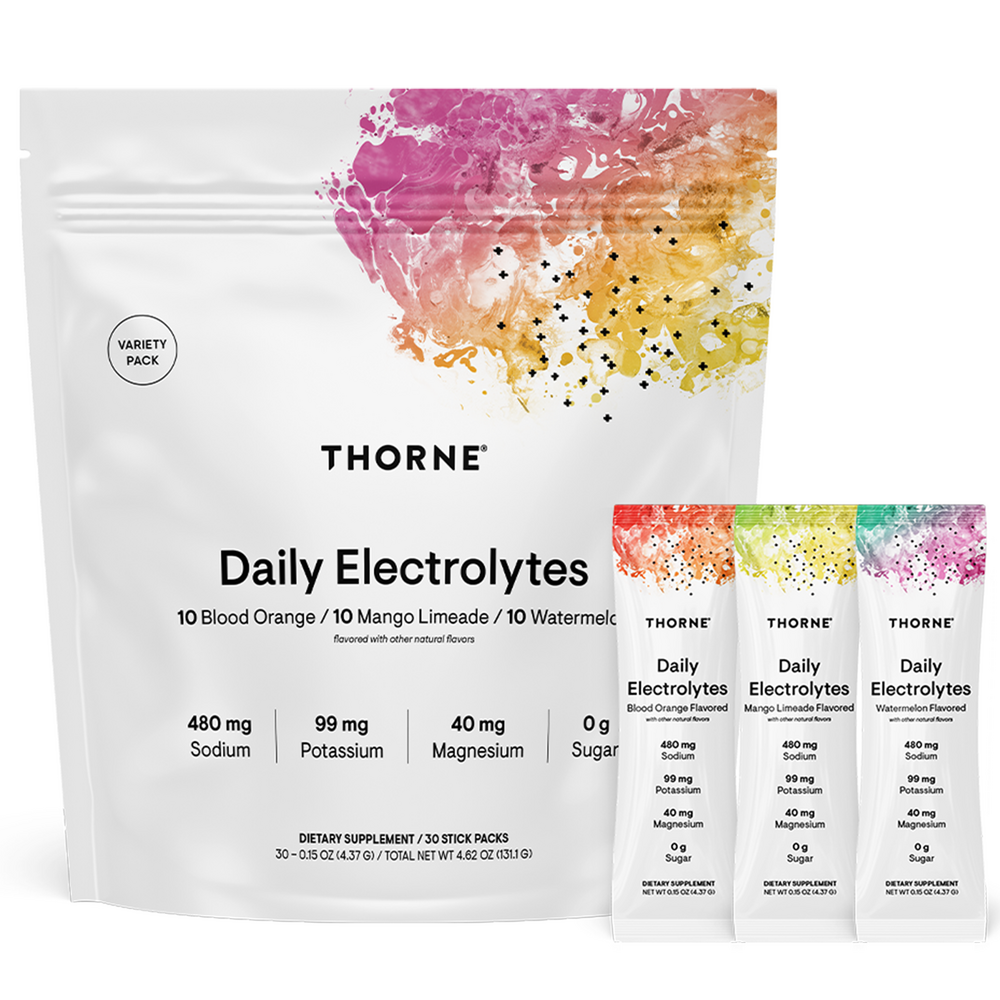
Daily Electrolytes Variety Pack
Thorne
30 packets
$40.00$36.00 with Subscribe & Save
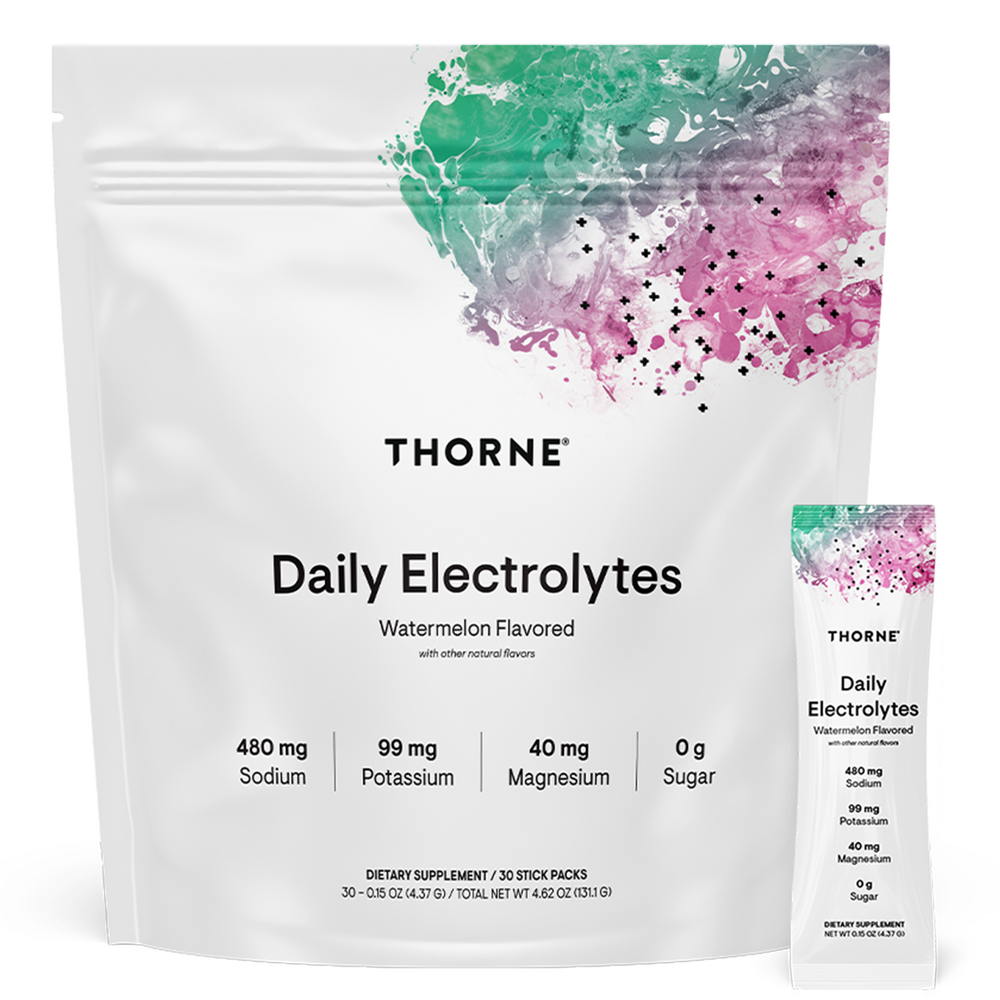
Daily Electrolytes Watermelon
Thorne
30 packets
$40.00$36.00 with Subscribe & Save
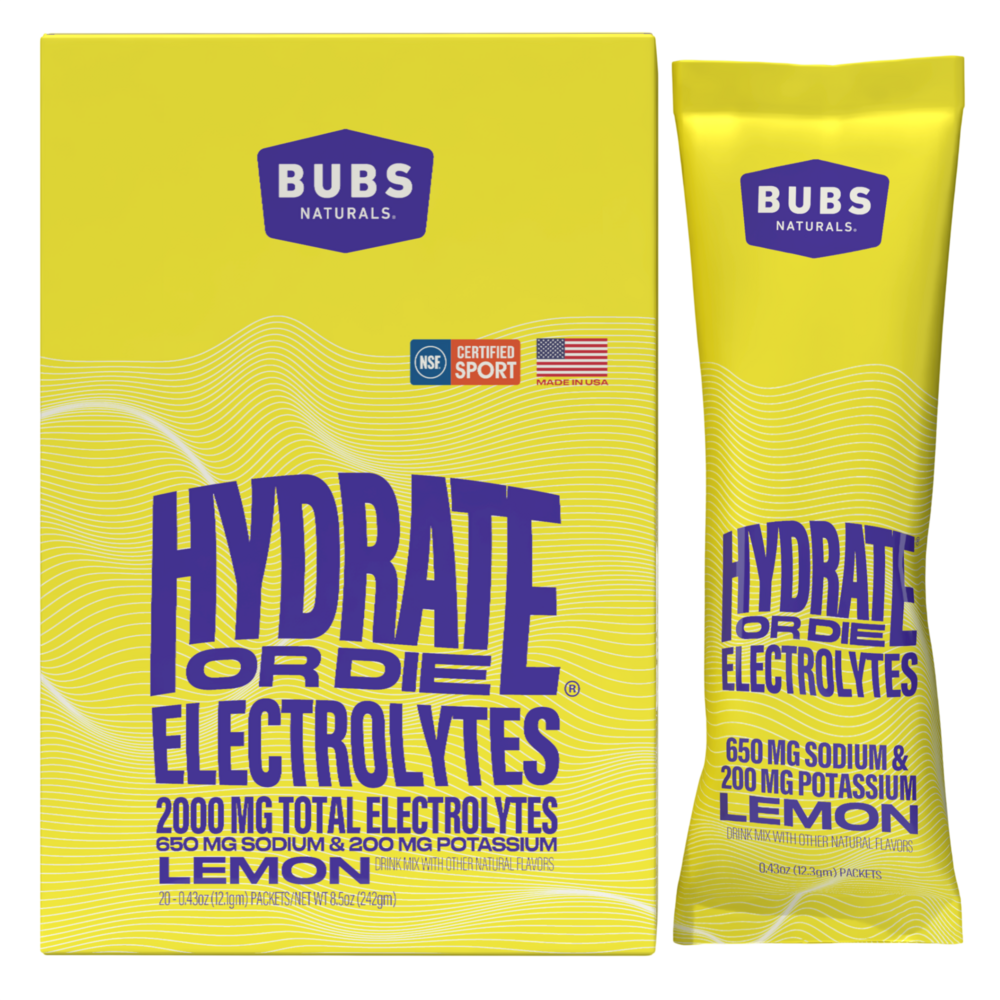
Hydrate or Die Electrolytes Lemon
Bubs Naturals
20 packets
$37.99$29.99 with Subscribe & Save