 Instalab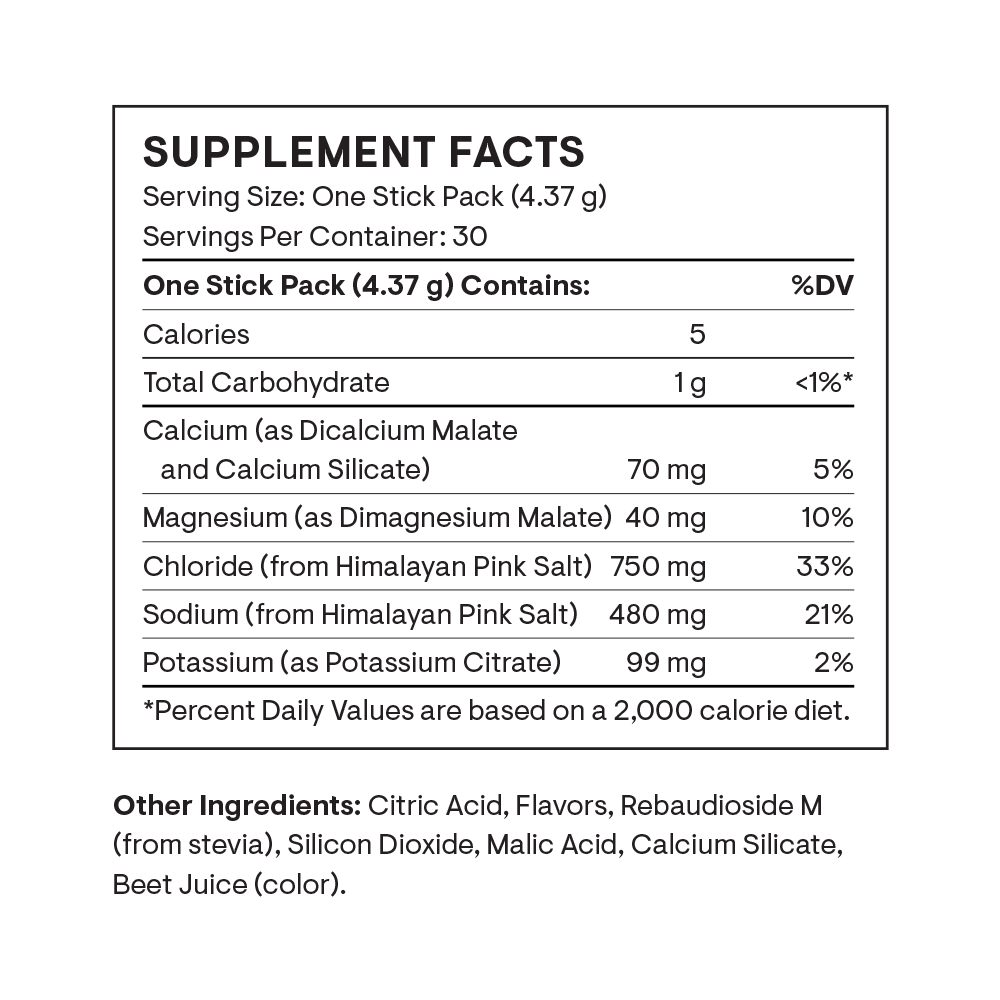


Thorne
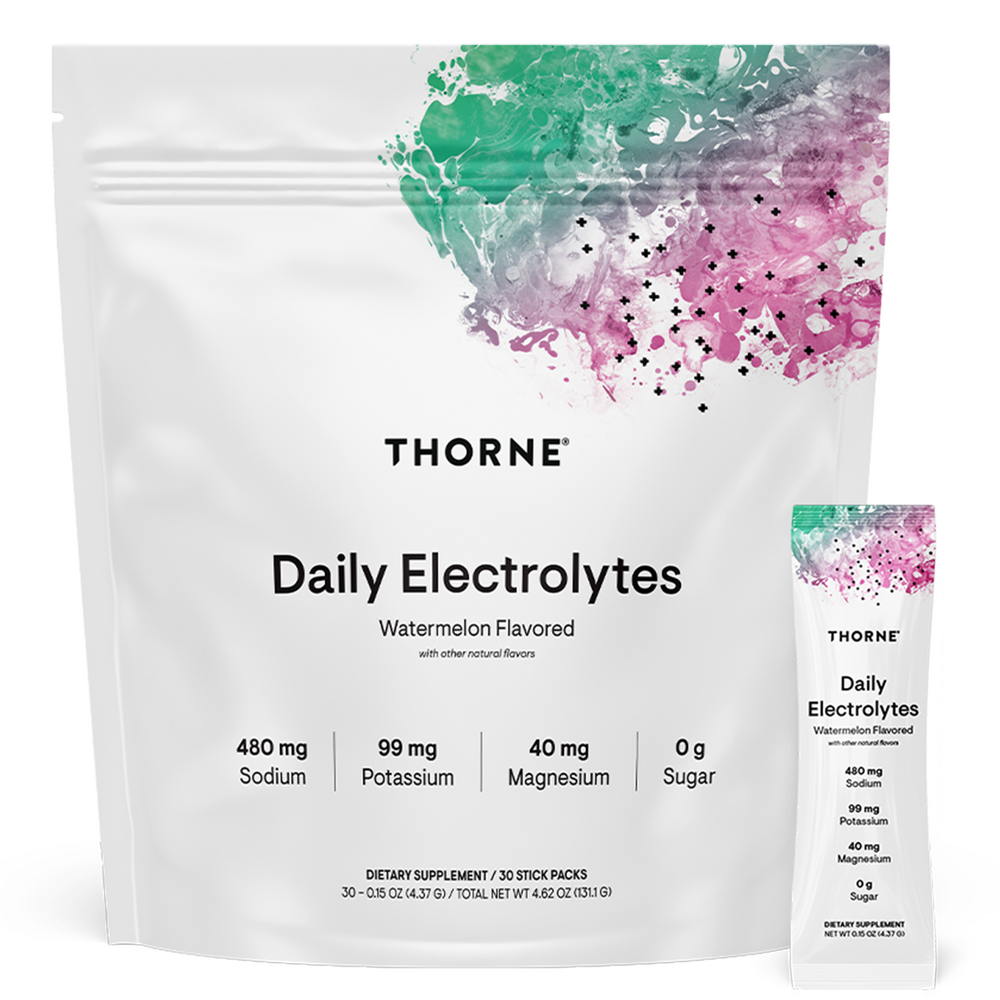
Daily Electrolytes Watermelon by Thorne
30 packets · 30-day supply
Hydration Support with Essential Electrolytes for Optimal Performance$40.00
Purchase options
Practitioner-grade brand3rd-party testedFree shipping $50+
Gluten Free·Soy Free·Dairy Free
Thorne Daily Electrolytes Watermelon overview
Hot-weather runners, indoor cyclists, and anyone who finishes workouts with salt on their skin get the most from this electrolyte powder. One packet delivers 480 mg sodium and 750 mg chloride to replace what sweat takes with it. It also suits low-carb or ketogenic eaters who urinate more salt, and people who feel lightheaded on standing. If your Basic Metabolic Panel shows low-normal sodium or chloride, targeted replacement like this is practical.
Sodium and chloride pull water into the bloodstream, maintaining plasma volume so heart rate and temperature control stay stable during effort. Potassium (99 mg here) and magnesium (40 mg as dimagnesium malate, a gentler form on the gut) help nerves fire and muscles contract. Cramps are multifactorial; when they’re driven by salt loss, replacing sodium often helps within the same session. For diarrhea-related dehydration, use a true oral rehydration solution that includes glucose.
Mix one stick with at least 12 oz water before or during training, or anytime you’re sweating in heat. For sessions over 60–90 minutes, pair it with carbohydrates for energy since this formula is zero sugar. Heavy sweaters can use 1–3 packets across a long event, spacing doses with fluid. Lab-minded athletes can match intake to sweat testing; otherwise use thirst, body weight change, and urine color as guides.
If you’re on a sodium-restricted plan, have heart failure, kidney disease, or resistant high blood pressure, discuss added sodium with your clinician. People on diuretics, ACE inhibitors, ARBs, or spironolactone can see potassium shifts—monitor a Basic Metabolic Panel or Magnesium, RBC if you supplement broadly. For recurrent vomiting, severe diarrhea, or heat illness, seek medical care rather than relying on a sports-oriented electrolyte powder.
Frequently asked questions
How many electrolyte packets can I take in a day?
Most active adults use 1–3 packets on heavy training or hot days, guided by sweat rate and thirst. Each packet has 480 mg sodium; keep total daily sodium in mind if you also salt food or use other sports products.
Does this electrolyte powder have sugar or carbs?
No, it’s zero sugar and essentially zero calories. That’s ideal for hydration without energy, but for workouts over 60–90 minutes you should add carbohydrates from food or a separate drink to maintain performance.
Will electrolyte drinks help with muscle cramps?
Sometimes. If cramps are driven by salt loss, replacing sodium can help quickly. Cramps also stem from neuromuscular fatigue, pacing, and conditioning, so electrolytes are one tool, not a guaranteed fix.
Is electrolyte powder safe with high blood pressure?
Be cautious. Each packet adds 480 mg sodium. If you have high blood pressure or you’re salt-sensitive, talk with your clinician and consider checking a Basic Metabolic Panel to track response.
Can I use this while fasting or on keto?
Yes. It’s calorie-free and helps replace sodium lost through increased urination common with low-carb or fasting. Many people feel better energy and fewer “keto flu” symptoms when they keep salt up.
What’s different about magnesium malate in this mix?
Magnesium malate is generally gentler on the stomach than oxide and is well absorbed. The dose here is modest (40 mg), meant for neuromuscular function during activity rather than full magnesium repletion.
Is this the same as an oral rehydration solution (ORS)?
No. An ORS includes glucose to drive water and sodium absorption in the gut for illness-related dehydration. This is a zero-sugar sports hydration mix for sweat losses during exercise or heat.
Can I take this with a separate magnesium supplement?
Yes, but add up your total daily magnesium to avoid diarrhea. If you use higher-dose magnesium regularly, consider checking Magnesium, RBC to gauge status and adjust dosing.
How to take it & ingredients
Suggested use: Mix 1 stick pack with at least 12 ounces of water daily or as recommended by your health-care practitioner.
Active ingredients
1 packet = 4.37 grams per serving · 30 servings
Calcium
Dicalcium Malate, Calcium Silicate
Dicalcium Malate, Calcium Silicate
70 mg
Magnesium
Dimagnesium Malate
Dimagnesium Malate
40 mg
Chloride
Himalayan Pink Salt
Himalayan Pink Salt
750 mg
Sodium
Himalayan Pink Salt
Himalayan Pink Salt
480 mg
Potassium
Potassium Citrate
Potassium Citrate
99 mg
Other ingredients: Citric Acid, Flavors, Rebaudioside M (from stevia), Silicon Dioxide, Malic Acid, Calcium Silicate, Beet Juice (color)
Certifications
Benefits
Warnings
Customers also considered
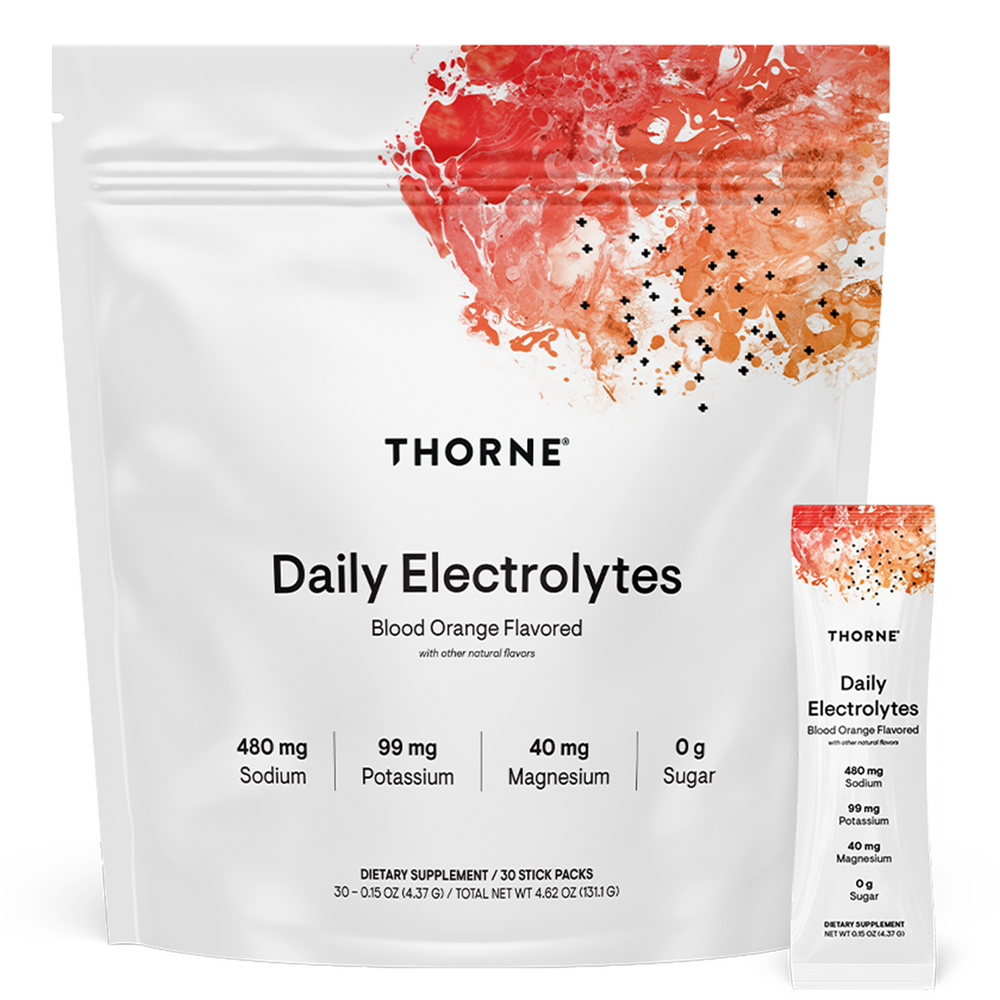
Daily Electrolytes Blood Orange
Thorne
30 packets
$40.00$36.00 with Subscribe & Save
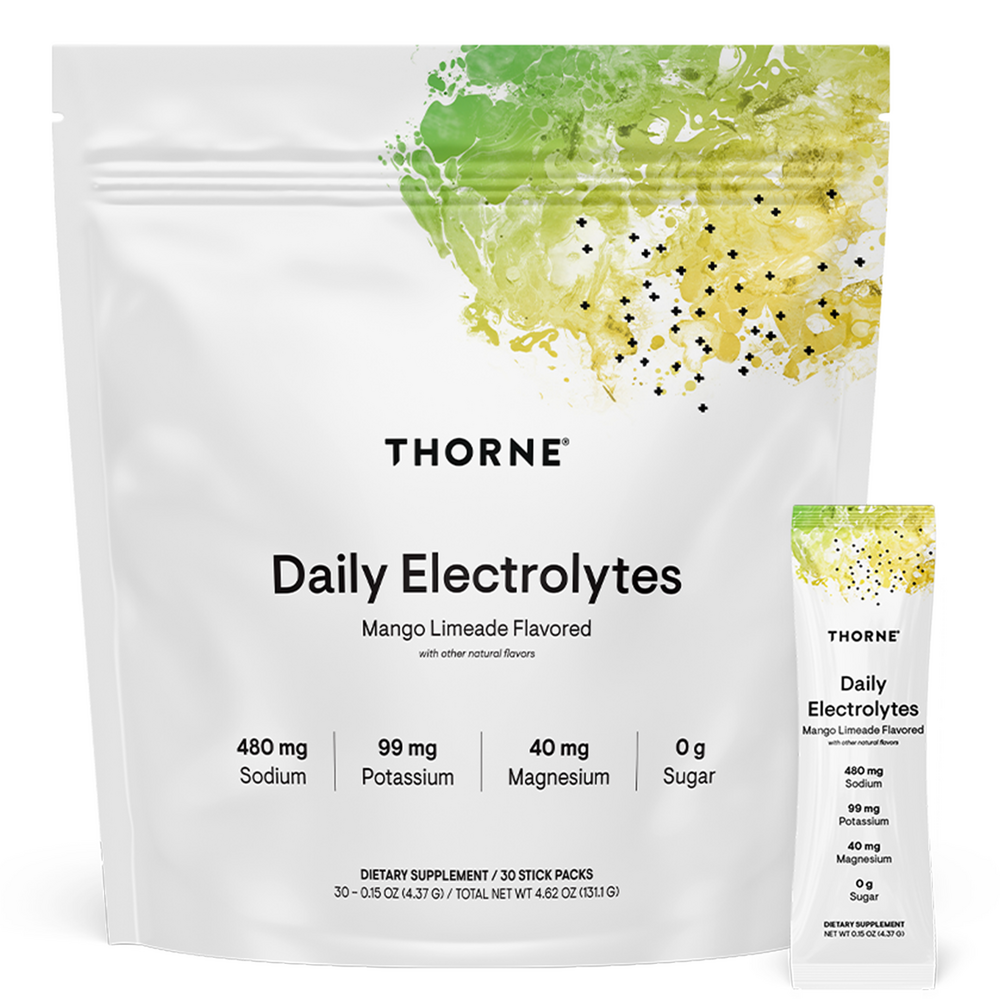
Daily Electrolytes Mango Limeade
Thorne
30 packets
$40.00$36.00 with Subscribe & Save
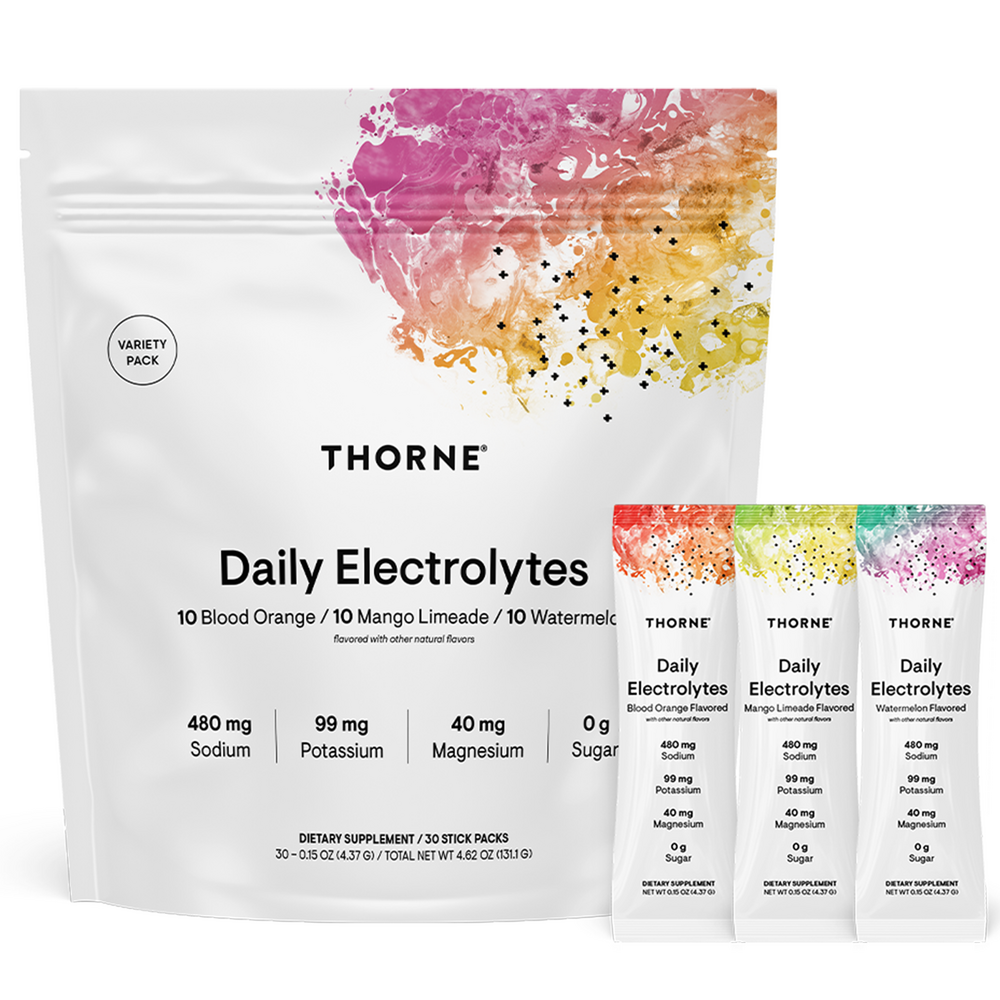
Daily Electrolytes Variety Pack
Thorne
30 packets
$40.00$36.00 with Subscribe & Save
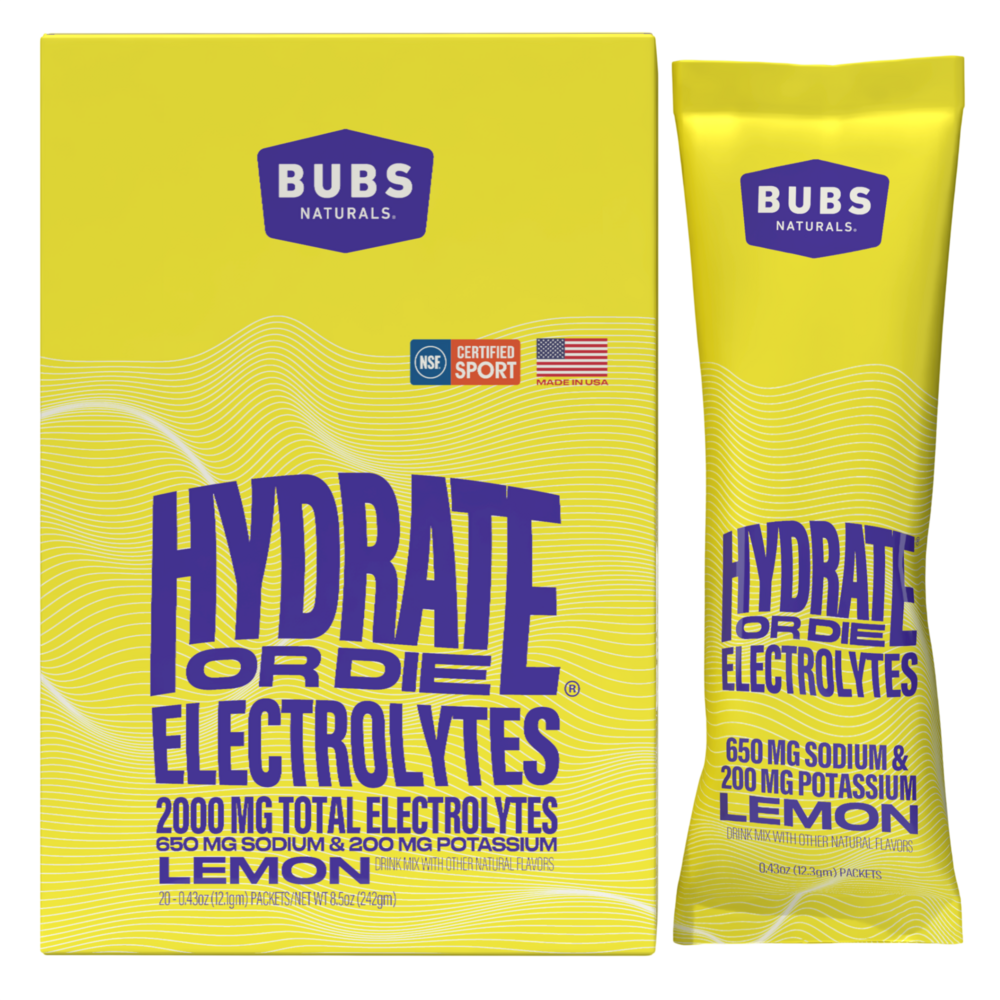
Hydrate or Die Electrolytes Lemon
Bubs Naturals
20 packets
$37.99$29.99 with Subscribe & Save