 Instalab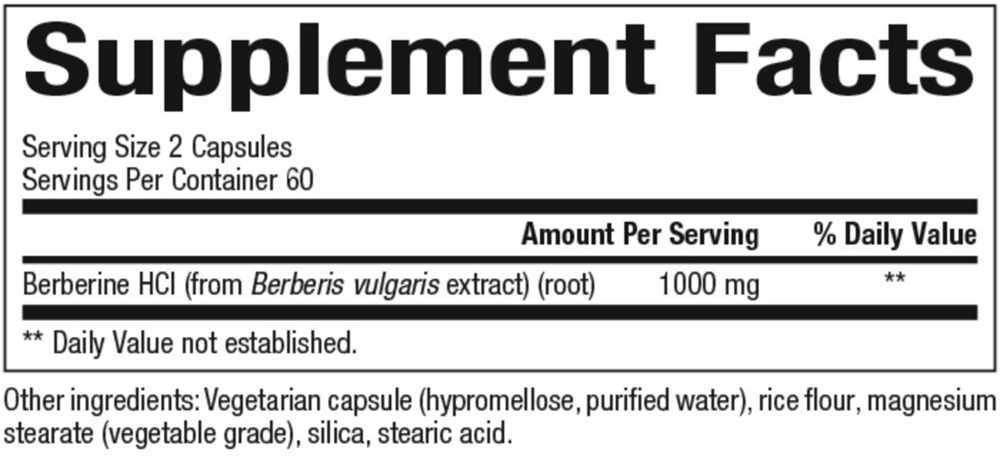

Natural Factors
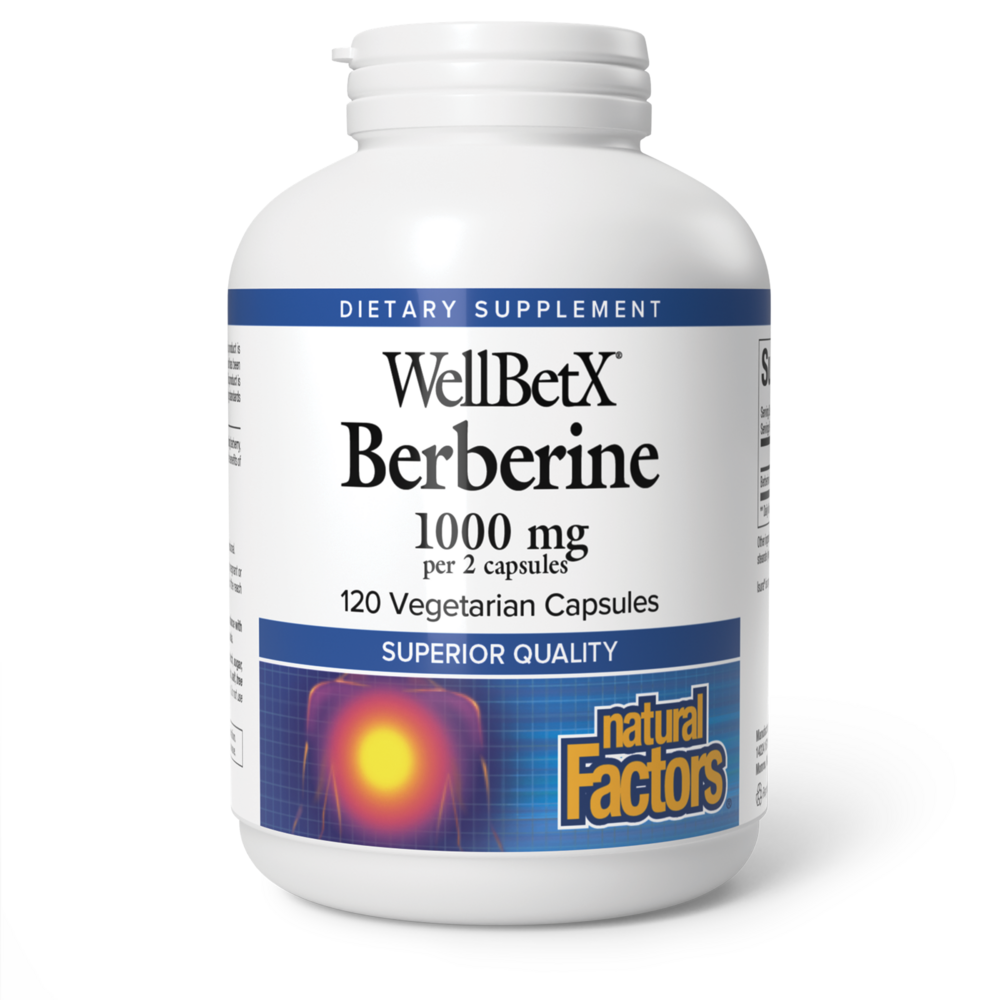
WellBetX Berberine 500 mg by Natural Factors
120 capsules · 120-day supply
Supports Healthy Metabolism and Blood Sugar Levels$49.99
Purchase options
Practitioner-grade brand3rd-party testedFree shipping $50+
Vegan·Vegetarian·Gluten Free·Soy Free·Dairy Free·Egg Free·
Natural Factors WellBetX Berberine 500 mg overview
If you’re tracking Hemoglobin A1c and fasting glucose and they’re running high, berberine for blood sugar is one of the few supplements with drug‑level data. It fits adults with insulin resistance, early type 2 diabetes, or elevated triglycerides who want an adjunct to diet and exercise. Expect modest, real effects: A1c often drops about 0.5–1.0% and triglycerides 15–25% within 8–12 weeks. If A1c is markedly high, use this alongside prescribed therapy, not instead of it.
Berberine activates AMPK, the cell’s energy sensor that pulls glucose into muscle and turns up fat burning, which lowers fasting glucose and improves insulin sensitivity. It reduces liver glucose output and slows carbohydrate absorption in the gut, blunting post‑meal spikes you’ll see on a glucose log. Over time, those shifts show up on labs: better A1c, lower triglycerides, and sometimes small drops in ALT (a liver enzyme linked to fatty liver). Inflammation markers like hs‑CRP can improve in responders.
Natural Factors WellBetX Berberine 500 mg is dosed at one capsule twice daily with meals. Starting with once daily for a week helps minimize GI upset, then step up. Glucose changes often appear within 2–4 weeks; A1c and triglycerides need 8–12 weeks. Pairing berberine with a higher‑fiber, protein‑forward meal pattern moves results faster than taking it alone. If you need more aggressive lipid lowering, dedicated fish oil or prescription therapy is more reliable.
Berberine can raise levels of drugs cleared by CYP3A4 or P‑glycoprotein (the liver and gut pumps that move medicines out), including cyclosporine, tacrolimus, and some statins like simvastatin. If you’re on insulin or sulfonylureas, monitor for low glucose and consider dose adjustments with your clinician. Pregnancy and breastfeeding: avoid. Infants and young children: avoid. If your ALT is very high or you have active liver disease, get clinician guidance and repeat labs (ALT, AST, A1c, fasting insulin) during use.
Frequently asked questions
What does berberine do for blood sugar?
It improves insulin sensitivity and reduces liver glucose output, which lowers fasting glucose and A1c over 8–12 weeks. Many see smaller post‑meal spikes, too. It’s an adjunct to diet, sleep, and exercise, not a replacement for prescribed diabetes therapy.
How long does berberine take to work?
You can see fasting glucose changes in 2–4 weeks. A1c and triglycerides typically move in 8–12 weeks because those markers reflect longer time windows. Re‑check labs after three months to judge response.
Is berberine as effective as metformin?
In small studies, A1c reductions are in the same ballpark for some patients, but metformin remains first‑line therapy with far more safety data. Use berberine as an add‑on if your clinician agrees, not as a substitute for a prescribed drug.
When should I take berberine, with or without food?
Take it with meals to reduce stomach upset and to align with post‑meal glucose handling. Splitting the daily amount into two doses keeps blood levels steadier and is better tolerated.
Does berberine help with cholesterol or triglycerides?
Yes, triglycerides commonly drop 15–25% within 8–12 weeks. LDL cholesterol changes are smaller and variable. If your primary goal is triglyceride reduction, combining berberine with omega‑3 fish oil is often more effective.
What are common side effects of berberine?
The most common are GI issues: constipation, cramping, or loose stools, especially at the start. Taking it with food and titrating from once daily helps. Rarely, it can lower blood sugar too much if combined with insulin or sulfonylureas.
Which drugs interact with berberine?
It can increase levels of medicines moved by CYP3A4 or P‑glycoprotein, such as cyclosporine, tacrolimus, and some statins (simvastatin, lovastatin). If you take these, or insulin/secretagogues, involve your clinician and monitor closely.
How to take it & ingredients
Suggested use: Take 1 capsule 2 times per day or as directed by a health professional.
Active ingredients
1 capsule per serving · 120 servings
Berberine
Berberine Hydrochloride (from Berberis vulgaris extract, root)
Berberine Hydrochloride (from Berberis vulgaris extract, root)
500 mg
Other ingredients: Vegetarian capsule (carbohydrate gum [cellulose]), Purified water, Microcrystalline cellulose, Magnesium stearate (vegetable grade), Stearic acid, Silica
Certifications
Benefits
Warnings