 Instalab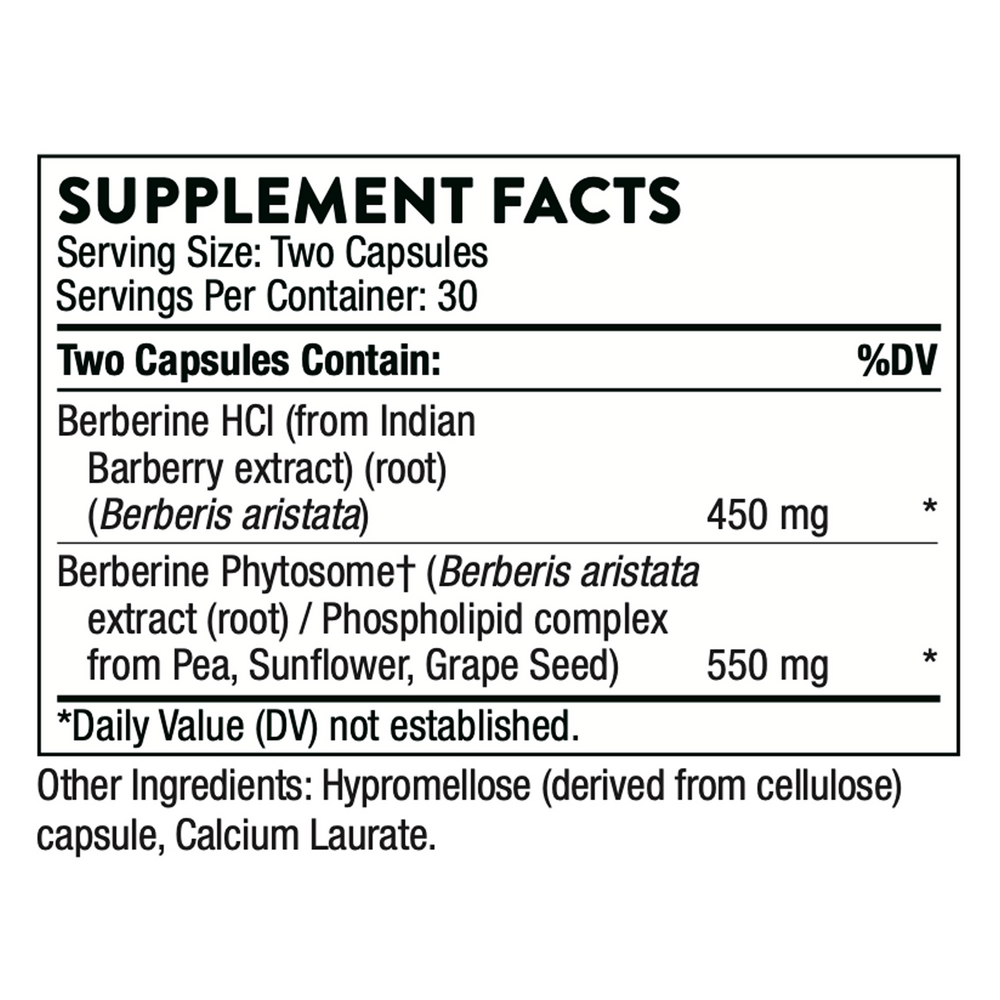


Thorne
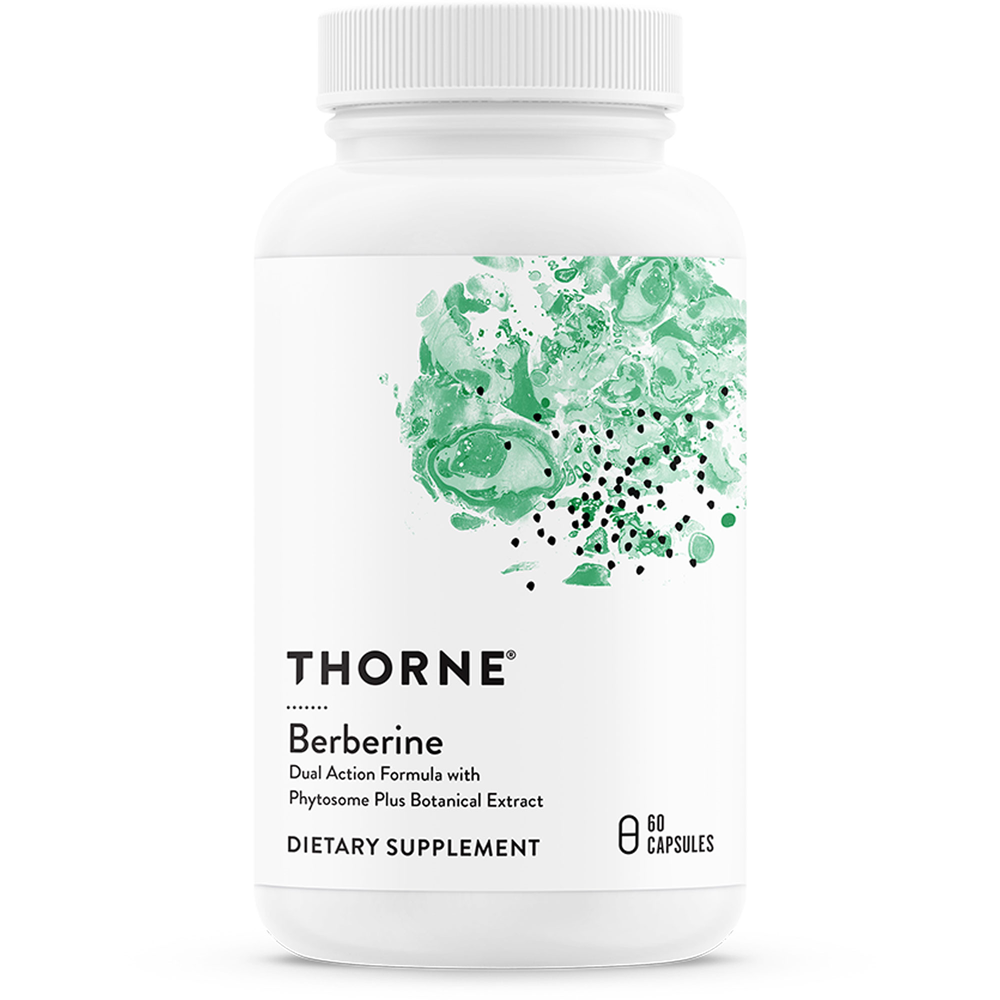
Berberine by Thorne
60 capsules
Supports Healthy Blood Sugar Levels and Metabolic Function$44.00
Purchase options
Practitioner-grade brand3rd-party testedFree shipping $50+
Gluten Free·Soy Free·Dairy Free·Milk Free
Thorne Berberine overview
If you are looking at berberine for blood sugar, this fits adults with an elevated A1c (Hemoglobin A1c, your 3‑month average blood sugar) or higher fasting glucose who want a non-prescription nudge while they work on diet and activity. It is also useful if your fasting insulin is high, your Triglycerides run up with carbs, or you have features of metabolic syndrome. Vegans and those avoiding bitter botanicals in food often find capsules easier. If your A1c is very high or you already use diabetes medications, add berberine only with clinician oversight.
Berberine activates AMPK (the cell’s fuel gauge that shifts the body toward burning rather than storing), which lowers how much glucose the liver releases and improves how muscles take up sugar. It also slows carbohydrate breakdown in the gut and modulates gut bacteria, which together blunt post‑meal glucose spikes. In clinical trials, berberine lowers A1c about 0.5–1.0% within 8 to 12 weeks, trims Triglycerides 15–25%, and modestly lowers LDL cholesterol. In responders, hs‑CRP (a systemic inflammation marker) can drop slightly, reflecting better metabolic control rather than a direct anti‑inflammatory drug effect.
Take 1–2 capsules twice daily with meals, as Thorne suggests. Splitting the dose with food reduces stomach upset and covers both daytime and evening glucose. This formula combines berberine HCl with a berberine phytosome (a phospholipid complex that improves absorption), so you often need fewer capsules than with plain powder to see the same lab changes. Expect fasting glucose to improve within 2–4 weeks and A1c after 8–12 weeks. If your numbers barely move after 12 weeks, reassess dose, adherence, and diet with your clinician.
Berberine can add to the glucose‑lowering effect of metformin, sulfonylureas, insulin, or GLP‑1 drugs, so monitor for low blood sugar and adjust meds with your prescriber. It inhibits P‑glycoprotein (a drug transporter), which can raise cyclosporine or tacrolimus levels; avoid this combination unless your transplant team is monitoring levels. Skip during pregnancy or breastfeeding because berberine can displace bilirubin in newborns. Common side effects are constipation, cramping, or loose stools; taking with food and titrating slowly helps.
Frequently asked questions
How long does berberine take to lower blood sugar?
Fasting glucose usually improves within 2–4 weeks, while A1c (your 3‑month average) takes 8–12 weeks to show a change. Keep dosing consistent with meals and recheck labs after 8–12 weeks.
Does berberine help with weight loss?
Modestly. In studies, weight change is small, often 2–5 pounds over 12 weeks, mainly from better insulin sensitivity and lower appetite. It is not a substitute for calorie control, protein intake, activity, and sleep.
Can I take berberine with metformin or a GLP-1?
Yes, but do it with your prescriber. Berberine can further lower glucose, so you may need medication adjustments and more frequent glucose checks to avoid hypoglycemia.
What’s the best time to take berberine?
With meals. Taking it at breakfast and dinner (or lunch and dinner) improves tolerability and blunts post‑meal spikes. Bedtime-only dosing is less useful for daytime glucose.
Is berberine safe long term?
Most trials run 3–6 months with good tolerability. For longer use, take periodic breaks or reassess every 3–6 months with A1c, fasting glucose, lipids, and liver enzymes, and review meds for interactions.
Does berberine lower cholesterol or triglycerides?
Triglycerides often fall 15–25% within 8–12 weeks, and LDL cholesterol can bump down modestly. If your primary goal is triglyceride reduction, also look at omega‑3 intake and limiting refined carbs.
Who should avoid berberine?
Avoid during pregnancy and breastfeeding, and be cautious if you take cyclosporine or tacrolimus due to drug level increases. Discuss with your clinician if you have liver disease or recurrent low blood sugar.
How to take it & ingredients
Suggested use: Take 1-2 capsules two times daily with food or as recommended by your health-care practitioner.
Active ingredients
2 capsules per serving
Berberine HCl
From Indian Barberry extract (root) (Berberis aristata)
From Indian Barberry extract (root) (Berberis aristata)
450 mg
Berberine Phytosome
Berberis aristata extract (root)/Phospholipid complex from Pea, Sunflower, Grape Seed
Berberis aristata extract (root)/Phospholipid complex from Pea, Sunflower, Grape Seed
550 mg
Other ingredients: Hypromellose (derived from cellulose) capsule, Calcium laurate
Certifications
Benefits
Warnings