 Instalab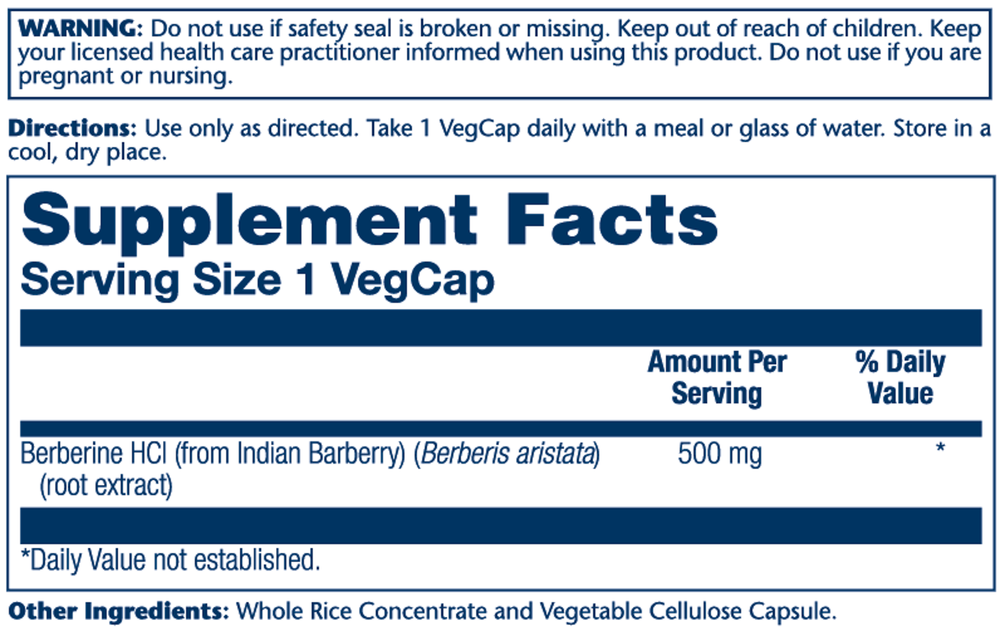

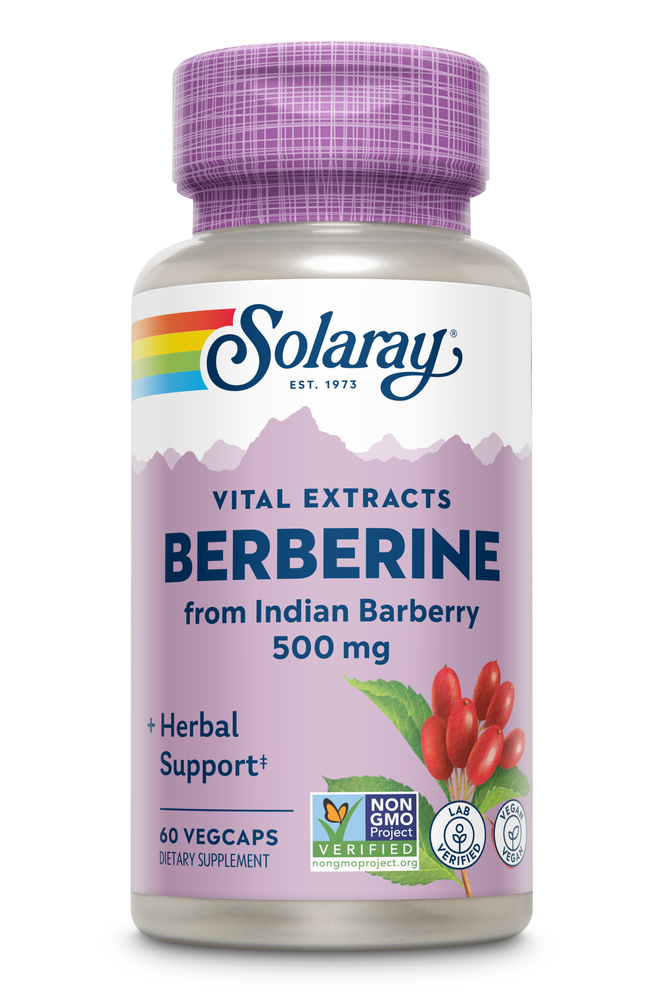
Solaray
Berberine 500 mg by Solaray
60 capsules · 60-day supply
Supports Healthy Blood Sugar Levels and Metabolic Function$29.99
Purchase options
Practitioner-grade brand3rd-party testedFree shipping $50+
Vegan·Vegetarian·Gluten Free·Soy Free·Dairy Free·Egg Free·
Solaray Berberine overview
If you’re searching for berberine for blood sugar, this fits adults with rising Hemoglobin A1c (your 3‑month average glucose), higher fasting glucose or fasting insulin, or triglycerides that run high. It’s also useful in insulin‑resistant PCOS and in those with fatty liver markers like ALT. Expect the biggest value if diet and exercise are in place but your labs still drift. If your A1c is substantially elevated, you’ll likely need a higher total daily dose under clinician guidance.
Berberine activates AMPK (an energy‑sensing switch that helps cells use glucose and fat more efficiently), which makes the liver produce less glucose and muscle take up more. It also slows carbohydrate breakdown in the gut and changes bile acid signaling (the messengers that guide sugar and fat handling). In trials, these shifts lower A1c within 8 to 12 weeks and cut triglycerides, with modest drops in hs‑CRP (a blood marker of inflammation) in some responders.
Solaray suggests one capsule daily with a meal or water. Clinically, berberine is often taken with meals to blunt post‑meal glucose, and many studies used 1,000–1,500 mg per day in divided doses. A practical approach is start at 500 mg with the largest meal for a week, then consider adding a second mealtime dose if tolerated. Mild nausea, constipation, or loose stools usually settle after 3–7 days. Recheck Hemoglobin A1c, fasting insulin, and triglycerides after 8–12 weeks.
Use caution with insulin or sulfonylureas (glipizide, glyburide), as berberine can further lower glucose. It can raise levels of certain drugs by inhibiting CYP3A4 and P‑gp (liver and gut transport systems), notably cyclosporine and tacrolimus. Avoid in pregnancy and breastfeeding, and never give to infants (it can displace bilirubin, the pigment that, at high levels, harms the brain). If you’re on multiple prescriptions, especially transplant or heart meds, clear this with your clinician.
Frequently asked questions
How long does berberine take to lower blood sugar?
Most people see fasting glucose and post‑meal readings improve within 2–4 weeks, with Hemoglobin A1c moving meaningfully by 8–12 weeks. Check labs after a full 8–12‑week trial at a stable dose.
Can I take berberine with metformin?
Yes, but do it under medical supervision. The combo can add up on glucose lowering and gastrointestinal side effects. Monitor for low blood sugar and reassess A1c and fasting glucose after 8–12 weeks.
What time of day should I take berberine?
Take it with meals, especially your largest or highest‑carb meal, to blunt the post‑meal rise. If using more than one capsule daily, split doses across meals for better tolerance.
What are common side effects of berberine?
Upset stomach, constipation, or loose stools are the most common and usually ease within a week. Taking it with food and starting at 500 mg helps. Stop and discuss if you get persistent GI issues or hypoglycemia.
Does berberine help with weight loss?
In insulin‑resistant adults, berberine produces modest weight and waist reductions over 8–12 weeks, mainly by improving insulin sensitivity. It’s not a standalone fat burner; pair it with diet and activity.
Does berberine lower cholesterol or triglycerides?
Berberine reliably lowers triglycerides and produces small LDL reductions in many people. Recheck a lipid panel after 8–12 weeks. For major LDL reduction, diet, statins, or other agents may still be needed.
Is berberine safe long term?
Studies up to 6–12 months look reassuring when labs are monitored. Because it interacts with drug‑metabolizing enzymes, review any medication changes and re‑evaluate dosing periodically with your clinician.
Who should avoid taking berberine?
Avoid if pregnant, breastfeeding, or giving to infants. Use caution with transplant meds (cyclosporine, tacrolimus) and with insulin or sulfonylureas due to additive effects. When in doubt, ask your clinician.
How to take it & ingredients
Suggested use: Take one vegetable capsule daily with a meal or glass of water.
Active ingredients
1 capsule per serving · 60 servings
Berberine
Berberine HCl (from Indian Barberry, Berberis aristata root extract)
Berberine HCl (from Indian Barberry, Berberis aristata root extract)
500 mg
Other ingredients: Vegetable cellulose capsule, Whole rice concentrate
Certifications
Benefits
Warnings