 Instalab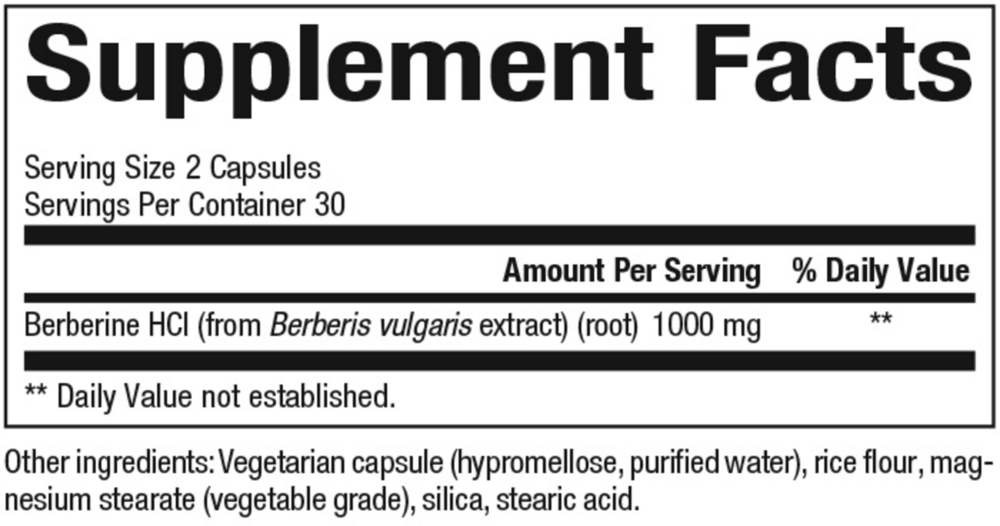

Natural Factors
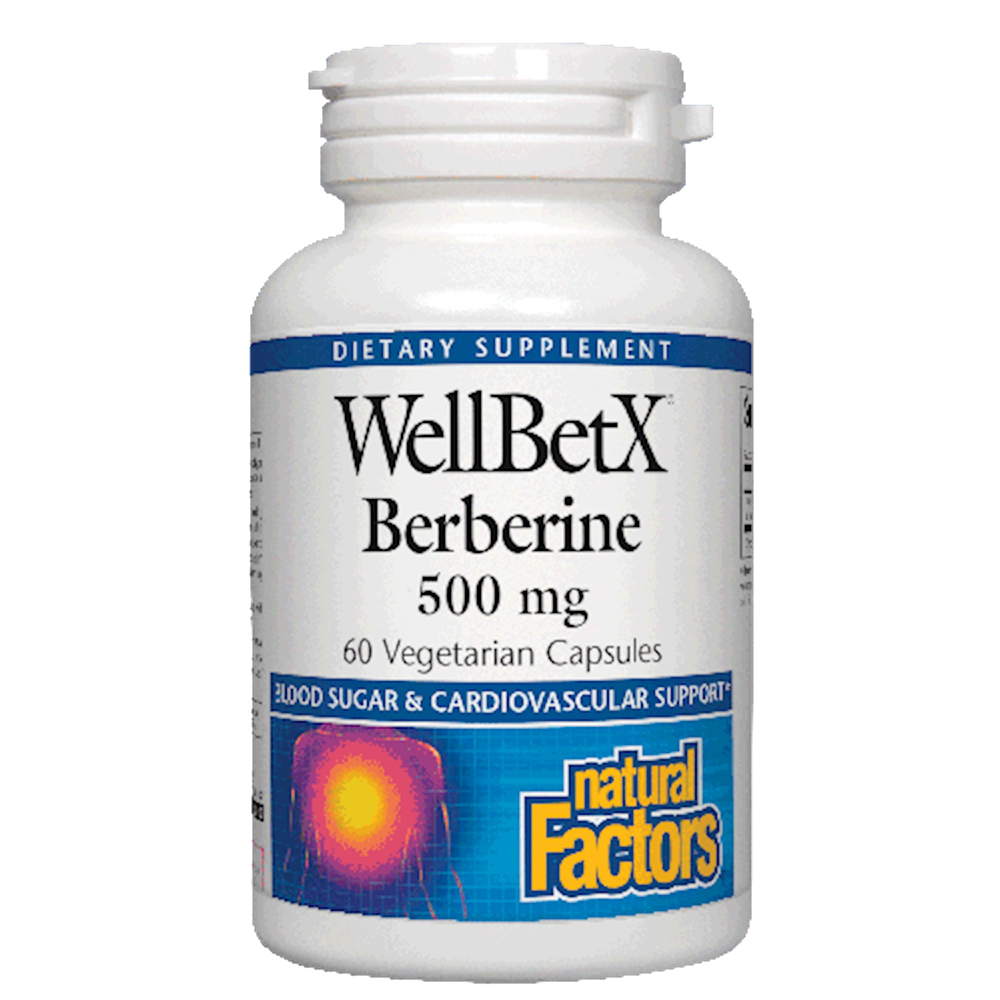
WellBetX Berberine 500 mg by Natural Factors
60 capsules · 60-day supply
Supports Healthy Blood Sugar Levels and Metabolic Function$28.99
Purchase options
Practitioner-grade brand3rd-party testedFree shipping $50+
Vegan·Vegetarian·Gluten Free·Soy Free·Dairy Free·Egg Free·
Natural Factors WellBetX Berberine 500 mg overview
If your Hemoglobin A1c (your 3‑month average blood sugar) or fasting glucose runs high, berberine is one of the few supplements with drug‑level data. It also fits adults with insulin resistance (elevated fasting insulin), high triglycerides, or fatty liver patterns on labs. Modest weight loss is typical over 8–12 weeks. If your A1c is only slightly elevated, 500 mg twice daily is a reasonable start; for clearly high A1c, many clinicians use 1,500 mg/day in divided doses for repletion, then step down.
Berberine activates AMPK, the cell’s energy sensor that nudges muscles and the liver to use glucose and fat more efficiently. That translates to less sugar output by the liver, better insulin signaling, and lower post‑meal spikes by slowing carbohydrate breakdown in the gut. In trials, people often see A1c drop about 0.5–1.0% and triglycerides fall 15–25% within 8–12 weeks. Inflammation markers like hs‑CRP (a blood test of systemic inflammation) can improve slightly in responders.
Take one 500 mg capsule twice daily with meals, as Natural Factors suggests. With food improves tolerance and targets post‑meal glucose. If you’re aiming for stronger A1c reduction and tolerate it well, some clinicians step to 500 mg three times daily. Expect early changes in fasting glucose within 1–2 weeks, with A1c and triglycerides moving meaningfully by 8–12 weeks. If loose stools occur, cut back to once daily for a week, then re‑titrate.
Combine cautiously with diabetes drugs (metformin, insulin, sulfonylureas), as glucose can drop too low. Berberine can raise levels of drugs moved by P‑glycoprotein and CYP3A4 (liver transport and enzyme systems), notably cyclosporine and tacrolimus—avoid unless your prescriber is monitoring levels. Skip during pregnancy and breastfeeding. If you have low blood pressure, recurrent low blood sugar, or significant liver disease, involve your clinician and track labs like A1c, fasting glucose, ALT, and triglycerides.
Frequently asked questions
How long does berberine take to lower blood sugar?
You’ll often see fasting glucose start to drop within 1–2 weeks. Hemoglobin A1c, which reflects 3 months, usually improves by 8–12 weeks. Keep the dose steady and recheck labs after a full 8–12 weeks to judge effect.
Can I take berberine with metformin or insulin?
Yes, but do it carefully. Berberine can add to the glucose‑lowering effect of metformin, insulin, and sulfonylureas, increasing hypoglycemia risk. Monitor home glucose closely and ask your prescriber if medication doses should be adjusted.
What’s the best time to take berberine?
Take it with meals, usually twice daily. With‑meal dosing improves stomach tolerance and blunts post‑meal glucose spikes. Spreading doses (2–3 times daily) keeps blood levels steadier than a single large dose.
Does berberine help with cholesterol or triglycerides?
Triglycerides commonly fall 15–25% within 8–12 weeks. LDL cholesterol changes are smaller and variable. Berberine is not a substitute for statins when those are indicated, but it’s useful when triglycerides are elevated.
What are common side effects of berberine?
The most common are gastrointestinal—loose stools, constipation, gas, or stomach cramping—especially at higher doses. Taking it with food and titrating up gradually usually fixes this. True allergic reactions are rare.
Is berberine safe long term?
Studies up to 6–12 months show good safety with routine labs. Because it can interact with drug‑metabolizing systems, review all medications with your clinician and recheck A1c, fasting glucose, liver enzymes, and lipids periodically.
Who should not take berberine?
Avoid during pregnancy or breastfeeding. Don’t use it with cyclosporine or tacrolimus unless your specialist is monitoring drug levels. Use caution if you’re prone to low blood sugar or have advanced liver disease.
How to take it & ingredients
Suggested use: Take 1 capsule 2 times per day or as directed by a health professional.
Active ingredients
1 capsule per serving · 60 servings
Berberine
Berberine Hydrochloride (from Berberis vulgaris extract, root)
Berberine Hydrochloride (from Berberis vulgaris extract, root)
500 mg
Other ingredients: Vegetarian capsule (carbohydrate gum [cellulose]), Purified water, Microcrystalline cellulose, Magnesium stearate (vegetable grade), Stearic acid, Silica
Certifications
Benefits
Warnings