 Instalab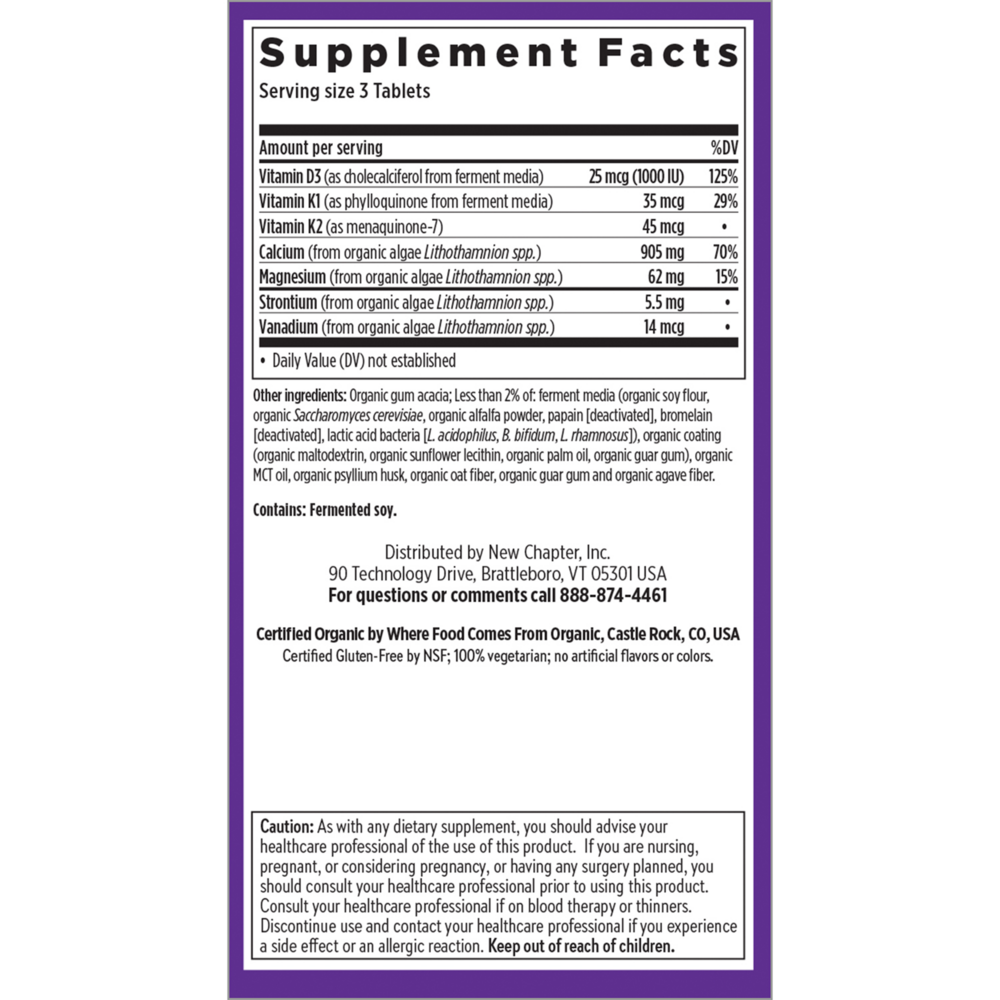

New Chapter
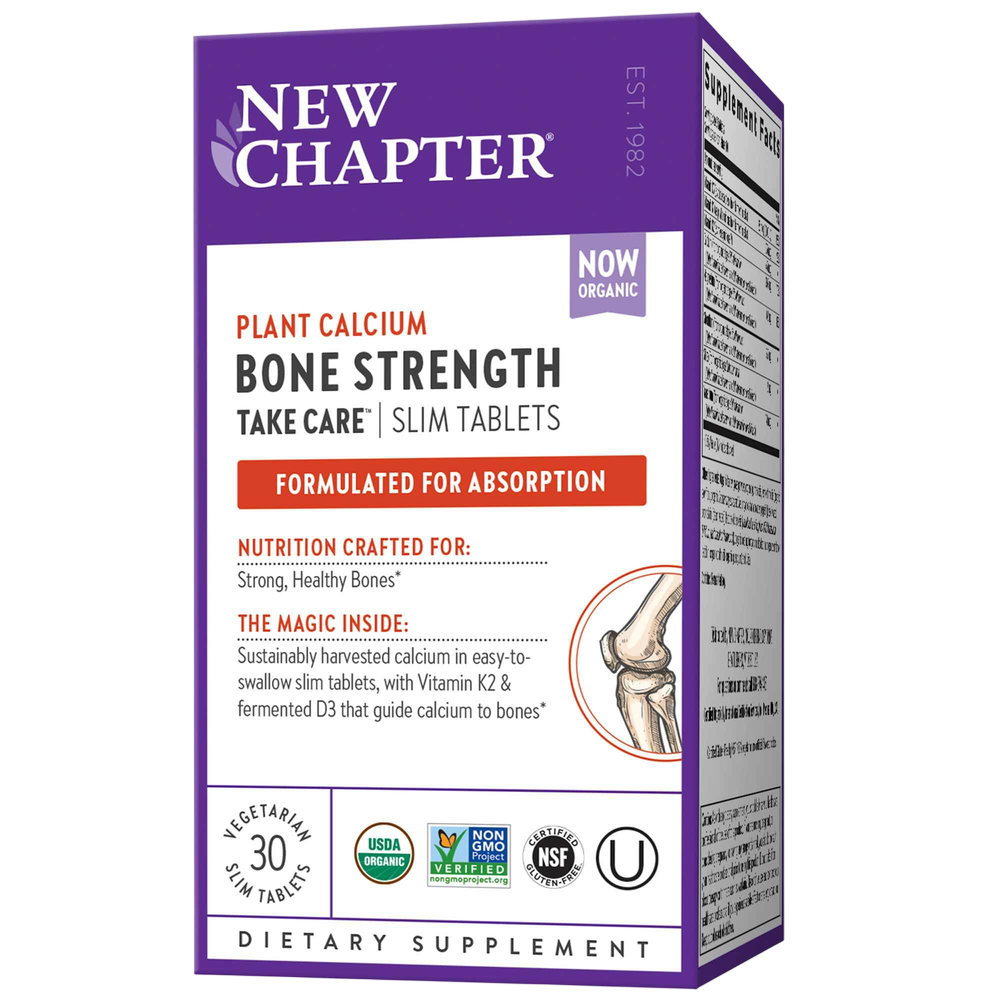
Bone Strength Take Care by New Chapter
30 tablets · 10-day supply
Comprehensive Support for Strong Bones and Healthy Aging$23.99
This item is currently out of stockGet notified when this item is back in stock
Practitioner-grade brand3rd-party testedFree shipping $50+
Vegetarian·Kosher·Gluten Free·Lactose Free·Artificial Color Free·Artificial Flavor Free
New Chapter Bone Strength Take Care overview
If your DEXA scan shows low bone density, or your diet is light on dairy or fortified foods, a calcium supplement with vitamin K2 and D3 fits. The 905 mg of algae calcium here is a practical maintenance dose for post‑menopausal women, vegans on restrictive diets, and long‑term proton pump inhibitor users who eat less calcium. Check Vitamin D, 25-Hydroxy first; if your level is low, this built‑in 1,000 IU helps, but true deficiency usually needs higher D3 separately.
Algae‑sourced calcium is a whole‑mineral complex from Lithothamnion, mainly calcium carbonate with trace magnesium and silica. Taken with food, it absorbs similarly to other carbonates and provides the raw material for bone. Vitamin D3 (cholecalciferol) increases calcium absorption and helps keep parathyroid hormone (the signal that pulls calcium from bone) in check. Vitamin K2 as MK‑7 activates osteocalcin (a bone‑binding protein) and matrix Gla protein (a protein that limits calcium deposits in arteries). Expect bone turnover markers like P1NP or CTX to shift within 8–12 weeks; DEXA changes take 6–12 months.
Take three tablets daily with food, ideally split as 2 with a meal and 1 with another meal for steadier absorption. Calcium competes with iron and zinc, so separate from iron or high‑zinc supplements by at least two hours. Hydrate and keep fiber up if you tend toward constipation. If you already eat 800–1,000 mg of calcium from food, consider taking fewer tablets and recheck intake rather than overshooting.
Space calcium at least four hours from levothyroxine, and two hours from tetracycline or quinolone antibiotics, bisphosphonates, or strontium ranelate due to absorption interference. Recurrent kidney stone formers should review a 24‑hour urine calcium before adding supplements. Skip or use only with clinician guidance if you have high blood calcium, sarcoidosis, hyperparathyroidism, or chronic kidney disease. For statin or warfarin users, K2 is generally compatible, but if you take warfarin, do not change vitamin K intake without prescriber input.
Frequently asked questions
Is algae calcium better than calcium citrate or carbonate?
Absorption is similar when taken with meals. Algae calcium brings small amounts of magnesium and silica, which some prefer, but the main driver of effect is total elemental calcium plus adequate vitamin D3 and K2. Choose the form you tolerate and will take consistently.
How long does calcium with vitamin K2 and D3 take to work?
Bone turnover markers like P1NP or CTX can shift in 8–12 weeks. Meaningful changes on a DEXA scan usually require 6–12 months. Consistent intake, adequate protein, resistance training, and sufficient Vitamin D, 25-Hydroxy levels matter as much as the pill.
Can I take this calcium with iron or a multivitamin?
Separate calcium from iron by at least two hours because they compete for absorption. If your multivitamin has iron, take the multivitamin at a different time of day than your largest calcium dose to avoid interference.
Does calcium cause constipation or bloating?
It can, especially at higher single doses. Taking it with meals, splitting doses across the day, drinking enough water, and keeping fiber intake steady usually solves this. If symptoms persist, consider reducing the dose or switching form.
Is calcium with K2 safe for heart health?
Total calcium intake should match your needs from diet plus supplements. Vitamin K2 activates proteins that help regulate where calcium goes, but evidence on heart outcomes is mixed. Avoid oversupplementing and discuss targets if you have coronary calcification.
Who should avoid calcium supplements?
Avoid or get medical guidance if you have high blood calcium, hyperparathyroidism, sarcoidosis, chronic kidney disease, or a history of recurrent calcium kidney stones. Review a 24‑hour urine calcium and serum calcium before adding more.
Can I take this with osteoporosis medicines?
Yes, but mind timing. Separate from oral bisphosphonates by at least two hours after the medication. Calcium and vitamin D3 are often co‑prescribed with bone drugs, while vitamin K2 is generally compatible. Confirm specifics with your prescriber.
What labs should I check while taking calcium?
Check Vitamin D, 25-Hydroxy to ensure adequate D3 status. In selected cases, PTH (parathyroid hormone) and serum calcium help assess balance. For stone formers, a 24‑hour urine calcium is useful. Use the same lab each time for comparability.
How to take it & ingredients
Suggested use: Take three tablets daily with food.
Active ingredients
3 tablets per serving · 10 servings
Vitamin D3
As cholecalciferol from ferment media
As cholecalciferol from ferment media
25 mcg
Vitamin K1
As phylloquinone from ferment media
As phylloquinone from ferment media
35 mcg
Vitamin K2
As menaquinone-7
As menaquinone-7
45 mcg
Calcium
From organic algae Lithothamnion (Lithothamnion calcareum & Lithothamnion corallioides)
From organic algae Lithothamnion (Lithothamnion calcareum & Lithothamnion corallioides)
905 mg
Magnesium
From organic algae Lithothamnion (Lithothamnion calcareum & Lithothamnion corallioides)
From organic algae Lithothamnion (Lithothamnion calcareum & Lithothamnion corallioides)
62 mg
Strontium
From organic algae Lithothamnion (Lithothamnion calcareum & Lithothamnion corallioides)
From organic algae Lithothamnion (Lithothamnion calcareum & Lithothamnion corallioides)
5.5 mg
Silica
From organic algae Lithothamnion (Lithothamnion calcareum & Lithothamnion corallioides)
From organic algae Lithothamnion (Lithothamnion calcareum & Lithothamnion corallioides)
2 mg
Vanadium
From organic algae Lithothamnion (Lithothamnion calcareum & Lithothamnion corallioides)
From organic algae Lithothamnion (Lithothamnion calcareum & Lithothamnion corallioides)
14 mcg
Other ingredients: Organic barley grass powder, organic gum acacia, ferment media (organic soy flour, organic Saccharomyces cerevisiae, organic alfalfa powder, papain (deactivated), bromelain (deactivated), lactic acid bacteria (Lactobacillus acidophilus, Bifidobacterium bifidum, Lactobacillus rhamnosus)), organic coating (organic maltodextrin, organic sunflower lecithin, organic palm oil, organic guar gum), silica
Certifications
Benefits
Warnings
Customers also considered
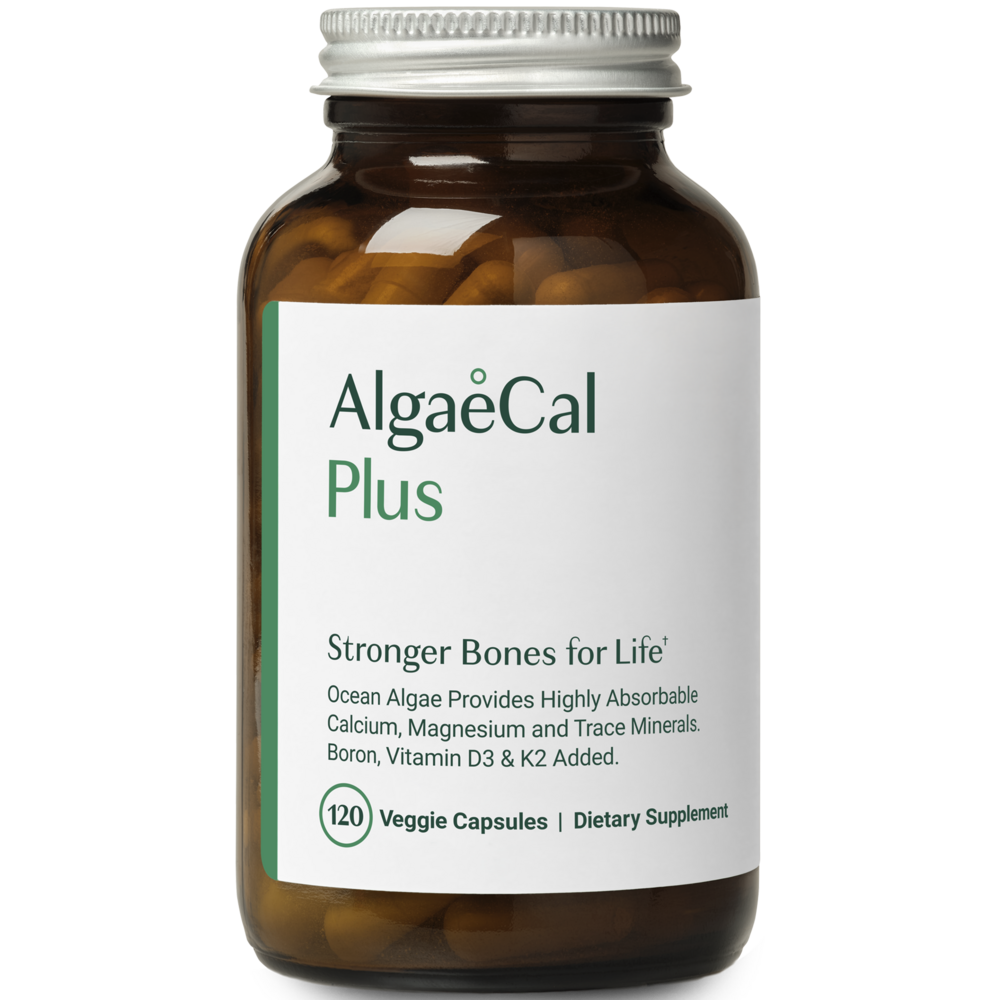
AlgaeCal Plus
AlgaeCal Inc.
120 capsules
$81.99Save 20% with Subscribe & Save
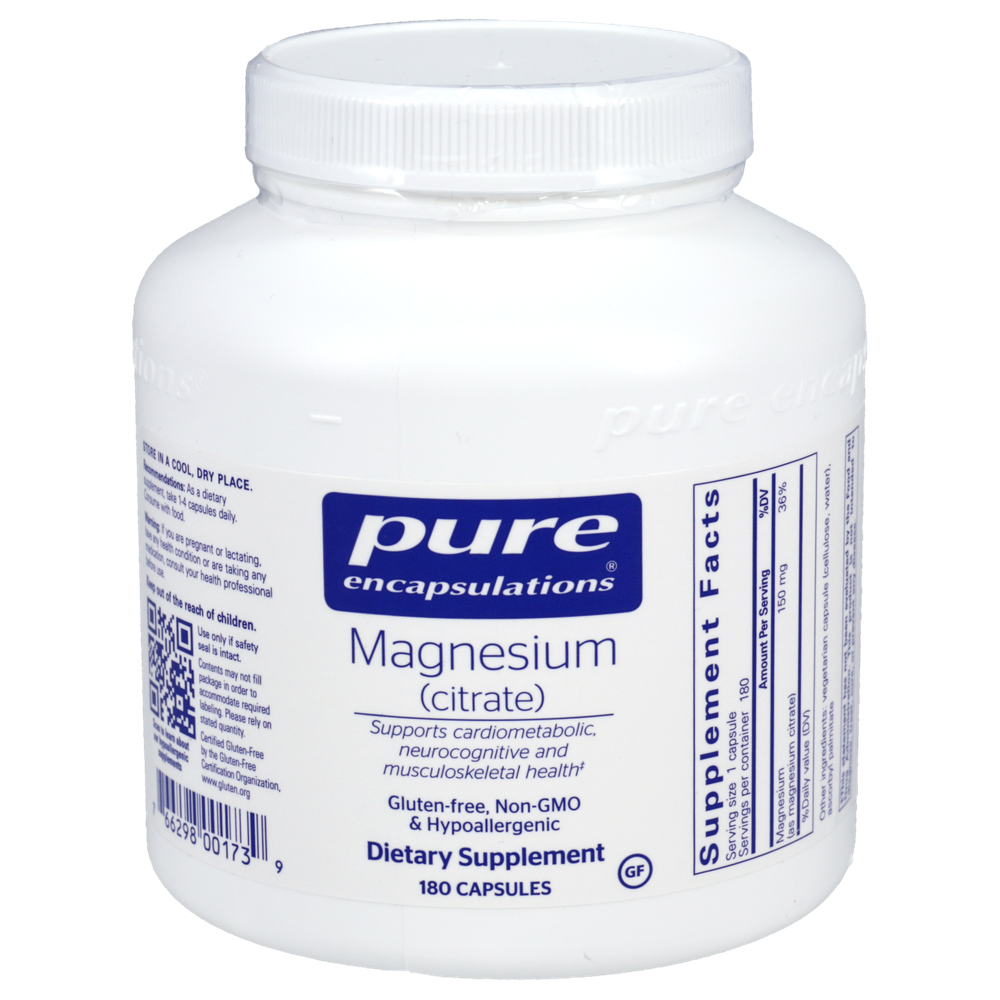
Magnesium Citrate
Pure Encapsulations
180 capsules
$34.50Save 19% with Subscribe & Save
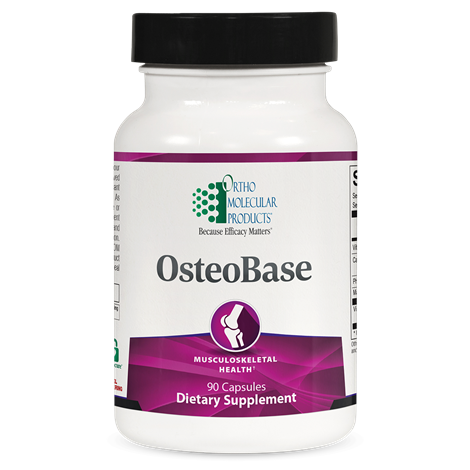
OsteoBase
Ortho Molecular Products
90 capsules
$39.68Save 10% with Subscribe & Save
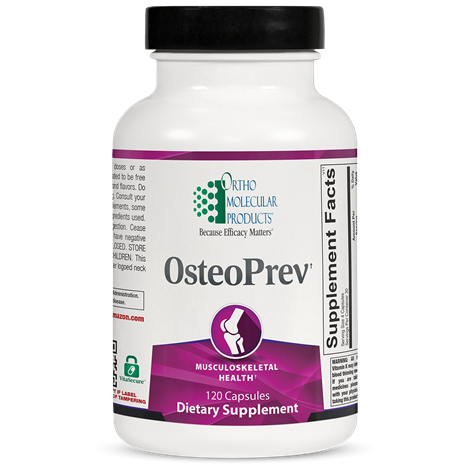
OsteoPrev®
Ortho Molecular Products
120 capsules
$86.19Save 10% with Subscribe & Save