 Instalab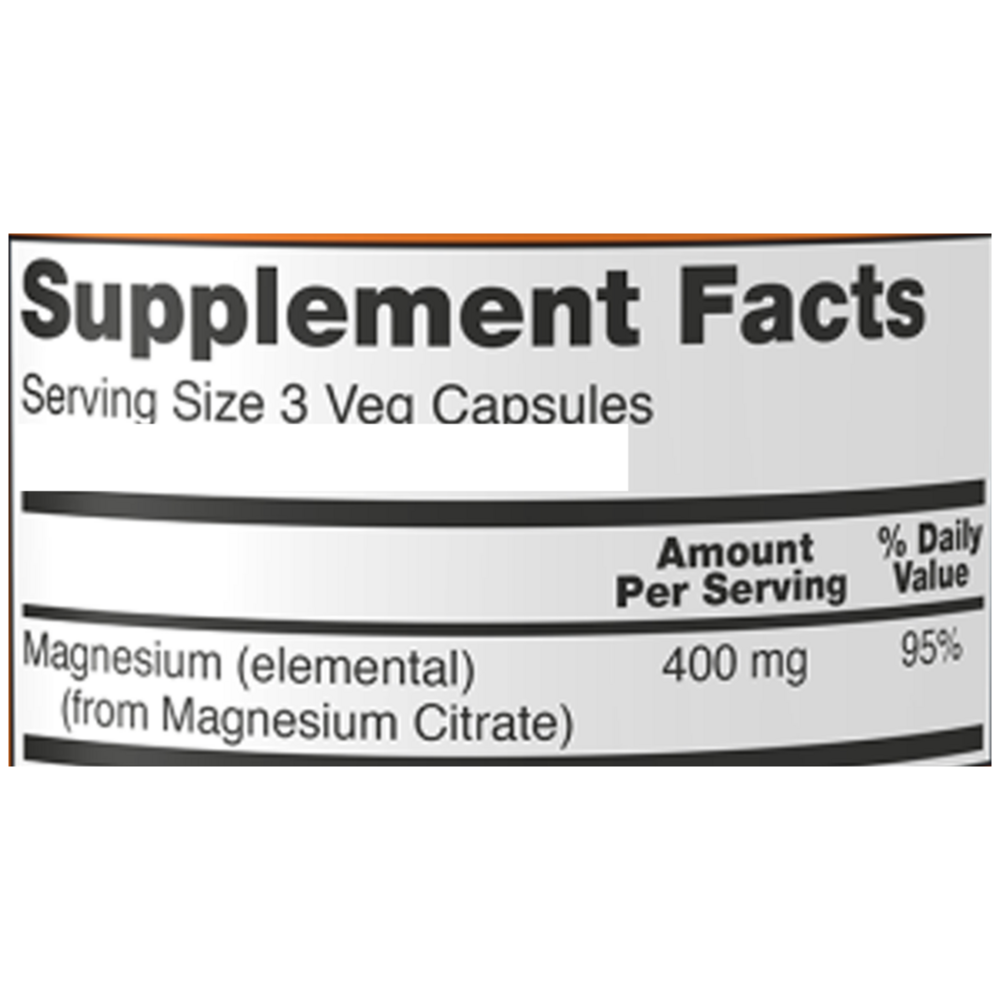



Now Foods
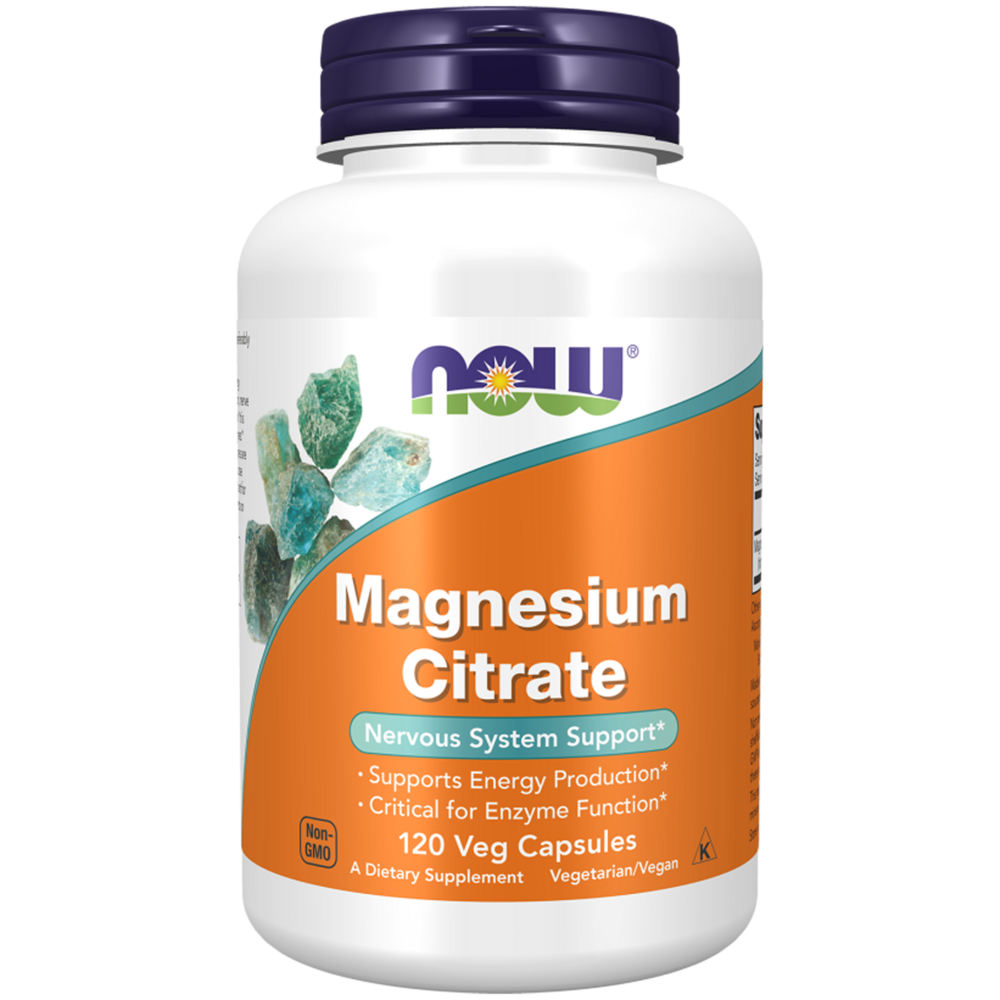
Magnesium Citrate 400 mg by Now Foods
120 capsules · 40-day supply
Essential Magnesium for Muscle Function, Energy Production, and Relaxation$19.99
Purchase options
Practitioner-grade brand3rd-party testedFree shipping $50+
Vegan·Vegetarian·Halal Certified·Kosher·Gluten Free·Soy Free·
Now Foods Magnesium Citrate overview
If you get muscle cramps, restless legs, or struggle with regularity, magnesium citrate 400 mg is a practical starting point. It suits people whose Serum Magnesium or RBC Magnesium (a red‑blood‑cell measure of tissue magnesium) is low or low‑normal, endurance athletes with heavy sweat loss, and high‑stress sleepers who grind or twitch at night. It’s also useful if you take proton‑pump inhibitors for reflux, which can lower magnesium over time. If constipation is your main issue, this form’s gentle loosening effect is often a plus.
Magnesium is the mineral that turns ATP (the cell’s energy currency) into its usable form, so low levels feel like low energy. In muscle and nerve cells, it tempers calcium entry, which helps muscles relax after they contract and steadies nerve firing. Magnesium citrate is an organic salt that’s better absorbed than oxide, yet it draws water into the gut, which explains the common soft‑stool effect. In the brain it quiets NMDA receptors (excitatory signal ports), a likely reason some people sleep more soundly once replete.
Take the NOW magnesium citrate as directed: three capsules daily, preferably split with meals to improve absorption and reduce loose stools. Evening dosing can help with muscle relaxation and sleep, while morning or midday helps if regularity is the goal. Recheck Serum Magnesium or RBC Magnesium after 4 to 8 weeks. If you’ve had documented deficiency, you may need a higher short‑term intake under clinician guidance, then step down to this maintenance level.
Skip magnesium citrate or get clearance if you have advanced kidney disease, since impaired clearance can raise blood magnesium. Separate it by 2–4 hours from levothyroxine, iron supplements, and antibiotics like doxycycline or ciprofloxacin, because magnesium binds these and blocks absorption. Thiazide or loop diuretics increase losses, so needs can be higher, while potassium‑sparing diuretics usually don’t. If stools become persistently loose, reduce the dose or consider magnesium glycinate, which is gentler on the gut.
Frequently asked questions
Does magnesium citrate help with constipation?
Yes. Magnesium citrate draws water into the intestines, softening stools. At daily 400 mg elemental doses it’s usually a gentle effect. For stubborn constipation, clinicians sometimes use higher single doses short term, but that should be guided to avoid diarrhea and electrolyte shifts.
How long does magnesium citrate take to work for cramps or sleep?
Many notice easier bowel movements within 24–48 hours. Muscle cramps and sleep quality often improve within 1–2 weeks, and labs like Serum Magnesium or RBC Magnesium typically reflect steady repletion by 4–8 weeks.
Is magnesium citrate or magnesium glycinate better?
Both are well absorbed. Magnesium citrate is great if you also want help with regularity. Magnesium glycinate is gentler on the gut and preferred if loose stools are an issue or if you’re targeting sleep without laxative effects.
Can I take magnesium citrate with other medications?
Yes, but separate by 2–4 hours from levothyroxine, iron, and antibiotics like doxycycline or ciprofloxacin to avoid binding and poor absorption. If you take diuretics, ask your clinician about your target intake and monitoring.
What time of day should I take magnesium citrate?
Split doses with meals. If you’re using it for relaxation or sleep, take one dose in the evening. If regularity is the goal, include a morning dose. Dividing the total helps minimize GI upset.
What are common side effects of magnesium citrate?
The main one is loose stools or mild cramping, which usually resolves by splitting doses or lowering the amount. Persistent diarrhea, dizziness, or excessive fatigue warrants stopping and checking in with a clinician.
Is magnesium citrate safe for people with kidney problems?
Use caution. Reduced kidney function can lead to magnesium buildup. People with moderate to severe kidney disease should only take magnesium under medical supervision with periodic lab monitoring.
Which lab test checks magnesium status best?
Serum Magnesium is widely available but can miss tissue deficits. RBC Magnesium better reflects intracellular stores. If symptoms persist despite a normal serum level, ask about checking RBC Magnesium.
How to take it & ingredients
Suggested use: Take 3 capsules daily, preferably in divided doses, with food.
Active ingredients
3 capsules per serving · 40 servings
Magnesium
Magnesium citrate
Magnesium citrate
400 mg
Other ingredients: Cellulose (capsule), Magnesium stearate (vegetable source), Silica
Certifications
Benefits
Warnings
Customers also considered

CereMag
Ortho Molecular Products
99 grams
$77.76$70.05 with Subscribe & Save

Dr. Formulated Magnesium Raspberry
Garden of Life
197.4 grams
$24.99$19.99 with Subscribe & Save

Dual-Mag Complex
Natura Health Products
90 capsules
$22.99$17.99 with Subscribe & Save

Mag Threonate
Ortho Molecular Products
60 capsules
$78.64$70.85 with Subscribe & Save