 Instalab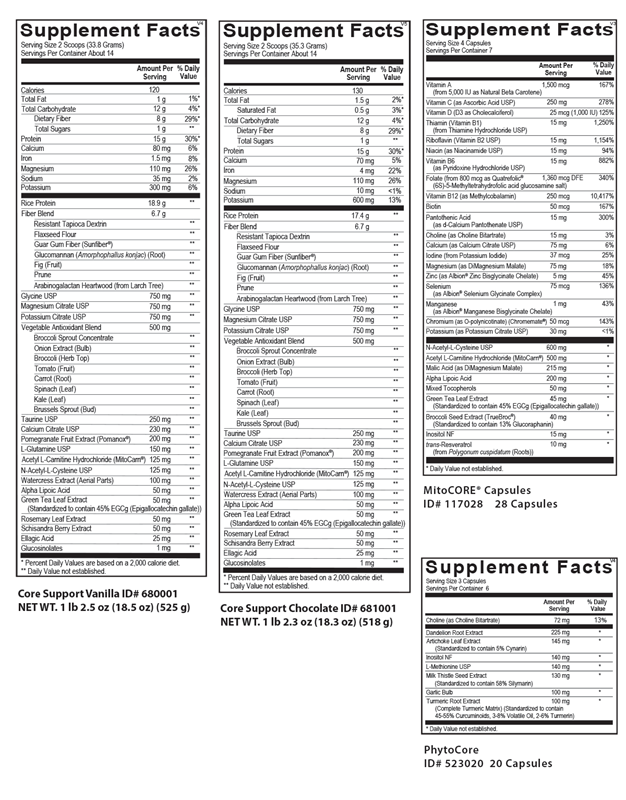
Ortho Molecular Products
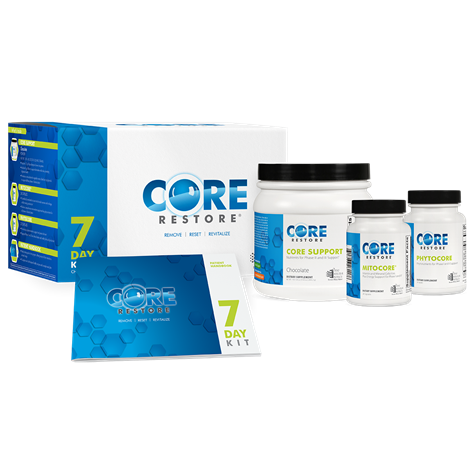
Core Restore 7-Day Kit (Chocolate) by Ortho Molecular Products
7 day kits
Comprehensive 7-Day Metabolic Support for Optimal Health and Wellness$146.69
Purchase options
Practitioner-grade brand3rd-party testedFree shipping $50+
Ortho Molecular Products Core Restore 7-Day Kit (Chocolate) overview
This 7-day liver detox is for adults who want a short, structured reset with real protein, fiber, and targeted cofactors, not a juice fast. It’s a fit if your diet is light on cruciferous vegetables, you drink alcohol socially, or your Omega-3 Index and overall micronutrient intake are low. Trackables that matter here are liver enzymes like ALT and AST (proteins your liver releases when irritated) and GGT (an enzyme linked to alcohol and bile flow). If these are significantly elevated, work with a clinician rather than self-running a detox.
The shake supplies rice protein and fiber to steady blood sugar and keep bile-bound waste moving out in stool. NAC and glycine build glutathione (your liver’s main antioxidant), while taurine and choline help conjugation, the step that makes compounds water‑soluble for removal. Milk thistle (silymarin) and turmeric calm liver inflammation, and artichoke and dandelion encourage bile flow. Broccoli seed extract raises sulforaphane (a compound that turns on detox enzymes), and alpha-lipoic acid plus acetyl‑L‑carnitine support mitochondrial energy so you don’t feel wiped. Together, these cover Phase I modification, Phase II conjugation, and Phase III elimination.
Mix the shake twice daily with water and take the multinutrient capsules (four per day) with meals. Use the herbal capsules two to three, twice daily, with food. Hydrate aggressively and aim for one to two formed bowel movements daily; add extra dietary fiber if you trend constipated. Skip alcohol and keep coffee to one cup. Most people feel steadier energy by days 3–5; if you feel lightheaded, add non-starchy vegetables and lean protein to meals rather than cutting calories.
Avoid if pregnant or breastfeeding, with active gallstones or bile duct obstruction (bile‑stimulating herbs can worsen symptoms), or with significant liver disease unless supervised. Turmeric, garlic, and green tea extract can interact with warfarin or other blood thinners—check your clinician. Alpha‑lipoic acid can lower blood sugar; monitor if you use insulin or diabetes medications. Rarely, green tea extract upsets the stomach; always take capsules with food.
Frequently asked questions
Does a 7-day liver detox actually work?
It can improve short-term markers of diet quality and regularity, and gives your liver the cofactors it uses to process and excrete compounds. Expect steadier energy and digestion within a week. For elevated ALT, AST, or GGT, improvements usually require sustained diet and alcohol changes beyond seven days.
What should I eat during the liver detox?
Keep meals simple: lean protein, lots of non-starchy vegetables (especially broccoli, cauliflower, kale), berries, olive oil, and plenty of water. Avoid alcohol, ultra‑processed foods, and added sugars. The shake covers protein gaps; whole foods do the rest.
Will this liver detox help me lose weight?
It’s not a weight-loss program. Some people see a small drop from lower sodium and better bowel regularity. Real fat loss needs a sustained calorie deficit and movement over weeks to months. Use this as a reset for habits, not as a standalone weight plan.
Can I take this detox if I’m on birth control?
Generally yes, but separate dosing by a few hours and avoid major fiber boluses right with pills to prevent binding. If you’re on hormonal contraception and notice breakthrough bleeding, stop and check with your clinician.
Is caffeine allowed during the 7-day detox?
Limit to one cup of coffee or tea daily and avoid energy drinks. Green tea extract is already in the kit, so adding large amounts of caffeine can increase jitteriness or reflux. Hydration with water matters more than caffeine restriction.
How will I feel during the liver detox?
Most feel normal or slightly better by day 3. Common early effects are mild headache, fatigue, or stool changes as fiber increases. These typically ease with hydration, electrolytes, and consistent meals. Stop if you develop severe abdominal pain, dark urine, or persistent nausea.
Which labs should I track before and after?
Consider ALT, AST, and GGT for liver stress, hs-CRP for systemic inflammation, and a basic lipid panel. Don’t expect dramatic lab changes in seven days; use them to guide longer-term diet, alcohol, and activity decisions.
Can I repeat the 7-day detox?
Yes, but space it out. Once per quarter is reasonable if you tolerate it well. Between runs, prioritize daily vegetables, adequate protein, fiber, sleep, and limiting alcohol—that’s what moves liver labs and energy long term.
How to take it & ingredients
Suggested use: Core Support: Mix 2 scoops of Core Support with 8-10 ounces of water or to the desired thickness, 2 times daily or as recommended by your health care professional. MitoCORE®: 4 capsules per day as part of the Core Restore® program, or as recommended by your health care professional. PhytoCore: 2-3 capsules two times per day or as recommended by your health care professional.
Active ingredients
1 kit per serving
Core Support Chocolate
Powder (2 scoops = 35.3 g; ~14 servings per container). Rice protein, fiber blend, glycine, magnesium citrate, potassium citrate, vegetable antioxidant blend, taurine, NAC, acetyl L-carnitine, alpha lipoic acid, green tea extract, watercress, pomegranate, ellagic acid, and more.
Powder (2 scoops = 35.3 g; ~14 servings per container). Rice protein, fiber blend, glycine, magnesium citrate, potassium citrate, vegetable antioxidant blend, taurine, NAC, acetyl L-carnitine, alpha lipoic acid, green tea extract, watercress, pomegranate, ellagic acid, and more.
518 g
MitoCORE®
Capsules (4 per day). Multivitamin/mineral plus NAC, acetyl L-carnitine, alpha lipoic acid, green tea extract, broccoli seed extract, resveratrol, and more.
Capsules (4 per day). Multivitamin/mineral plus NAC, acetyl L-carnitine, alpha lipoic acid, green tea extract, broccoli seed extract, resveratrol, and more.
28 capsule
PhytoCore
Capsules (2-3 twice daily). Silymarin (milk thistle), artichoke extract, Complete Turmeric Matrix, methionine, choline, inositol, garlic, dandelion root.
Capsules (2-3 twice daily). Silymarin (milk thistle), artichoke extract, Complete Turmeric Matrix, methionine, choline, inositol, garlic, dandelion root.
20 capsule
Certifications
Benefits
Warnings
Customers also considered
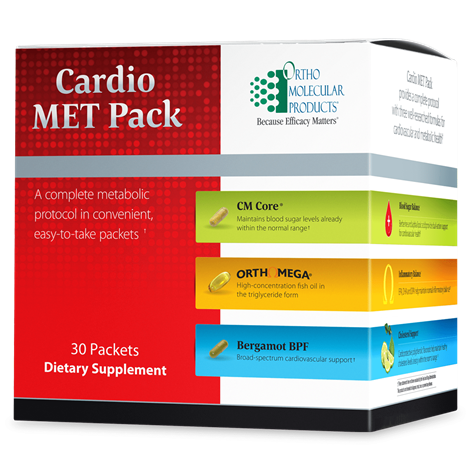
Cardio MET Pack
Ortho Molecular Products
30 packets
$153.24$138.05 with Subscribe & Save
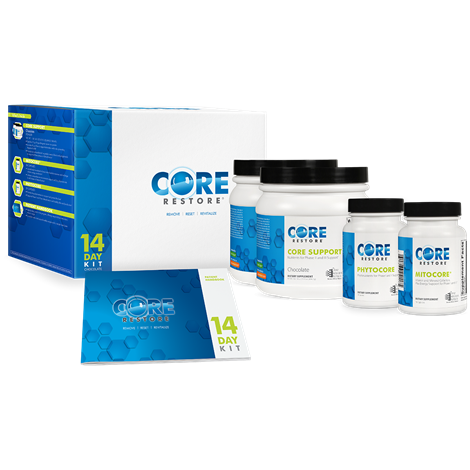
Core Restore 14-Day Kit (Chocolate)
Ortho Molecular Products
14 day kits
$239.76$216.00 with Subscribe & Save
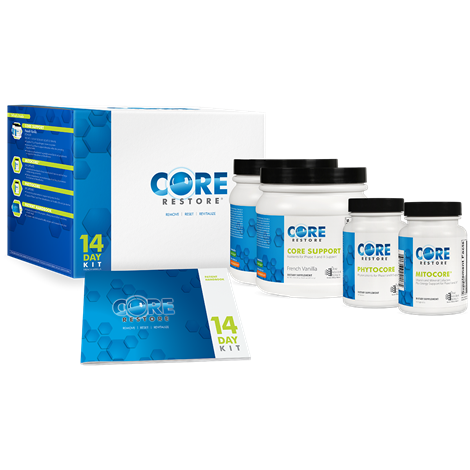
Core Restore 14-Day Kit (French Vanilla)
Ortho Molecular Products
14 day kits
$239.76$216.00 with Subscribe & Save
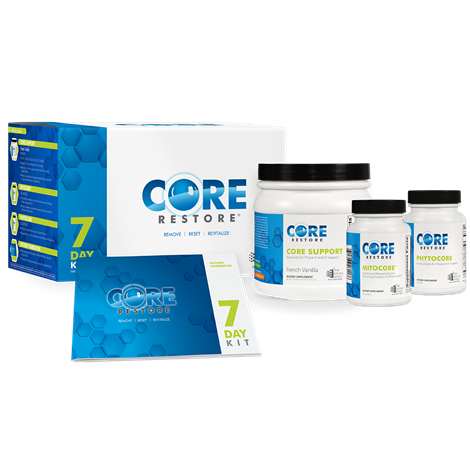
Core Restore 7-Day Kit (French Vanilla)
Ortho Molecular Products
7 day kits
$146.69$132.15 with Subscribe & Save