 Instalab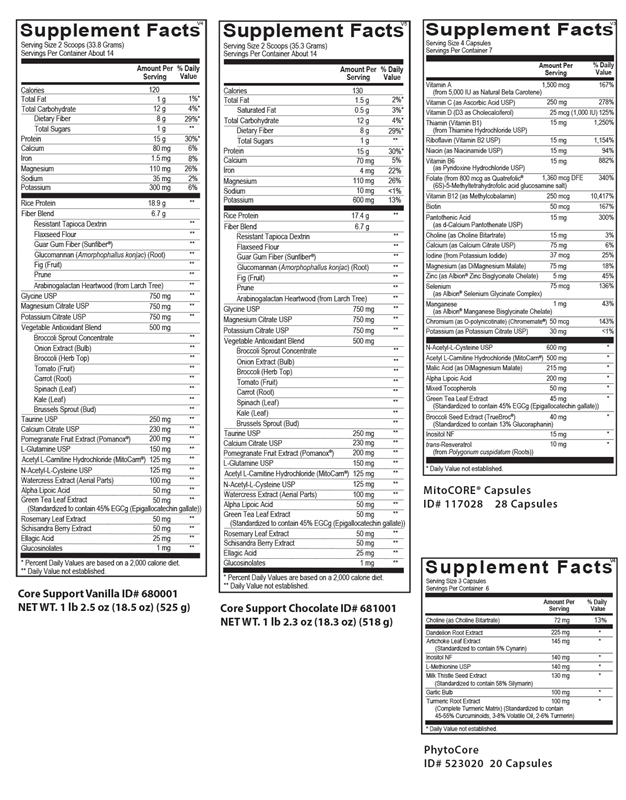
Ortho Molecular Products
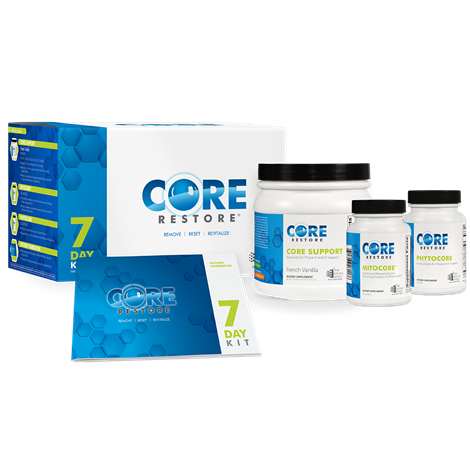
Core Restore 7-Day Kit (French Vanilla) by Ortho Molecular Products
7 day kits
Comprehensive 7-Day Metabolic Support for Optimal Health and Wellness$146.69
Purchase options
Practitioner-grade brand3rd-party testedFree shipping $50+
Ortho Molecular Products Core Restore 7-Day Kit (French Vanilla) overview
A 7-day liver detox makes sense if your lifestyle has leaned heavy on alcohol, ultra-processed food, or solvents at work, and your digestion is sluggish. It’s also a reset week if your ALT, AST, or GGT (liver enzymes on a basic panel) have been borderline and you’re dialing in diet. If constipation is common, the fiber-rich shakes help, but you still need daily water and movement. This is a short, structured week, not a cure for chronic liver disease.
The powder pairs rice protein with soluble fiber to bind bile and carry waste out in stool. NAC and glycine feed glutathione (your main cell antioxidant), while broccoli seed and watercress provide isothiocyanates that nudge detox enzymes. Milk thistle (silymarin) and turmeric supply polyphenols with modest evidence for liver support. Acetyl‑L‑carnitine and alpha lipoic acid support mitochondrial energy. Together, these aim to process, conjugate (tag for removal), and eliminate compounds more efficiently.
Mix two scoops of the shake with water twice daily, then take the MitoCORE and PhytoCore capsules with meals as directed. Eat simple, protein-forward meals with vegetables, pause alcohol, and keep caffeine moderate. Aim for one to two bowel movements daily; increase fluids if stools slow. Most people feel changes in energy and regularity within 3–5 days. If you track labs, recheck ALT, AST, and GGT 2–4 weeks after the week is over, not mid-cleanse.
Skip this if you’re pregnant or breastfeeding, or if you have active hepatitis, cirrhosis, or unexplained jaundice—see a clinician first. Gallstones or bile duct issues can flare with turmeric/artichoke (they increase bile flow). Warfarin users should avoid turmeric/garlic blends; anticoagulants and antiplatelets need caution. Green tea extract is best taken with food to reduce rare liver irritation risk. If you’re underweight, don’t use meal-replacement style cleanses without guidance.
Frequently asked questions
Does a 7-day liver detox really work?
It can improve regularity, reduce alcohol and sugar for a week, and provide cofactors like NAC and glycine for liver processing. It won’t fix chronic liver disease. Use it as a structured reset while you commit to longer-term diet, sleep, and alcohol changes.
What side effects should I expect on this detox?
Common are mild headache, fatigue, or looser stools in the first 2–3 days. These usually ease with hydration, electrolytes, and food with the capsules. Stop and seek care if you develop severe abdominal pain, dark urine, or yellowing of eyes.
Can I drink coffee or alcohol during the detox?
Coffee in moderation with food is fine for most. Skip alcohol for the full week—your liver prioritizes alcohol clearance and that works against the goals of the program.
How soon will I feel a difference?
Most people notice bowel regularity and less bloating within 3–5 days. Energy can improve by the end of the week if you’re eating enough protein and hydrating. Lab changes in ALT, AST, or GGT, if they shift, are better assessed 2–4 weeks later.
Is milk thistle and turmeric safe with blood thinners?
Not reliably. Turmeric and garlic can increase bleeding risk with warfarin and other anticoagulants or antiplatelet drugs. If you’re on these, avoid this kit or clear it with your prescribing clinician first.
Can I work out during a detox week?
Yes, but keep it moderate. Prioritize walking, mobility, and light strength work. Very hard sessions can feel tougher if calories are lower; compensate with adequate protein and fluids.
Will this help me lose weight?
Any weight change over 7 days is usually water and gut-content shifts, not fat loss. Use the week to set up sustainable habits—protein at meals, vegetables, fewer ultra-processed foods—then continue beyond day 7.
Is green tea extract in this safe for the liver?
At typical supplemental doses with food, it’s well tolerated. Rare liver irritation has been reported with high-dose, fasting use. Take it with meals and stop if you develop right‑upper abdominal pain or dark urine.
How to take it & ingredients
Suggested use: Core Support: Mix 2 scoops of Core Support with 8-10 ounces of water or to the desired thickness, 2 times daily or as recommended by your health care professional. MitoCORE®: 4 capsules per day as part of the Core Restore® program, or as recommended by your health care professional. PhytoCore: 2-3 capsules two times per day or as recommended by your health care professional.
Active ingredients
1 kit per serving
Core Support French Vanilla
Powder (2 scoops = 33.8 g; ~14 servings per container). Rice protein, fiber blend, glycine, magnesium citrate, potassium citrate, vegetable antioxidant blend, taurine, NAC, acetyl L-carnitine, alpha lipoic acid, green tea extract, watercress, pomegranate, ellagic acid, and more.
Powder (2 scoops = 33.8 g; ~14 servings per container). Rice protein, fiber blend, glycine, magnesium citrate, potassium citrate, vegetable antioxidant blend, taurine, NAC, acetyl L-carnitine, alpha lipoic acid, green tea extract, watercress, pomegranate, ellagic acid, and more.
525 g
MitoCORE®
Capsules (4 per day). Multivitamin/mineral plus NAC, acetyl L-carnitine, alpha lipoic acid, green tea extract, broccoli seed extract, resveratrol, and more.
Capsules (4 per day). Multivitamin/mineral plus NAC, acetyl L-carnitine, alpha lipoic acid, green tea extract, broccoli seed extract, resveratrol, and more.
28 capsule
PhytoCore
Capsules (2-3 twice daily). Silymarin (milk thistle), artichoke extract, Complete Turmeric Matrix, methionine, choline, inositol, garlic, dandelion root.
Capsules (2-3 twice daily). Silymarin (milk thistle), artichoke extract, Complete Turmeric Matrix, methionine, choline, inositol, garlic, dandelion root.
20 capsule
Certifications
Benefits
Warnings
Customers also considered
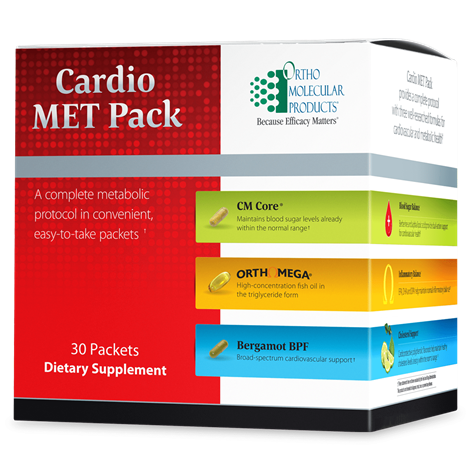
Cardio MET Pack
Ortho Molecular Products
30 packets
$153.24$138.05 with Subscribe & Save
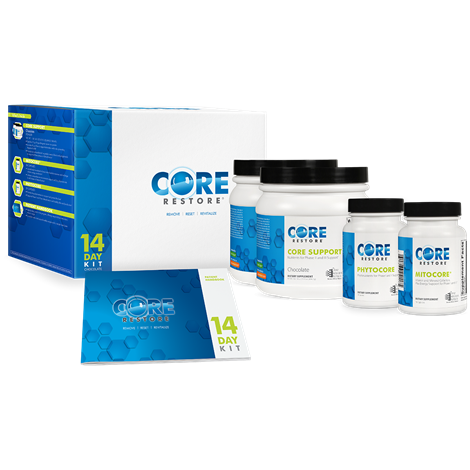
Core Restore 14-Day Kit (Chocolate)
Ortho Molecular Products
14 day kits
$239.76$216.00 with Subscribe & Save
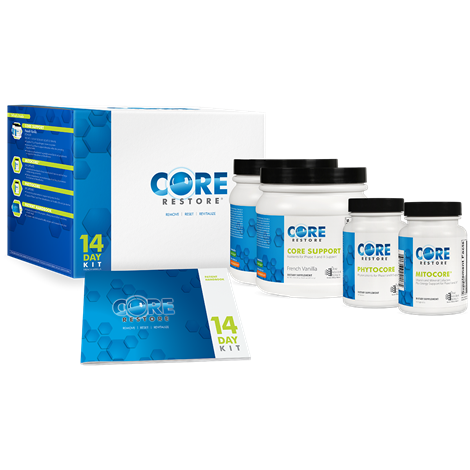
Core Restore 14-Day Kit (French Vanilla)
Ortho Molecular Products
14 day kits
$239.76$216.00 with Subscribe & Save
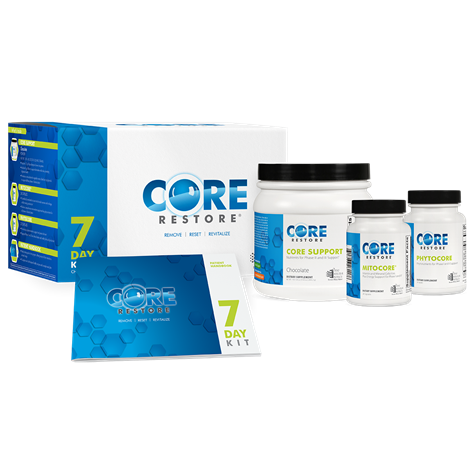
Core Restore 7-Day Kit (Chocolate)
Ortho Molecular Products
7 day kits
$146.69$132.15 with Subscribe & Save