 Instalab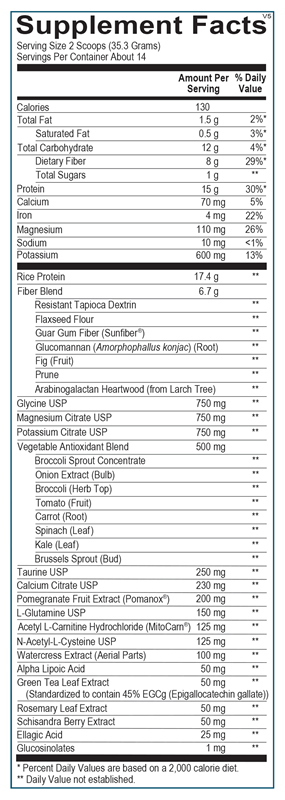

Ortho Molecular Products
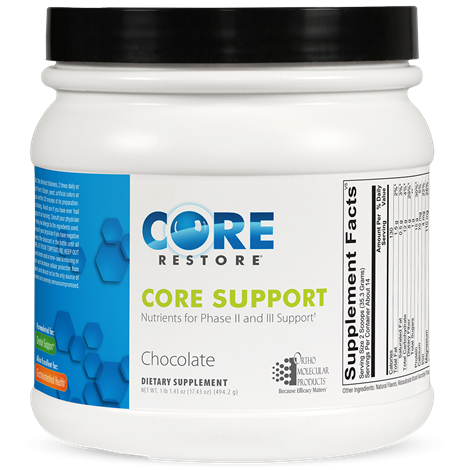
Core Support - Chocolate by Ortho Molecular Products
494.2 grams · 14-day supply
Functional Food Shake with Protein, Fiber, and Phase II Cofactors$108.28
Purchase options
Practitioner-grade brand3rd-party testedFree shipping $50+
Gluten Free·Yeast Free·Artificial Color Free·Artificial Flavor Free
Ortho Molecular Products Core Support - Chocolate overview
This fits adults who want a structured shake during a short food-first reset rather than loose pills. The formula pairs rice protein and a mixed fiber blend with amino acid and antioxidant cofactors. It is a useful breakfast or lunch stand-in during a 1 to 2 week elimination protocol when you want predictable protein and a steady fiber load.
Each two-scoop serving delivers 17.4 g of rice protein and 6.7 g of a mixed fiber blend (resistant tapioca dextrin, flaxseed flour, Sunfiber guar gum, glucomannan, fig, prune, and larch arabinogalactan) that supports regularity. N-acetylcysteine and glycine supply building blocks the body uses to make glutathione, taurine contributes to the sulfation pathway, and potassium and magnesium citrate provide alkalinizing minerals. A vegetable antioxidant blend with broccoli sprout, broccoli, kale, and Brussels sprout adds glucosinolates, and watercress, pomegranate extract, green tea extract, rosemary, schisandra, and alpha lipoic acid round out the antioxidant profile.
Mix two scoops with 8 to 10 ounces of water or the milk of your choice, twice daily. Use it to replace breakfast and a light second meal, or as a snack while you ease in. If you are new to a higher fiber intake, start with one scoop per serving for 2 to 3 days. Drink extra water to match the added fiber. One container provides 14 servings.
If you take prescription medications, are pregnant or breastfeeding, or are managing a health condition with a clinician, talk to your care team before starting and review the warnings below.
Frequently asked questions
What is this shake designed for?
It is a functional food shake that provides protein, fiber, and amino acid and antioxidant cofactors the body uses in its everyday detoxification pathways. It is commonly used as a structured meal replacement during a short elimination or reset protocol.
How many servings come in one container?
One container provides about 14 servings at two scoops per serving. At twice daily dosing that is roughly a 7 day supply; at once daily it is roughly a 14 day supply.
Can I use this as a meal replacement?
Yes. Many people use it for breakfast and a light second meal during a 1 to 2 week protocol. Pair the rest of your day with non-starchy vegetables and lean proteins. If you are very active, add extra calories outside the shake.
Will the fiber cause bloating or gas?
Possibly at first. Start with one smaller scoop per serving for a few days and increase your water intake. Most people adapt within about a week as the gut adjusts to the soluble and resistant fibers.
Does the green tea extract contain caffeine?
The extract is standardized for EGCg and contains a small amount of caffeine, much less than a brewed cup of tea. Most people do not feel stimulant effects. If you are very caffeine sensitive, take your first serving earlier in the day.
Can I take this with my regular medications?
Take it at least a few hours apart from levothyroxine, tetracycline or quinolone antibiotics, and bisphosphonates, since minerals and fiber can reduce absorption. Avoid combining with nitroglycerin. If you take prescription medications, check with your clinician before starting.
What flavor is this version?
Chocolate. A French Vanilla version of the same formula is sold separately.
How to take it & ingredients
Suggested use: Mix 2 scoops of Core Support with 8-10 ounces of the beverage of your choice to the desired thickness, 2 times daily or as recommended by your health care professional.
Active ingredients
2 scoops (35.3 grams) per serving · 14 servings
Rice Protein
17.4 g
Fiber Blend
Resistant Tapioca Dextrin, Flaxseed Flour, Guar Gum (Sunfiber®), Glucomannan, Fig, Prune, Arabinogalactan (Larch Tree)
Resistant Tapioca Dextrin, Flaxseed Flour, Guar Gum (Sunfiber®), Glucomannan, Fig, Prune, Arabinogalactan (Larch Tree)
6.7 g
Glycine
USP
USP
750 mg
Magnesium
As Magnesium Citrate USP
As Magnesium Citrate USP
750 mg
Potassium
As Potassium Citrate USP
As Potassium Citrate USP
750 mg
Vegetable Antioxidant Blend
Broccoli Sprout, Onion, Broccoli, Tomato, Carrot, Spinach, Kale, Brussels Sprout
Broccoli Sprout, Onion, Broccoli, Tomato, Carrot, Spinach, Kale, Brussels Sprout
500 mg
Taurine
USP
USP
250 mg
Calcium
As Calcium Citrate USP
As Calcium Citrate USP
230 mg
Pomegranate Fruit Extract
Pomanox®
Pomanox®
200 mg
L-Glutamine
USP
USP
150 mg
Acetyl L-Carnitine
Hydrochloride (MitoCarn®)
Hydrochloride (MitoCarn®)
125 mg
N-Acetyl-L-Cysteine
USP
USP
125 mg
Watercress Extract
Aerial Parts
Aerial Parts
100 mg
Alpha Lipoic Acid
50 mg
Green Tea Leaf Extract
45% EGCg
45% EGCg
50 mg
Rosemary Leaf Extract
50 mg
Schisandra Berry Extract
50 mg
Ellagic Acid
25 mg
Other ingredients: Cocoa processed with alkali, Natural Flavors, Rebaudioside M, Ascorbyl Palmitate
Certifications
Benefits
Warnings
Customers also considered
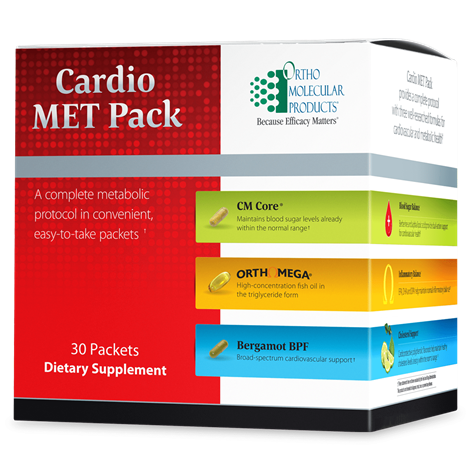
Cardio MET Pack
Ortho Molecular Products
30 packets
$153.24$138.05 with Subscribe & Save
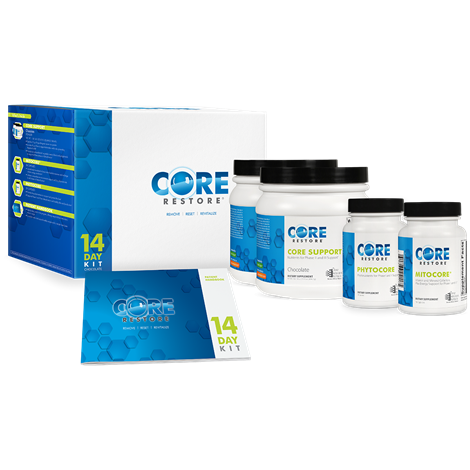
Core Restore 14-Day Kit (Chocolate)
Ortho Molecular Products
14 day kits
$239.76$216.00 with Subscribe & Save
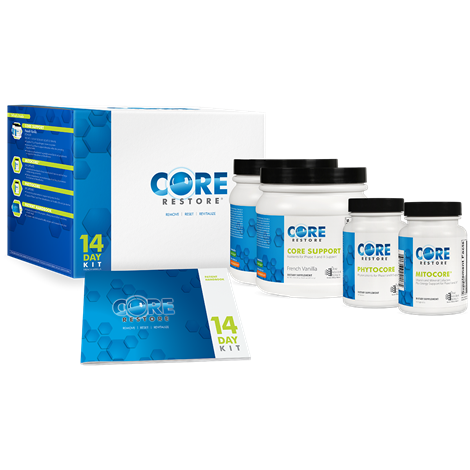
Core Restore 14-Day Kit (French Vanilla)
Ortho Molecular Products
14 day kits
$239.76$216.00 with Subscribe & Save
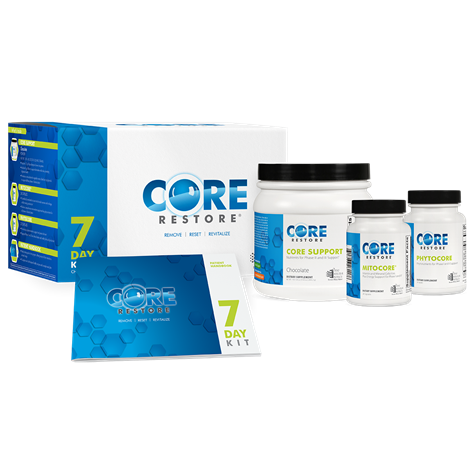
Core Restore 7-Day Kit (Chocolate)
Ortho Molecular Products
7 day kits
$146.69$132.15 with Subscribe & Save