 Instalab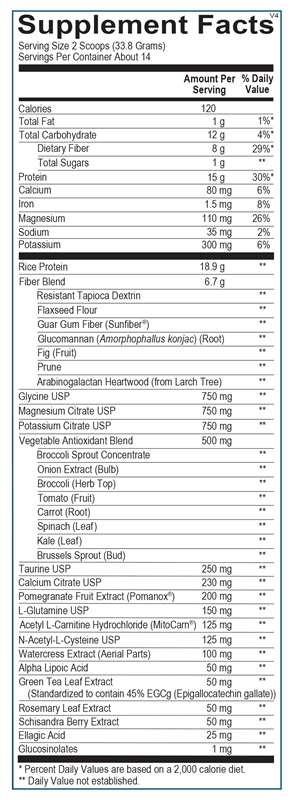
Ortho Molecular Products
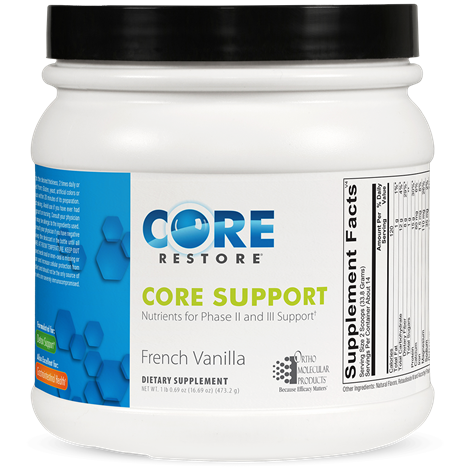
Core Support - French Vanilla by Ortho Molecular Products
473.2 grams · 14-day supply
Comprehensive Metabolic Support with Antioxidants and Essential Nutrients$108.28
Purchase options
Practitioner-grade brand3rd-party testedFree shipping $50+
Gluten Free·Yeast Free·Artificial Color Free·Artificial Flavor Free
Ortho Molecular Products Core Support - French Vanilla overview
This fits people using a time‑boxed 2–4 week reset who want a structured detox shake as a breakfast or lunch stand‑in, especially if fiber and protein are low in their diet. It’s useful if bowel regularity is off, if you’re easing off alcohol, or if liver enzymes like ALT, AST, or GGT (blood tests that rise with liver stress) have been drifting up alongside weight gain or fatty liver. Not a magic cleanse—more like scaffolding while you tidy inputs.
Rice protein steadies appetite so you can skip a processed meal without a crash. Glycine, NAC, and glutamine supply building blocks for glutathione (the liver’s main antioxidant), while taurine helps form bile acids (needed to digest fat and carry waste to the gut). The fiber blend binds bile and escorts it out in stool. Broccoli sprout and watercress nudge liver enzymes that process chemicals, and alpha‑lipoic acid plus pomegranate polyphenols mop up free radicals. Acetyl‑L‑carnitine helps cells burn fat for energy.
Mix two scoops in 8–10 oz liquid, twice daily, as the label suggests. In practice, start with one scoop once daily for 3–4 days to gauge your gut, then build to the target. Take medicines two to four hours apart from this shake because fiber can reduce absorption. Use it as a meal replacement with water or unsweetened milk, and add a handful of berries or a spoon of nut butter if you need more calories.
If you have chronic kidney disease, are on potassium‑sparing drugs (spironolactone, ACE inhibitors), or take magnesium‑containing laxatives, talk to your clinician—this formula includes meaningful potassium and magnesium. NAC can amplify nitroglycerin, causing headaches. Alpha‑lipoic acid can lower blood sugar; monitor if you use diabetes meds. The fiber (guar, glucomannan, larch) can bloat those with IBS; go slow. Pregnancy or breastfeeding: avoid detox programs and use a prenatal meal replacement instead.
Frequently asked questions
Does a detox shake really do anything?
It can help by supplying protein, fiber, and precursors for glutathione (the liver’s main antioxidant), and by binding bile in the gut. Expect better regularity and steadier energy in 1–2 weeks. It’s not a shortcut around alcohol, ultra‑processed food, or sleep debt.
How long should I use a detox shake?
Most people run it for 2–4 weeks as a structured reset, then taper to once daily or discontinue. If you’re watching ALT, AST, or GGT on labs, recheck after 4–8 weeks alongside diet, exercise, and alcohol changes.
Will this detox powder cause diarrhea or gas?
It can, especially at full dose on day one. The fiber blend and magnesium can loosen stools. Start with half to one scoop daily, drink extra water, and increase every few days. If bloating persists, reduce dose or pause.
Can I use this detox shake as a meal replacement?
Yes. Each serving brings protein, fiber, and electrolytes. For a full meal, add calories like nut butter, avocado, or extra milk. Keep whole‑food meals in the day for micronutrients and chewing satisfaction.
Is there caffeine in this detox shake?
The green tea extract is low in caffeine, but sensitive users may notice mild stimulation. Use earlier in the day if you’re caffeine‑reactive. It’s far below a cup of coffee.
Will this help with fatty liver?
It can be part of a plan. Protein, fiber, and components like NAC and glycine support liver defenses, and replacing a calorie‑dense meal aids weight loss. Combine with fewer refined carbs and less alcohol, then track ALT, AST, and GGT over 4–12 weeks.
Can I take this detox powder with my medications?
Space medicines 2–4 hours away to avoid fiber binding. If you use nitroglycerin, diabetes drugs, ACE inhibitors, ARBs, or spironolactone, check with your clinician due to NAC, potassium, and possible glucose‑lowering.
How to take it & ingredients
Suggested use: Mix 2 scoops of Core Support with 8-10 ounces of the beverage of your choice to the desired thickness, 2 times daily or as recommended by your health care professional.
Active ingredients
2 scoops (33.8 grams) per serving · 14 servings
Rice Protein
18.9 g
Fiber Blend
Resistant Tapioca Dextrin, Flaxseed Flour, Guar Gum (Sunfiber®), Glucomannan, Fig, Prune, Arabinogalactan (Larch Tree)
Resistant Tapioca Dextrin, Flaxseed Flour, Guar Gum (Sunfiber®), Glucomannan, Fig, Prune, Arabinogalactan (Larch Tree)
6.7 g
Glycine
USP
USP
750 mg
Magnesium
As Magnesium Citrate USP
As Magnesium Citrate USP
750 mg
Potassium
As Potassium Citrate USP
As Potassium Citrate USP
750 mg
Vegetable Antioxidant Blend
Broccoli Sprout, Onion, Broccoli, Tomato, Carrot, Spinach, Kale, Brussels Sprout
Broccoli Sprout, Onion, Broccoli, Tomato, Carrot, Spinach, Kale, Brussels Sprout
500 mg
Taurine
USP
USP
250 mg
Calcium
As Calcium Citrate USP
As Calcium Citrate USP
230 mg
Pomegranate Fruit Extract
Pomanox®
Pomanox®
200 mg
L-Glutamine
USP
USP
150 mg
Acetyl L-Carnitine
Hydrochloride (MitoCarn®)
Hydrochloride (MitoCarn®)
125 mg
N-Acetyl-L-Cysteine
USP
USP
125 mg
Watercress Extract
Aerial Parts
Aerial Parts
100 mg
Alpha Lipoic Acid
50 mg
Green Tea Leaf Extract
45% EGCg
45% EGCg
50 mg
Rosemary Leaf Extract
50 mg
Schisandra Berry Extract
50 mg
Ellagic Acid
25 mg
Other ingredients: Natural Flavors, Rebaudioside M, Ascorbyl Palmitate
Certifications
Benefits
Warnings
Customers also considered
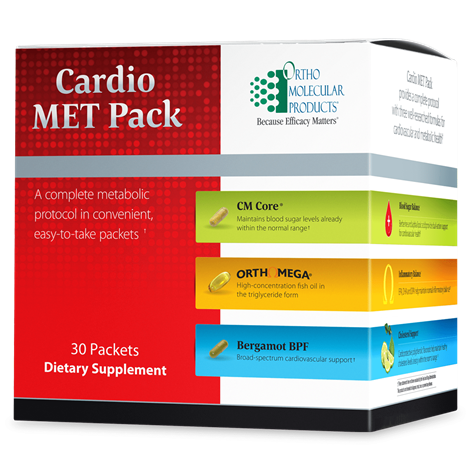
Cardio MET Pack
Ortho Molecular Products
30 packets
$153.24$138.05 with Subscribe & Save
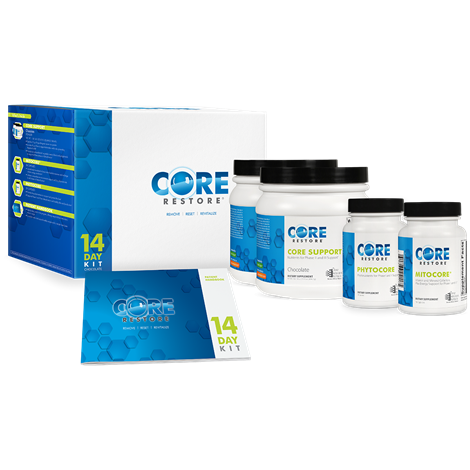
Core Restore 14-Day Kit (Chocolate)
Ortho Molecular Products
14 day kits
$239.76$216.00 with Subscribe & Save
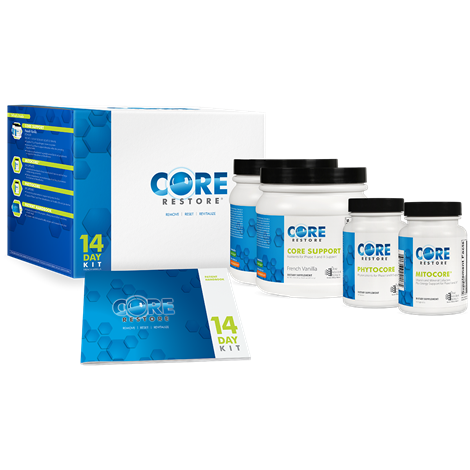
Core Restore 14-Day Kit (French Vanilla)
Ortho Molecular Products
14 day kits
$239.76$216.00 with Subscribe & Save
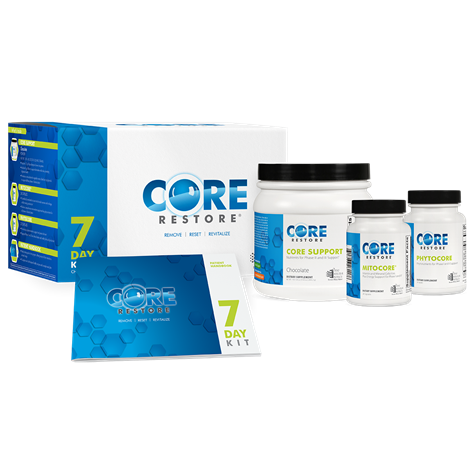
Core Restore 7-Day Kit (Chocolate)
Ortho Molecular Products
7 day kits
$146.69$132.15 with Subscribe & Save