 Instalab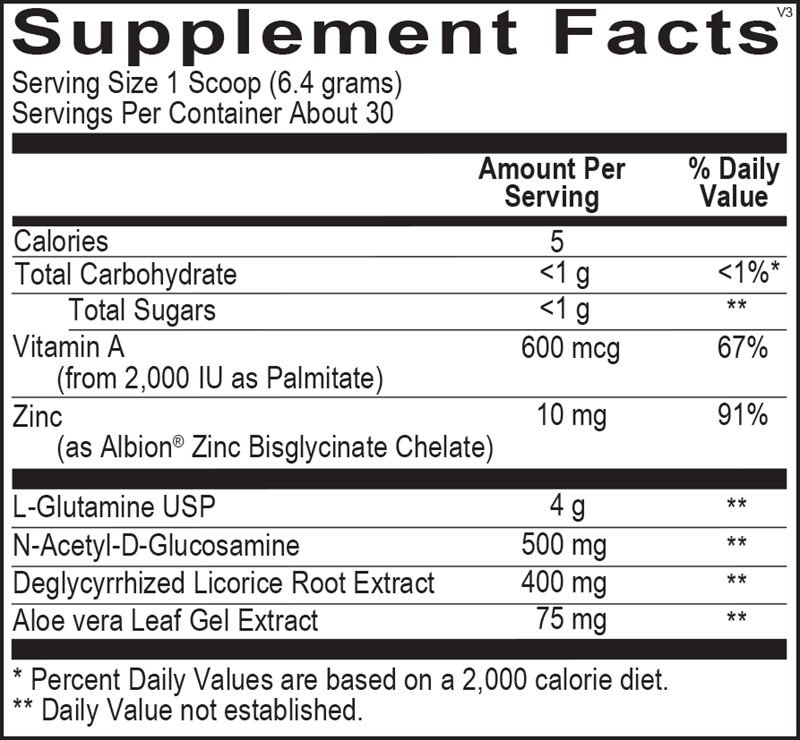

Ortho Molecular Products
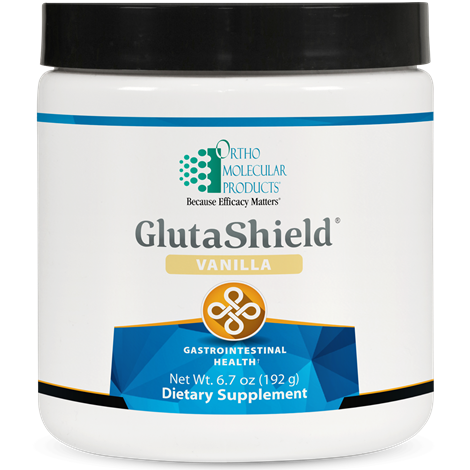
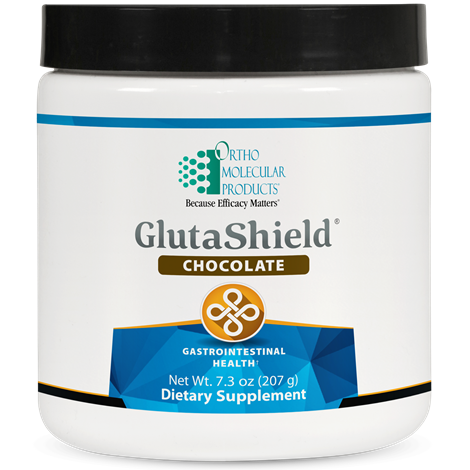
GlutaShield® Chocolate by Ortho Molecular Products
207 grams · 32-day supply
Delicious Gut Support with Glutamine and Essential Nutrients$XX.XX$66.10retail
Purchase option
10% below MSRP3rd-party tested for purity & potencyFree shipping $50+
Gluten Free·Crustacean Shellfish Free·Yeast Free·Artificial Color Free·Artificial Flavor Free
Ortho Molecular Products GlutaShield® Chocolate overview
If you get bloating or loose stools after antibiotics or hard training, this glutamine blend is built for that scenario. It fits adults aiming to strengthen the gut lining while calming reflux or meal-triggered irritation. It’s also useful if your diet is low in zinc-rich foods or vitamin A, or if stool markers like calprotectin (a stool marker of intestinal inflammation) or secretory IgA (your gut’s antibody output) have been off. Expect changes within 2 to 8 weeks if you’re a responder.
Glutamine is the preferred fuel for enterocytes (the cells that line your intestine), so 4 g daily helps them repair and tighten the barrier. N-acetyl-D-glucosamine provides building blocks for the mucus layer that protects the lining. DGL licorice increases protective mucus without the blood-pressure effects of regular licorice. Aloe vera gel extract soothes irritated tissue. Zinc bisglycinate supports tissue repair, and vitamin A palmitate helps epithelial turnover and mucosal immunity, which you’ll feel as less reactivity to meals.
Mix one scoop in water once daily. Taking glutamine on an empty stomach or between meals is common, but with food is fine if you’re sensitive. For reflux or meal-triggered discomfort, use it 20–30 minutes before eating. Some clinicians use one scoop twice daily for a few weeks, then step down to once daily. Pairing with a fiber-rich diet and adequate protein speeds results.
Shellfish allergy: N-acetyl-D-glucosamine is often shellfish-derived, so avoid unless your clinician confirms a non-shellfish source. Liver failure or high ammonia history: skip glutamine unless supervised. Pregnancy: this uses preformed vitamin A (retinol); discuss with your OB, as many prefer beta-carotene only. Separate zinc from tetracycline or quinolone antibiotics by 2–4 hours. DGL is licorice without the blood-pressure–raising compound, but if you have uncontrolled hypertension or use warfarin, get clinician guidance.
Frequently asked questions
What does glutamine do for gut health?
Glutamine is the main fuel for intestinal cells. It helps them repair and tighten the gut barrier and supports the mucus layer. In practice, people notice less meal reactivity, better stool form, and less post-antibiotic upset when it works for them.
How long does glutamine take to work?
Most responders notice changes in 2 to 8 weeks. Symptom relief like less bloating or better stool consistency can show up first, with more durable benefits as the lining repairs. If nothing has changed by 8 weeks, reconsider the plan.
Can I take glutamine with food or coffee?
Yes. Many take it on an empty stomach, but food is acceptable if you’re sensitive. Coffee is fine, though very hot liquids can affect texture. If using it for reflux, take it 20–30 minutes before meals.
Is DGL licorice safe if I have high blood pressure?
DGL removes glycyrrhizin, the compound that raises blood pressure. It’s generally better tolerated in people with hypertension. Even so, monitor your pressure and check with your clinician if you have uncontrolled hypertension or are on multiple meds.
Will aloe in this cause diarrhea?
This uses aloe vera gel extract, not the whole leaf latex that acts as a stimulant laxative. Gel extract is used for soothing rather than laxative effects. Loose stools are uncommon; if they occur, reduce the dose or stop.
Does zinc in this interact with antibiotics?
Yes, zinc can reduce absorption of tetracyclines and quinolones. Take this product 2–4 hours before or after those antibiotics. Other common medications are usually fine, but separate from thyroid hormone by at least 4 hours.
Is N-acetyl-D-glucosamine safe with a shellfish allergy?
Often it’s derived from shellfish. Unless the manufacturer confirms a non-shellfish source, avoid it if you have a shellfish allergy. Your clinician can suggest an alternative mucosal support.
Can I use this during pregnancy or breastfeeding?
Glutamine and zinc are commonly used, but this formula includes preformed vitamin A (retinol). Many clinicians avoid retinol in pregnancy and use beta-carotene instead. Check with your OB or midwife before using.
How to take it & ingredients
Suggested use: Mix 1 scoop of GlutaShield with water or beverage of your choice, once daily or as recommended by your health care professional.
Active ingredients
6.4 grams = 1 scoop per serving · 32 servings
Vitamin A
From 2,000 IU as Palmitate
From 2,000 IU as Palmitate
600 mcg, 2000 IU
Zinc
As Albion Zinc Bisglycinate Chelate
As Albion Zinc Bisglycinate Chelate
10 mg
L-Glutamine USP
4 g
N-Acetyl-D-Glucosamine
500 mg
Deglycyrrhized Licorice Root Extract
DGL
DGL
400 mg
Aloe vera Leaf Gel Extract
75 mg
Other ingredients: Natural Flavors, Cocoa processed with alkali, Rebaudioside A (Organic)
Certifications
Benefits
Warnings