 Instalab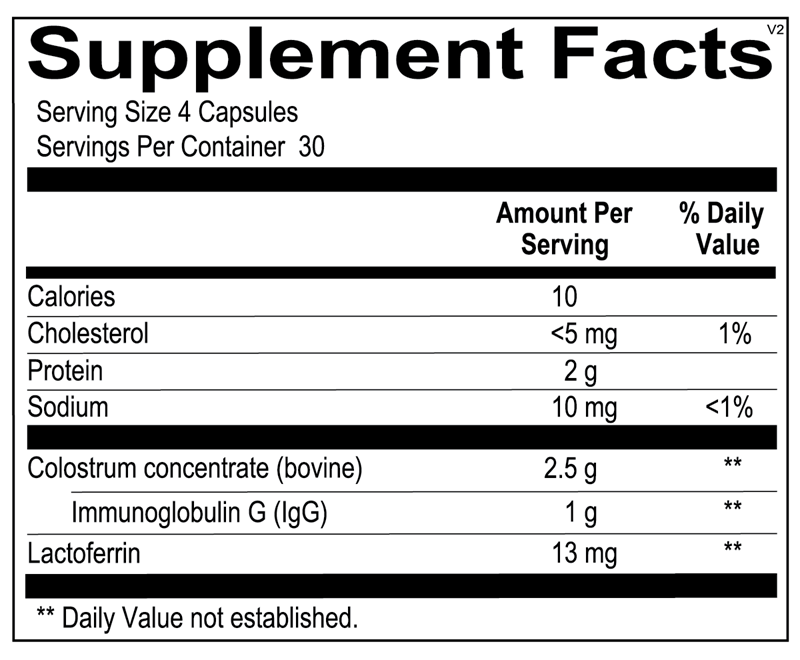
Ortho Molecular Products
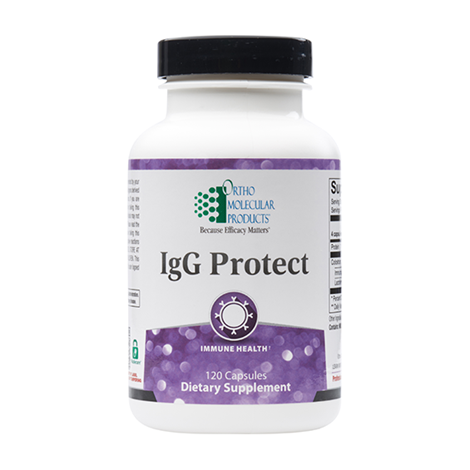
IgG Protect by Ortho Molecular Products
120 capsules · 30-day supply
Support Your Immune System with Bovine Colostrum and Lactoferrin$72.43
Purchase options
Practitioner-grade brand3rd-party testedFree shipping $50+
Ortho Molecular Products IgG Protect overview
If your gut acts up after hard training or travel, bovine colostrum is one of the few nutrition tools with data for gut integrity and fewer sick days. It’s a practical fit if your stool secretory IgA (the antibody your gut lining secretes) is low, you get recurring loose stools on trips, or you want fewer upper‑respiratory infections in heavy training blocks. Dairy allergy is a hard stop; lactose intolerance is not, but start cautiously.
Colostrum carries IgG antibodies (proteins that recognize microbes and toxins) that can remain active in the gut and bind unwanted particles before they interact with your lining. That binding is the rationale for improvements in stool consistency and permeability seen in athletes within 4 to 8 weeks. The added lactoferrin binds iron in the gut, which makes it harder for certain bacteria to thrive and can calm inflammatory signaling. If you track labs, stool secretory IgA and Fecal Lactoferrin (a marker of intestinal inflammation, not the supplement) are the two most relevant to watch.
Use 4 capsules daily as directed, once or split twice daily. Many clinicians give colostrum away from large meals so the IgG proteins spend more time in the gut lumen, but taking it with a small snack can reduce queasiness. This is a moderate, maintenance-level amount (about 2.5 g colostrum with 13 mg lactoferrin per day). If you’re targeting a short repletion phase for travel diarrhea risk or heavy training, higher gram doses are often used short-term under guidance.
Avoid if you have a true dairy or milk-protein allergy, or a history of severe reactions to whey or casein. Discuss with your clinician if you’re immunocompromised after transplant, on biologic immunosuppressants, or pregnant or breastfeeding, since high-quality safety data are limited for those groups. If your Fecal Lactoferrin is very high or you have red-flag GI symptoms, get evaluated before using supplements.
Frequently asked questions
What is bovine colostrum good for, practically?
Best evidence is for gut barrier support and fewer respiratory illnesses in athletes. In clinic, people use it for travel-related loose stools and low stool secretory IgA. It isn’t a treatment for acute food poisoning or inflammatory bowel disease flares.
How long does bovine colostrum take to work?
Most responders notice steadier stools or fewer gut symptoms within 2 to 4 weeks, with clearer changes by 4 to 8 weeks. If you track labs, recheck stool secretory IgA or Fecal Lactoferrin after 6 to 8 weeks.
Can I take colostrum with probiotics or antibiotics?
Yes, colostrum pairs well with probiotics. If you’re on antibiotics, you can take colostrum anytime. Space your probiotic at least a few hours from the antibiotic for best survival.
Is bovine colostrum safe if I’m lactose intolerant?
Usually yes. Colostrum has minimal lactose, but sensitive users can still feel bloating. Start with half the dose for a week and take with a small snack. True milk-protein allergy is a no-go.
Does lactoferrin affect iron or anemia?
Lactoferrin can influence iron handling and has been studied to improve iron status, but the 13 mg here is modest. It’s unlikely to shift Ferritin (your iron stores) by itself. It won’t replace an iron plan if your Ferritin is low.
Any side effects with colostrum capsules?
Most people tolerate them well. Possible effects include mild gas, bloating, or nausea, especially if taken on an empty stomach at full dose. Reduce to half-dose for a week, then build up as tolerated.
Is bovine colostrum safe in pregnancy or breastfeeding?
It’s a food-derived ingredient, but rigorous human safety data in pregnancy or lactation are limited. Discuss with your obstetric clinician before starting.
Will colostrum change inflammation markers like hs-CRP?
Systemic markers like hs-CRP (an inflammation protein in blood) don’t reliably change with colostrum. If you want objective gut data, track stool secretory IgA or Fecal Lactoferrin instead.
How to take it & ingredients
Suggested use: 4 capsules per day or as recommended by your health care professional.
Active ingredients
4 capsules per serving · 30 servings
Protein
2 g
▼
Colostrum Concentrate (Bovine)
2.5 g
Immunoglobulin G (IgG)
1 g
Lactoferrin
13 mg
Protein
2 g
Benefits
Warnings