 Instalab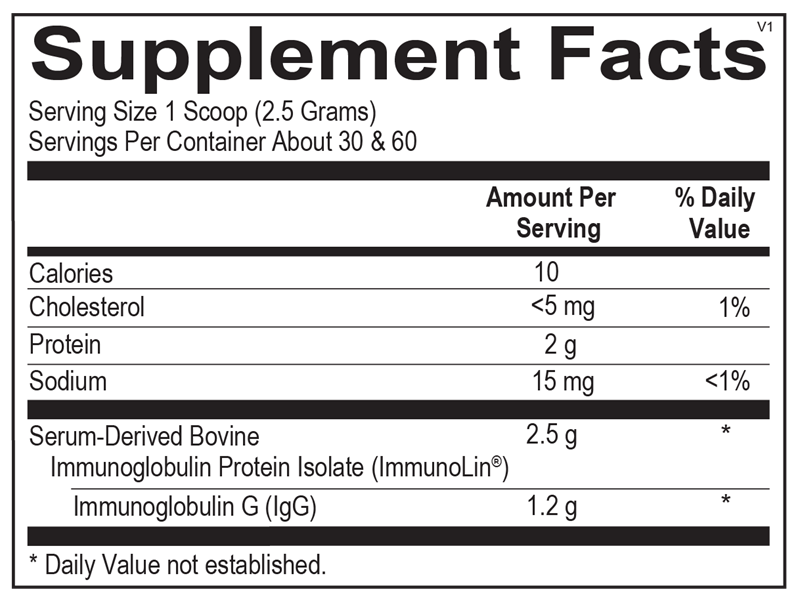

Ortho Molecular Products
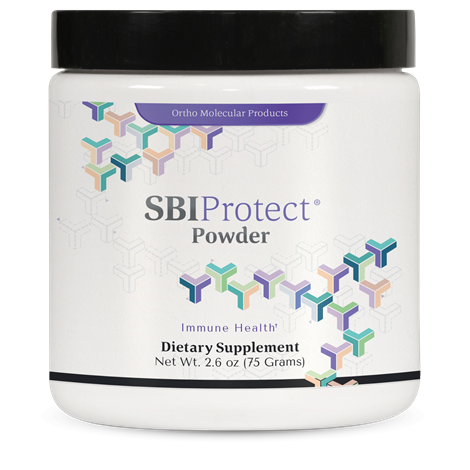
SBI Protect® Powder 2.5 g by Ortho Molecular Products
75 grams · 30-day supply
Supports Immune Health with Serum-Derived Bovine Immunoglobulins$94.85
Purchase options
Practitioner-grade brand3rd-party testedFree shipping $50+
Gluten Free·Artificial Color Free·Artificial Flavor Free
Ortho Molecular Products SBI Protect® Powder overview
If you’re chasing “leaky gut” fixes, bovine immunoglobulin is one of the few with real-world data. It’s a fit for adults with frequent loose stools, food-triggered gut discomfort, or athletes with exercise-related GI upset. It’s also useful after travel or antibiotics when your gut barrier feels off. If your hs-CRP (a blood marker of inflammation) runs high and gut symptoms are active, this is worth a trial. Vegans should skip it, as it’s bovine-derived.
Serum‑derived bovine immunoglobulin is concentrated IgG antibodies (proteins that bind targets) purified from bovine serum. In the gut, these IgG bind bacterial fragments like LPS (endotoxin from gram‑negative bacteria), flagellin (a bacterial protein), and dietary antigens. Binding keeps these triggers in the lumen, helps carry them out in stool, and reduces immune activation at the lining. People often see firmer stools within 1–2 weeks, with steadier gains by 4 weeks. Compared with colostrum, this form is standardized for IgG and essentially lactose-free.
Mix one scoop in cool water or a non‑acidic beverage twice daily, as directed. Start with once daily for 3–4 days, then increase if you tolerate it. Room‑temperature liquids preserve protein structure; avoid hot coffee or tea. Timing with meals isn’t critical. If you use gut‑active add‑ons (glutamine, zinc carnosine, probiotics), you can take them the same day. Most responders notice changes in stool form within 1–2 weeks.
Because bovine immunoglobulin binds a range of molecules in the gut, take it at least 2 hours away from oral medications and fat‑soluble supplements you need fully absorbed. It pairs well with probiotics and fiber. If you use bile acid binders (like cholestyramine) or orlistat (a fat‑absorption blocker), separate by several hours to avoid unpredictable binding.
Skip this if you have a known beef or bovine‑protein allergy. Most people with lactose intolerance tolerate it, but those with severe milk‑protein allergy should use caution and consult a clinician. Pregnancy and breastfeeding: safety data are limited; use only with clinician guidance. Strict vegetarians and vegans will want a non‑animal alternative.
Frequently asked questions
What is bovine immunoglobulin, exactly?
It’s a purified IgG antibody concentrate from bovine serum (not dairy). These proteins bind bacterial fragments and dietary antigens in the gut so they can be carried out in stool instead of triggering the immune system.
How long does bovine immunoglobulin take to work?
Most people who respond notice firmer stools or less urgency within 1–2 weeks, with steadier improvements by 4 weeks. If nothing changes after a month at the full dose, it’s reasonable to reassess with your clinician.
Can I take bovine immunoglobulin with probiotics?
Yes. They work by different mechanisms and are commonly combined. Take them at different times of day if you want to be cautious, but they don’t meaningfully interfere with each other.
Does bovine immunoglobulin bind medications or nutrients?
It can bind compounds in the gut, so separate it from oral medications and fat‑soluble supplements by at least 2 hours. This reduces the chance of lowering drug absorption.
Is bovine immunoglobulin dairy-free?
It’s derived from bovine serum, not milk, and is essentially lactose‑free. People with lactose intolerance usually tolerate it. If you have a severe milk‑protein allergy, use caution and consult your clinician.
Can I mix it into hot drinks or smoothies?
Use cool or room‑temperature liquids. Heat can denature proteins and reduce activity. Smoothies are fine if they’re not hot and not highly acidic.
Are there common side effects?
Most people tolerate it well. Early on, some notice mild gas or a change to firmer stools. Rarely, constipation occurs; lowering the dose or adding fiber usually helps.
Is bovine immunoglobulin safe in pregnancy or breastfeeding?
Human data are limited. Because it’s an animal‑derived protein, use only under clinician guidance during pregnancy or breastfeeding.
How to take it & ingredients
Suggested use: Mix 1 scoop (2.5 grams) with 4 ounces of water or your beverage of choice twice daily or as recommended by your health care professional. Stir until dissolved and consume immediately.
Active ingredients
1 scoop = 2.5 grams per serving · 30 servings
▼
Serum-Derived Bovine Immunoglobulin Concentrate
ImmunoLin®
ImmunoLin®
2.5 g
Immunoglobulin G
1.2 g
Certifications
Benefits
Warnings