 Instalab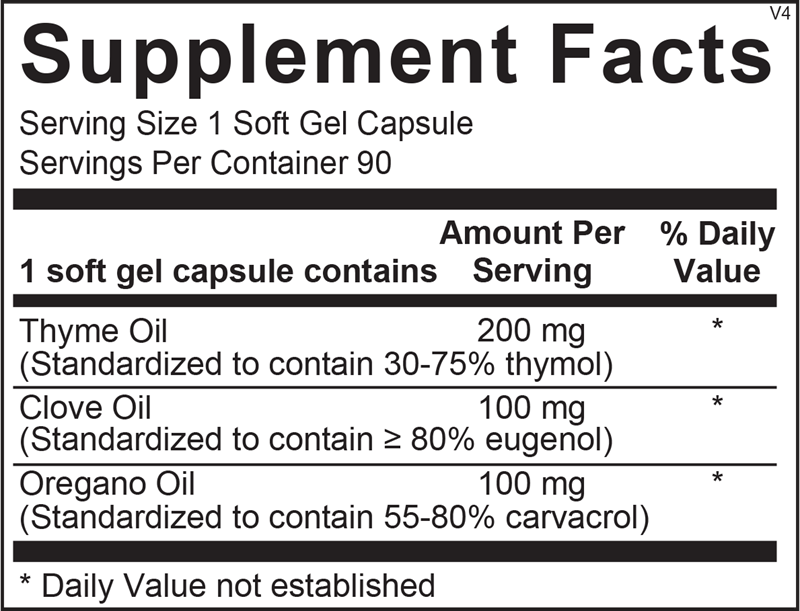

Ortho Molecular Products
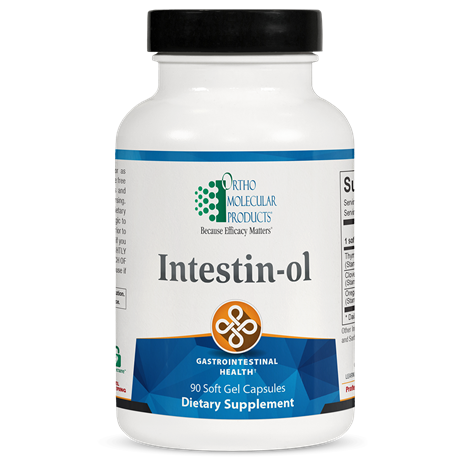
Intestin-ol by Ortho Molecular Products
90 capsules
Essential Oils for Digestive Health and Gut Balance$XX.XX$81.53retail
Purchase option
10% below MSRP3rd-party tested for purity & potencyFree shipping $50+
Gluten Free·Corn Free·Yeast Free·Artificial Color Free·Artificial Flavor Free
Ortho Molecular Products Intestin-ol overview
If you are working on gut symptoms that flare with meals or bloat, especially under a clinician’s care for suspected small intestinal bacterial overgrowth (SIBO), this oregano oil, thyme oil, and clove oil combo fits that use case. It is also a fit after travel or a course of antibiotics when stool testing shows dysbiosis, or when breath testing suggests overgrowth. Pairing with an elimination or low-FODMAP plan often improves outcomes within 2 to 6 weeks.
Carvacrol from oregano oil, thymol from thyme oil, and eugenol from clove oil disrupt microbial cell membranes, which lowers overgrowth pressure from bacteria and some yeasts like Candida. These phenols also break up biofilm, the protective slime layer microbes build on the gut lining. In practice that means gas and bloating often lessen first, then stool patterns normalize. In responders, inflammation markers such as hs-CRP (a blood marker of systemic inflammation) can drift down over time.
The suggested use is one softgel three times daily. Take with food to reduce reflux or throat burning. For sensitive stomachs, start once daily for 3 to 5 days, then step up. Separate from probiotics by at least two to three hours. Typical protocols run 4 to 8 weeks, then reassess symptoms or retest with a breath test or a stool panel. If you need longer, many clinicians pulse the dose rather than using it continuously.
Avoid in pregnancy or while trying to conceive, and skip if you have active gastritis, reflux that worsens with oils, or known allergies to oregano, thyme, or clove. Clove’s eugenol can affect platelet function, so use caution with blood thinners like warfarin or apixaban and before surgery. If you have liver disease or heavy alcohol use, check baseline ALT and AST first and involve your clinician.
Frequently asked questions
How long does oregano oil take to work for gut symptoms?
Most people who respond notice less gas and bloating within 1 to 2 weeks. Full programs usually run 4 to 8 weeks, followed by reassessment with symptoms, a breath test for SIBO, or a stool panel if those guided the plan.
Can I take oregano oil with probiotics?
Yes, but separate them. Take the oregano oil with meals and probiotics two to three hours away or at bedtime. This spacing reduces the chance of the essential oils inactivating the probiotic strains in the small intestine.
Does oregano oil help with Candida?
Carvacrol, thymol, and eugenol show activity against Candida species in lab and clinical settings. In practice, people with yeast overgrowth signs often pair this with a low-sugar diet and see changes over 2 to 6 weeks.
What are common side effects of oregano oil?
The most common are reflux, throat burning, nausea, or loose stools, especially on an empty stomach. Taking with food, lowering the dose for a few days, or adding a mucosal soother like aloe can help. Stop if you develop hives or wheezing.
Does oregano oil interact with blood thinners?
Use caution. Clove oil’s eugenol can reduce platelet aggregation, which may add to the effect of blood thinners like warfarin, apixaban, or clopidogrel. Involve your prescriber and monitor for easy bruising or bleeding.
Should I change my diet while taking oregano oil?
Diet helps the results stick. Many clinicians pair it with a low-FODMAP or simple elimination plan and reduce added sugars and alcohol. Reintroduce foods gradually once symptoms settle and retesting looks improved.
Can I drink alcohol while using oregano oil?
It is better to limit or avoid alcohol. Alcohol can irritate the gut lining and adds liver load while you are using concentrated essential oils. If you drink, keep it light and not close to dosing.
Is oregano oil safe long term?
It is intended for short courses. Most protocols last 4 to 8 weeks, sometimes with pulsing. For ongoing maintenance, shift to diet, targeted probiotics, and fiber. If you need repeated courses, work with a clinician to find the driver.
How to take it & ingredients
Suggested use: 1 soft gel capsule three times per day or as recommended by your health care professional.
Active ingredients
1 soft gel capsule per serving
Thyme Oil
Standardized to contain 30-75% thymol
Standardized to contain 30-75% thymol
200 mg
Clove Oil
Standardized to contain up to 86% eugenol
Standardized to contain up to 86% eugenol
100 mg
Oregano Oil
Standardized to contain up to 75% carvacrol
Standardized to contain up to 75% carvacrol
100 mg
Certifications
Benefits
Warnings
Customers also considered
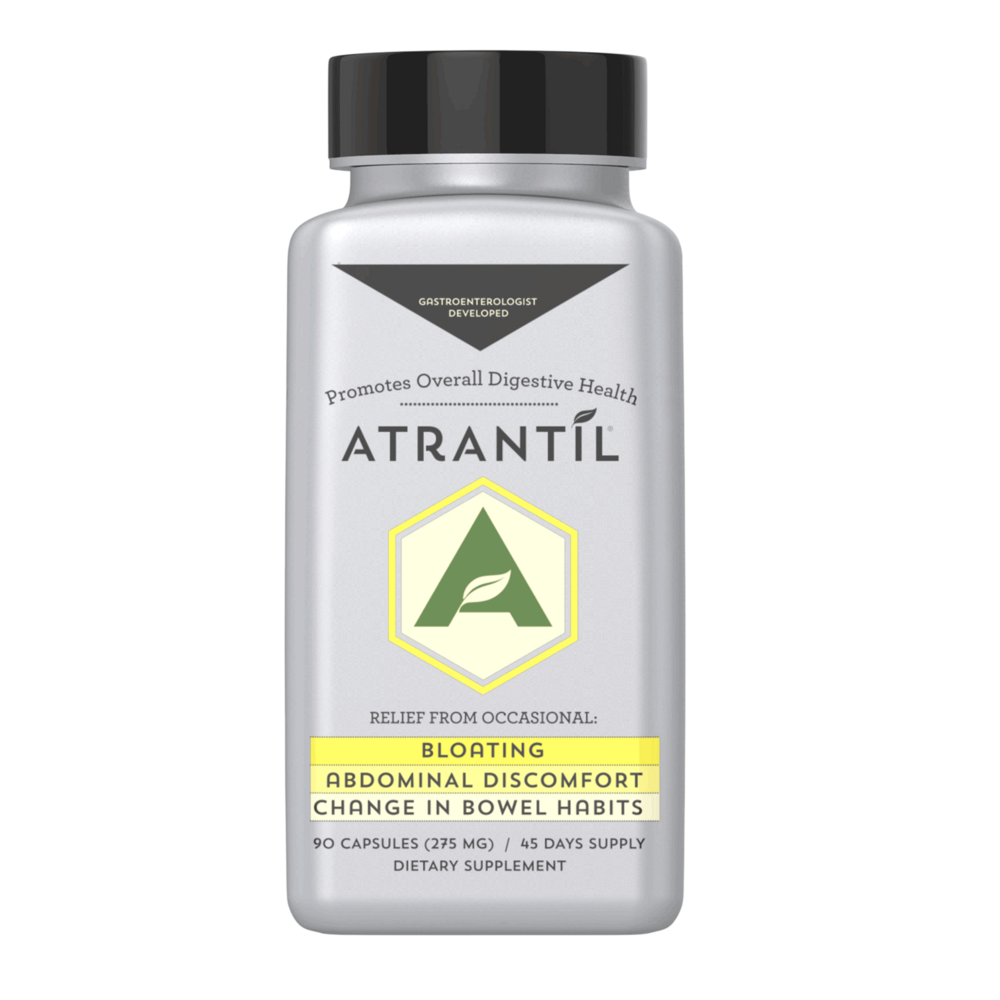
Atrantil
Atrantil
90 capsules
$39.99
Add to cart for lower price
Ortho Molecular Products
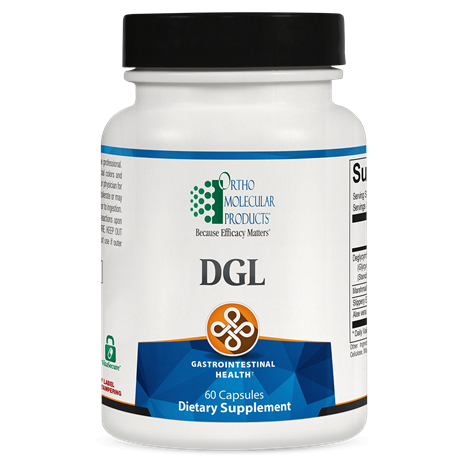
DGL
60 capsules
$33.47
Add to cart for lower price
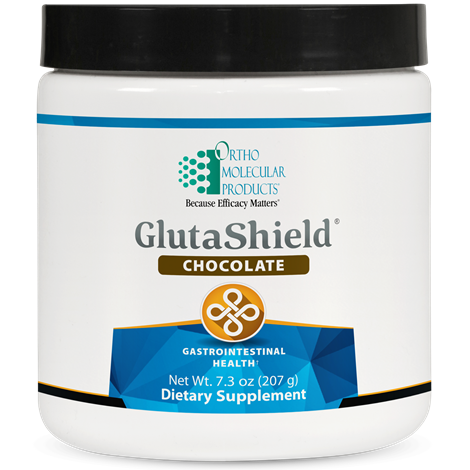
Ortho Molecular Products
GlutaShield® Chocolate
207 grams
$66.10
Add to cart for lower price
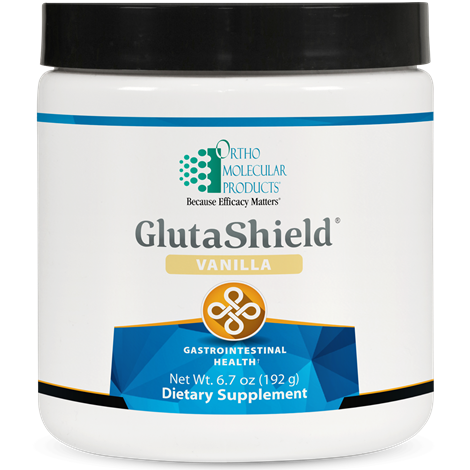
Ortho Molecular Products
GlutaShield® Vanilla
192 grams
$66.10
Add to cart for lower price