 Instalab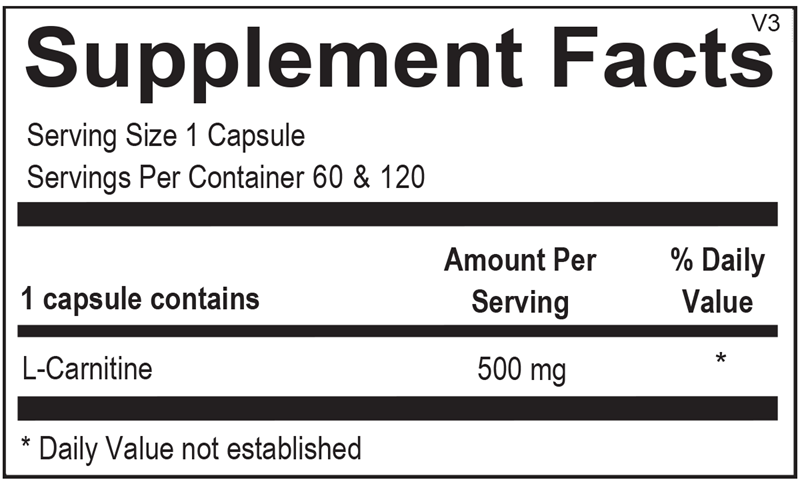
Ortho Molecular Products
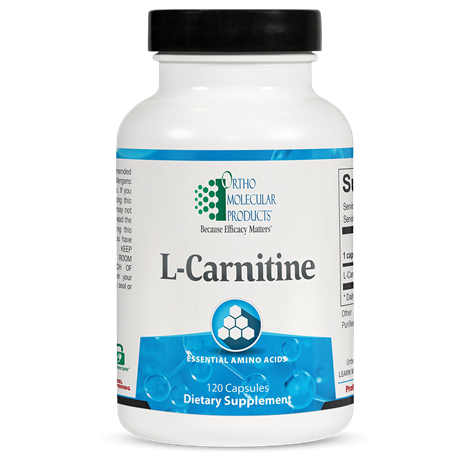
L-Carnitine 500 mg by Ortho Molecular Products
120 capsules · 120-day supply
Supports Energy Production and Fat Metabolism for Active Lifestyles$107.84
Purchase options
Practitioner-grade brand3rd-party testedFree shipping $50+
Gluten Free·Corn Free·Yeast Free·Artificial Color Free·Artificial Flavor Free
Ortho Molecular Products L-Carnitine overview
If you’re looking up L-carnitine benefits because energy feels flat despite decent sleep, this is a targeted pick when your Carnitine, Free and Total is low or low-normal. Vegans and vegetarians, endurance athletes during heavy blocks, hemodialysis patients, and people on valproate often run low. It’s also reasonable if recovery feels slow and your Triglycerides are normal but fatigue persists, since deficiency shows up first as exercise intolerance rather than labs everyone checks.
L-carnitine ferries long‑chain fatty acids into mitochondria, the parts of cells that make ATP (energy), so they can be burned. That process, called beta-oxidation (the stepwise breakdown of fats for fuel), is rate-limited by carnitine when intake or synthesis is low. Muscles store most of the body’s carnitine, which is why low levels feel like poor endurance and slow recovery. In responders, consistent use improves exercise capacity and reduces next‑day soreness over 4 to 12 weeks.
The suggested use is one 500 mg capsule three times daily, totaling 1.5 g. Split dosing steadies uptake; most people tolerate it best with meals. Pre‑workout timing isn’t required—muscle uptake is gradual, not acute. If you’re correcting low Carnitine, Free and Total, expect 2 to 4 weeks for energy to improve, and closer to 8 to 12 weeks for measurable training effects. For brain-focused goals, acetyl‑L‑carnitine is the better form.
If you have a seizure disorder, use with clinician oversight; rare cases report increased seizure frequency at higher doses. Treating hyperthyroidism is a special case, since carnitine can blunt thyroid hormone action in tissues; coordinate with your endocrinologist. Known cardiovascular disease and interest in TMAO (a gut-derived metabolite tied to risk) warrants caution—consider checking a TMAO test if you plan long‑term, higher-dose use.
Frequently asked questions
Does L-carnitine help with fat loss?
Not by itself. L-carnitine helps you use fat as fuel during activity, but body fat changes come from calorie balance. In people who are low in carnitine or doing endurance training, it can make workouts feel easier, which indirectly helps adherence.
How long does L-carnitine take to work?
If your level is low, energy and exercise tolerance often improve within 2 to 4 weeks. Training adaptations and recovery benefits generally show up after 8 to 12 weeks of daily use.
What time of day should I take L-carnitine?
Take 500 mg three times per day with meals for best tolerance. It doesn’t need to be taken right before a workout, since muscle levels build gradually with steady dosing.
Is acetyl-L-carnitine better than L-carnitine?
They’re different tools. L-carnitine targets muscle energy and exercise recovery. Acetyl-L-carnitine crosses into the brain more readily and is preferred for cognitive goals. Doses are not interchangeable.
Can I take L-carnitine with thyroid medication?
If you’re on levothyroxine for hypothyroidism, spacing L-carnitine at least 4 hours away is prudent. If you have hyperthyroidism or are adjusting doses, talk with your endocrinologist before starting.
Are there side effects with L-carnitine?
Most people tolerate it well. Possible effects include mild nausea, stomach upset, or a fishy body odor at higher doses. Taking it with food and splitting doses usually solves this.
Does L-carnitine raise TMAO?
It can raise TMAO in some people, depending on gut bacteria. The clinical meaning is still debated. If you have cardiovascular disease and plan long-term use, consider monitoring a TMAO test.
Is L-carnitine helpful on valproate?
Yes. Valproate can lower carnitine and contribute to fatigue or liver stress. Clinicians often use L-carnitine in this setting; coordinate dosing and labs with your prescriber.
How to take it & ingredients
Suggested use: Take 1 capsule three times per day or as recommended by your health care professional.
Active ingredients
1 capsule per serving · 120 servings
L-Carnitine
500 mg
Other ingredients: Natural Vegetable Capsules, Glycerin, Purified Water
Certifications
Benefits
Warnings