 Instalab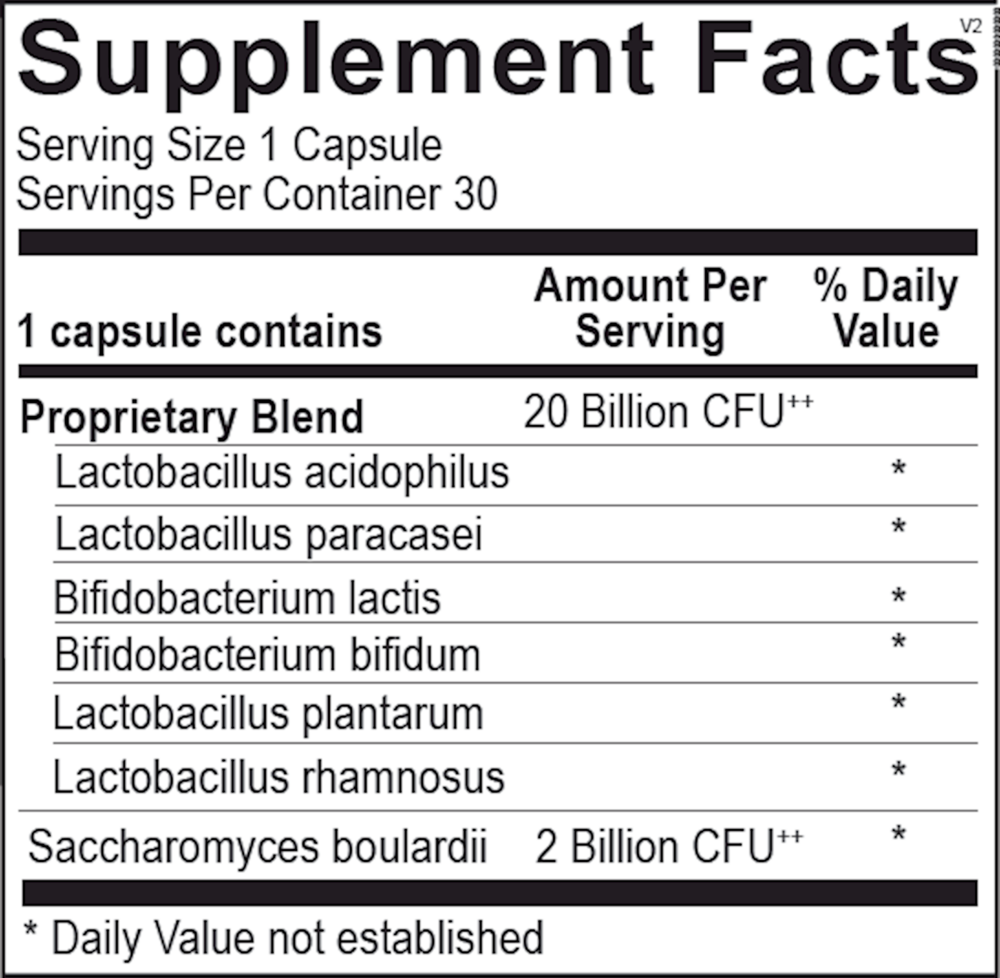


Ortho Molecular Products
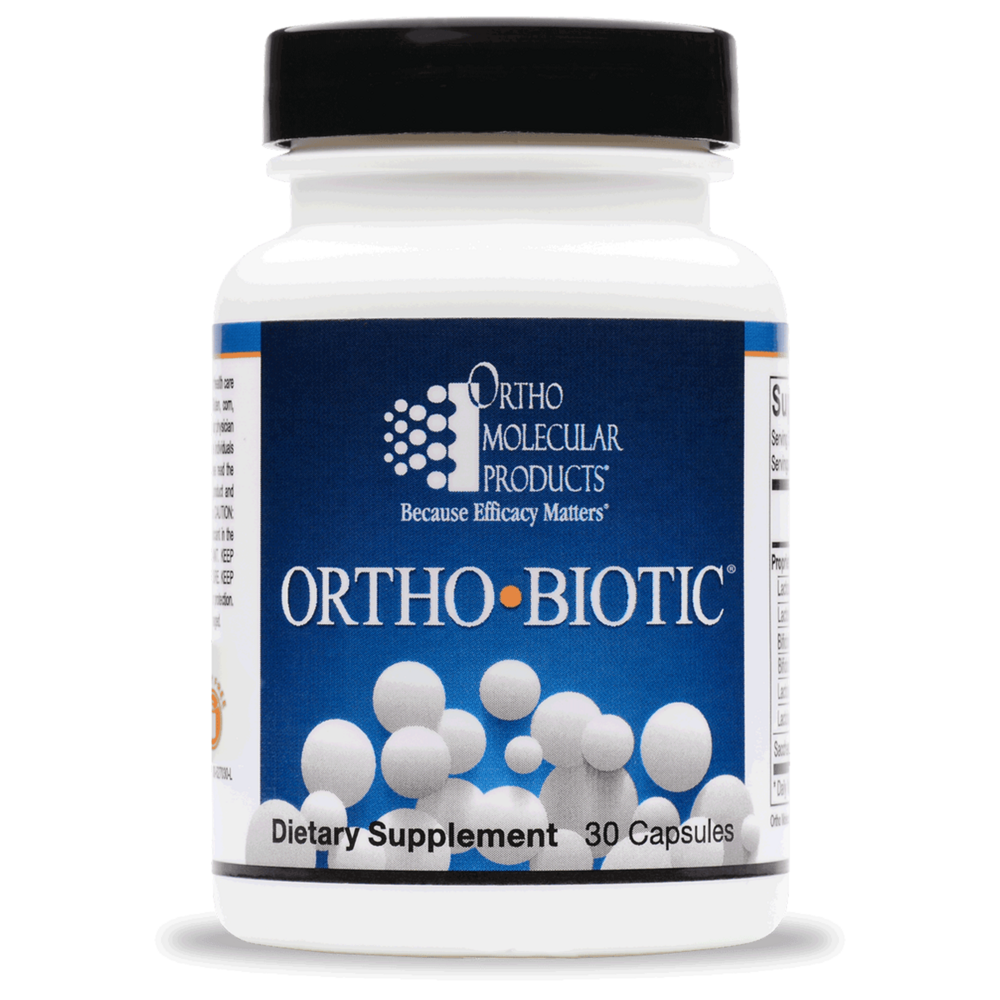
Ortho Biotic by Ortho Molecular Products
30 capsules · 30-day supply
Daily Probiotic Support for Gut Health and Immune Function$53.45
Purchase options
Practitioner-grade brand3rd-party testedFree shipping $50+
Gluten Free·Soy Free·Dairy Free·Egg Free·Milk Free·Tree Nut Free·
Ortho Molecular Products Ortho Biotic overview
If you’re looking for a probiotic for bloating and irregularity after travel, antibiotics, or high-stress weeks, this fits. The 20 billion CFU multi‑strain blend plus 2 billion CFU Saccharomyces boulardii (a beneficial yeast) is a good daily pick for loose stools, post-antibiotic recovery, and gut-immune support when you catch frequent colds. It’s also reasonable if your Comprehensive Stool Analysis shows low Lactobacillus/Bifidobacterium, or if low Ferritin or Vitamin B12 suggests absorption could be better.
The bacterial strains help crowd out gas-producing microbes and reinforce the mucus barrier, which is why many notice less bloating within 1 to 2 weeks. Saccharomyces boulardii survives stomach acid and typical antibiotics, so it can reduce antibiotic-associated diarrhea and the risk of recurrent C. difficile. Together they produce short-chain fatty acids (fuel for colon cells) and nudge the immune system toward tolerance, which often shows up as steadier stools and fewer urgent trips to the bathroom.
Take 1 capsule daily, any time, with or without food. During antibiotics, keep the probiotic but separate doses by 2–3 hours for best survival; continue for at least 1–2 weeks after the last antibiotic dose. Most people see changes in regularity and bloating within 7–14 days, with steadier benefits by 4 weeks. If you’re highly sensitive, start every other day for a week, then move to daily.
Avoid if you are immunocompromised, have a central venous catheter, or are critically ill, because probiotics and S. boulardii can rarely cause bloodstream infections in these settings. Skip while taking antifungals like fluconazole or nystatin, which inactivate S. boulardii. Yeast allergy is a no-go. If severe bloating worsens, consider evaluation for SIBO and check Calprotectin to rule out active gut inflammation before continuing.
Frequently asked questions
Can I take this probiotic with antibiotics?
Yes. Take the probiotic at least 2–3 hours away from the antibiotic so more organisms survive. Keep it going for 1–2 weeks after you finish the antibiotic to stabilize your gut.
How long until this probiotic helps bloating?
Most people notice less gas and steadier stools within 7–14 days. If your gut has been disrupted for a long time, give it 4 weeks. If symptoms worsen, stop and reassess.
Does Saccharomyces boulardii cause yeast overgrowth?
No. S. boulardii is a non-colonizing probiotic yeast that does not persist after you stop. It has been studied to reduce antibiotic-associated diarrhea and is not Candida.
Do I need to refrigerate this probiotic?
It’s generally shelf-stable at room temperature if kept dry and away from heat. If you live in a hot climate, storing it in the fridge can extend potency.
Can I open the capsule and mix it with food?
Yes. You can open it and mix with cool or room‑temperature food. Avoid hot liquids, which can reduce live counts, and take promptly after mixing.
Is this probiotic safe in pregnancy?
Probiotics are commonly used in pregnancy, but adding S. boulardii is best decided with your clinician. Avoid if you’re immunocompromised or have a central line.
What side effects should I expect at first?
Mild gas or a temporary change in stool is common the first few days. This usually settles within a week. Persistent pain, fever, or worsening diarrhea warrants stopping and seeking care.
Should I take a prebiotic with this probiotic?
If you tolerate fiber, adding a prebiotic like partially hydrolyzed guar gum can help. If you’re very gassy or suspect SIBO, start with the probiotic alone and reassess.
How to take it & ingredients
Suggested use: Take 1 capsule once per day, anytime.
Active ingredients
1 capsule per serving · 30 servings
▼
Proprietary Probiotic Blend
20 billion CFU
Lactobacillus acidophilus
-
Bifidobacterium bifidum
-
Lactobacillus rhamnosus
-
Lactobacillus paracasei
-
Bifidobacterium lactis
-
Lactobacillus plantarum
-
Saccharomyces boulardii
2 billion CFU
Other ingredients: Natural Vegetable Capsules, Microcrystalline Cellulose, Silicon Dioxide, Magnesium Stearate
Certifications
Benefits
Warnings
Customers also considered
Bacillus Coagulans
Thorne
60 capsules
$33.00$29.70 with Subscribe & Save

Complete Biotic
Thorne
30 packets
$46.00$41.40 with Subscribe & Save
Complete Probiotics 70 Billion CFU
Dr. Mercola
30 capsules
$46.99$37.99 with Subscribe & Save

Digestive Probiotic & Prebiotic Grape
SmartyPants
60 gummies
$36.99$29.99 with Subscribe & Save