 Instalab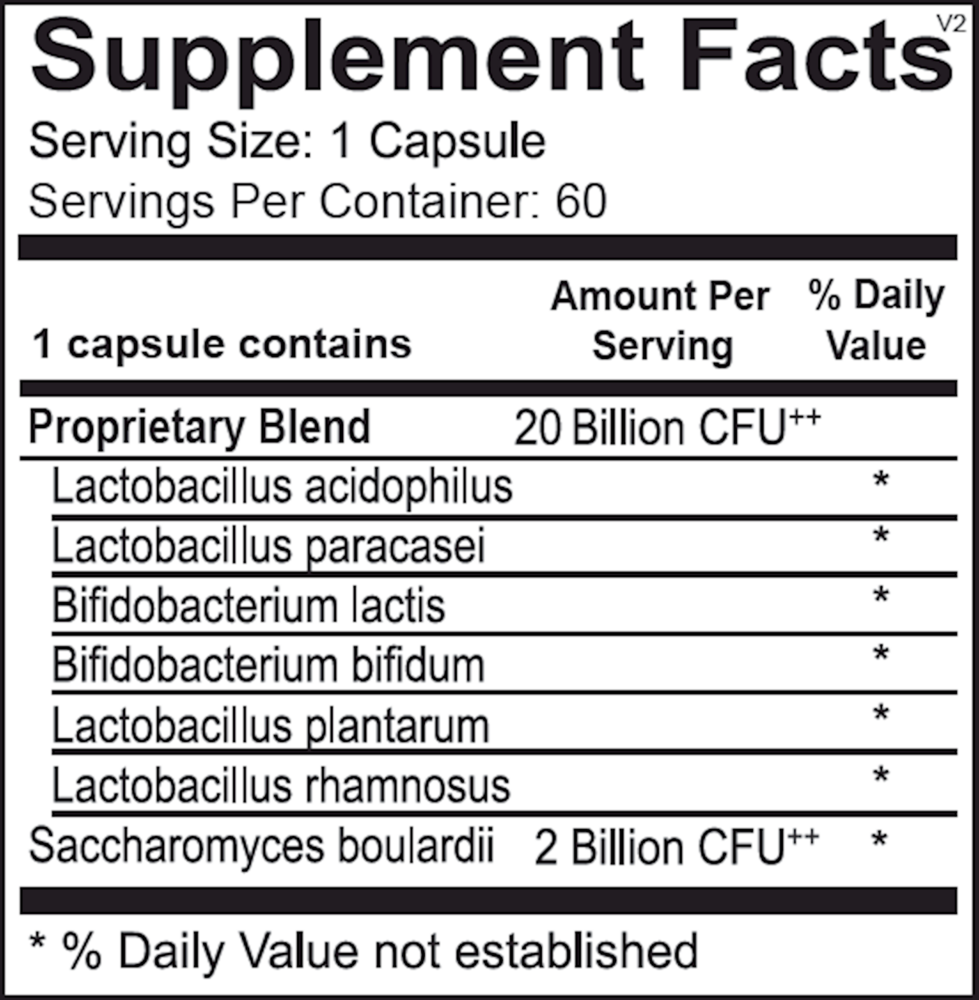

Ortho Molecular Products
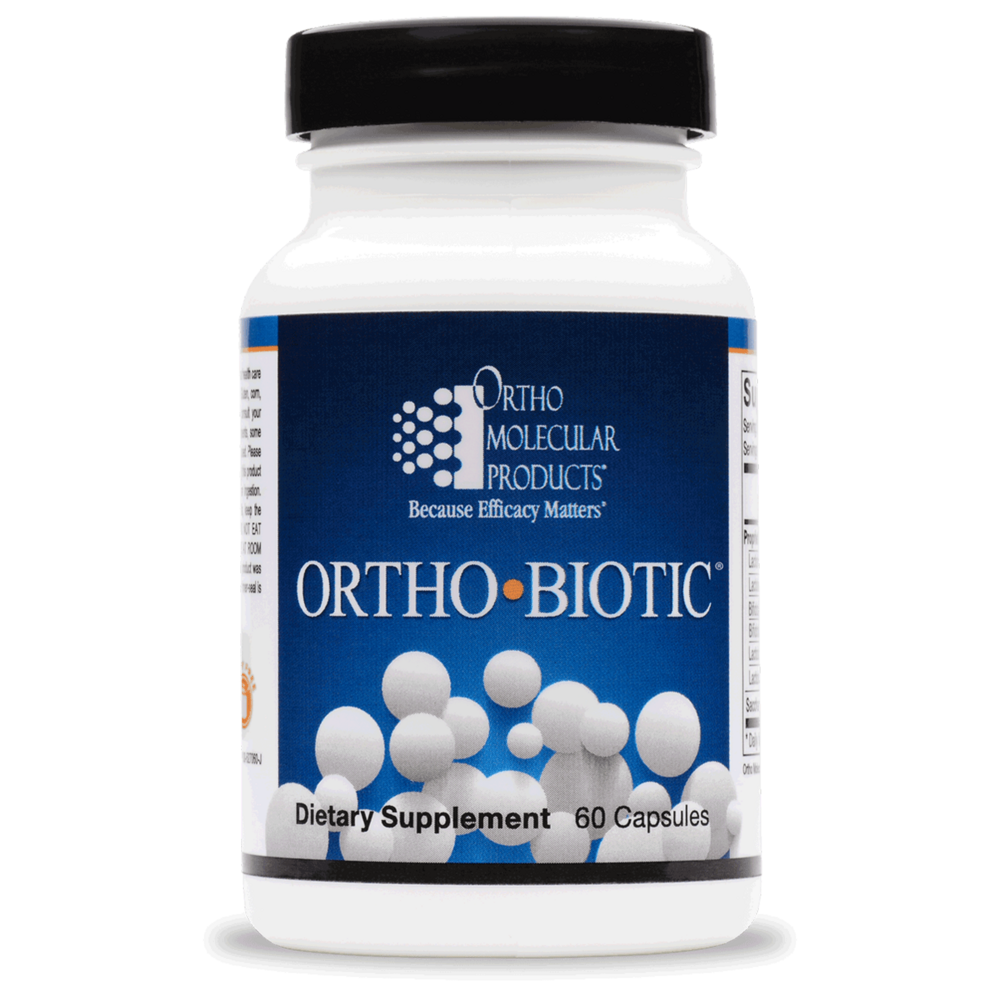
Ortho Biotic by Ortho Molecular Products
60 capsules · 60-day supply
Daily Probiotic Support for Gut Health and Immune Function$86.41
Purchase options
Practitioner-grade brand3rd-party testedFree shipping $50+
Gluten Free·Soy Free·Dairy Free·Egg Free·Milk Free·Tree Nut Free·
Ortho Molecular Products Ortho Biotic overview
If you want a Saccharomyces boulardii probiotic alongside daily Lactobacillus/Bifidobacterium strains, this is a practical pick. It fits adults starting or on antibiotics to reduce loose stools, frequent travelers, and those with diet- or stress-related irregularity. If your stool tests show disrupted flora or low diversity on a microbiome panel, adding a multi-strain probiotic can help stabilize things within 1 to 4 weeks. For chronic inflammatory gut disease, you’ll need clinician guidance and strain-specific plans.
The 20 billion CFU blend supplies Lactobacillus and Bifidobacterium that produce short-chain acids (natural byproducts that lower gut pH and discourage pathogens) and compete for space and nutrients. Saccharomyces boulardii (a beneficial yeast) adds another layer by blocking toxin binding from problem bacteria and shaping immune signaling in the gut lining. Together, these organisms can tighten barrier function, cut antibiotic-associated diarrhea risk, and modestly reduce gas and bloating in responders.
One capsule daily, any time. With antibiotics, separate by 2 to 3 hours so the drug doesn’t wipe out the bacteria; S. boulardii is a yeast and is less affected, but spacing still helps. For travel, start 5 to 7 days before the trip and continue through return. Expect bowel pattern changes within days during antibiotics, and 2 to 4 weeks for steadier regularity or less bloating. Keep the routine daily rather than pulsed.
Avoid if you are severely immunocompromised, have a central venous catheter, are critically ill, or are on antifungal drugs, since Saccharomyces boulardii is a yeast that antifungals will inactivate. If you have high fevers, blood in stool, or significant weight loss, see a clinician first. Probiotics can modestly influence hs-CRP (a blood marker of inflammation) in some people, but if your hs-CRP is high from metabolic causes, fix diet, sleep, and activity before leaning on a capsule.
Frequently asked questions
How long does a probiotic with Saccharomyces boulardii take to work?
During antibiotic use or travel, changes in stool consistency often show within 3–7 days. For everyday regularity or bloating, give it 2–4 weeks of daily use to judge benefit.
Can I take this probiotic with antibiotics?
Yes. Take the probiotic 2–3 hours away from each antibiotic dose. Continue for at least a week after finishing the antibiotic to stabilize the microbiome.
Do antifungals affect Saccharomyces boulardii?
Yes. Prescription or over-the-counter antifungals can inactivate this yeast. If you need antifungal therapy, skip products containing S. boulardii during treatment.
Should I refrigerate this probiotic?
It’s shelf-stable at room temperature if kept dry and away from heat. Refrigeration can extend potency but isn’t required for short-term storage.
Can I open the capsule and mix it with food?
You can open it and mix with cool, soft food. Avoid hot liquids that can damage live organisms. Swallow promptly after mixing.
What side effects should I expect?
Mild gas, looser stools, or tummy rumbling in the first week are common and usually settle as your gut adapts. Stop and consult a clinician if you develop high fever or worsening diarrhea.
Is this probiotic safe in pregnancy or breastfeeding?
Generally considered low risk, but data are limited. Discuss with your obstetric clinician, especially if you have medical complications or are on other medications.
Will a probiotic lower inflammation markers like hs-CRP?
Effects are modest and vary. Some people see small hs-CRP reductions, but probiotics aren’t a primary tool for systemic inflammation; address diet, sleep, weight, and activity first.
How to take it & ingredients
Suggested use: Take 1 capsule once per day, anytime.
Active ingredients
1 capsule per serving · 60 servings
▼
Proprietary Probiotic Blend
20 billion CFU
Lactobacillus acidophilus
-
Bifidobacterium bifidum
-
Lactobacillus rhamnosus
-
Lactobacillus paracasei
-
Bifidobacterium lactis
-
Lactobacillus plantarum
-
Saccharomyces boulardii
2 billion CFU
Other ingredients: Natural Vegetable Capsules, Microcrystalline Cellulose, Silicon Dioxide, Magnesium Stearate
Certifications
Benefits
Warnings
Customers also considered
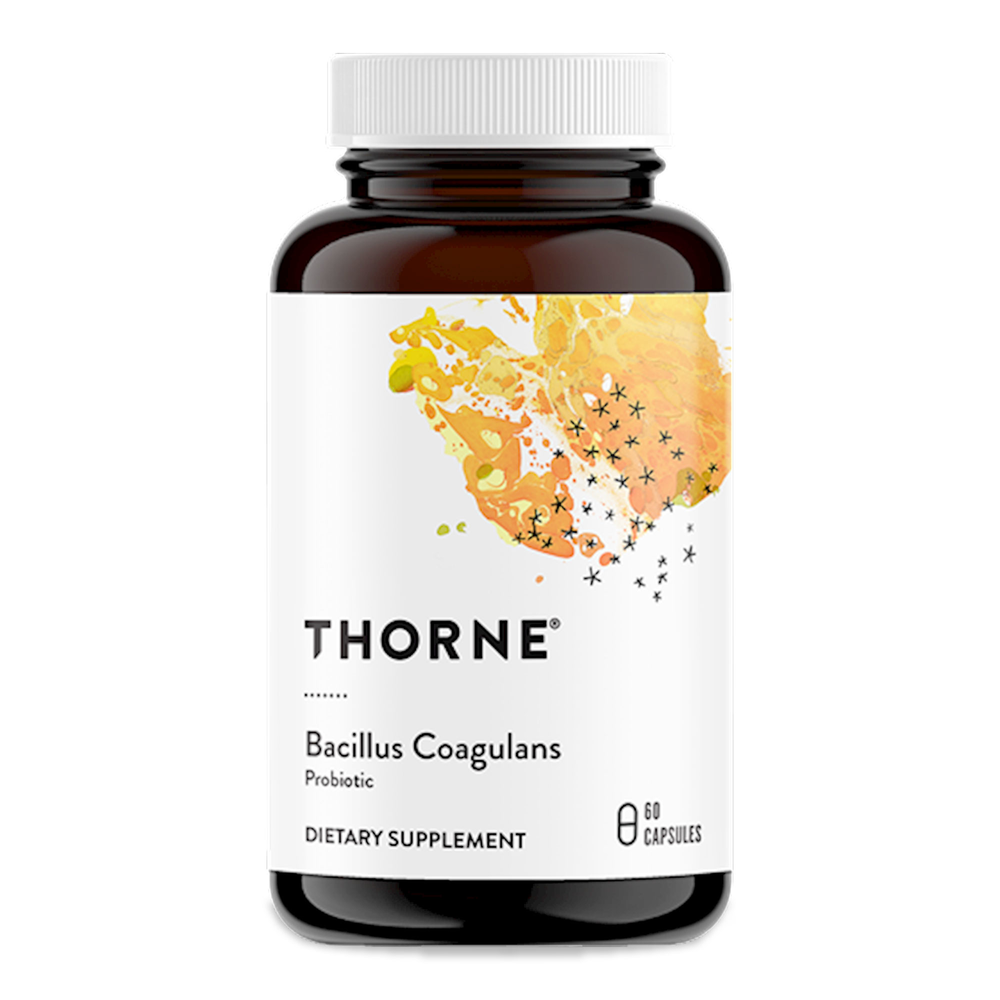
Bacillus Coagulans
Thorne
60 capsules
$33.00$29.70 with Subscribe & Save
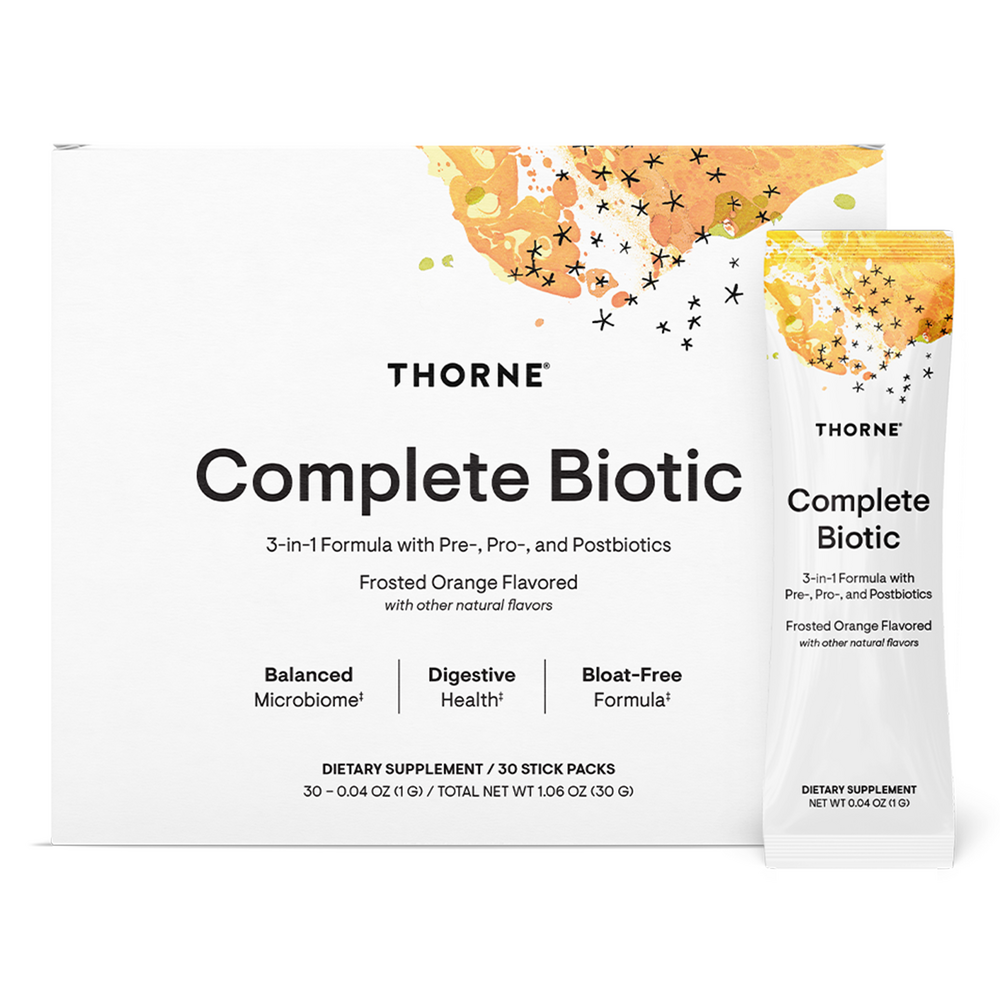
Complete Biotic
Thorne
30 packets
$46.00$41.40 with Subscribe & Save
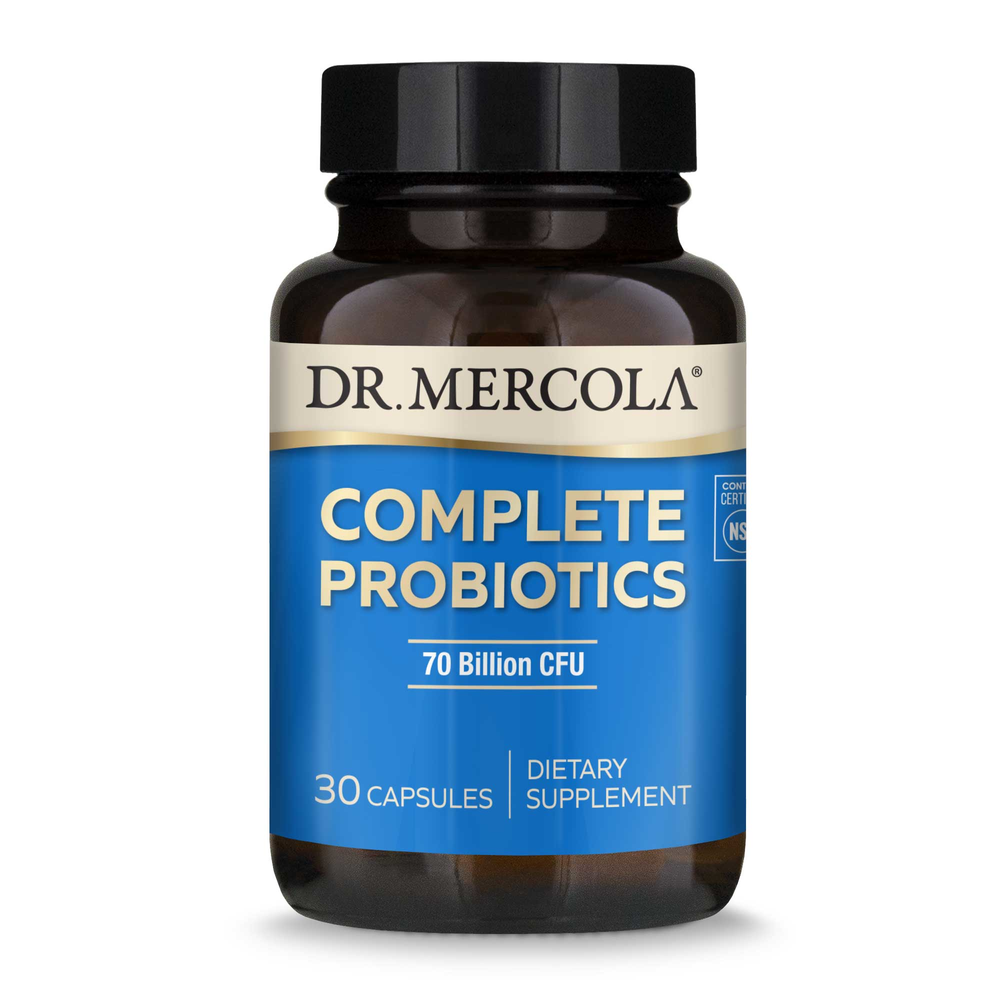
Complete Probiotics 70 Billion CFU
Dr. Mercola
30 capsules
$46.99$37.99 with Subscribe & Save
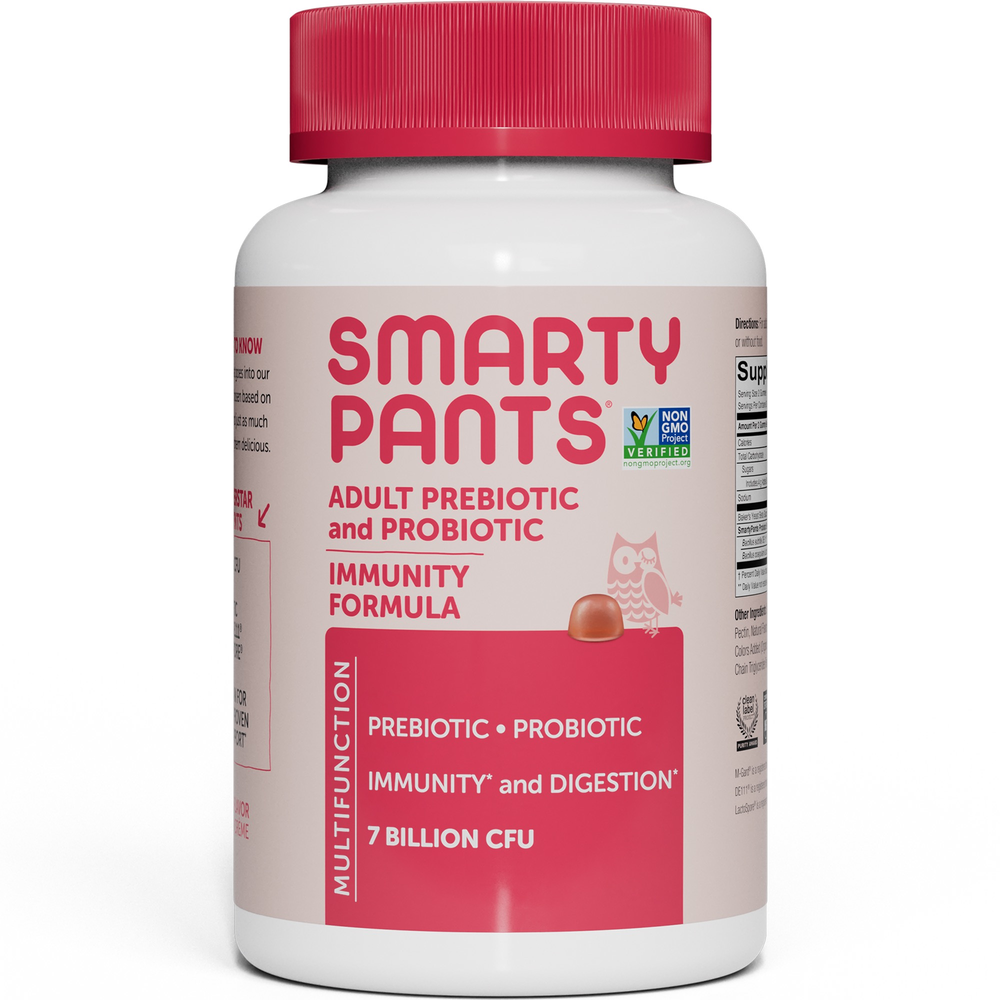
Digestive Probiotic & Prebiotic Grape
SmartyPants
60 gummies
$36.99$29.99 with Subscribe & Save