 Instalab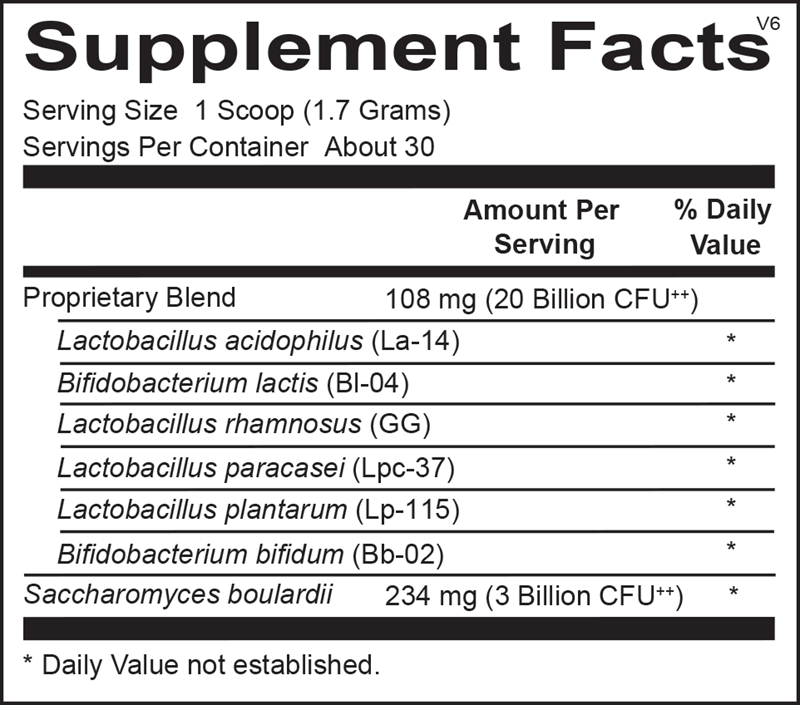

Ortho Molecular Products
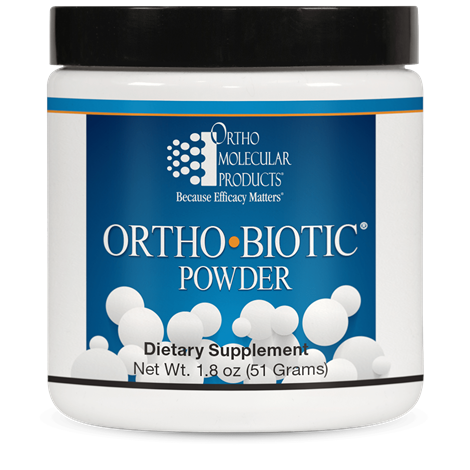
Ortho Biotic® Powder by Ortho Molecular Products
51 grams
Daily Probiotic Support for Gut Health and Digestive Balance$53.56
Purchase options
Practitioner-grade brand3rd-party testedFree shipping $50+
Gluten Free·Artificial Color Free·Artificial Flavor Free
Ortho Molecular Products Ortho Biotic® Powder overview
If you’re starting or finishing an antibiotic, a probiotic after antibiotics is one of the few evidence-backed moves to keep stools normal. This powder combines 20 billion CFU of lacto-bifido bacteria with 3 billion CFU of Saccharomyces boulardii (a probiotic yeast that antibiotics don’t kill). That pairing fits adults prone to loose stools from antibiotics, frequent travelers, or those with diet or stress-related irregularity who prefer a mixable powder over capsules.
The lactobacillus and bifidobacterium strains crowd out gas-producing microbes, help reinforce the gut lining, and make short-chain fatty acids that steady stool form. Saccharomyces boulardii uniquely survives antibiotics and binds toxins from problem bugs, which is why it cuts antibiotic-associated diarrhea risk in many trials and shortens duration when it happens. Together, these organisms often calm urgency and normalize stool frequency within 2 to 7 days in responders.
Mix one scoop in cool water or a non-hot beverage once daily. Take with a meal to buffer stomach acid. If you’re on antibiotics, take this at a different time of day, at least 2 to 3 hours apart; keep Saccharomyces boulardii going through the full course and for 1 to 2 weeks after. If you’re sensitive, start with a half scoop for 3 to 4 days, then increase. Avoid hot liquids, which can inactivate the cultures.
Skip probiotics with Saccharomyces boulardii if you are severely immunocompromised, are in the ICU, or have a central venous catheter, due to rare bloodstream yeast infections reported in these settings. Do not use alongside antifungal drugs, which will inactivate the yeast. If you have new blood in stool, high fever, or severe abdominal pain, stop and seek medical care rather than self-managing with a probiotic.
Frequently asked questions
Can I take this probiotic with antibiotics?
Yes. Take it at a different time of day, 2–3 hours away from each antibiotic dose. The bacterial strains are sensitive to antibiotics, but Saccharomyces boulardii is a yeast and isn’t killed by them.
How long until a probiotic helps diarrhea?
For antibiotic-associated loose stools, responders often notice steadier stools within 2–7 days. Give it up to 2 weeks for day-to-day regularity. If symptoms persist or worsen, check in with a clinician.
Should I refrigerate probiotic powder?
Store at room temperature unless the label says otherwise. Keep the lid tight and avoid heat and moisture. Do not mix into hot drinks, which can kill live cultures.
Can I use this during travel to prevent diarrhea?
Starting 3–5 days before travel and continuing daily during the trip is reasonable. Saccharomyces boulardii has the best data for traveler’s diarrhea prevention compared with bacteria-only probiotics.
What side effects should I expect?
Temporary gas, mild bloating, or a brief change in stool pattern can occur in the first few days. These usually settle as your gut adapts. If you develop fever or severe pain, stop and seek care.
Is Saccharomyces boulardii safe with antifungals?
No. Antifungal medications will kill the yeast, making it ineffective. If you need antifungals, choose a bacteria-only probiotic and discuss timing with your clinician.
Can I take this while pregnant or breastfeeding?
Probiotics are generally considered low-risk, but safety data are limited. Because this includes a yeast strain, discuss with your obstetric clinician before starting.
Do I need to take this forever?
Not necessarily. For antibiotics, use during the course and 1–2 weeks after. For routine regularity, many people find a steady daily dose helpful; others pulse it during higher-stress or travel periods.
How to take it & ingredients
Suggested use: Add one scoop (1.7 grams) to water or a beverage of your choice, stir and drink, or as recommended by your health care professional. Consume daily.
Active ingredients
1 scoop = 1.7 grams per serving
▼
Proprietary Probiotic Blend
20 billion CFU
Lactobacillus acidophilus (La-14)
-
Bifidobacterium lactis (Bl-04)
-
Lactobacillus rhamnosus (GG)
-
Lactobacillus paracasei (Lpc-37)
-
Lactobacillus plantarum (Lp-115)
-
Bifidobacterium bifidum (Bb-02)
-
Saccharomyces boulardii
Probiotic yeast
Probiotic yeast
3 billion CFU
Other ingredients: Microcrystalline Cellulose, Silicon Dioxide
Certifications
Benefits
Warnings
Customers also considered
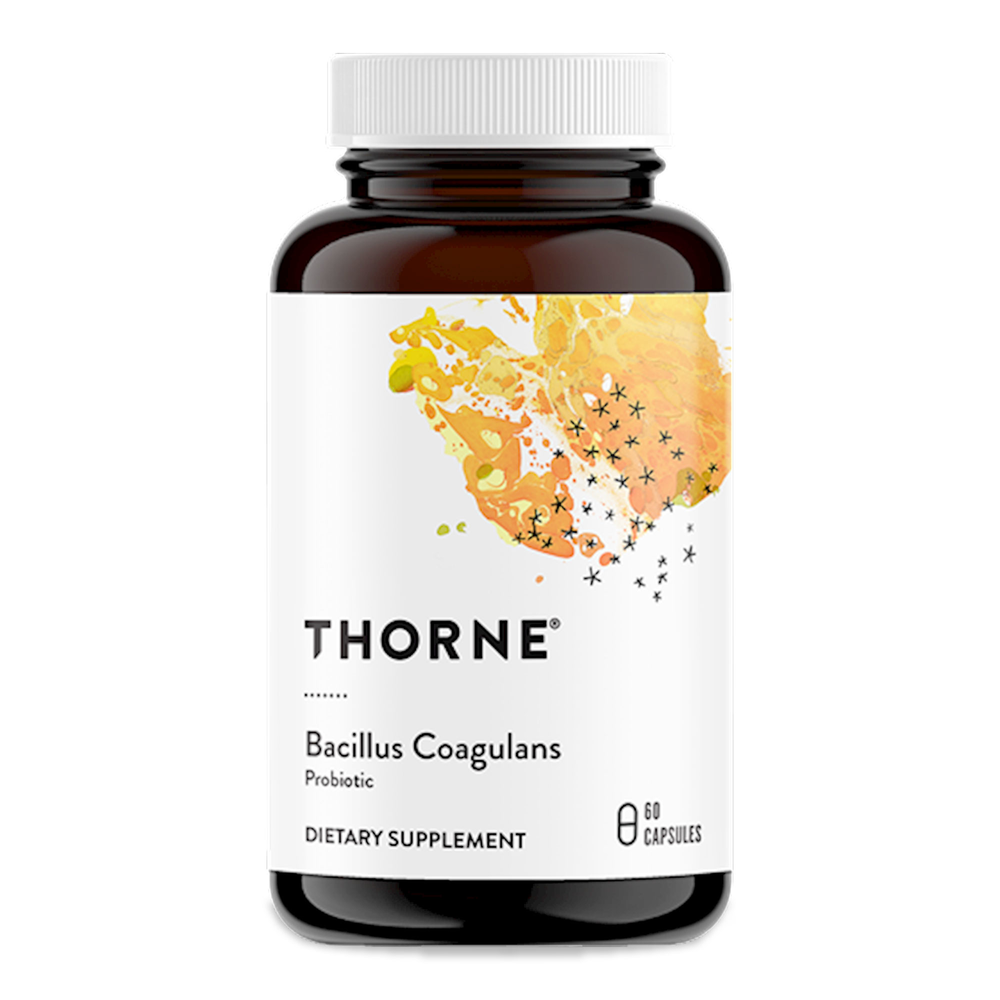
Bacillus Coagulans
Thorne
60 capsules
$33.00$29.70 with Subscribe & Save
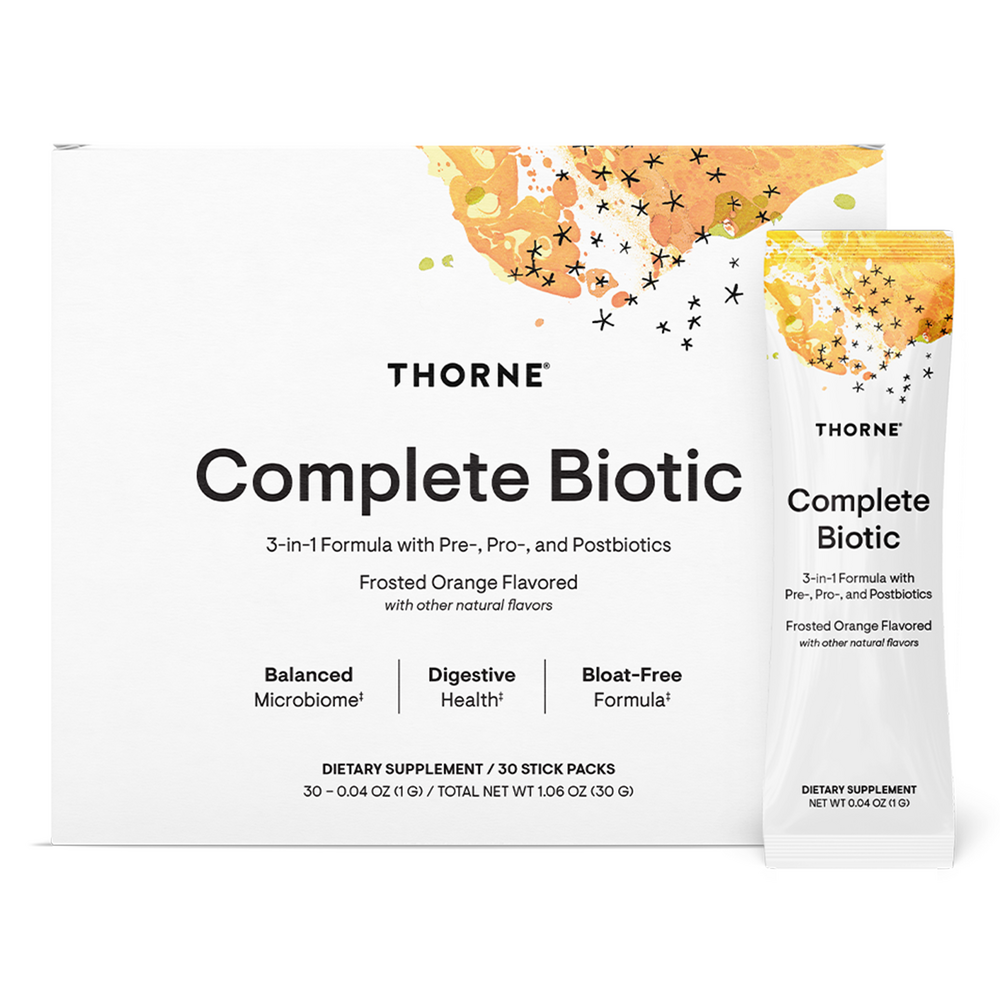
Complete Biotic
Thorne
30 packets
$46.00$41.40 with Subscribe & Save
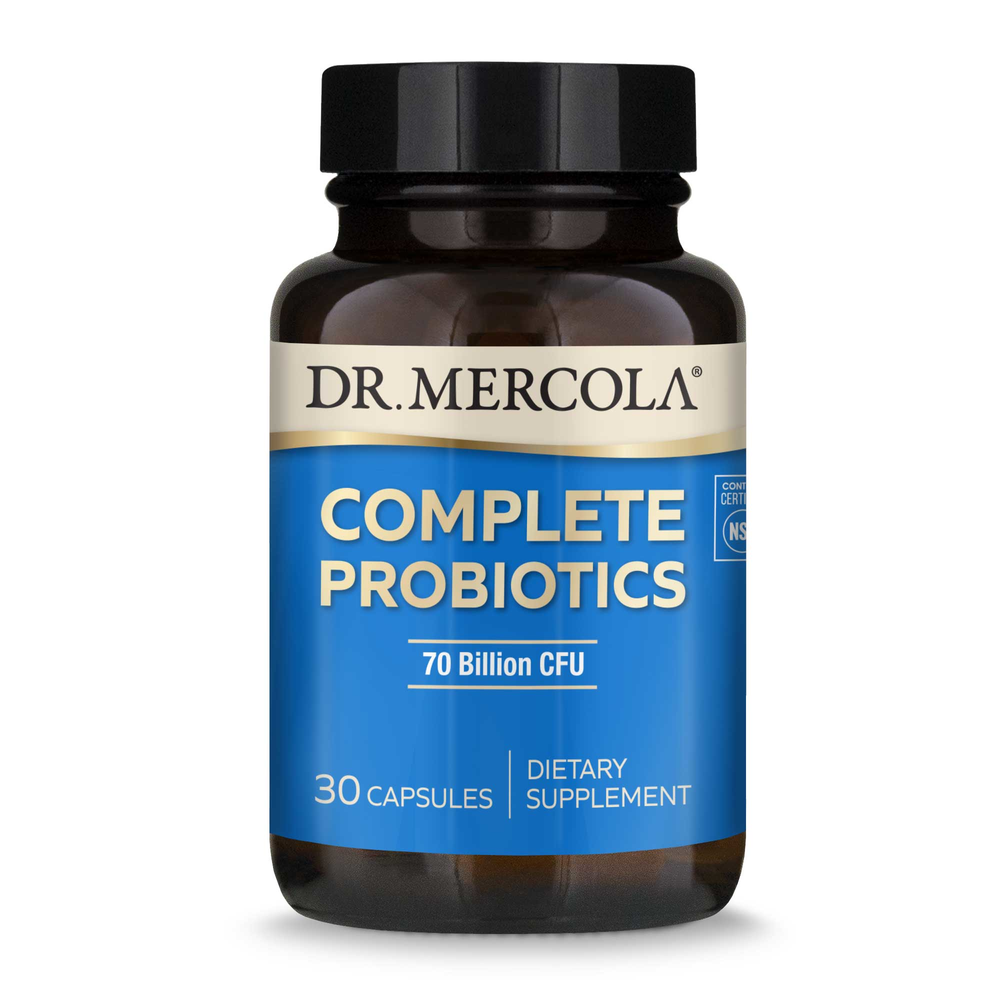
Complete Probiotics 70 Billion CFU
Dr. Mercola
30 capsules
$46.99$37.99 with Subscribe & Save
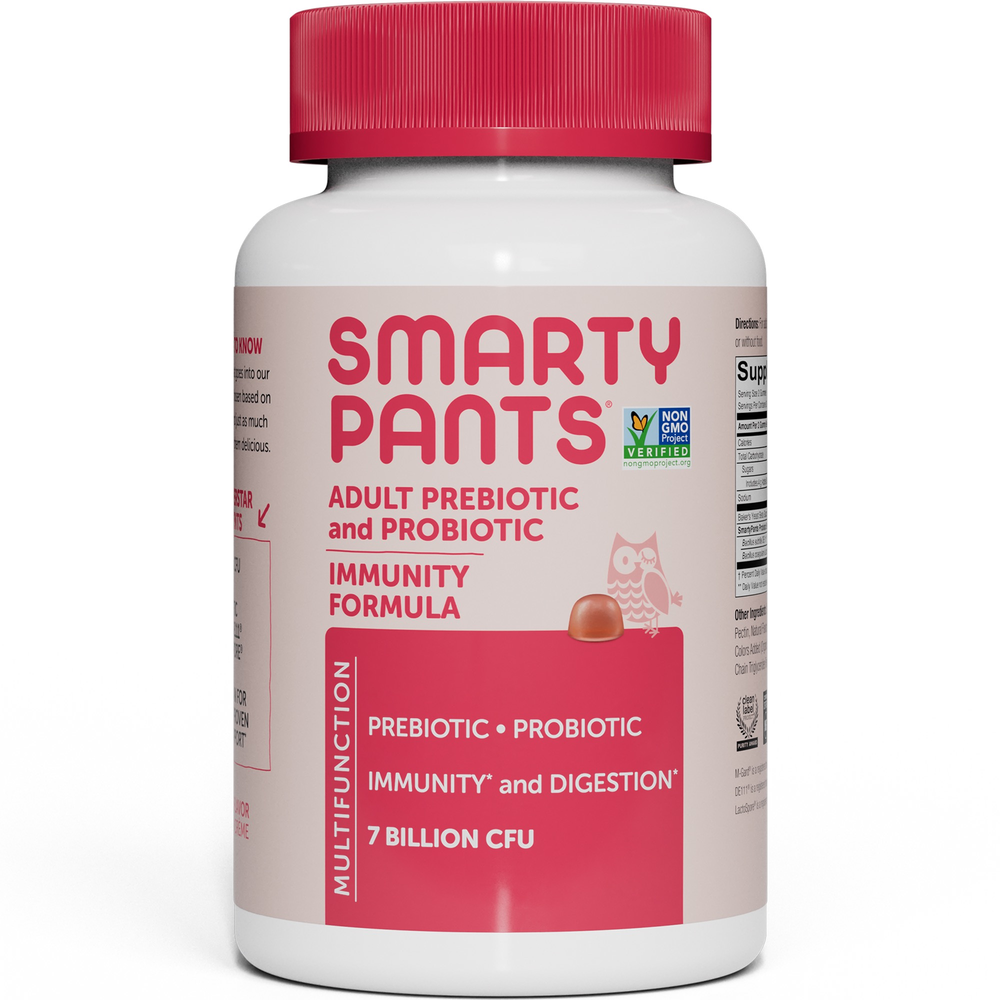
Digestive Probiotic & Prebiotic Grape
SmartyPants
60 gummies
$36.99$29.99 with Subscribe & Save