 Instalab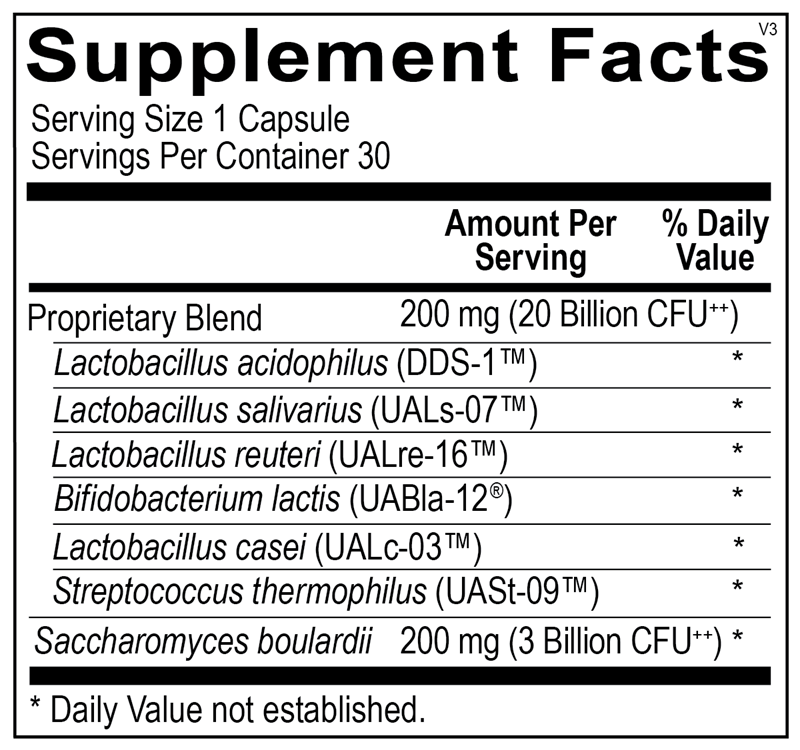

Ortho Molecular Products
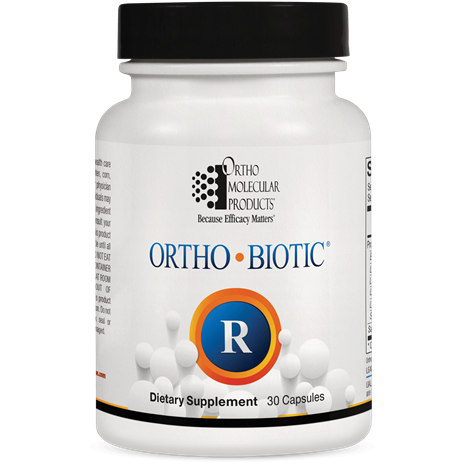
Ortho Biotic® R by Ortho Molecular Products
30 capsules · 30-day supply
Support Your Gut Health with 20 Billion CFU of Probiotics$56.55
Purchase options
Practitioner-grade brand3rd-party testedFree shipping $50+
Gluten Free·Corn Free·Artificial Color Free·Artificial Flavor Free
Ortho Molecular Products Ortho Biotic® R overview
If you’re taking antibiotics and want to prevent loose stools, a Saccharomyces boulardii probiotic is one of the few with consistent human data. It’s useful for people with a history of antibiotic-associated diarrhea or prior C. difficile infection, frequent travelers, and those with a diarrhea-predominant pattern of irritable bowel symptoms. Because this is a yeast, not a bacteria, it keeps working during antibiotic courses. Stool testing isn’t required, but consider it if symptoms persist after 2 to 4 weeks.
S. boulardii is a probiotic yeast that isn’t killed by antibiotics. It crowds out harmful microbes, binds bacterial toxins from C. difficile, and raises secretory IgA (the antibody that coats your gut lining) to strengthen barrier function. The companion bacterial strains in this probiotic add diversity, which can help settle stool frequency and improve stool form within days to a few weeks. It does not permanently colonize, so benefits depend on continued use during the trigger period.
Take 1 capsule daily, with or without food. During antibiotics, take this probiotic at a different time of day, ideally 2 to 3 hours apart, and continue for 1 to 2 weeks after finishing the prescription. For travel, start 3 to 5 days before departure and continue through the trip. If you’re sensitive, begin every other day for the first week, then advance as tolerated.
Avoid S. boulardii if you are on antifungals like fluconazole or nystatin, which inactivate this probiotic. Use only with clinician oversight if you’re severely immunocompromised, critically ill, have a central venous catheter, or a history of fungemia. Yeast allergy is a contraindication. Pregnancy and breastfeeding data are limited, so discuss with your obstetric clinician before use.
Frequently asked questions
Does Saccharomyces boulardii work while on antibiotics?
Yes. S. boulardii is a probiotic yeast, so common antibiotics don’t kill it. Take it 2–3 hours apart from the antibiotic and continue for 1–2 weeks after the course.
How long does this probiotic take to work?
For antibiotic-associated or travel-related loose stools, many notice improvement within a few days, with steadier results in 1–2 weeks. If symptoms persist beyond 2–4 weeks, reassess with your clinician.
Can I take Saccharomyces boulardii with antifungals?
No. Antifungal drugs such as fluconazole or nystatin inactivate this probiotic. If you need a probiotic while on antifungals, choose a bacterial probiotic instead.
Does Saccharomyces boulardii colonize the gut?
No. It’s transient. It exerts effects while you take it, then clears within a few days of stopping. That’s why it’s ideal for time-limited triggers like antibiotics or travel.
Is this probiotic safe if I’m immunocompromised?
Use caution. There are rare case reports of bloodstream infection with S. boulardii in high-risk settings. If you’re immunocompromised or have a central line, use only with clinician guidance.
What side effects should I expect?
Most people tolerate it well. Temporary gas or mild bloating can occur in the first few days and usually settles. Stop and seek care if you develop fever or severe abdominal pain.
Do I need to refrigerate Saccharomyces boulardii?
Most S. boulardii probiotics are shelf-stable at room temperature. Follow the label on this product for storage. Keep it dry and avoid heat above typical room temps.
Can I take this during pregnancy or breastfeeding?
Human data are limited. Some clinicians use S. boulardii in pregnancy for specific needs, but you should discuss risks and benefits with your obstetric clinician first.
How to take it & ingredients
Suggested use: 1 capsule per day or as recommended by your health care professional.
Active ingredients
1 capsule per serving · 30 servings
▼
Proprietary Blend
200 mg, 20 Billion CFU
Lactobacillus acidophilus (DDS-1™)
-
Lactobacillus salivarius (UALs-07™)
-
Lactobacillus reuteri (UALre-16™)
-
Bifidobacterium lactis (UABla-12®)
-
Lactobacillus casei (UALc-03™)
-
Streptococcus thermophilus (UASt-09™)
-
Saccharomyces boulardii
200 mg, 3 Billion CFU
Other ingredients: Hypromellose (Natural Vegetable Capsule), Microcrystalline Cellulose, Magnesium Stearate, Silicon Dioxide
Certifications
Benefits
Warnings
Customers also considered
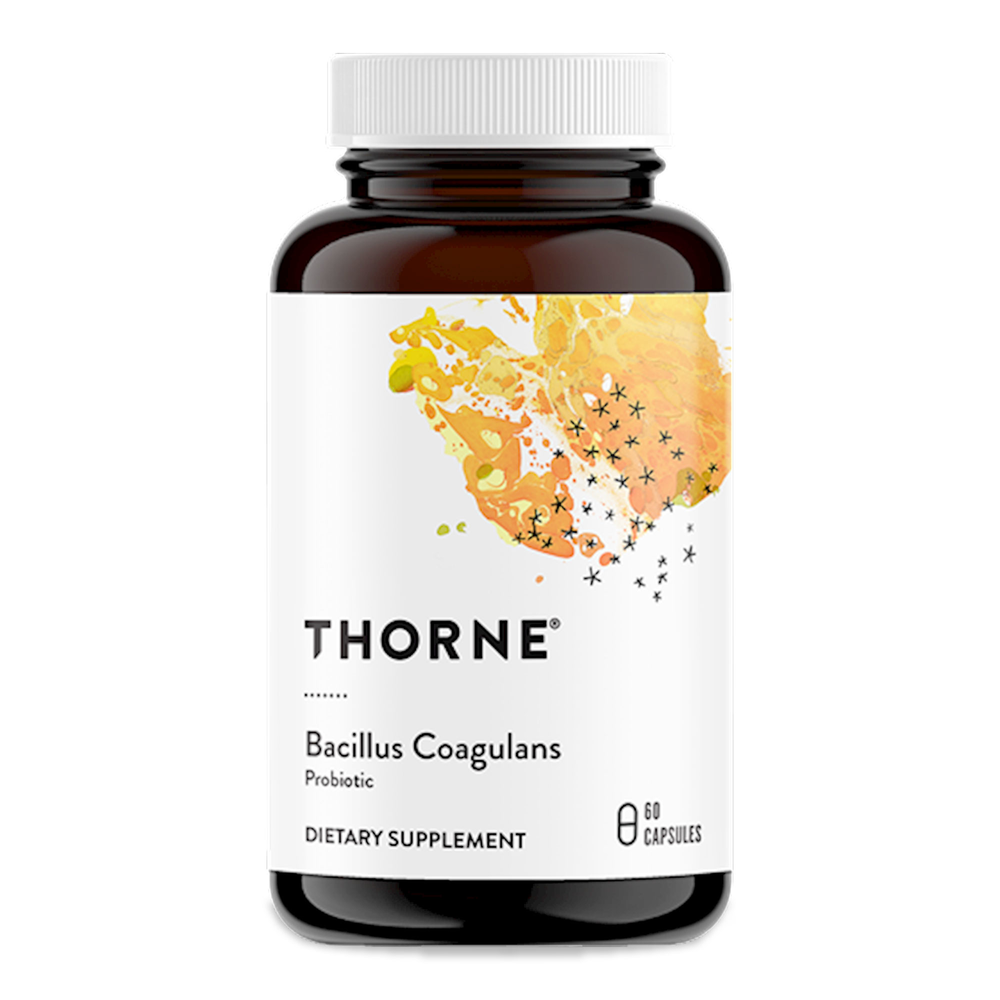
Bacillus Coagulans
Thorne
60 capsules
$33.00$29.70 with Subscribe & Save
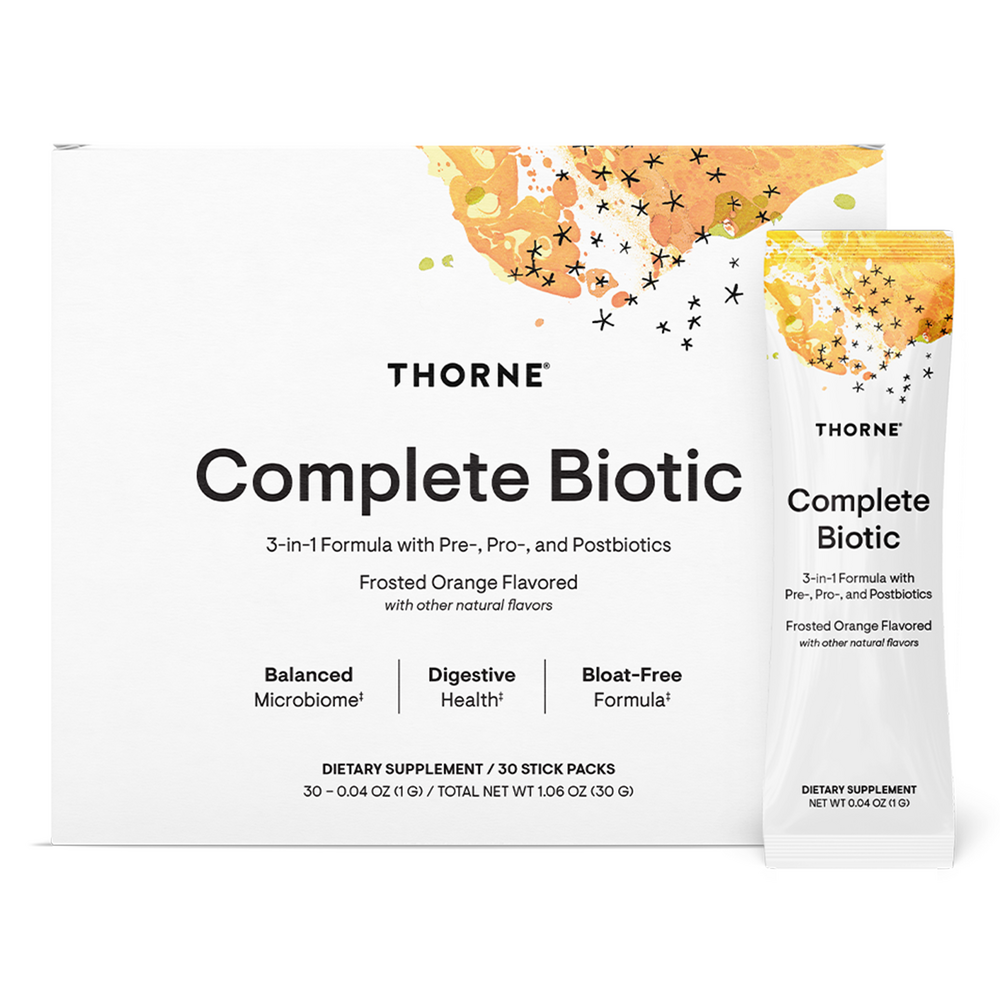
Complete Biotic
Thorne
30 packets
$46.00$41.40 with Subscribe & Save
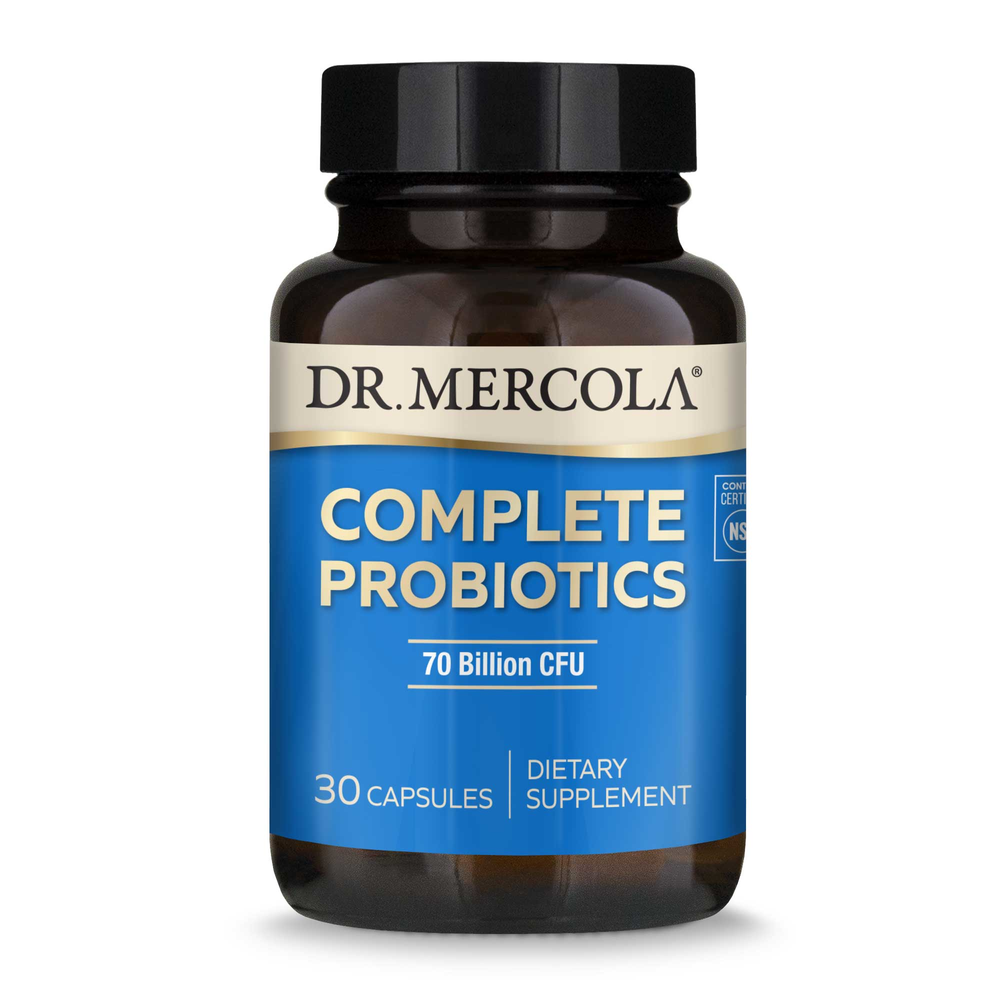
Complete Probiotics 70 Billion CFU
Dr. Mercola
30 capsules
$46.99$37.99 with Subscribe & Save
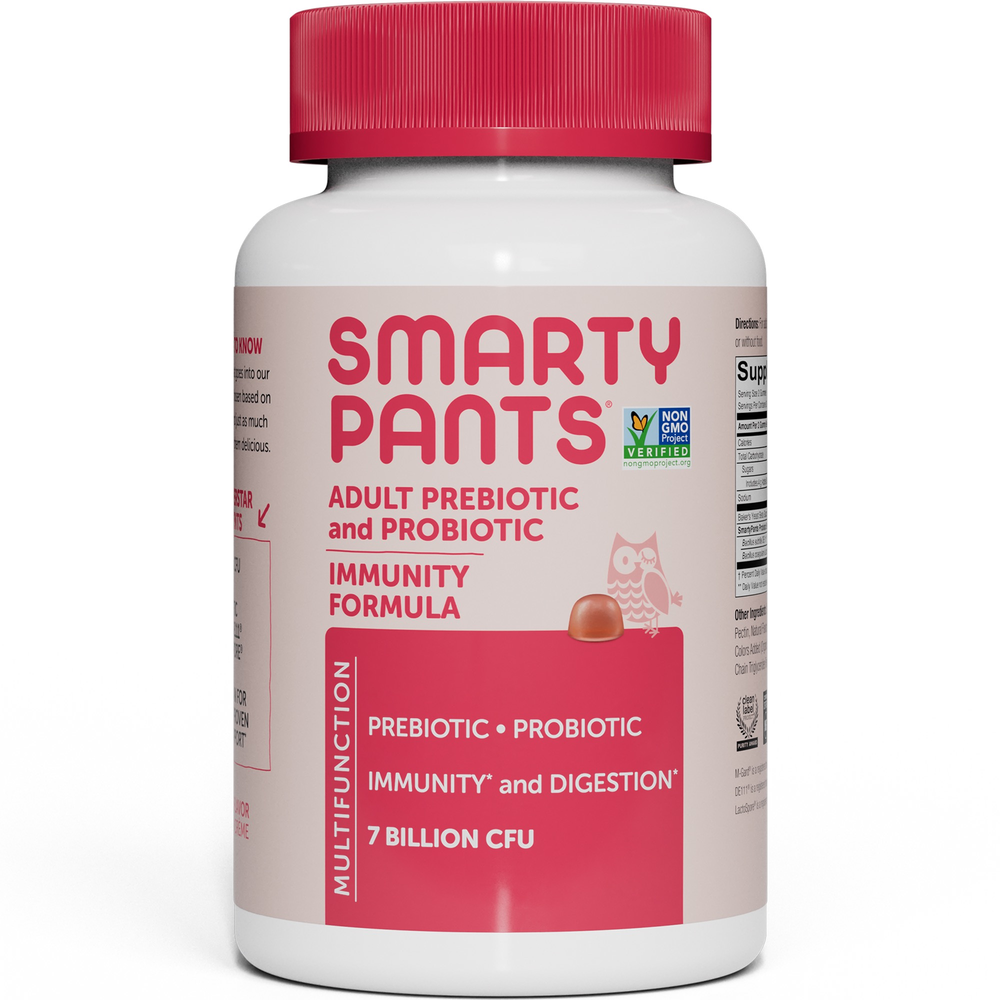
Digestive Probiotic & Prebiotic Grape
SmartyPants
60 gummies
$36.99$29.99 with Subscribe & Save