 Instalab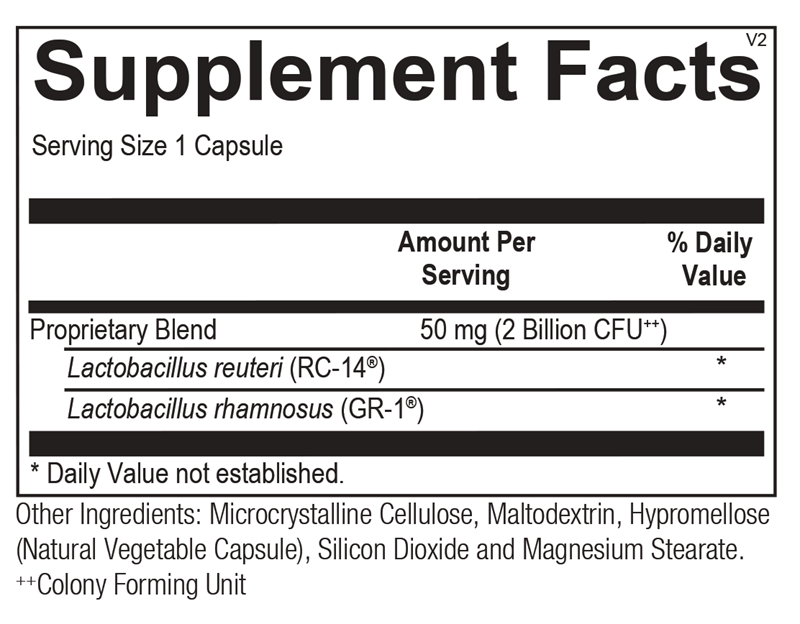

Ortho Molecular Products
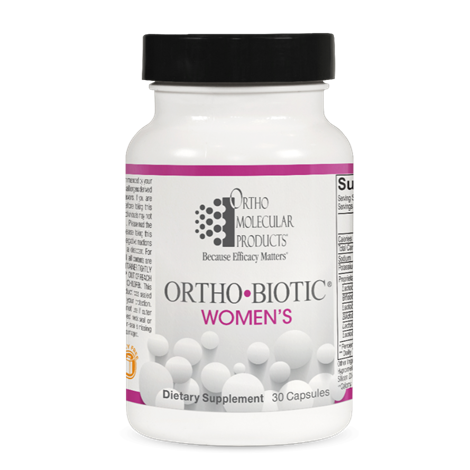
Ortho Biotic® Women's 50 mg (2 Billion CFU) by Ortho Molecular Products
30 capsules · 30-day supply
Targeted Probiotic Support for Women's Digestive and Immune Health$56.00
Purchase options
Practitioner-grade brand3rd-party testedFree shipping $50+
Gluten Free·Yeast Free·Artificial Color Free·Artificial Flavor Free
Ortho Molecular Products Ortho Biotic® Women's overview
Recurrent bacterial vaginosis is the most common reason women go looking for the best probiotic for vaginal health. This formula targets those patterns: repeated BV or yeast after antibiotics, a history of urinary tract infections, and perimenopause when lower estrogen can thin vaginal tissue and shift pH. It’s also useful as maintenance after successful treatment to keep balance steady. If symptoms are severe or new, treat the acute issue first, then layer a women’s probiotic for prevention.
Lactobacillus rhamnosus GR-1 and Lactobacillus reuteri RC-14 are two well-studied strains that colonize the vaginal and urinary tract surfaces. They produce lactic acid, which maintains an acidic pH that discourages BV organisms like Gardnerella and reduces yeast overgrowth. These strains also make hydrogen peroxide (an antimicrobial byproduct) and compete for attachment sites, which makes it harder for E. coli and other uropathogens to stick. In trials, they improved symptoms and reduced BV recurrence within 4 to 12 weeks.
Take 1 capsule daily, with or without food, at roughly the same time each day. If you’re on antibiotics for BV, UTI, or another infection, separate the dose by at least 2–3 hours and continue the probiotic for 1–2 weeks after finishing. Expect steadier changes by weeks 4–8, then continue as maintenance if you’re prone to recurrence. Mild gas or bloating in week one usually settles with consistent use.
Skip oral probiotics if you are severely immunocompromised (active chemotherapy with low white counts, post-transplant on high-dose immunosuppression) or have a central venous catheter, unless your clinician approves. Pregnancy and breastfeeding are generally considered safe for Lactobacillus, but involve your OB if you have complications. If you develop fever, pelvic pain, or foul discharge, seek care for diagnosis before relying on a probiotic.
Frequently asked questions
Can a probiotic help with BV?
Yes. The GR-1 and RC-14 strains have clinical trials showing improved symptoms and lower recurrence of bacterial vaginosis when taken daily for 4–12 weeks, often alongside or after standard treatment.
Will this help prevent yeast infections?
It can. By keeping vaginal pH acidic and competing with Candida, these Lactobacillus strains reduce the chance of overgrowth. Effects are preventive and gradual, not a cure for an active infection.
How long does a women’s probiotic take to work?
Most notice steadier odor, discharge, or fewer flares within 4–8 weeks. Some feel earlier changes, but the durable benefits come with daily use across one to three menstrual cycles.
Can I take this probiotic with antibiotics?
Yes, but separate by 2–3 hours. Continue the probiotic for 1–2 weeks after finishing antibiotics to help restore beneficial Lactobacillus populations and maintain a low vaginal pH.
Do I need to refrigerate this probiotic?
Check the bottle. Many modern capsules are shelf-stable at room temperature, but heat and humidity shorten shelf life. Store in a cool, dry place away from the bathroom or a hot car.
Are there side effects with women’s probiotics?
The most common are transient gas, bloating, or mild abdominal discomfort in the first week. These typically settle as your microbiome adjusts. Stop and consult a clinician if symptoms are severe.
Is a women’s probiotic safe in pregnancy?
Lactobacillus strains are generally considered safe in pregnancy, but discuss with your OB, especially if you have complications, a cerclage, or are on antibiotics.
Can men take this probiotic?
It’s formulated for vaginal and urinary ecology, so men typically don’t need it. For general digestive goals, choose a gut-directed probiotic with strains studied for GI symptoms.
How to take it & ingredients
Suggested use: 1 capsule per day or as recommended by your health care professional.
Active ingredients
1 capsule per serving · 30 servings
▼
Proprietary Blend
50 mg, 2 Billion CFU
Lactobacillus reuteri (RC-14®)
-
Lactobacillus rhamnosus (GR-1®)
-
Other ingredients: Microcrystalline Cellulose, Maltodextrin, Hypromellose (Natural Vegetable Capsule), Silicon Dioxide, Magnesium Stearate
Certifications
Benefits
Warnings
Customers also considered
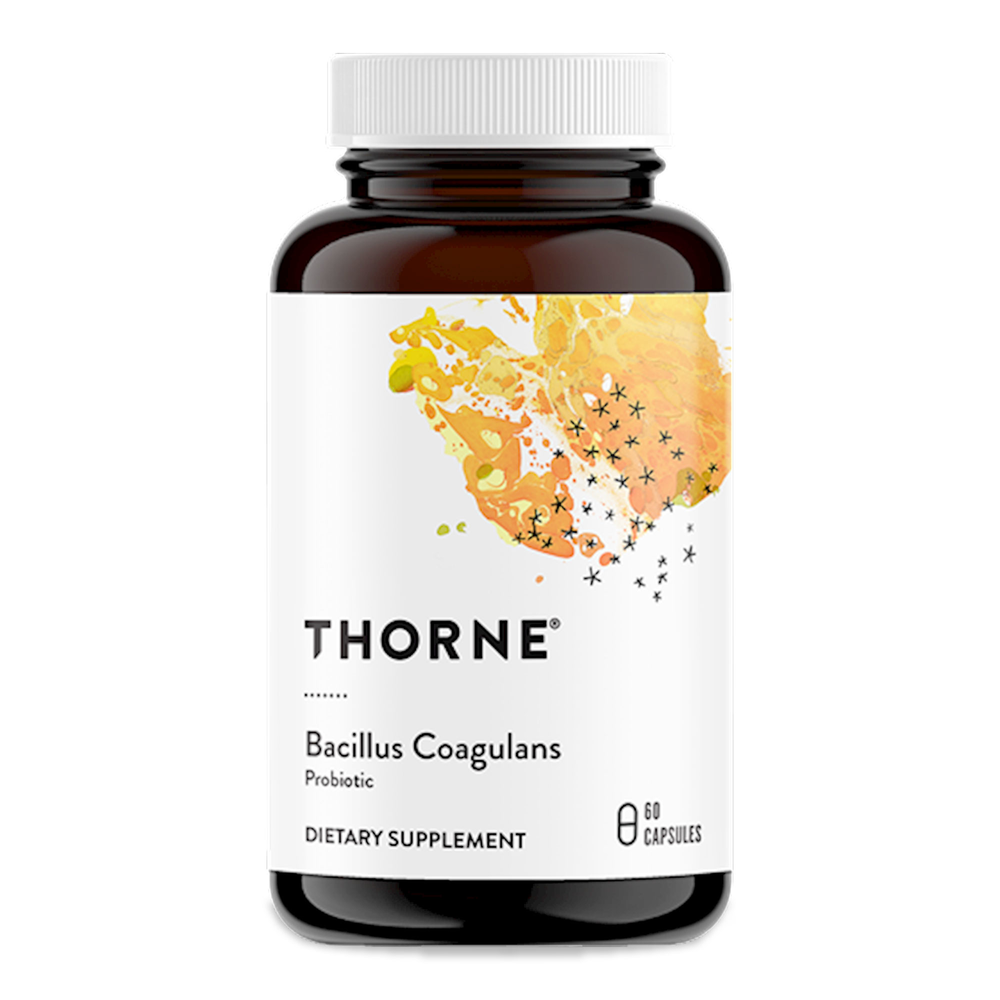
Bacillus Coagulans
Thorne
60 capsules
$33.00$29.70 with Subscribe & Save
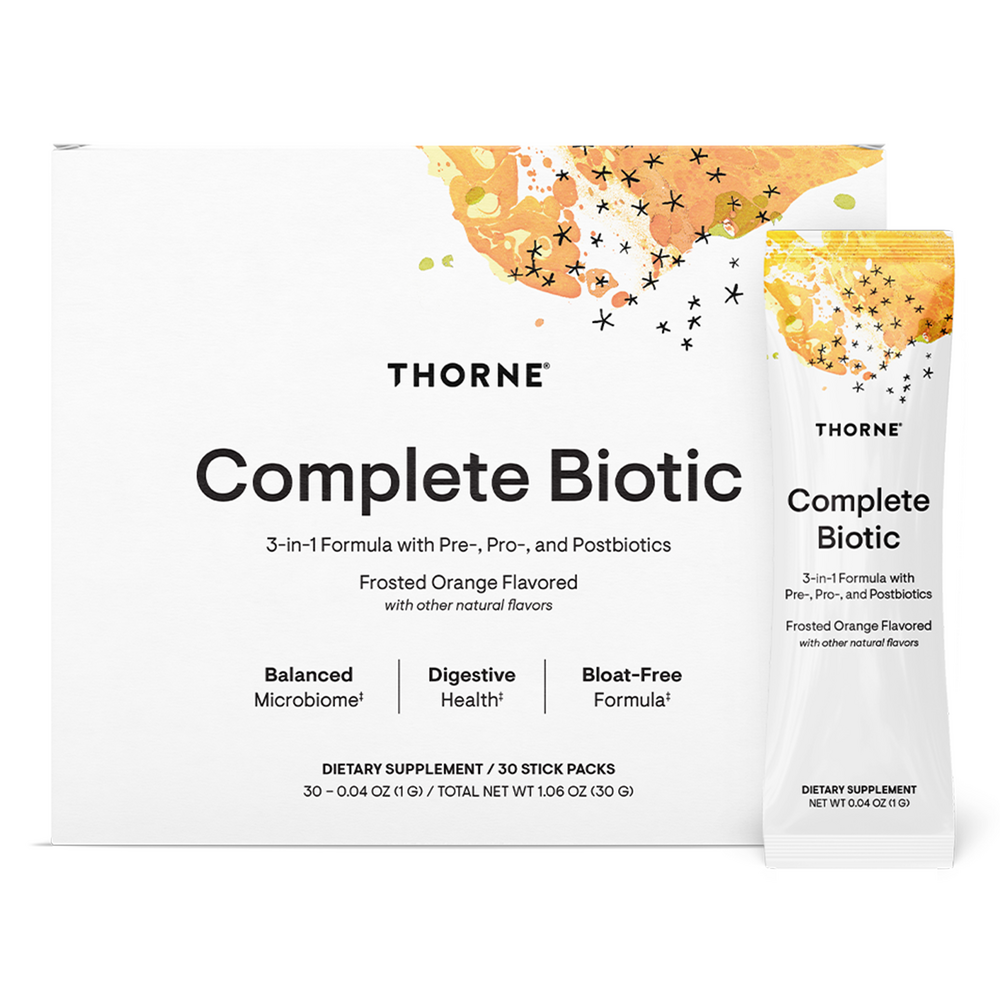
Complete Biotic
Thorne
30 packets
$46.00$41.40 with Subscribe & Save
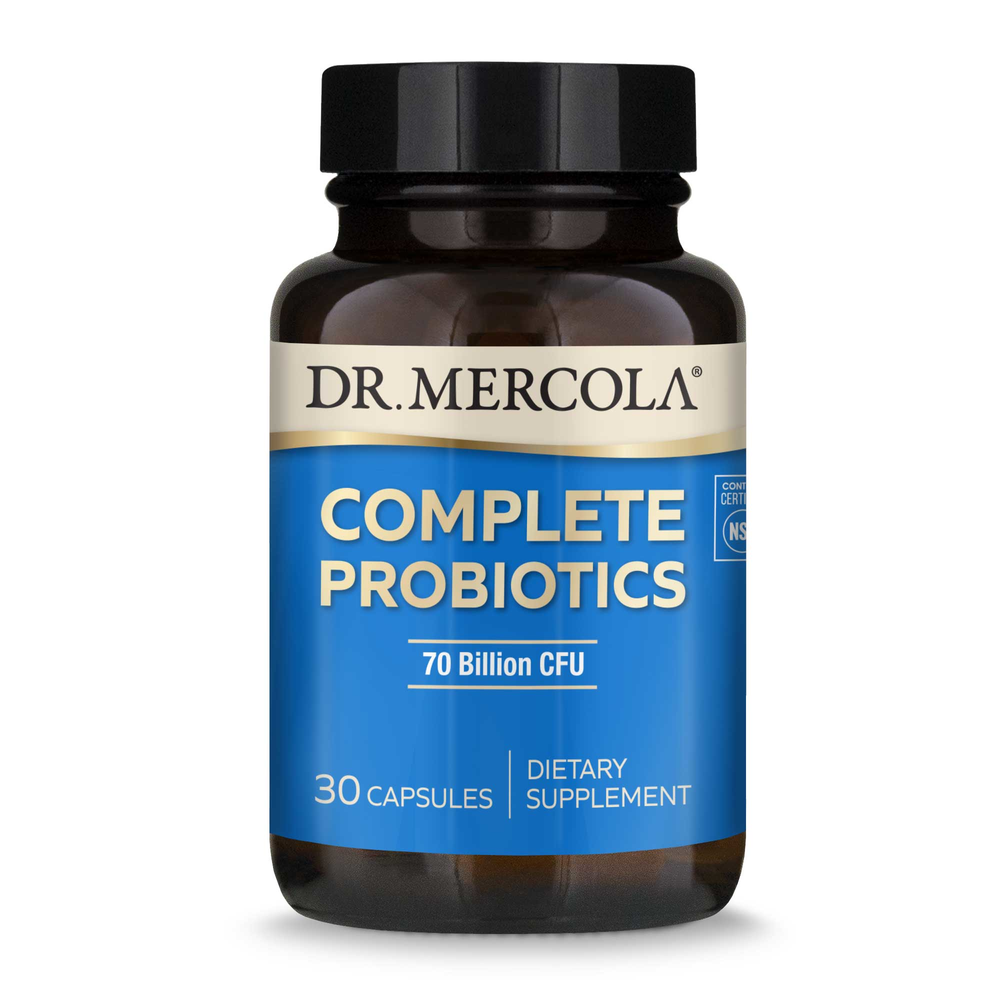
Complete Probiotics 70 Billion CFU
Dr. Mercola
30 capsules
$46.99$37.99 with Subscribe & Save

Digestive Probiotic & Prebiotic Grape
SmartyPants
60 gummies
$36.99$29.99 with Subscribe & Save