 Instalab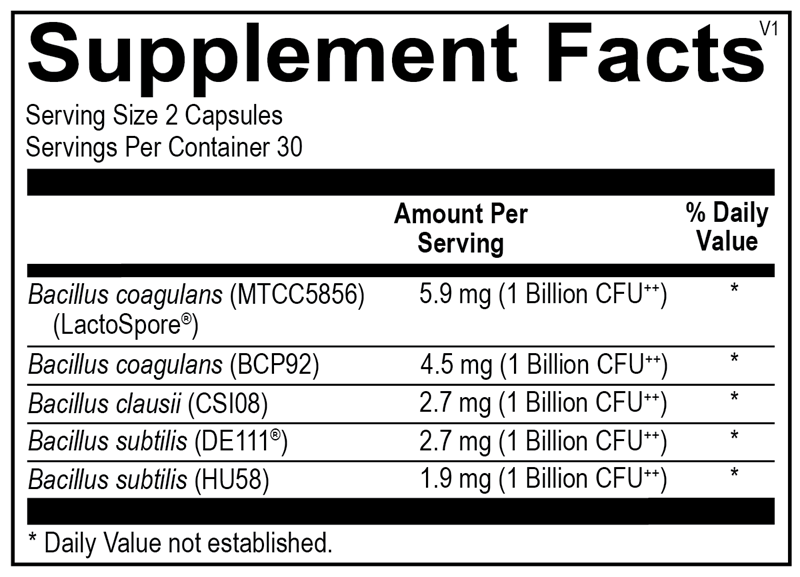

Ortho Molecular Products
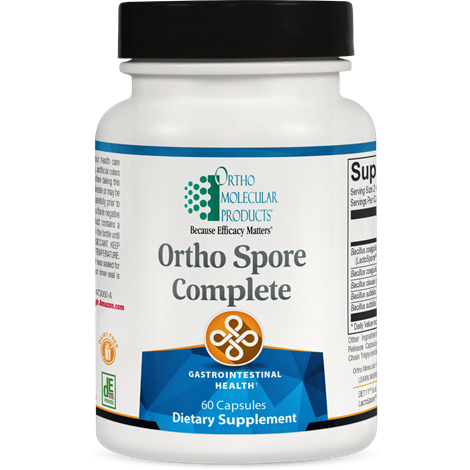
Ortho Spore Complete by Ortho Molecular Products
60 capsules · 30-day supply
Multi-Strain Probiotic Blend for Digestive and Immune Health$64.77
Purchase options
Practitioner-grade brand3rd-party testedFree shipping $50+
Gluten Free·Artificial Color Free·Artificial Flavor Free
Ortho Molecular Products Ortho Spore Complete overview
Antibiotics that unsettle your gut, frequent travel, or persistent bloating after ordinary meals are the classic use-cases for a spore-based probiotic. These hardy Bacillus strains stay intact through stomach acid, so they’re practical during antibiotic courses and for people who don’t want refrigeration. If your Comprehensive Stool Analysis shows low diversity or low Secretory IgA (the antibody that coats and protects your gut lining), this category is often a good first trial. Expect steadier stools and less bloating within 2 to 4 weeks if you’re a responder.
Bacillus coagulans, B. subtilis, and B. clausii are spore formers that survive acid, then “wake up” in the small intestine. There, they compete with gas-producing microbes, produce digestive enzymes, and encourage short-chain fatty acid production (fuel for colon cells that calms gut reactivity). They also nudge immune tone by raising Secretory IgA (the gut’s first-line antibody) and have reduced antibiotic-associated diarrhea in multiple trials. Unlike many lactobacillus/bifidobacterium blends, they remain stable at room temperature and during antibiotic use.
Take 2 capsules daily, with or without food; spores don’t require meals or buffering. During antibiotics, separate by about 2 hours and continue for at least 1 to 2 weeks after the course. Sensitive gut? Start with 1 capsule for a week, then increase. Most people notice changes in bloating or stool form within 2 to 4 weeks, with fuller benefits by 8 weeks. No refrigeration needed; keep capped and dry.
If you are severely immunocompromised, have a central line, are immediately post–GI surgery, or are critically ill, avoid probiotics unless your physician okays them, as rare bloodstream infections have been reported. If your main issue is recurrent antibiotic-associated diarrhea, Saccharomyces boulardii (a probiotic yeast) is another proven option. For ongoing heartburn, unintended weight loss, or blood in stool, get evaluated before self-treating with any probiotic.
Frequently asked questions
What is a spore-based probiotic?
It’s a probiotic using Bacillus species that form protective spores. The spore coat lets them survive stomach acid and antibiotics, then activate in the intestines where they compete with unwanted microbes and aid digestion.
How long until a spore probiotic helps bloating?
Most responders notice less bloating and steadier stools within 2 to 4 weeks, with fuller effects by 8 weeks. If nothing changes by 8 weeks, consider a different strain profile or check a Comprehensive Stool Analysis.
Can I take this probiotic with antibiotics?
Yes. Spores tolerate antibiotics better than many probiotics. Take it at least 2 hours away from each antibiotic dose and continue for 1 to 2 weeks after finishing the prescription.
Does it need refrigeration?
No. Bacillus spores are shelf-stable at room temperature. Keep the bottle closed, dry, and away from heat for potency through the labeled date.
Are there side effects with spore probiotics?
Early on, some people notice extra gas or a brief change in stool pattern; this usually settles in a few days. If you develop fever, severe abdominal pain, or persistent diarrhea, stop and contact your clinician.
Is a spore-based probiotic good for SIBO?
Some clinicians use Bacillus strains in small intestinal bacterial overgrowth because they’re less fermentative. Results are mixed; introduce slowly and monitor symptoms. Ongoing bloating or pain warrants medical guidance.
How is this different from lactobacillus or bifidobacterium probiotics?
Spore probiotics are acid-resistant and antibiotic-tolerant, and they often target bloating and stool consistency. Traditional lacto/bifido blends can be great for stool regularity and may require refrigeration.
How to take it & ingredients
Suggested use: 2 capsules per day or as recommended by your health care professional.
Active ingredients
2 capsules per serving · 30 servings
Bacillus coagulans
MTCC5856 (LactoSpore®)
MTCC5856 (LactoSpore®)
5.9 mg, 1 Billion CFU
Bacillus coagulans
BCP92
BCP92
4.5 mg, 1 Billion CFU
Bacillus clausii
CSI08
CSI08
2.7 mg, 1 Billion CFU
Bacillus subtilis
DE111®
DE111®
2.7 mg, 1 Billion CFU
Bacillus subtilis
HU58
HU58
1.9 mg, 1 Billion CFU
Other ingredients: Maltodextrin (Rice, Sweet Potato), Delayed Release Capsules (Hypromellose, Pectin, Purified Water), Medium Chain Triglycerides
Certifications
Benefits
Warnings
Customers also considered
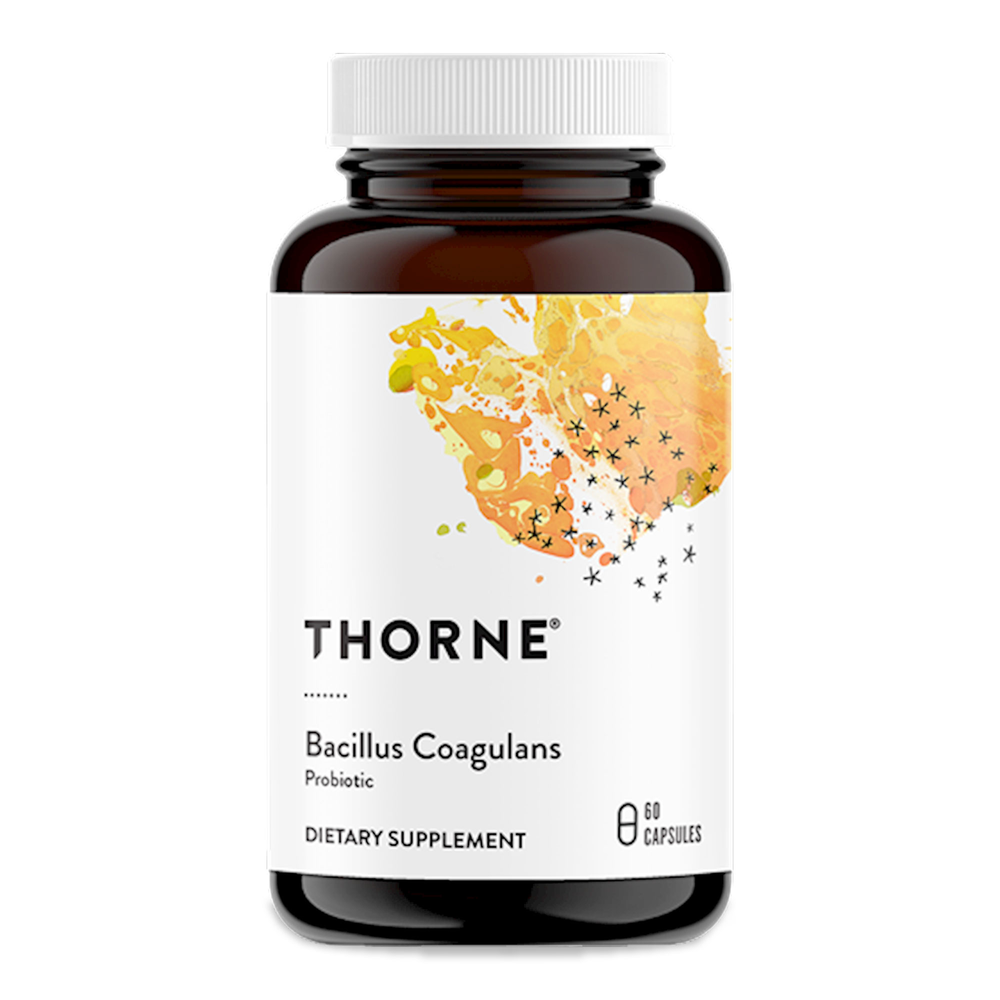
Bacillus Coagulans
Thorne
60 capsules
$33.00$29.70 with Subscribe & Save
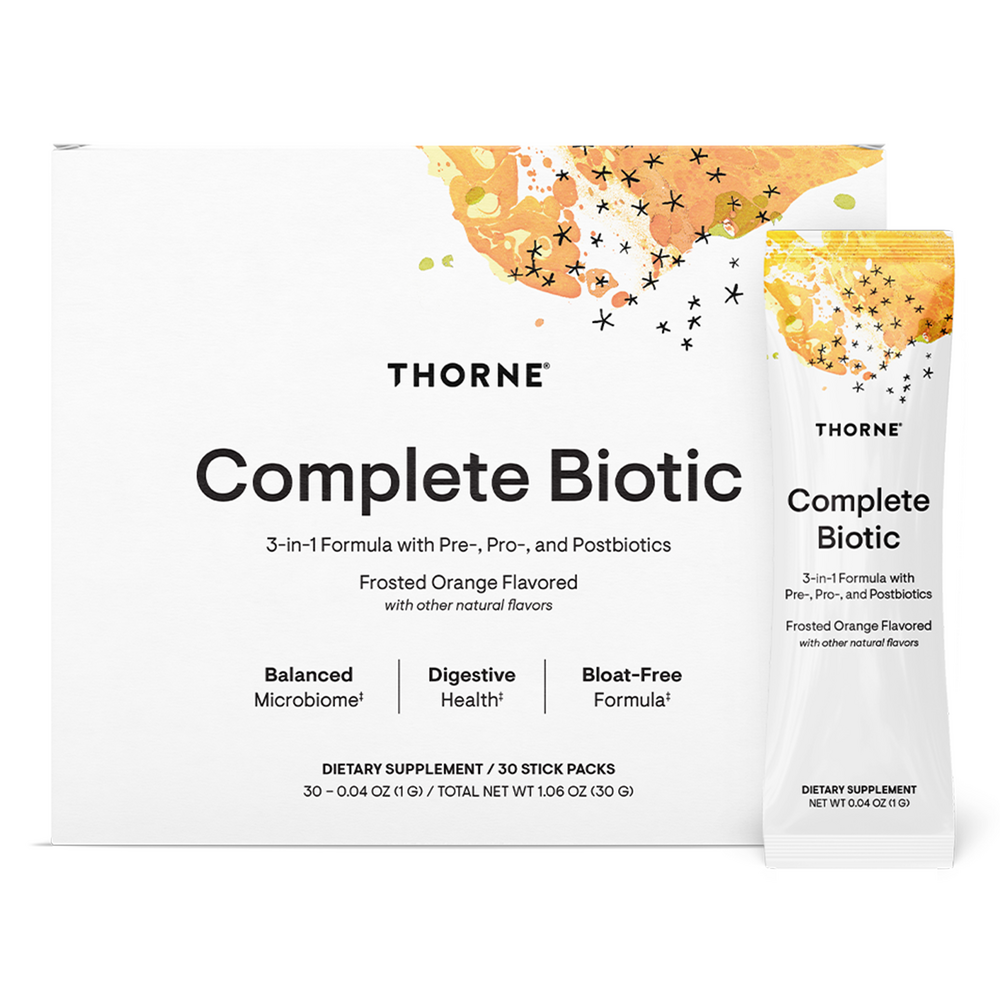
Complete Biotic
Thorne
30 packets
$46.00$41.40 with Subscribe & Save
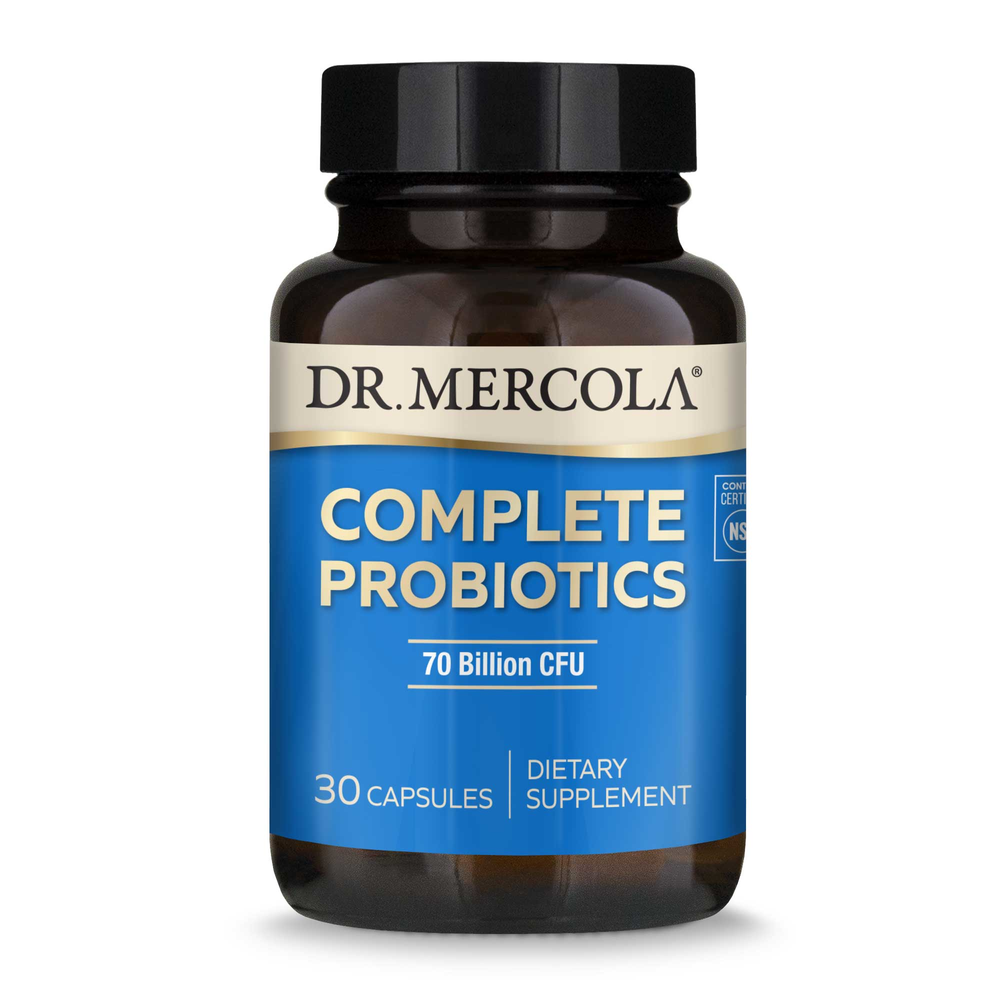
Complete Probiotics 70 Billion CFU
Dr. Mercola
30 capsules
$46.99$37.99 with Subscribe & Save
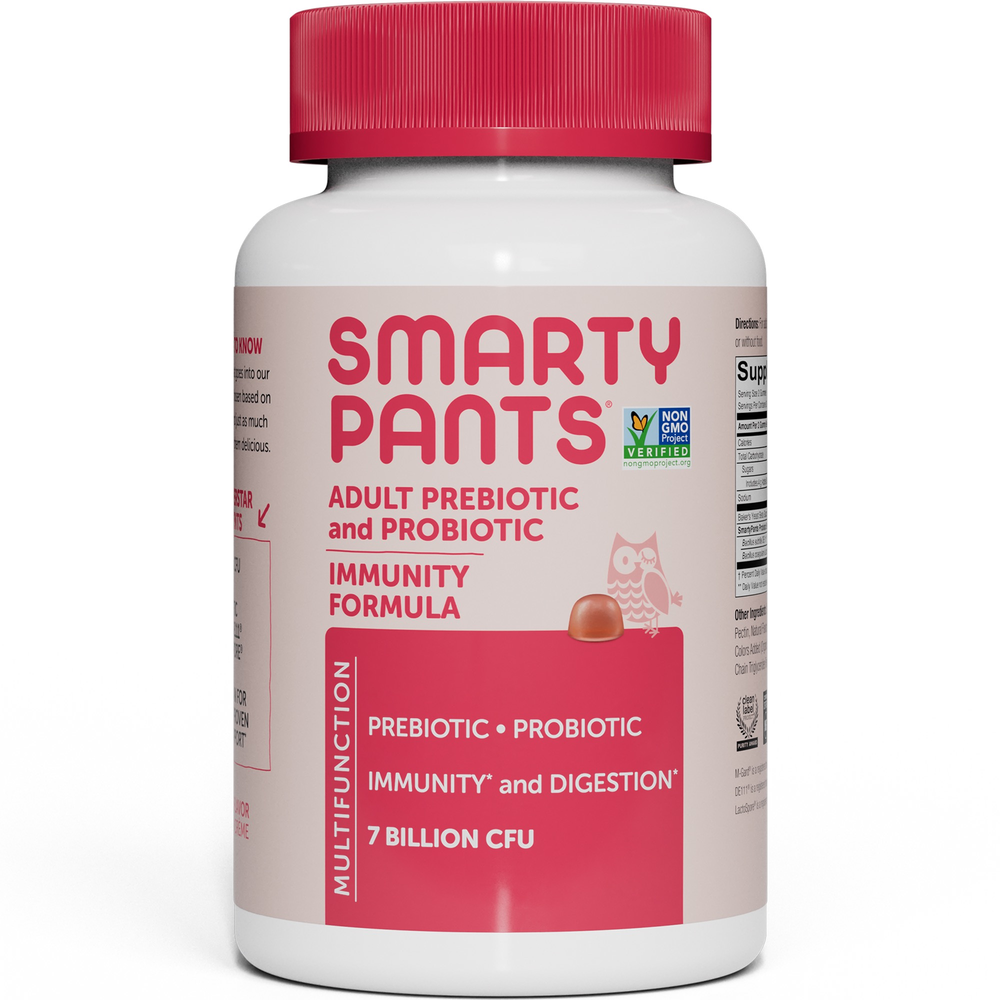
Digestive Probiotic & Prebiotic Grape
SmartyPants
60 gummies
$36.99$29.99 with Subscribe & Save