 Instalab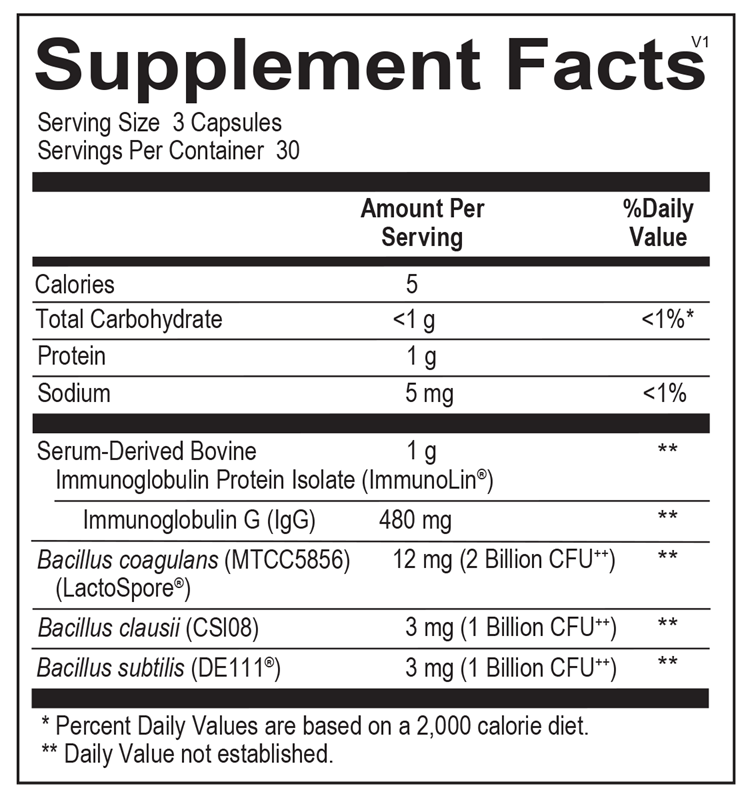

Ortho Molecular Products
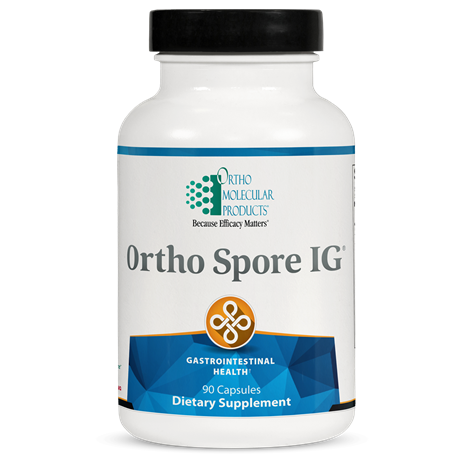
Ortho Spore IG™ by Ortho Molecular Products
90 capsules · 30-day supply
Advanced Probiotic Support for Immune and Digestive Health$76.87
Purchase options
Practitioner-grade brand3rd-party testedFree shipping $50+
Gluten Free·Artificial Color Free·Artificial Flavor Free
Ortho Molecular Products Ortho Spore IG™ overview
If you get recurrent bloating, loose stools, or post-meal discomfort and your SIBO breath test has been positive or borderline, a spore probiotic paired with bovine immunoglobulins is a practical next step. It also fits those with gut-irritation labs like stool calprotectin (a marker of intestinal inflammation) in the low-to-moderate range, or frequent travelers who cycle antibiotics. If you’re strictly avoiding beef products, this isn’t a match.
Bacillus coagulans, Bacillus clausii, and Bacillus subtilis arrive as heat-stable spores, survive stomach acid, then “wake up” in the small intestine. There, they make lactic acid and enzymes, crowding out gas-producing species and nudging pH toward a healthier range. Serum-derived bovine immunoglobulins (IgG antibodies concentrated from bovine serum) bind bacterial fragments in the gut, which can reduce immune activation and help the barrier lining. In trials, these strategies reduced bloating and improved stool form within 4–8 weeks, with some reductions in hs-CRP (a systemic inflammation marker) in responders.
Use three capsules daily as directed, with meals or a snack. Consistency matters more than time of day. If your gut is sensitive, start with one capsule for 3–5 days, then increase weekly. Separate from oral antibiotics by at least two hours. Expect early changes in 1–2 weeks and a fair trial over 8–12 weeks; reassess symptoms and, if relevant, repeat stool calprotectin or a SIBO breath test.
Avoid if you have a known allergy to beef or bovine proteins. Spore probiotics are generally safe, but people with central lines, prosthetic heart valves, or who are severely immunocompromised should only use them under clinician supervision. Pregnancy and breastfeeding: data for bovine immunoglobulins are limited, so use only with clinician guidance. Mild gas or a temporary uptick in bloating the first week is common; titrate more slowly if that happens.
Frequently asked questions
What is bovine immunoglobulin (SBI) and what does it do?
It’s a purified concentrate of IgG antibodies from bovine serum. Taken orally, it binds microbial fragments in the gut, lowering immune irritation and helping stool consistency without being absorbed into the bloodstream in meaningful amounts.
Do spore probiotics survive stomach acid?
Yes. Bacillus spores are heat- and acid-stable, so they pass through the stomach and activate in the small intestine. That’s why lower CFU counts can still be clinically active compared to fragile lacto/bifido strains.
How long until I notice results?
Most people notice changes in bloating or stool form within 2–4 weeks, with steadier improvements by 8–12 weeks. If nothing shifts by 8 weeks, revisit diet, timing, and consider repeating a SIBO breath test with your clinician.
Can I take this with antibiotics?
You can, but separate doses by at least two hours. Many clinicians continue spore probiotics during antibiotics to reduce disruption. If you’re on rifaximin or multiple agents, confirm timing with your prescriber.
Is it dairy-free if it’s bovine-derived?
Yes. SBI is derived from bovine serum, not milk, so it contains no lactose or casein. Still avoid it if you have a beef or bovine-protein allergy or follow a diet that excludes bovine ingredients.
Any side effects to expect?
Temporary gas, mild cramping, or a brief increase in bloating can occur during the first week. Slower titration usually resolves this. Persistent abdominal pain, fever, or blood in stool warrants medical evaluation.
Can I open the capsules?
Yes. You can open them and mix the contents into cool or room-temperature food. Avoid hot liquids, which can damage probiotics and denature proteins.
Is this safe if I’m immunocompromised?
Use only with clinician supervision. Spore probiotics are low risk in most people, but those with severe immunosuppression, central lines, or valve disease need individualized guidance to minimize rare infection risks.
How to take it & ingredients
Suggested use: 3 capsules per day or as recommended by your health care professional.
Active ingredients
3 capsules per serving · 30 servings
Serum-Derived Bovine Immunoglobulin Protein Isolate
ImmunoLin®
ImmunoLin®
1 g
Immunoglobulin G (IgG)
480 mg
Bacillus coagulans
MTCC5856 (LactoSpore®)
MTCC5856 (LactoSpore®)
12 mg, 2 Billion CFU
Bacillus clausii
CSI08
CSI08
3 mg, 1 Billion CFU
Bacillus subtilis
DE111®
DE111®
3 mg, 1 Billion CFU
Other ingredients: Hypromellose (Vegetable Capsules), Rice Maltodextrin, Medium Chain Triglycerides
Certifications
Benefits
Warnings
Customers also considered
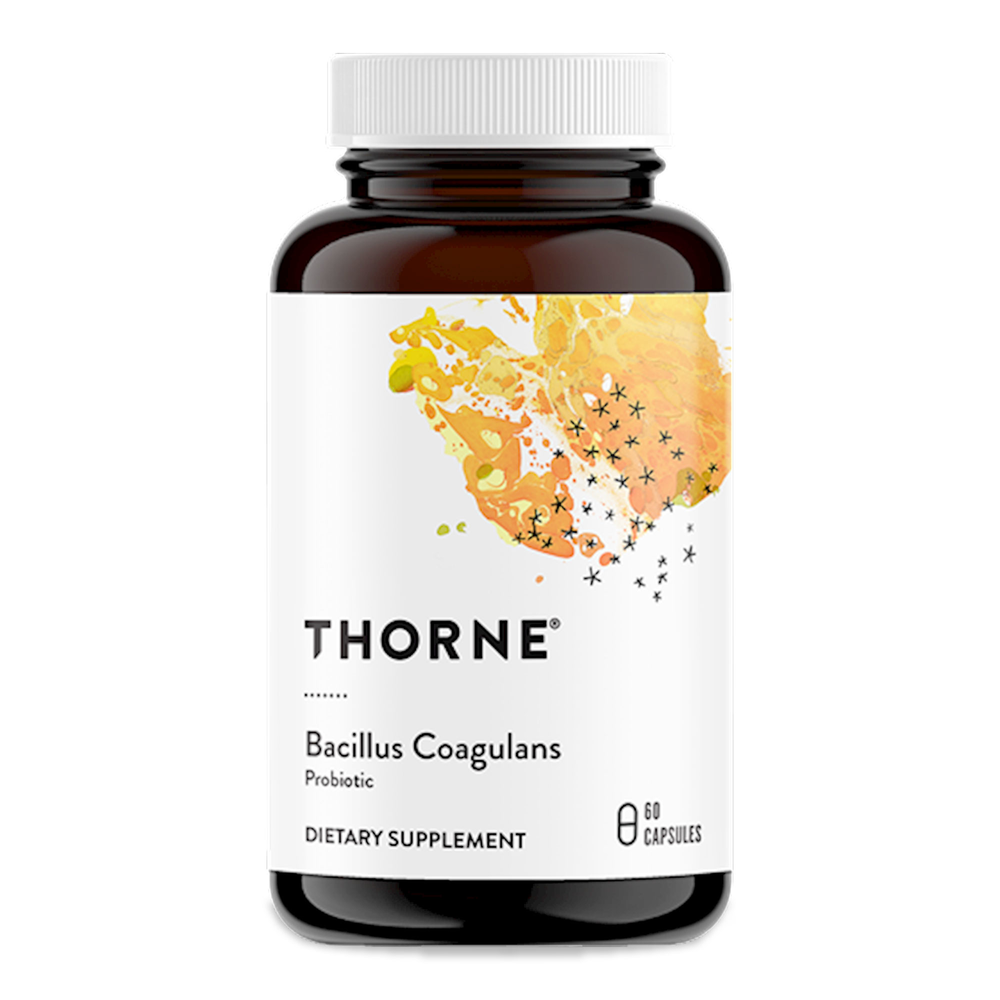
Bacillus Coagulans
Thorne
60 capsules
$33.00$29.70 with Subscribe & Save
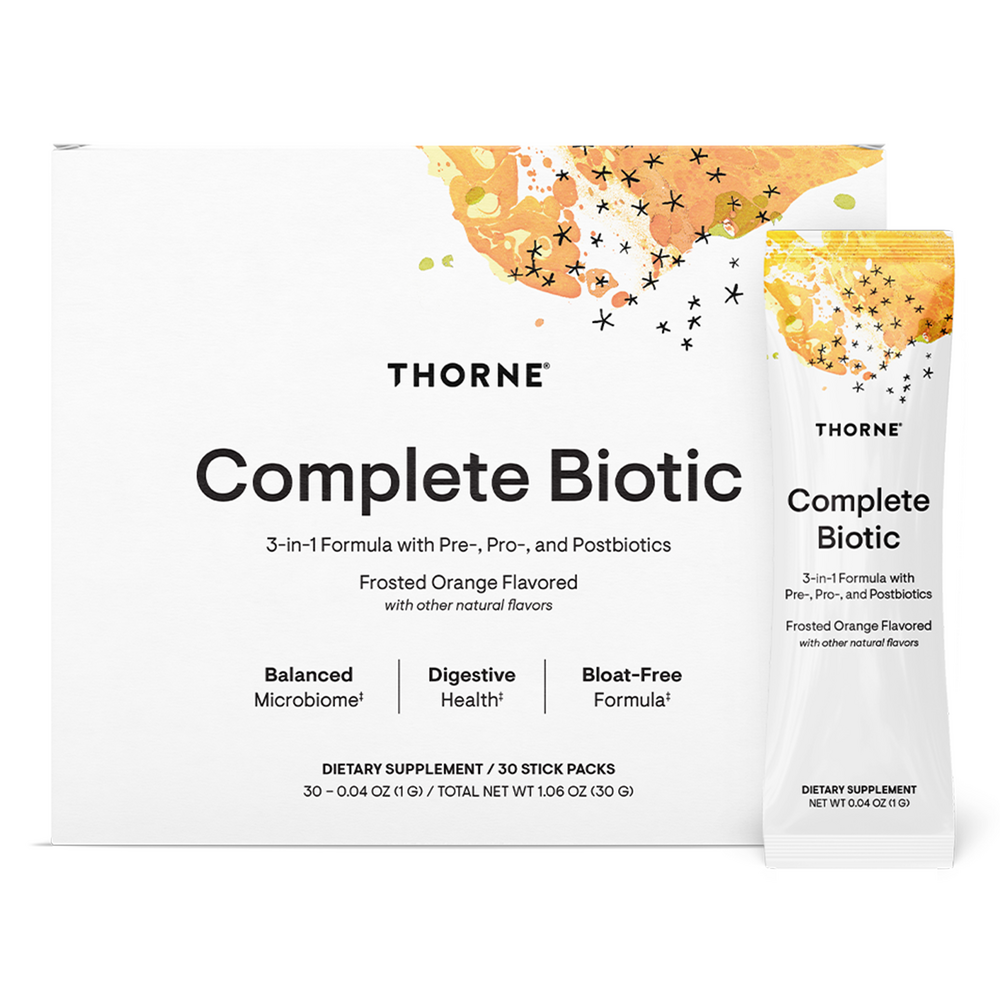
Complete Biotic
Thorne
30 packets
$46.00$41.40 with Subscribe & Save
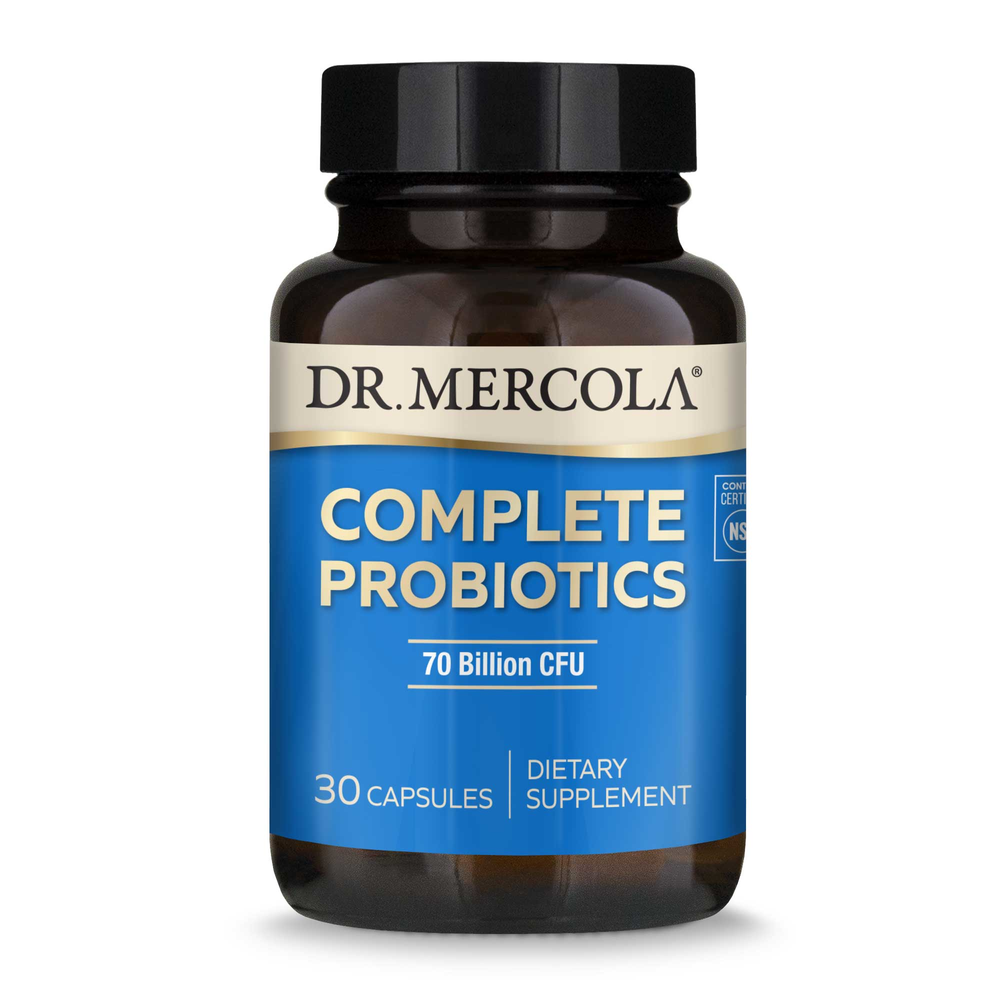
Complete Probiotics 70 Billion CFU
Dr. Mercola
30 capsules
$46.99$37.99 with Subscribe & Save
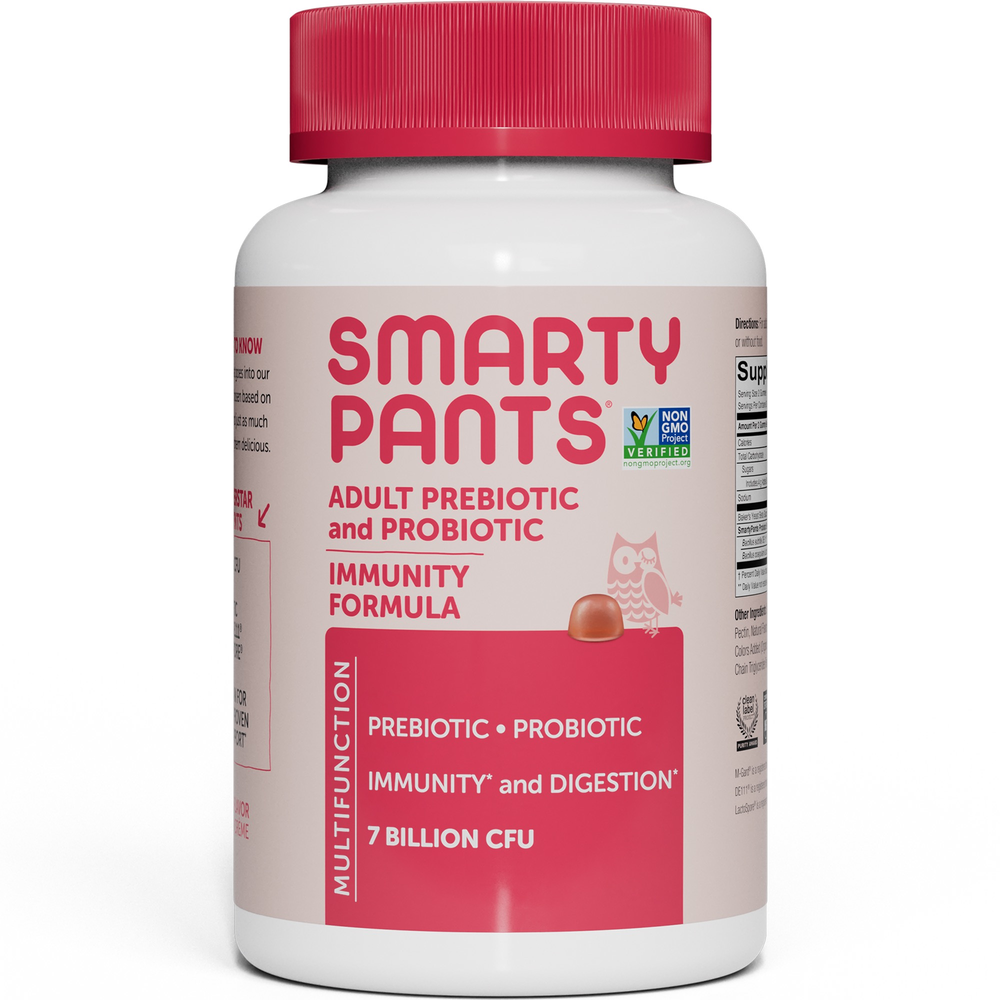
Digestive Probiotic & Prebiotic Grape
SmartyPants
60 gummies
$36.99$29.99 with Subscribe & Save