 Instalab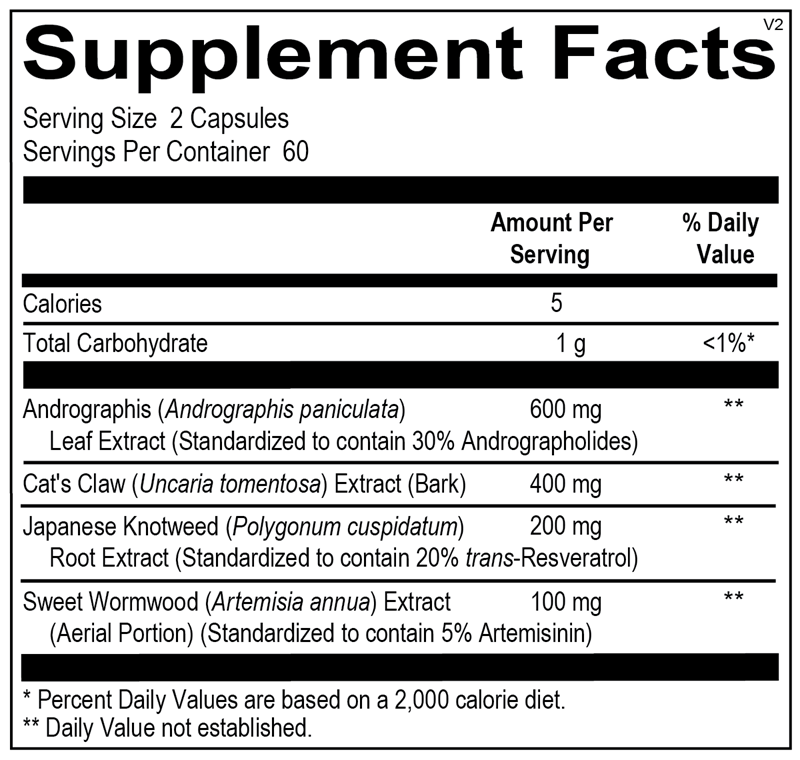
Ortho Molecular Products
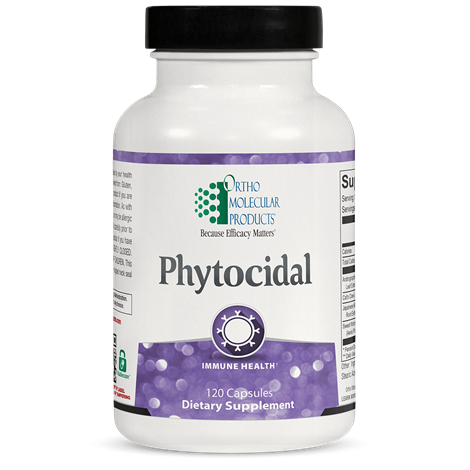
Phytocidal by Ortho Molecular Products
120 capsules · 60-day supply
Powerful Herbal Blend for Immune System Support and Resilience$100.07
Purchase options
Practitioner-grade brand3rd-party testedFree shipping $50+
Gluten Free·Yeast Free·Artificial Color Free·Artificial Flavor Free
Ortho Molecular Products Phytocidal overview
If you’re looking for a clinician-style herbal antimicrobial, this andrographis-centered blend fits adults working on microbial balance after travel, periods of gut upset, or frequent seasonal bugs. It’s a practical option if your hs-CRP (a general inflammation marker) tends to run high during flares and you want a trial outside of antibiotics. Plant-based eaters often like that it’s capsule-based, not tincture. If you need targeted treatment for a diagnosed infection, see a clinician first rather than self-treat.
Andrographis provides andrographolides (the bitter actives) that modulate immune signaling and have direct antimicrobial activity in lab studies; in human trials it can shorten common-cold duration by a few days. Cat’s claw contains oxindole alkaloids that downshift TNF‑alpha (an inflammation signal) and may ease joint and gut reactivity. Sweet wormwood provides artemisinin, a sesquiterpene long studied for parasite biology, used here for broad microbial pressure. Japanese knotweed adds resveratrol, an antioxidant that dials down NF-κB (the cell’s master inflammation switch) and can modestly lower hs-CRP in responders.
Use 2 capsules daily with food to limit nausea. Most people gauge benefit within 2 to 4 weeks; clinician protocols often run 4 to 8 weeks, then pause and reassess symptoms and labs like hs-CRP. Avoid long, continuous use without guidance. If you’re combining with probiotics, separate by a few hours. Hydration helps with the bitter herbs. If you feel a rapid die‑off reaction (worsening fatigue, loose stool), scale back and ramp up more slowly.
Pregnancy or breastfeeding: avoid. If you have liver disease or drink heavily, get baseline and follow-up ALT and AST (liver enzymes). Warfarin or other anticoagulants, or high-dose fish oil: resveratrol can add a mild antiplatelet effect, so coordinate with your prescriber and monitor for easy bruising. On immunosuppressants or biologics: cat’s claw can counteract them. Artemisinin interacts with some antimalarials and seizure meds. Upcoming surgery: stop 1 to 2 weeks prior.
Frequently asked questions
What is andrographis used for in supplements?
Primarily for immune and microbial support. Trials show andrographis can reduce common-cold symptom severity and duration, and lab data suggest antimicrobial effects. It’s not a substitute for antibiotics when those are clearly indicated.
How long should I take herbal antimicrobials like this?
Short courses are typical: 4–8 weeks, then pause and reassess symptoms and labs. Longer use should be guided by a clinician who can track response and side effects.
Can I take this with antibiotics or probiotics?
With antibiotics, ask your clinician; some prefer not to stack. With probiotics, you can separate by a few hours to minimize cross-effects and watch how your gut feels.
Does resveratrol thin your blood?
It has mild antiplatelet activity. If you’re on warfarin, DOACs (blood thinners), or high-dose fish oil, discuss with your prescriber and monitor for easy bruising or nosebleeds.
Will this upset my stomach?
Bitter herbs can cause nausea or loose stools, especially on an empty stomach. Take with food and water. If sensitive, start with half the dose and increase slowly.
Is it safe in pregnancy or while breastfeeding?
No. Andrographis, artemisinin, and cat’s claw are not recommended in pregnancy or lactation. Choose pregnancy‑specific formulas and ask your obstetric clinician.
What labs should I monitor while using it?
Track hs-CRP for inflammation trends and consider ALT and AST for liver safety on multi-week courses. A Complete Blood Count (CBC) can be useful if fatigue worsens.
How quickly will I notice effects?
If it’s a fit, many notice changes in 2–4 weeks. Lack of progress by 6–8 weeks is a cue to stop and revisit diagnosis and plan with a clinician.
How to take it & ingredients
Suggested use: 2 capsules per day or as recommended by your health care professional.
Active ingredients
2 capsules per serving · 60 servings
Andrographis
Andrographis paniculata Leaf Extract (Standardized to contain 30% Andrographolides)
Andrographis paniculata Leaf Extract (Standardized to contain 30% Andrographolides)
600 mg
Cat's Claw
Uncaria tomentosa Extract (Bark)
Uncaria tomentosa Extract (Bark)
400 mg
Sweet Wormwood
Artemisia annua Extract (Aerial Portion) (Standardized to contain 5% Artemisinin)
Artemisia annua Extract (Aerial Portion) (Standardized to contain 5% Artemisinin)
100 mg
Japanese Knotweed
Polygonum cuspidatum Root Extract (Standardized to contain 20% trans-Resveratrol)
Polygonum cuspidatum Root Extract (Standardized to contain 20% trans-Resveratrol)
200 mg
Other ingredients: Hypromellose (Natural Vegetable Capsules), Stearic Acid, Magnesium Stearate, Silicon Dioxide
Certifications
Benefits
Warnings
Customers also considered
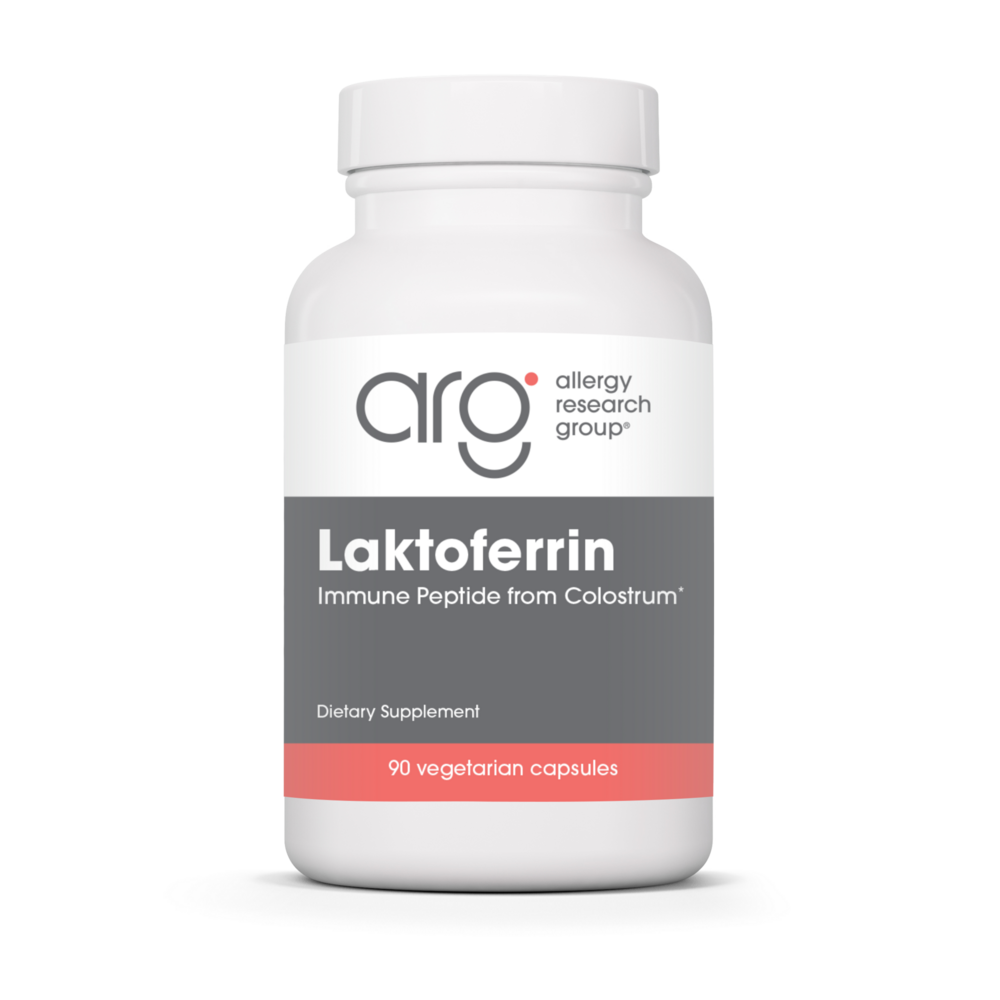
Laktoferrin 350mg
Allergy Research Group
90 capsules
$131.99$105.99 with Subscribe & Save
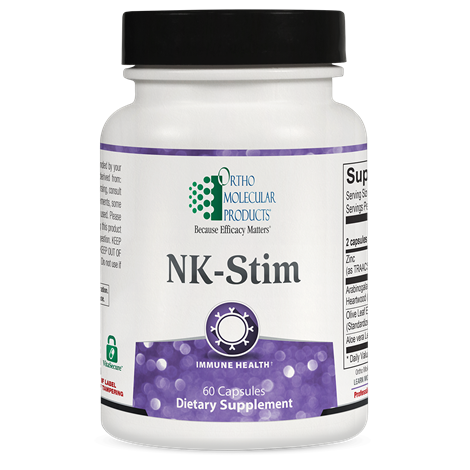
NK-Stim
Ortho Molecular Products
60 capsules
$72.54$65.35 with Subscribe & Save
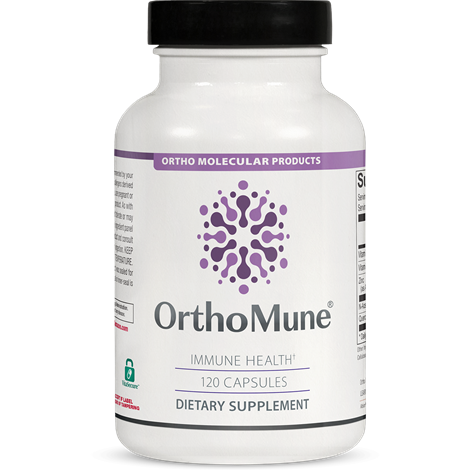
OrthoMune®
Ortho Molecular Products
120 capsules
$67.10$60.45 with Subscribe & Save
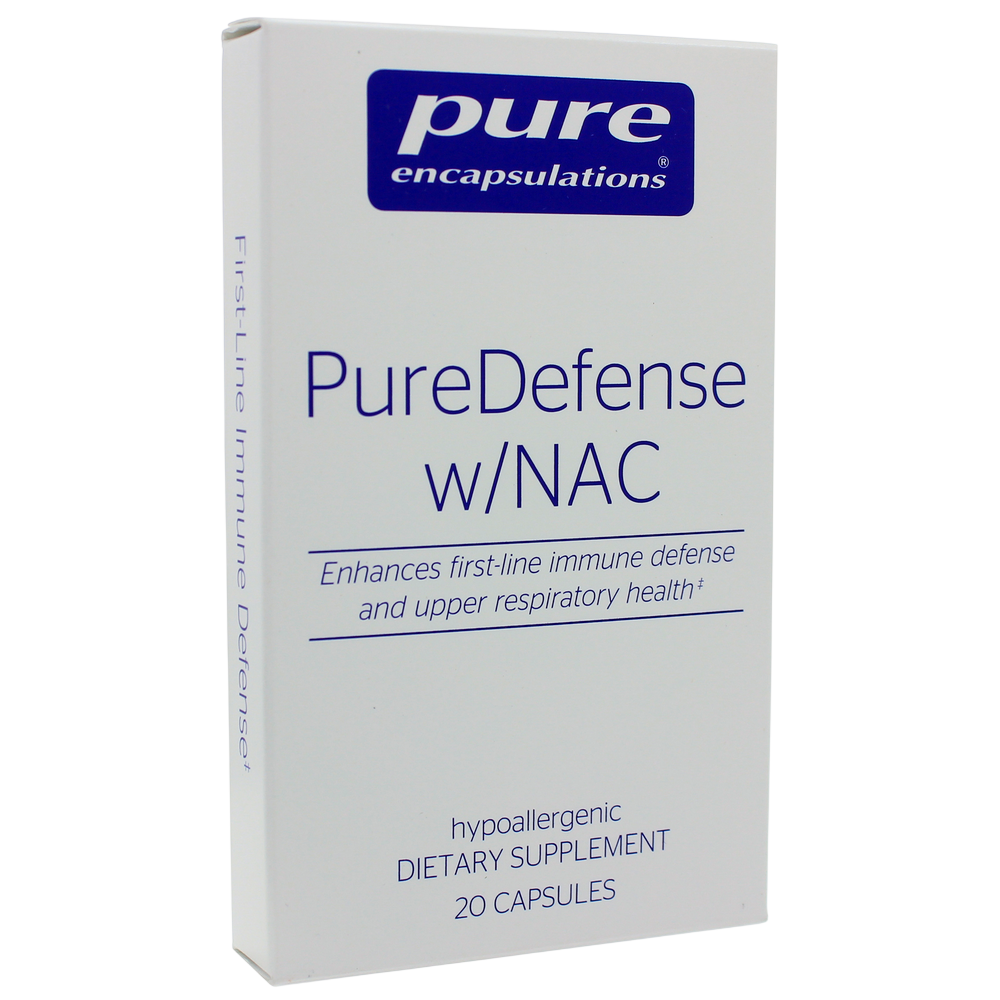
PureDefense w/Nac
Pure Encapsulations
20 capsules
$19.00$14.99 with Subscribe & Save