 Instalab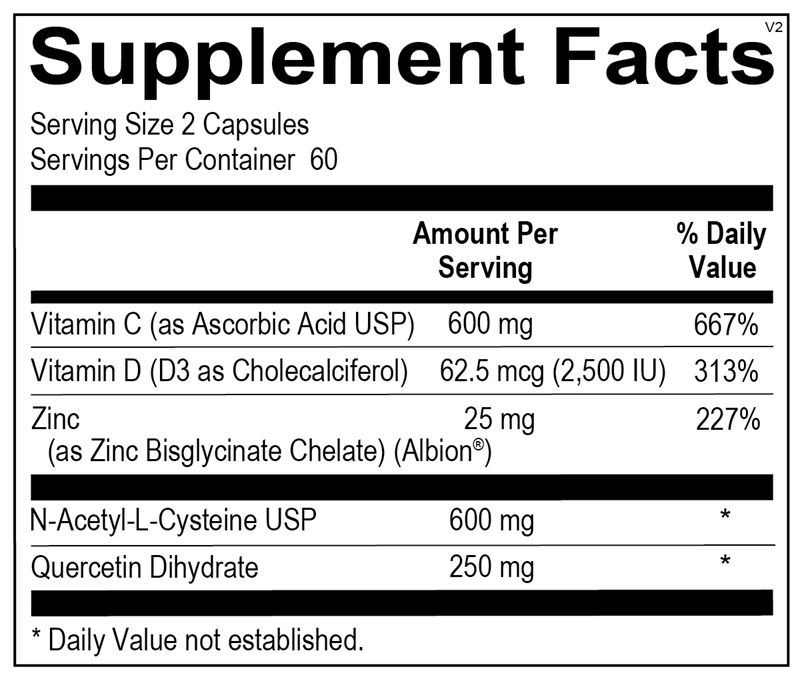
Ortho Molecular Products
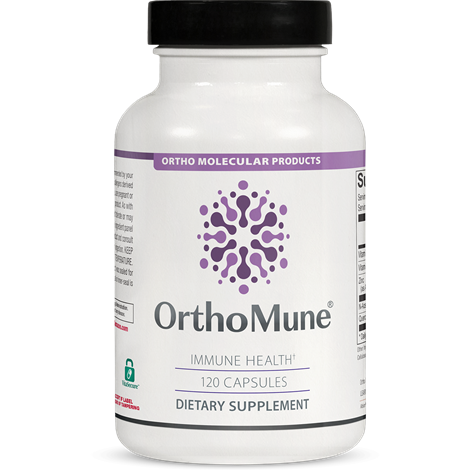
OrthoMune® by Ortho Molecular Products
120 capsules · 60-day supply
Comprehensive Immune Support with Essential Vitamins and Antioxidants$67.10
Purchase options
Practitioner-grade brand3rd-party testedFree shipping $50+
Gluten Free·Yeast Free·Artificial Color Free·Artificial Flavor Free
Ortho Molecular Products OrthoMune® overview
NAC and quercetin are most useful when your sick-day risk spikes: winter, air travel, teaching, parenting young kids, or heavy training blocks. This blend also fits adults whose Vitamin D, 25-Hydroxy is in the lower part of the normal range and who want a daily immune support supplement that includes vitamin D3 and zinc. If you rarely eat zinc-rich foods or keep getting upper‑respiratory infections, a combined formula is more practical than juggling five bottles. If your vitamin D is meaningfully low, you’ll likely need a separate higher-dose D3 for repletion first.
N-acetyl-L-cysteine (NAC) helps your body make glutathione, the cell’s main antioxidant, and it thins mucus in the airways. Quercetin acts as a zinc “shuttle,” helping zinc get into cells where it affects viral replication steps, and it calms mast cells (the cells behind sneeze/itch cascades). Vitamin C supports white blood cell function and recycles antioxidants. Vitamin D3 tunes innate defenses, and zinc is required for normal T-cell and neutrophil activity. In practice, mucus changes are felt within days; steadier immune effects build over 4–8 weeks. Inflammation markers like hs-CRP sometimes fall modestly in responders.
Take 2 capsules daily with food, ideally breakfast, to prevent zinc-related nausea. You can split the dose morning and evening if you prefer. Quercetin (dihydrate) absorbs better with a meal containing fat. This is a daily maintenance dose: NAC 600 mg, quercetin 250 mg, vitamin C 600 mg, vitamin D3 2,500 IU, and zinc 25 mg. If your Vitamin D, 25-Hydroxy is low, pair with a separate higher-dose D3 short term under clinician guidance.
Space zinc 2–4 hours from levothyroxine and from tetracycline or fluoroquinolone antibiotics to avoid absorption interference. NAC can amplify nitroglycerin’s effects and headaches; don’t combine without clinician input. If you form calcium oxalate kidney stones, be cautious with higher-dose vitamin C. Avoid extra D3 if you have a history of high calcium, sarcoidosis (a granulomatous condition that raises vitamin D activity), or recurrent kidney stones. Long-term zinc at 25 mg daily can lower copper; consider checking Copper if using for many months.
Frequently asked questions
How long does NAC and quercetin take to work?
Airway mucus thinning from NAC is often noticeable within a few days. Broader immune effects from zinc, quercetin, and vitamin D3 build over 4–8 weeks. If you’re addressing low Vitamin D, 25-Hydroxy, recheck in 8–12 weeks to confirm the dose is adequate.
Can I take this with antibiotics?
Yes, but separate zinc by 2–4 hours from tetracyclines (like doxycycline) and fluoroquinolones (like ciprofloxacin), which it can bind and inactivate. NAC, vitamin C, and vitamin D3 don’t have the same binding issue. When in doubt, take the immune blend with a different meal.
Does zinc upset your stomach?
It can. Nausea is common if zinc is taken on an empty stomach. Take your dose with food, and avoid doubling up at once. If sensitive, split the daily dose morning and evening. Persistent nausea means the product isn’t a fit for you.
Is quercetin safe with my medications?
Quercetin can affect drug transporters and enzymes, which may alter levels of drugs like cyclosporine and some statins. Most people have no issues at common doses, but if you’re on transplant meds, chemo, or narrow-therapeutic-index drugs, clear it with your clinician.
Does this help with colds or flu?
Evidence for prevention is mixed. NAC has reduced flu-like illnesses in one longer trial, and zinc and quercetin can modestly shorten symptom duration in some people. It’s not a cure, but taken daily through high-risk periods, it can tilt odds toward milder courses.
Can I take this if I’m pregnant or breastfeeding?
Don’t start new supplements in pregnancy or while breastfeeding without your obstetric clinician’s approval. Vitamin D3, vitamin C, and zinc are common in prenatal care, but NAC and quercetin aren’t standard for everyone. Bring the exact label to your visit.
Will long-term zinc cause copper deficiency?
It can over months. At 25 mg daily, some people’s copper status drifts down. If you plan to use zinc long term, consider periodic Copper testing or alternate-day dosing under guidance, especially if you notice new anemia or low white blood cells.
What time of day should I take NAC?
Any time works, but take it with food if you’re prone to nausea. Many people prefer morning with breakfast so zinc and quercetin are taken with a meal, and to avoid taking zinc near thyroid or certain antibiotic doses.
How to take it & ingredients
Suggested use: 2 capsules per day or as recommended by your health care professional.
Active ingredients
2 capsules per serving · 60 servings
Vitamin C
As Ascorbic Acid USP
As Ascorbic Acid USP
600 mg
Quercetin
Dihydrate
Dihydrate
250 mg
Vitamin D
D3 as Cholecalciferol
D3 as Cholecalciferol
62.5 mcg, 2500 IU
Zinc
As Zinc Bisglycinate Chelate (Albion®)
As Zinc Bisglycinate Chelate (Albion®)
25 mg
N-Acetyl-L-Cysteine
USP
USP
600 mg
Other ingredients: Hypromellose (Natural Vegetable Capsules), Microcrystalline Cellulose, Magnesium Stearate, Silicon Dioxide
Certifications
Benefits
Warnings
Customers also considered
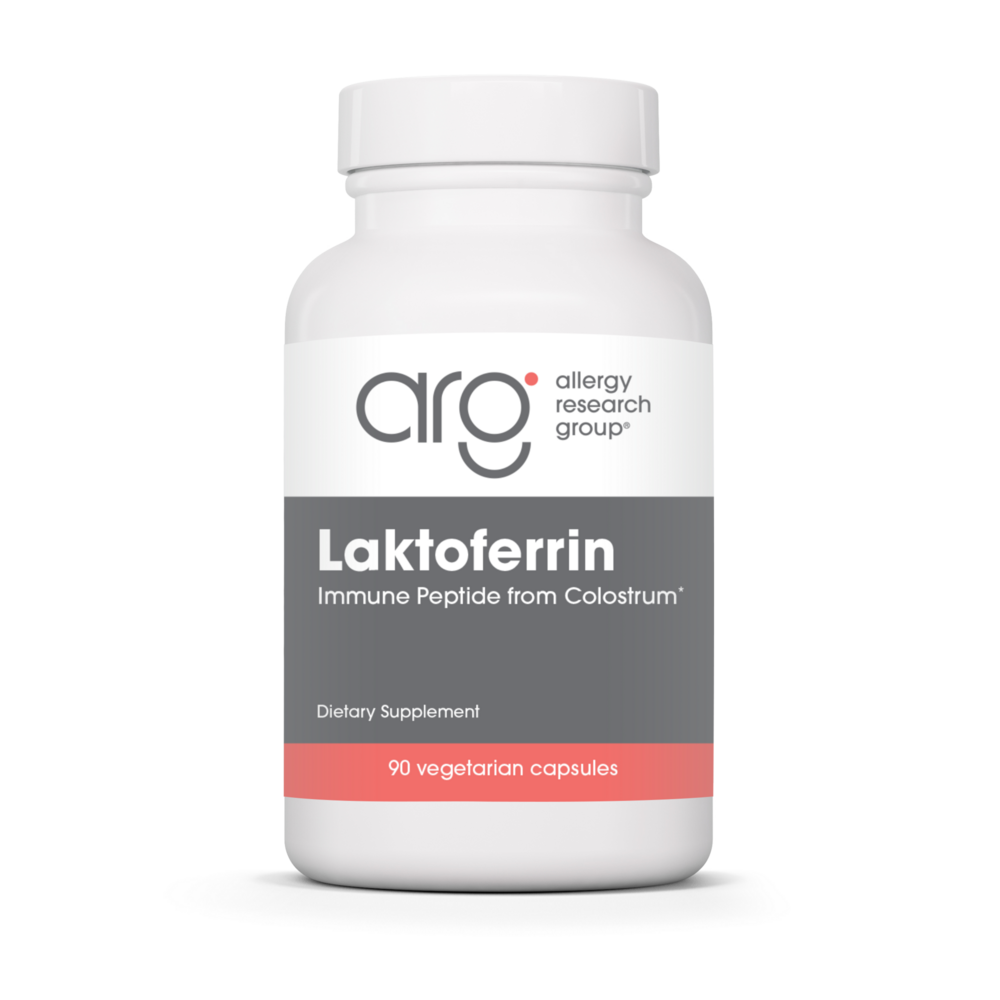
Laktoferrin 350mg
Allergy Research Group
90 capsules
$131.99$105.99 with Subscribe & Save
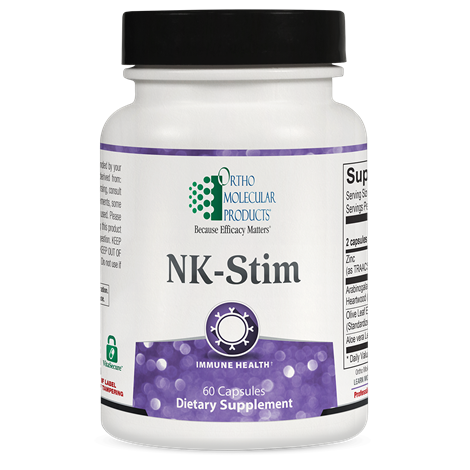
NK-Stim
Ortho Molecular Products
60 capsules
$72.54$65.35 with Subscribe & Save
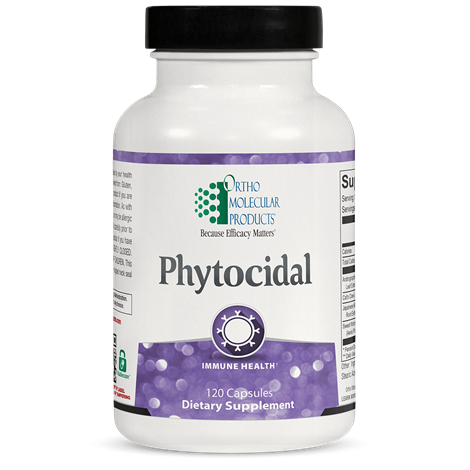
Phytocidal
Ortho Molecular Products
120 capsules
$100.07$90.15 with Subscribe & Save
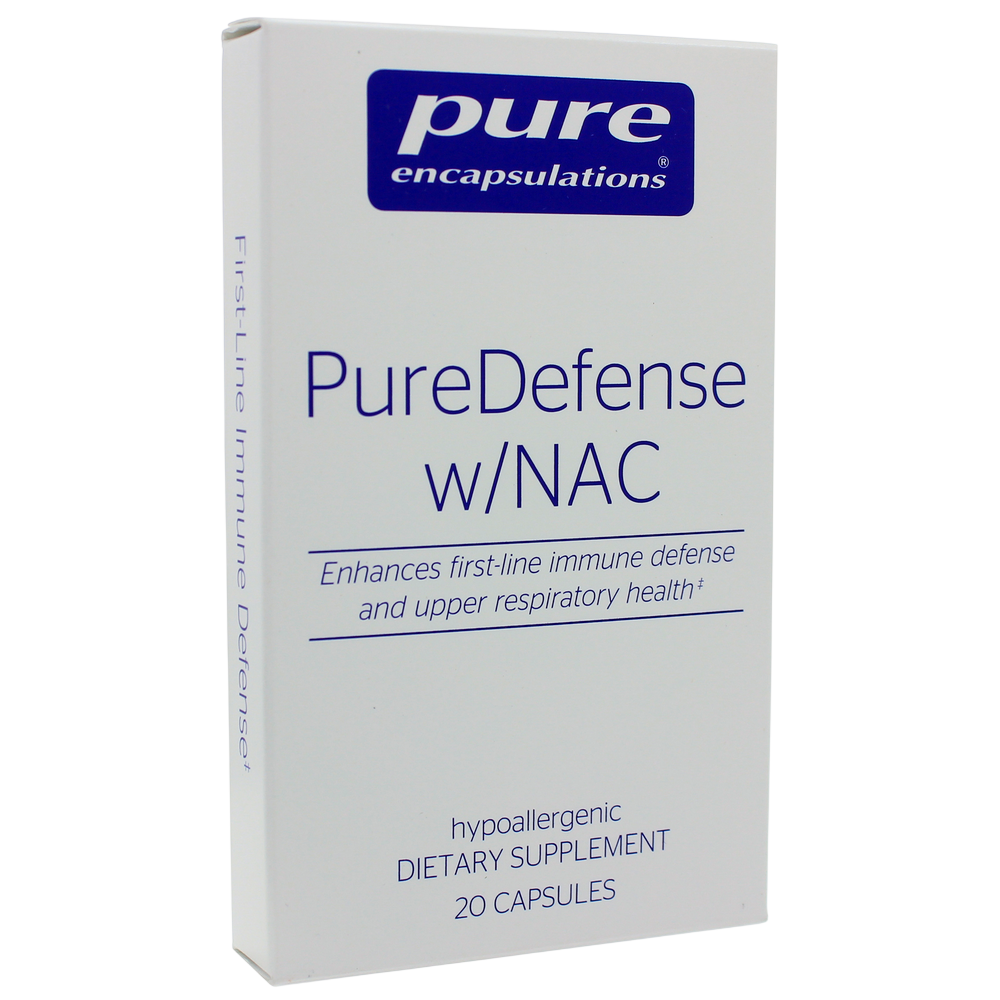
PureDefense w/Nac
Pure Encapsulations
20 capsules
$19.00$14.99 with Subscribe & Save