
 Instalab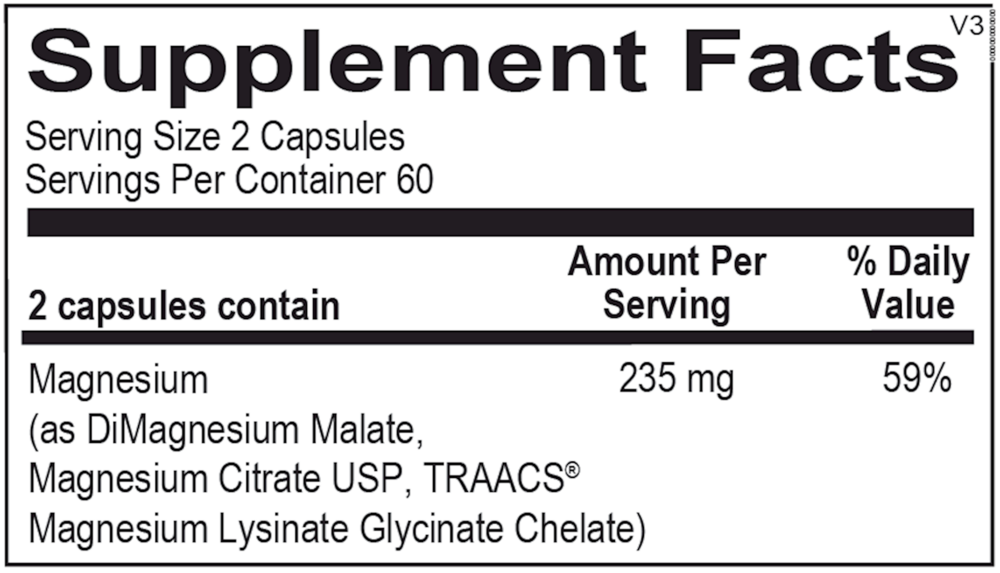


Ortho Molecular Products
Reacted Magnesium 235 mg by Ortho Molecular Products
120 capsules · 60-day supply
Bioavailable Magnesium for Muscle Function and Relaxation Support$48.67
Purchase options
Practitioner-grade brand3rd-party testedFree shipping $50+
Gluten Free·Corn Free·Yeast Free·Artificial Color Free·Artificial Flavor Free
Ortho Molecular Products Reacted Magnesium overview
If you are hunting for the best magnesium for sleep and muscle cramps, this chelated blend fits. The mix includes magnesium glycinate (gentle, calming), malate (muscle and energy), and citrate (regularity). It suits adults with low dietary greens, high caffeine or alcohol, athletes with heavy sweat loss, or those whose Magnesium, RBC is low. Chronic acid-reducer use and diuretics often correlate with low magnesium, so this is a practical maintenance-to-repletion bridge.
Glycinate is magnesium bound to glycine, an amino acid that can promote relaxation and fewer gut issues than oxide. Malate pairs magnesium with malic acid, a Krebs cycle intermediate that cells use to make energy, which many people with muscle fatigue prefer. Citrate draws water into the bowel, easing stool consistency. Together they replenish cellular magnesium, which helps muscle relaxation, steadier blood sugar, and modest blood pressure reductions in some patients.
The suggested use is 2 or more capsules daily, ideally split morning and evening. Take with food if you notice nausea; take the larger portion in the evening if sleep or nighttime cramps are your goal. Most adults use 200–400 mg elemental magnesium per day from supplements when intake is low. Expect sleep and muscle benefits within 1 to 2 weeks, and migraine or blood pressure effects over 4 to 8 weeks.
Magnesium binds certain drugs in the gut. Separate by at least 2 hours from levothyroxine, tetracycline or fluoroquinolone antibiotics, and bisphosphonates. Space from iron supplements to protect iron absorption. Loop and thiazide diuretics can lower magnesium over time; your clinician may suggest labs like Magnesium, RBC. If you have reduced kidney function, use only with medical guidance due to risk of high magnesium.
Skip this or get clearance if you have significant kidney disease, a history of high magnesium, or take neuromuscular blockers before surgery. If loose stools occur, move doses with meals or reduce total daily amount; the glycinate and malate content here are typically easier on the gut than magnesium oxide. Pregnant or breastfeeding adults can use magnesium, but confirm dosing with your obstetric clinician.
Frequently asked questions
Is magnesium glycinate good for sleep?
Often yes. Glycinate is gentle on the gut and pairs magnesium with glycine, which can be calming. Many people notice easier sleep onset within 1–2 weeks, especially when evening doses are used and overall intake has been low.
Will magnesium help with muscle cramps?
It can if low magnesium is part of the problem. Repletion supports normal muscle relaxation. Night cramps may ease in 1–2 weeks. If cramps persist, check electrolytes (magnesium, potassium) and hydration, and rule out medications that trigger cramping.
What’s the difference between magnesium glycinate and citrate?
Glycinate is typically best tolerated and favored for sleep and tension. Citrate is more osmotic in the gut and can loosen stools, which helps some with regularity but can cause diarrhea at higher doses. This formula blends both with malate.
How much magnesium glycinate should I take daily?
Most adults use 200–400 mg elemental magnesium per day from supplements when diet is light on greens or nuts. Start at the lower end, split doses, and adjust based on effect and tolerance. Higher doses should be clinician-guided.
How long does magnesium take to work?
Sleep and relaxation effects often appear within 7–14 days. Constipation relief from citrate can occur in 24–48 hours. Blood pressure and migraine benefits, when they occur, generally show over 4–8 weeks of steady intake.
Can I take magnesium with antidepressants or anti-anxiety meds?
Usually yes, there is no common dangerous interaction. Still, separate magnesium from any medications that require strict absorption timing, and confirm with your prescriber if you take lithium or have kidney issues.
Does magnesium cause diarrhea or stomach upset?
It can, especially with citrate at higher doses. This blend emphasizes glycinate and malate, which are gentler. Take with food, split doses, and lower the total amount if stools loosen. Persistent symptoms warrant a check-in.
Which lab test should I check for magnesium status?
Serum magnesium can miss mild deficiency. Magnesium, RBC is often more informative for tissue status. If cramps, fatigue, or arrhythmia symptoms persist, discuss checking Magnesium, RBC with your clinician.
How to take it & ingredients
Suggested use: 2 or more capsules per day or as recommended by your health care professional.
Active ingredients
2 capsules per serving · 60 servings
Magnesium
As DiMagnesium Malate, Magnesium Citrate USP, TRAACS® Magnesium Lysinate Glycinate Chelate
As DiMagnesium Malate, Magnesium Citrate USP, TRAACS® Magnesium Lysinate Glycinate Chelate
235 mg
Other ingredients: Natural Vegetable Capsules, Magnesium Stearate, Stearic Acid
Certifications
Benefits
Warnings
Customers also considered
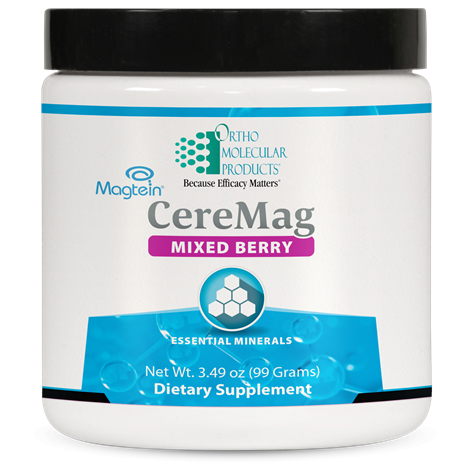
CereMag
Ortho Molecular Products
99 grams
$77.76$70.05 with Subscribe & Save

Dr. Formulated Magnesium Raspberry
Garden of Life
197.4 grams
$24.99$19.99 with Subscribe & Save

Dual-Mag Complex
Natura Health Products
90 capsules
$22.99$17.99 with Subscribe & Save

Mag Threonate
Ortho Molecular Products
60 capsules
$78.64$70.85 with Subscribe & Save