
 Instalab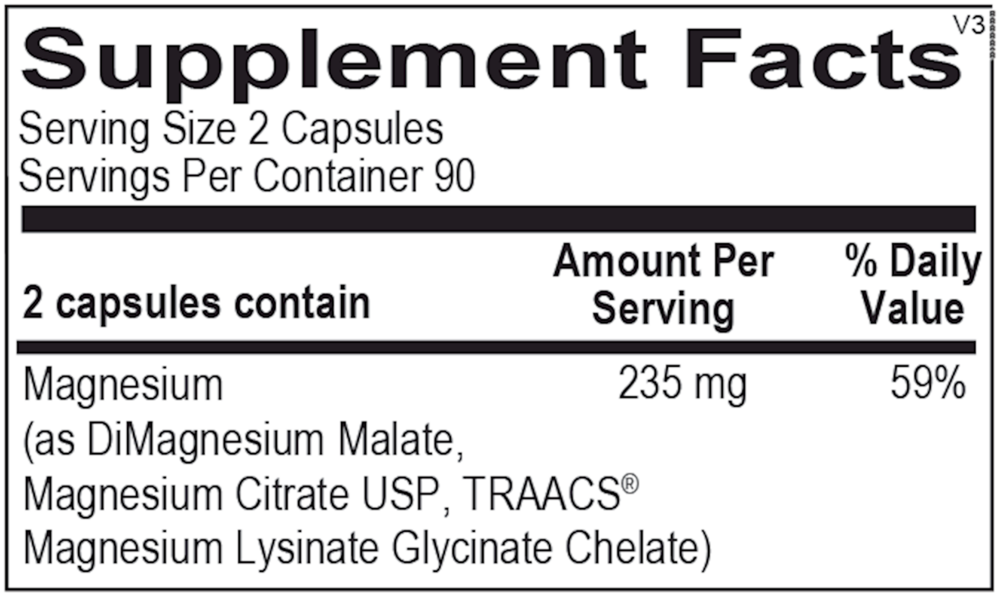


Ortho Molecular Products
Reacted Magnesium 235 mg by Ortho Molecular Products
180 capsules · 90-day supply
Bioavailable Magnesium for Muscle, Nerve, and Bone Support$62.66
Purchase options
Practitioner-grade brand3rd-party testedFree shipping $50+
Gluten Free·Corn Free·Yeast Free·Artificial Color Free·Artificial Flavor Free
Ortho Molecular Products Reacted Magnesium overview
If you get muscle tightness at night, restless sleep, or frequent tension headaches, magnesium glycinate is a practical first step. This blend pairs glycinate with citrate and malate, so you get gentle absorption plus a mild bowel-regularity effect. It fits adults whose Magnesium, RBC (magnesium inside red blood cells, a better gauge than serum) is low or low-normal, people with high coffee or alcohol intake, and those on proton pump inhibitors who often run low. For constipation-dominant folks, citrate in the mix helps; for daytime energy, malate can be useful.
Magnesium sits at the relaxation side of the nerve–muscle balance, opposing calcium’s contract signal. Adequate levels calm overactive nerve firing, which is why cramps and tension often ease. Glycinate (magnesium bound to the amino acid glycine) is well absorbed and easy on the stomach; citrate draws water into the bowel, explaining looser stools in higher doses; malate feeds the cell’s energy cycle. Together they support sleep quality, regularity, and modest blood pressure reductions in responders over 8 to 12 weeks.
The suggested use is two or more capsules daily. Most adults land between 200 and 400 mg elemental magnesium per day, often split morning and evening to improve absorption and reduce GI upset. Take with a small snack if you’re sensitive. For sleep or nighttime leg cramps, put the larger portion in the evening. Constipation typically improves within 24 to 48 hours, while muscle tension and sleep usually respond within 1 to 2 weeks.
Separate magnesium by at least 2 hours from levothyroxine, antibiotics in the tetracycline or quinolone families, and oral bisphosphonates, since it binds these drugs and blocks absorption. Loop and thiazide diuretics can lower magnesium; potassium-sparing diuretics can raise it. Significant kidney disease raises the risk of magnesium build-up, so use only with clinician guidance. Recheck Magnesium, RBC after 4 to 8 weeks to judge if your dose is adequate.
Frequently asked questions
Is magnesium glycinate good for sleep?
It helps many people sleep more soundly by calming nerve firing and easing muscle tension. Expect gradual benefits over 1 to 2 weeks. If insomnia is driven by apnea, pain, or late caffeine, magnesium alone won’t fix the root cause.
Which magnesium is best for constipation?
Magnesium citrate is the most reliable for regularity because it pulls water into the bowel. This formula includes citrate for that effect, while glycinate keeps it gentler on the stomach than citrate-only products.
How long does magnesium take to work for cramps?
Night cramps often ease within 1 to 2 weeks if low magnesium is part of the problem. More stubborn issues, like frequent migraines or elevated blood pressure, typically need 8 to 12 weeks of steady intake.
Can I take magnesium with antidepressants or anxiety meds?
Generally yes, there’s no direct interaction with SSRIs or SNRIs. Still, take magnesium 2 hours apart from any medication to avoid binding in the gut, and let your prescriber know you’ve added it.
Does magnesium cause diarrhea?
It can, especially at higher doses or with citrate-heavy formulas. This blend is buffered by glycinate and malate to be gentler. If stools loosen, split the dose, take with food, or lower the total daily amount.
Should I take magnesium in the morning or at night?
Either is fine. Many people take part in the morning and part in the evening. If your goal is sleep or nighttime leg cramps, place the larger portion with dinner or before bed.
Is magnesium safe in pregnancy?
Often, yes, and it’s commonly used for constipation or leg cramps. Still, discuss dose and form with your OB, especially if you have hypertension, kidney issues, or are on multiple medications.
Which lab test checks my magnesium status?
Magnesium, RBC reflects tissue stores better than a basic serum magnesium. Re-test after 4 to 8 weeks to confirm your intake is moving the level in the right direction.
How to take it & ingredients
Suggested use: 2 or more capsules per day or as recommended by your health care professional.
Active ingredients
2 capsules per serving · 90 servings
Magnesium
As DiMagnesium Malate, Magnesium Citrate USP, TRAACS® Magnesium Lysinate Glycinate Chelate
As DiMagnesium Malate, Magnesium Citrate USP, TRAACS® Magnesium Lysinate Glycinate Chelate
235 mg
Other ingredients: Natural Vegetable Capsules, Magnesium Stearate, Stearic Acid
Certifications
Benefits
Warnings
Customers also considered
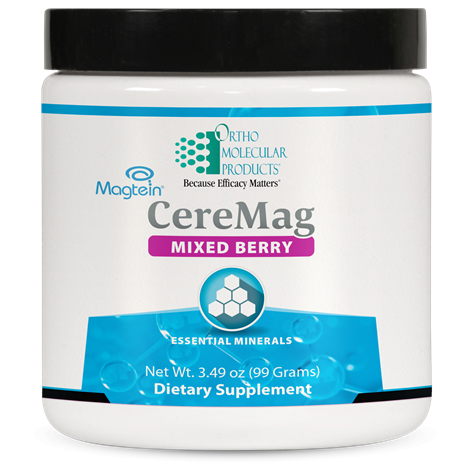
CereMag
Ortho Molecular Products
99 grams
$77.76$70.05 with Subscribe & Save

Dr. Formulated Magnesium Raspberry
Garden of Life
197.4 grams
$24.99$19.99 with Subscribe & Save

Dual-Mag Complex
Natura Health Products
90 capsules
$22.99$17.99 with Subscribe & Save

Mag Threonate
Ortho Molecular Products
60 capsules
$78.64$70.85 with Subscribe & Save