
 Instalab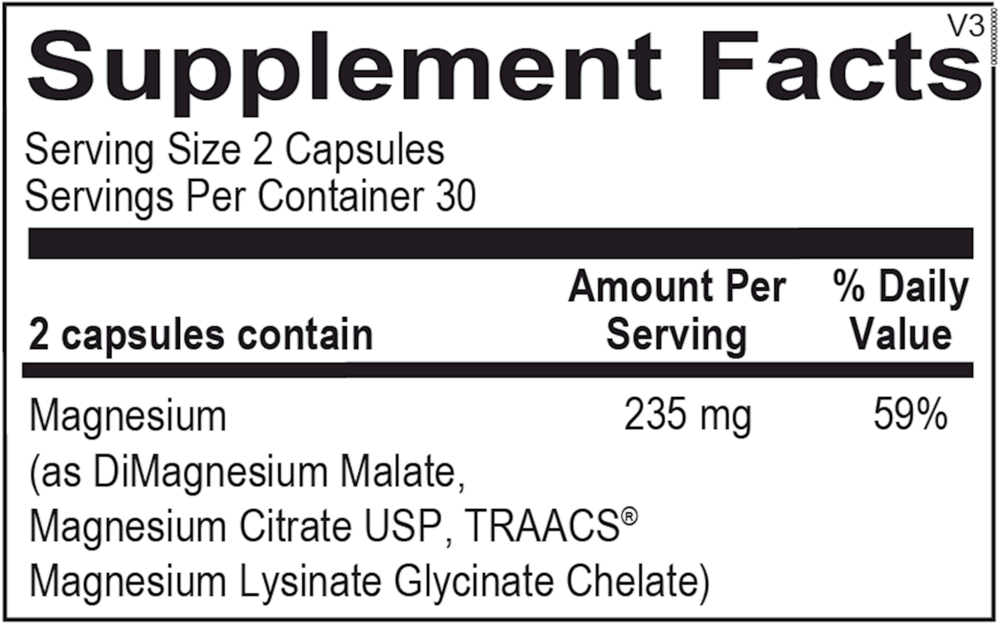


Ortho Molecular Products
Reacted Magnesium 235 mg by Ortho Molecular Products
60 capsules · 30-day supply
Premium Magnesium Blend for Muscle Relaxation and Energy Support$31.91
Purchase options
Practitioner-grade brand3rd-party testedFree shipping $50+
Gluten Free·Corn Free·Yeast Free·Artificial Color Free·Artificial Flavor Free
Ortho Molecular Products Reacted Magnesium overview
If your Magnesium, RBC (magnesium inside red blood cells) runs low or low-normal and you deal with tense muscles, poor sleep quality, or frequent headaches, this blend fits. It combines magnesium glycinate, citrate, and malate, which absorb well and are gentler on the gut than oxide. Good picks include athletes with cramping, people under high stress with restless sleep, and those with low dietary intake from greens, nuts, and legumes. For constipation, citrate helps; for sensitivity, glycinate is the calmest form.
Magnesium sits in the middle of energy enzymes and helps relax muscle and nerve cells by balancing calcium signals. Glycinate is magnesium bound to glycine, an amino acid with a calming effect on the nervous system, which is why it is favored for sleep and tension. Citrate and malate are organic acid salts that dissolve well, improving uptake in the small intestine. Compared with magnesium oxide, these forms deliver more elemental magnesium into the blood with less laxative effect.
Each serving provides 235 mg elemental magnesium from citrate, malate, and TRAACS magnesium lysinate glycinate. Take with food to minimize loose stools. Split the dose morning and evening, or take the larger portion 1 to 2 hours before bed for sleep and muscle relaxation. Expect changes in muscle tension or sleep within 2 to 4 weeks. Recheck Magnesium, RBC after 8 to 12 weeks and adjust. If you need higher repletion, coordinate dosing with a clinician.
Magnesium binds many drugs in the gut. Separate by at least 2 hours from levothyroxine, tetracycline or fluoroquinolone antibiotics, and bisphosphonates. Use caution with significant kidney disease, as magnesium can accumulate. If you are on potassium-sparing diuretics or have heart block, get clinician guidance. Diarrhea usually reflects too much magnesium at once; lower the dose or split it. Pregnancy and breastfeeding are generally compatible, but confirm dosing with your OB.
Frequently asked questions
Is magnesium glycinate better than citrate?
They do different jobs well. Glycinate is the gentlest on the gut and is preferred for sleep and muscle tension. Citrate absorbs well too and tends to loosen stools, which can help constipation. This formula includes both.
When should I take magnesium for sleep?
Take it 1 to 2 hours before bedtime. Glycinate’s calming effect pairs well with evening dosing. If your total dose is larger, split it and take the bigger portion at night with a small snack.
How long does magnesium take to work?
For sleep quality or muscle tension, many notice improvements within 2 to 4 weeks. For lab changes, recheck Magnesium, RBC after 8 to 12 weeks of steady dosing to see if you’ve repleted.
Can magnesium cause diarrhea or stomach upset?
It can, especially at higher single doses and with citrate. Take with food and split doses through the day. If loose stools persist, lower the dose or favor glycinate-heavy options.
Does magnesium interact with thyroid medication?
Yes. Magnesium binds levothyroxine in the gut and reduces absorption. Separate magnesium and levothyroxine by at least 2 hours, and keep the timing consistent day to day.
Is magnesium safe if I have kidney disease?
Use caution and medical supervision. Impaired kidneys clear magnesium slowly, raising the risk of high levels. Your clinician may suggest a lower dose and periodic blood monitoring.
Can I take magnesium with antidepressants or sleep meds?
Usually yes, but it can add to sedation. Start at a lower dose, take it in the evening, and watch for excess drowsiness. Check with your prescriber if you’re on multiple sedating agents.
Will magnesium help with migraines or blood pressure?
Some patients see fewer migraines and small blood pressure reductions with steady magnesium, but responses vary. Track headache days and home blood pressure over 4 to 8 weeks to judge benefit.
How to take it & ingredients
Suggested use: 2 or more capsules per day or as recommended by your health care professional.
Active ingredients
2 capsules per serving · 30 servings
Magnesium
As DiMagnesium Malate, Magnesium Citrate USP, TRAACS® Magnesium Lysinate Glycinate Chelate
As DiMagnesium Malate, Magnesium Citrate USP, TRAACS® Magnesium Lysinate Glycinate Chelate
235 mg
Other ingredients: Natural Vegetable Capsules, Magnesium Stearate, Stearic Acid
Certifications
Benefits
Warnings
Customers also considered
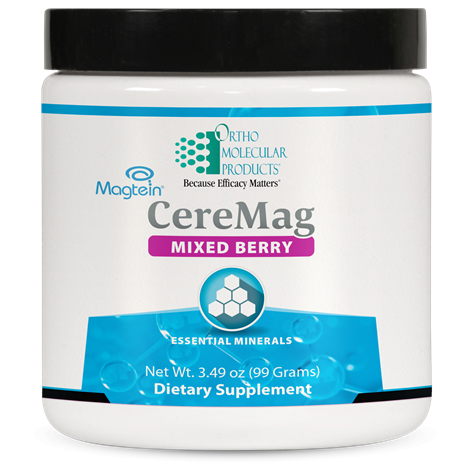
CereMag
Ortho Molecular Products
99 grams
$77.76$70.05 with Subscribe & Save

Dr. Formulated Magnesium Raspberry
Garden of Life
197.4 grams
$24.99$19.99 with Subscribe & Save

Dual-Mag Complex
Natura Health Products
90 capsules
$22.99$17.99 with Subscribe & Save

Mag Threonate
Ortho Molecular Products
60 capsules
$78.64$70.85 with Subscribe & Save