 Instalab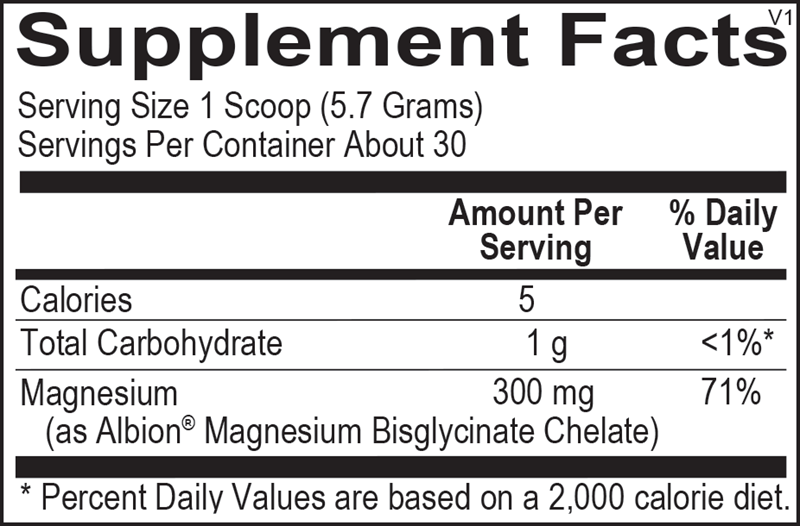
Ortho Molecular Products
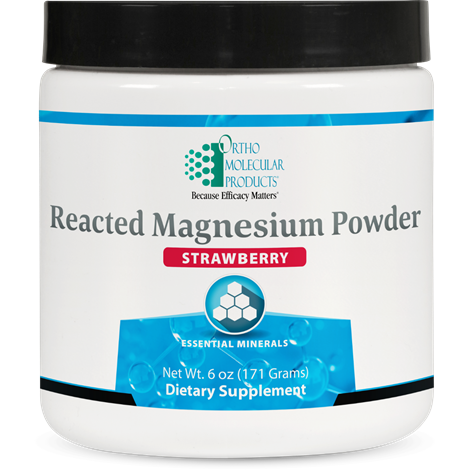
Reacted Magnesium Powder 300 mg by Ortho Molecular Products
171 grams · 30-day supply
Premium Magnesium for Muscle Relaxation and Overall Wellness$54.67
Purchase options
Practitioner-grade brand3rd-party testedFree shipping $50+
Vegetarian·Gluten Free·Yeast Free·Artificial Color Free·Artificial Flavor Free
Ortho Molecular Products Reacted Magnesium Powder overview
If your Magnesium, RBC (magnesium inside red blood cells, a better read on tissue stores than serum) trends low, magnesium glycinate powder is a practical way to replete without gut upset. It fits people with muscle tightness at night, light sleep, frequent headaches, or high stress. Athletes who sweat heavily, chronic proton pump inhibitor users, and those with high alcohol intake often run low. The 300 mg dose here is a full supplemental day’s worth, useful for steady repletion within 2 to 8 weeks.
Magnesium bisglycinate is magnesium bound to two glycine molecules. This chelated form is well absorbed and gentler on the gut than oxide or citrate, so you get fewer loose stools at useful doses. Magnesium calms NMDA receptors (excitatory signals in the brain) and helps GABA activity (the brain’s main calming signal), which explains its role in sleep quality and a less “wired” feeling. In muscle, it competes with calcium at the cell level, easing cramping and tension. Modest blood pressure improvements are seen in some patients.
Mix one scoop in water once daily, ideally in the evening if sleep or nighttime muscle tension is your goal. Take with a small snack if you have a sensitive stomach. If you’re new to magnesium, start with half a scoop for 3 to 4 days, then increase. For headache prevention or stress, daily use for 4 to 8 weeks is a fair trial. Recheck Magnesium, RBC after 8 to 12 weeks and adjust to a maintenance dose if levels normalize.
Separate magnesium by at least 2 hours from levothyroxine, tetracycline or fluoroquinolone antibiotics, and bisphosphonates, since it binds these drugs and blocks absorption. Use caution if you have significant kidney disease, as clearance is reduced. If you rely on magnesium oxide or citrate for constipation, this glycinate form is less laxative. Pregnancy and breastfeeding: generally considered compatible, but confirm total daily magnesium intake with your clinician. Ortho Molecular Products uses Albion magnesium bisglycinate, a well-tolerated chelate.
Frequently asked questions
Does magnesium glycinate help you sleep?
Often, yes. Magnesium calms excitatory brain signaling and supports GABA, leading to easier sleep onset and fewer nighttime awakenings. Expect a subtle effect within a few days, with fuller benefits after 2 to 4 weeks of nightly use.
How long does magnesium glycinate take to work for muscle cramps?
For nighttime tightness or cramps, some relief appears within days, with steadier results after 2 to 4 weeks. If cramps are from low electrolytes after heavy sweating, also address sodium and potassium and check Magnesium, RBC.
What’s the difference between magnesium glycinate and citrate?
Glycinate is a chelated form that’s well absorbed and gentler on the gut, favored for sleep, tension, and repletion. Citrate is more osmotically active in the intestines, so it’s better for constipation but more likely to cause loose stools.
Can magnesium glycinate cause diarrhea or stomach upset?
It’s less likely than oxide or citrate, but higher doses can still loosen stools. Take with a small snack, and titrate from half a scoop. Persistent diarrhea means the dose is too high for you.
Can I take magnesium with antidepressants or anxiety meds?
Generally yes, there’s no direct conflict. Space it 2 hours from other medications to avoid binding in the gut. If you take sedating agents, start with a lower dose at night and assess how you feel.
Does magnesium interact with thyroid medication or antibiotics?
Yes. Magnesium binds levothyroxine and many antibiotics, reducing their absorption. Take these medicines at least 2 hours apart from magnesium, or follow your prescriber’s timing advice.
How do I test my magnesium level?
Ask for Magnesium, RBC, which reflects intracellular stores better than standard serum magnesium. Re-test 8 to 12 weeks after starting daily magnesium glycinate to confirm repletion and guide a maintenance dose.
Is magnesium glycinate safe if I have kidney disease?
Use caution. Impaired kidneys clear magnesium poorly, which can lead to high levels. Do not supplement without clinician guidance if you have moderate to severe kidney disease.
How to take it & ingredients
Suggested use: Mix 1 scoop (5.7 grams) of Reacted Magnesium Powder with water or the beverage of your choice once daily or as recommended by your health care professional.
Active ingredients
1 scoop = 5.7 grams per serving · 30 servings
Magnesium
Albion® Magnesium Bisglycinate Chelate
Albion® Magnesium Bisglycinate Chelate
300 mg
Other ingredients: Citric Acid, Natural Strawberry Flavor (MSG free), Rebaudioside A (Organic)
Certifications
Benefits
Warnings
Customers also considered
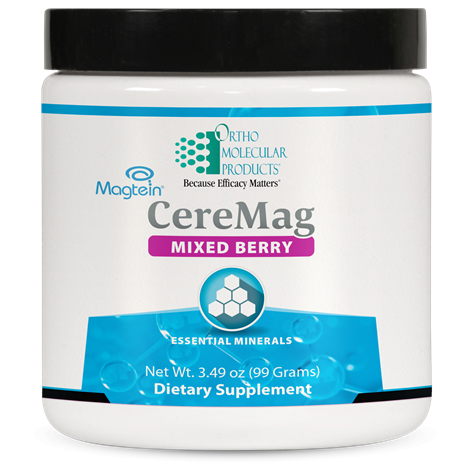
CereMag
Ortho Molecular Products
99 grams
$77.76$70.05 with Subscribe & Save
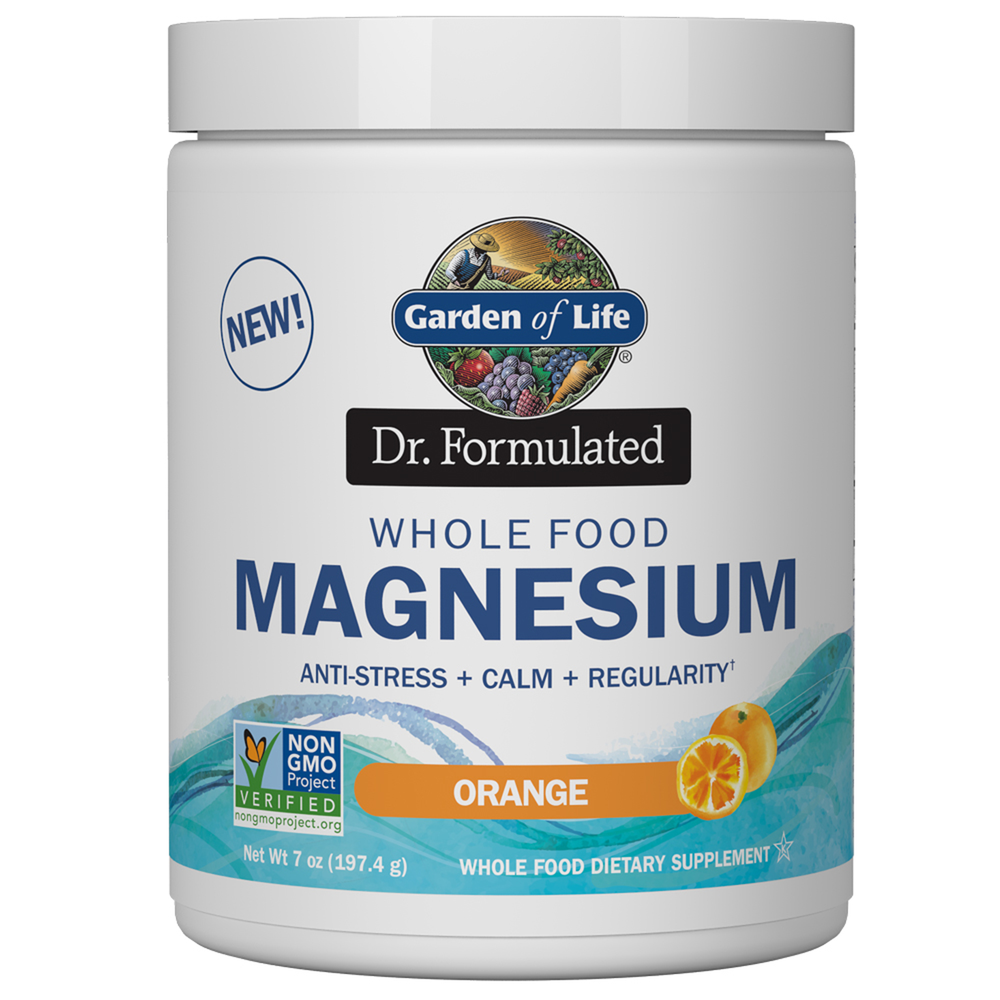
Dr. Formulated Magnesium Raspberry
Garden of Life
197.4 grams
$24.99$19.99 with Subscribe & Save
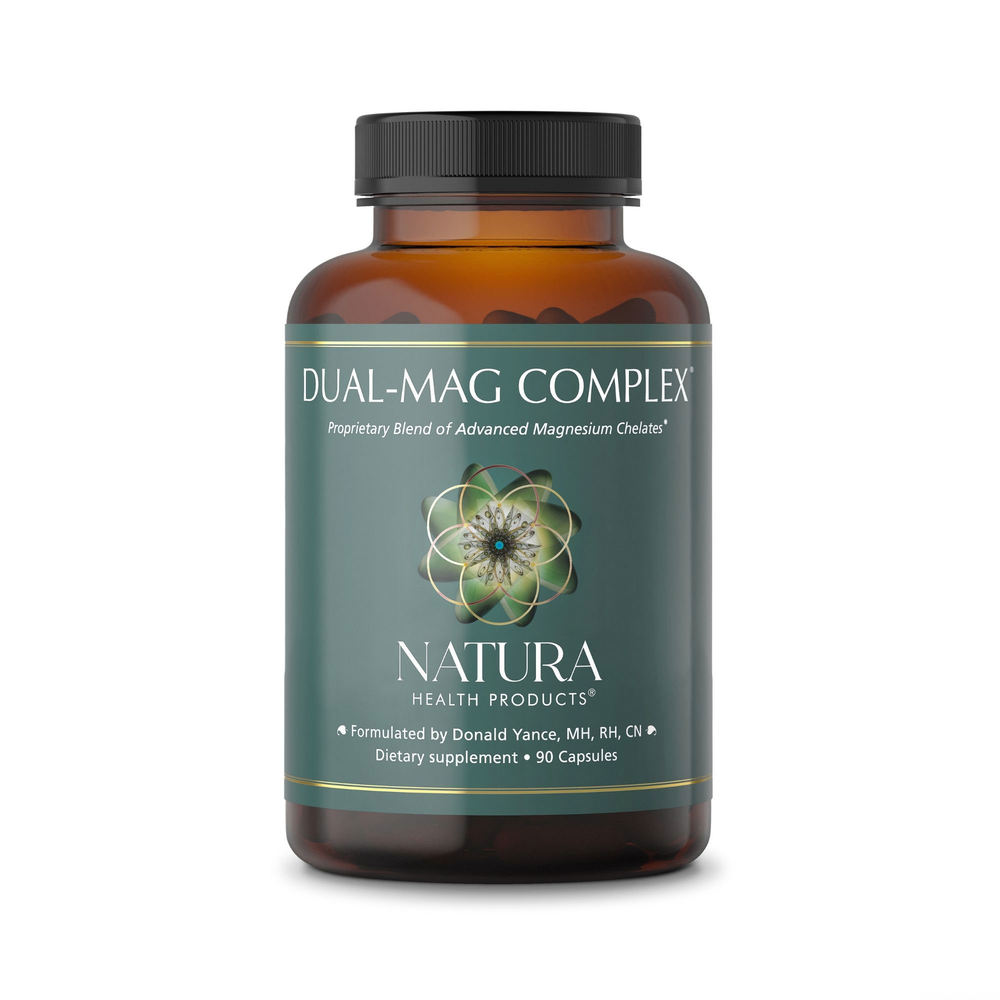
Dual-Mag Complex
Natura Health Products
90 capsules
$22.99$17.99 with Subscribe & Save
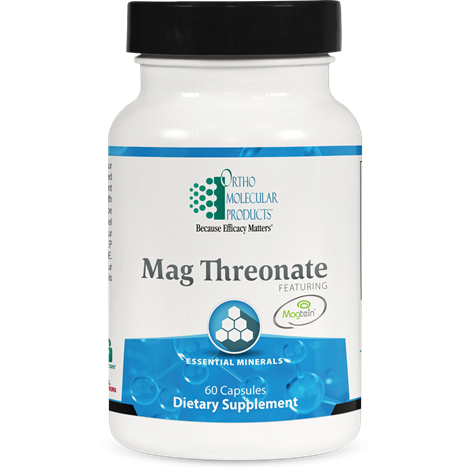
Mag Threonate
Ortho Molecular Products
60 capsules
$78.64$70.85 with Subscribe & Save