
 Instalab
.tmb-supple470.png?Culture=en&sfvrsn=76984e1d_2)

Ortho Molecular Products
Reducore™ by Ortho Molecular Products
30 capsules
Comprehensive Metabolic Support for Glycemic Control and Muscle Health$86.30
Purchase options
Practitioner-grade brand3rd-party testedFree shipping $50+
Gluten Free·Wheat Free·Yeast Free·Artificial Color Free·Artificial Flavor Free
Ortho Molecular Products Reducore™ overview
If your CGM shows sharp post‑meal spikes or your Hemoglobin A1c is creeping up despite reasonable habits, a pre-meal blood sugar supplement like this can help flatten the curve. It’s a fit for people eating out, heavier carb meals, or cutting back on alcohol or desserts and wanting extra insurance. Useful for those with low fiber intake, deskbound days, or strength training who also want to preserve muscle while leaning out.
The fiber blend (resistant dextrin, resistant potato starch, and oat beta glucan) thickens and slows stomach emptying, so glucose enters the bloodstream more gradually. Allulose, a rare sugar your body doesn’t burn for energy, can modestly lower the glycemic impact of a meal. Mulberry leaf extract inhibits alpha‑glucosidase (the enzyme that breaks down carbs), further blunting spikes. Prickly pear and acacia/carob fibers add prebiotic effects for the microbiome. The leucine‑rich amino mix supports muscle protein synthesis, and magnesium helps insulin signaling. Many see smaller glucose peaks within the first few uses.
Mix one scoop in 2–4 oz cold or room‑temperature liquid and drink 5–15 minutes before a carb‑containing meal. Start with one meal daily for a week, then use before your two highest‑carb meals if desired. Increase fluids if you’re low‑fiber. Avoid liquids hotter than 140°F. Pair with dietary protein for better satiety and muscle support. Track changes with a CGM or post‑meal fingersticks over 1–2 weeks.
If you use insulin or sulfonylureas (glipizide, glyburide), monitor closely; flatter glucose after meals can require dose adjustments to avoid lows. Using acarbose or miglitol adds the same carb‑blocking mechanism—stacking isn’t ideal. GLP‑1 medicines are generally compatible, though GI effects can add up. Sensitive guts, IBS, or SIBO: ramp slowly to limit gas. Pregnancy or breastfeeding: stick to simple fibers and review with your clinician first.
Frequently asked questions
How fast will this reduce post-meal glucose spikes?
You can see an effect with the first pre-meal dose, measurable on a CGM within that meal window. More consistent changes in average post-meal responses show up over 1–2 weeks of daily use.
Does this work if I’m low-carb or keto?
Yes, but the effect is smaller because there’s less carbohydrate to blunt. Many still use it before planned higher‑carb meals or refeeds, and for the added fiber and magnesium.
Can I take it with metformin or a GLP-1 medication?
Generally yes with metformin or GLP‑1 drugs. Watch for additive GI effects like fullness or gas. If you also use insulin or sulfonylureas, monitor for lows and discuss dose adjustments.
Will this upset my stomach or cause gas?
Fiber and allulose can cause bloating or gas, especially if your baseline fiber is low. Start with one scoop daily, drink extra water, and increase slowly over 1–2 weeks.
Does it break a fast?
Yes. The allulose, fibers, and amino acids count as an intake and will end a caloric or gut-rest fast. Use it specifically before meals where you want glucose control.
Can I mix it in hot coffee or tea?
Keep liquids below 140°F. Very hot liquids can alter viscosity and the functional fibers. Stir into cool water first, then add to warm—not hot—beverages if you prefer.
What should I track to see if it’s working?
Use a CGM to compare peak height and time‑in‑range on matched meals. Without a CGM, check 1‑ and 2‑hour fingersticks. Over months, watch Hemoglobin A1c, fasting insulin, and Triglycerides.
How to take it & ingredients
Suggested use: Mix 1 scoop (8.1 grams) with 2–4 ounces of water or your preferred beverage before meals or as directed by your health care professional. Use with liquids below 140°F for best results.
Active ingredients
1 scoop per serving
BiomeFuel Blend
Resistant Tapioca Dextrin (FiberSMART®), Resistant Potato Starch (Solnul®), Allulose, Oat Beta Glucan
Resistant Tapioca Dextrin (FiberSMART®), Resistant Potato Starch (Solnul®), Allulose, Oat Beta Glucan
5 g
Muscle Support Blend
Amino L40® (Leucine-rich Essential Amino Acids), Magnesium Glycerophosphate
Amino L40® (Leucine-rich Essential Amino Acids), Magnesium Glycerophosphate
1.2 g
Glycemic Control Blend
Prickly Pear (Cacti-Nea™), Acacia Gum and Carob Fiber (Inavea™), Mulberry Leaf Extract (Reducose®), Nopal Leaf Powder (NeOpuntia™)
Prickly Pear (Cacti-Nea™), Acacia Gum and Carob Fiber (Inavea™), Mulberry Leaf Extract (Reducose®), Nopal Leaf Powder (NeOpuntia™)
1 g
Other ingredients: Lemon Juice Powder, Natural Flavor, Malic Acid, Citric Acid, Rebaudioside M
Certifications
Benefits
Warnings
Customers also considered
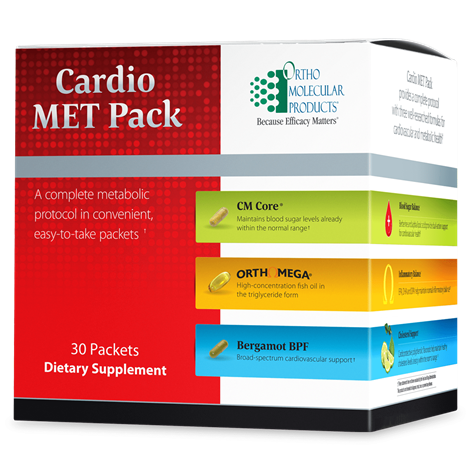
Cardio MET Pack
Ortho Molecular Products
30 packets
$153.24$138.05 with Subscribe & Save
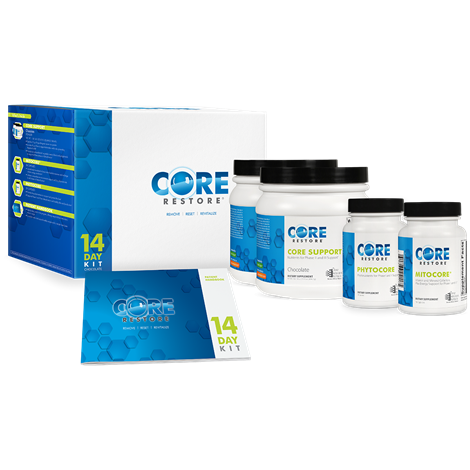
Core Restore 14-Day Kit (Chocolate)
Ortho Molecular Products
14 day kits
$239.76$216.00 with Subscribe & Save
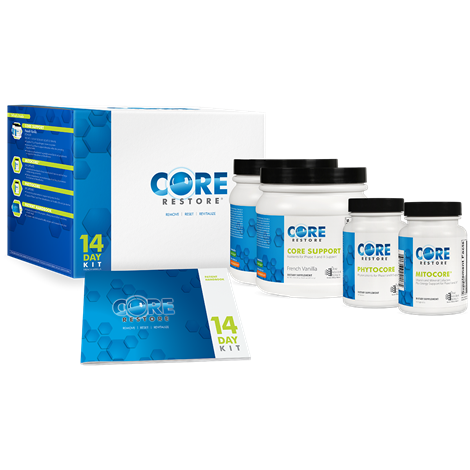
Core Restore 14-Day Kit (French Vanilla)
Ortho Molecular Products
14 day kits
$239.76$216.00 with Subscribe & Save

Core Restore 7-Day Kit (Chocolate)
Ortho Molecular Products
7 day kits
$146.69$132.15 with Subscribe & Save