 Instalab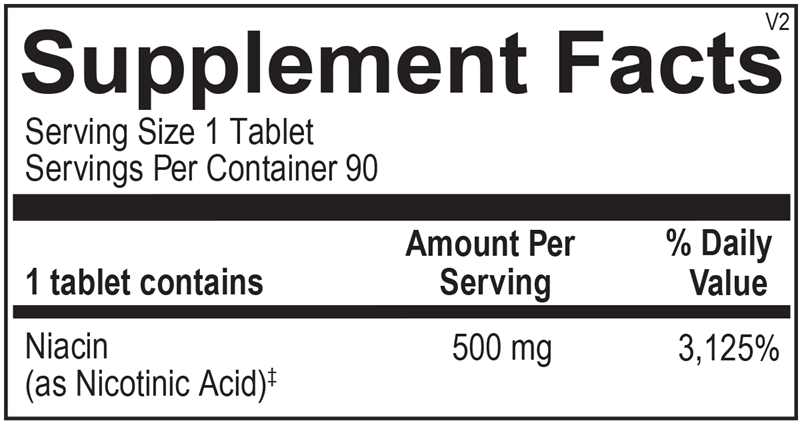
Ortho Molecular Products
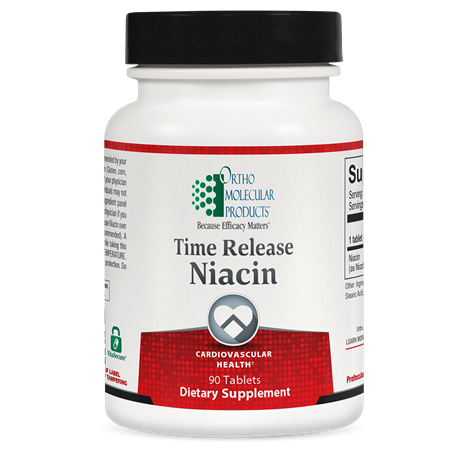
Time Release Niacin 500 mg by Ortho Molecular Products
90 capsules
Sustained Release Niacin for Heart Health and Metabolic Support$45.01retail
Add to cart for 10% off
Purchase option
10% below MSRP3rd-party tested for purity & potencyFree shipping $50+
Gluten Free·Corn Free·Yeast Free·Artificial Color Free·Artificial Flavor Free
Ortho Molecular Products Time Release Niacin overview
This is for adults using niacin for cholesterol specifically: raising HDL-C (the “good” cholesterol), lowering triglycerides, or reducing Lp(a) [lipoprotein(a), a genetic risk marker]. It’s reasonable if you can’t tolerate statins or have low HDL-C with elevated triglycerides. Expect HDL-C to rise and triglycerides to fall within 4 to 8 weeks. If you’re already on a statin, outcome trials didn’t show added heart-attack reduction, so add niacin only with a plan and labs.
Nicotinic acid (the active form of niacin for lipids) lowers how much fat your liver exports in VLDL particles (the form your liver packages fat into for transport), which pulls down triglycerides. It also slows breakdown of apoA-I (the main HDL protein), so HDL-C rises. Many see triglycerides drop 20–30% and HDL-C rise 15–30%. Niacin also lowers Lp(a) in many patients. Flush-free forms like inositol hexanicotinate don’t deliver these lipid effects.
The suggested use is 1 tablet with meals, three times daily. That totals 1,500 mg/day, which is a therapeutic dose for lipid effects. Take with food to blunt flushing and nausea. Recheck a fasting lipid panel, Lp(a) if relevant, and liver enzymes (ALT, AST) after 4 to 12 weeks. If you need a lower starting dose, begin with one tablet daily and step up weekly as tolerated.
Niacin can strain the liver more when combined with alcohol or other liver-metabolized drugs; schedule liver tests (ALT, AST) and ask about timing if you take acetaminophen regularly. With statins, muscle symptoms are more likely, and trials didn’t show extra event prevention. It can nudge fasting glucose and A1c up, so monitor if you have diabetes. Uric acid can rise, which matters if you have gout.
Avoid high-dose niacin if you have active liver disease, heavy alcohol use, uncontrolled diabetes, recurrent gout, or a history of peptic ulcers. Pregnancy and breastfeeding: avoid high-dose therapy. For NAD+ or energy goals, niacinamide (nicotinamide) is the form used, but it won’t improve cholesterol. If flushing is your only barrier, this time release format reduces it; severe itching or dark urine means stop and get labs.
Frequently asked questions
Does niacin really lower cholesterol?
Yes for the lipid profile: nicotinic acid can raise HDL-C 15–30%, lower triglycerides 20–30%, and modestly lower Lp(a). It’s less reliable for LDL-C. These are lab effects; adding niacin to a statin hasn’t reduced heart events in large trials.
How long does niacin take to work on lipids?
Most lipid changes show within 4 to 8 weeks. Recheck a fasting lipid panel and, if relevant, Lp(a) after that window. If there’s no meaningful change by 12 weeks, reconsider dose, adherence, or whether niacin is the right tool.
Is time release niacin safer than immediate release?
It reduces flushing, which helps adherence. The trade-off is a higher risk of liver enzyme elevations with some sustained-release designs. Use the lowest effective dose and monitor ALT and AST within 4 to 12 weeks, then periodically.
What labs should I monitor on niacin?
Check a fasting lipid panel, liver enzymes (ALT, AST), fasting glucose and A1c, and uric acid if you have gout risk. Do this 4 to 12 weeks after starting or changing dose, then at intervals your clinician recommends.
Can I take niacin with a statin?
You can, but it rarely adds outcome benefit and raises the chance of muscle symptoms and other side effects. If combined, start low, report muscle pain promptly, and monitor liver enzymes and glucose.
Does niacin help lower Lp(a)?
Often yes. Nicotinic acid can lower Lp(a) meaningfully in many patients, which is why it’s sometimes used when Lp(a) is high. Still, outcome benefits are unproven, so decide with your clinician and track Lp(a) on labs.
How do I prevent niacin flushing?
This sustained-release format helps. Also take with meals, avoid alcohol and hot beverages around dosing, and consider a baby aspirin 30 minutes prior if your clinician agrees. Flushing usually lessens after the first week or two.
What’s the difference between niacin and niacinamide?
Nicotinic acid (niacin) changes the lipid panel but can cause flushing. Niacinamide (nicotinamide) doesn’t flush and doesn’t improve cholesterol. “No-flush” inositol hexanicotinate also underperforms for lipid changes.
How to take it & ingredients
Suggested use: Take 1 tablet three times per day with a meal or as recommended by your health care professional.
Active ingredients
1 tablet per serving
Niacin
As Nicotinic Acid
As Nicotinic Acid
500 mg
Other ingredients: Vegetable waxes (Rice Bran and or Carnauba), Stearic Acid, Magnesium Stearate, Silica
Certifications
Benefits
Warnings
Customers also considered
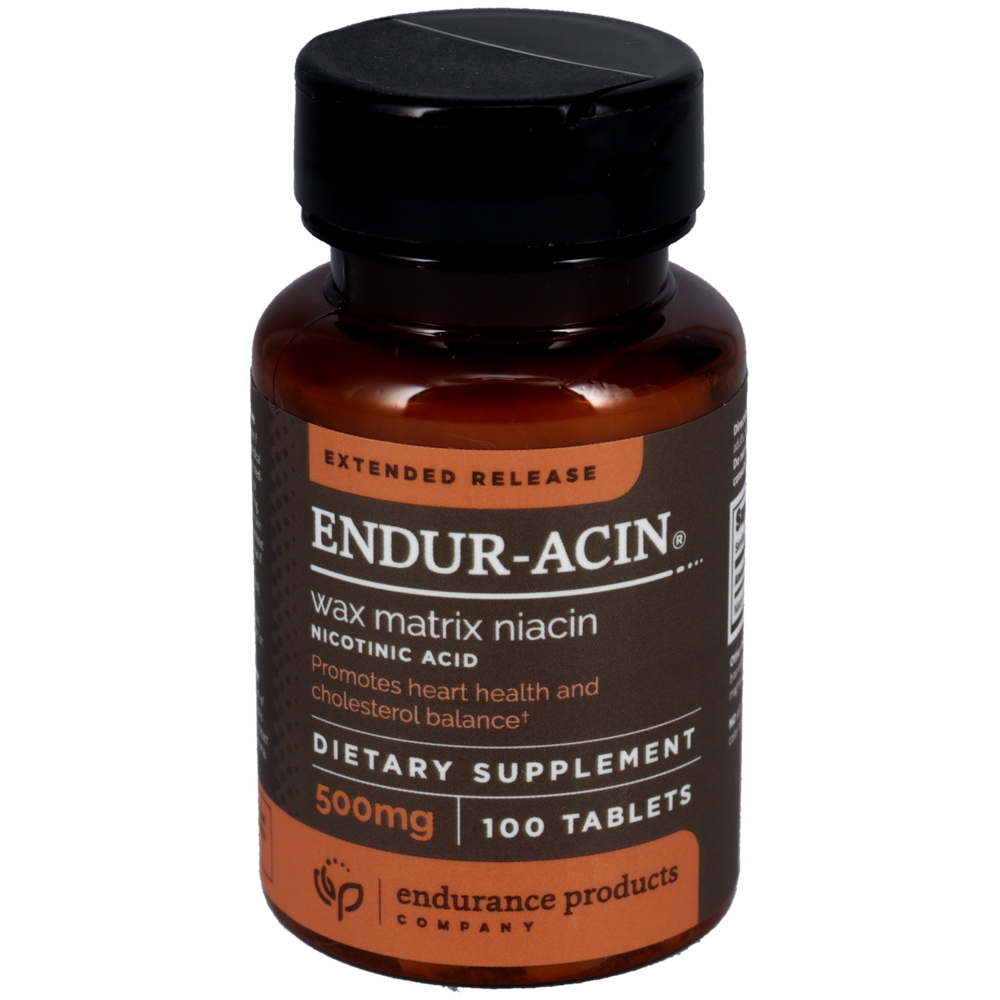
Endurance Products Company
Extended Release ENDUR-ACIN
100 tablets
$24.99
Add to cart for lower price
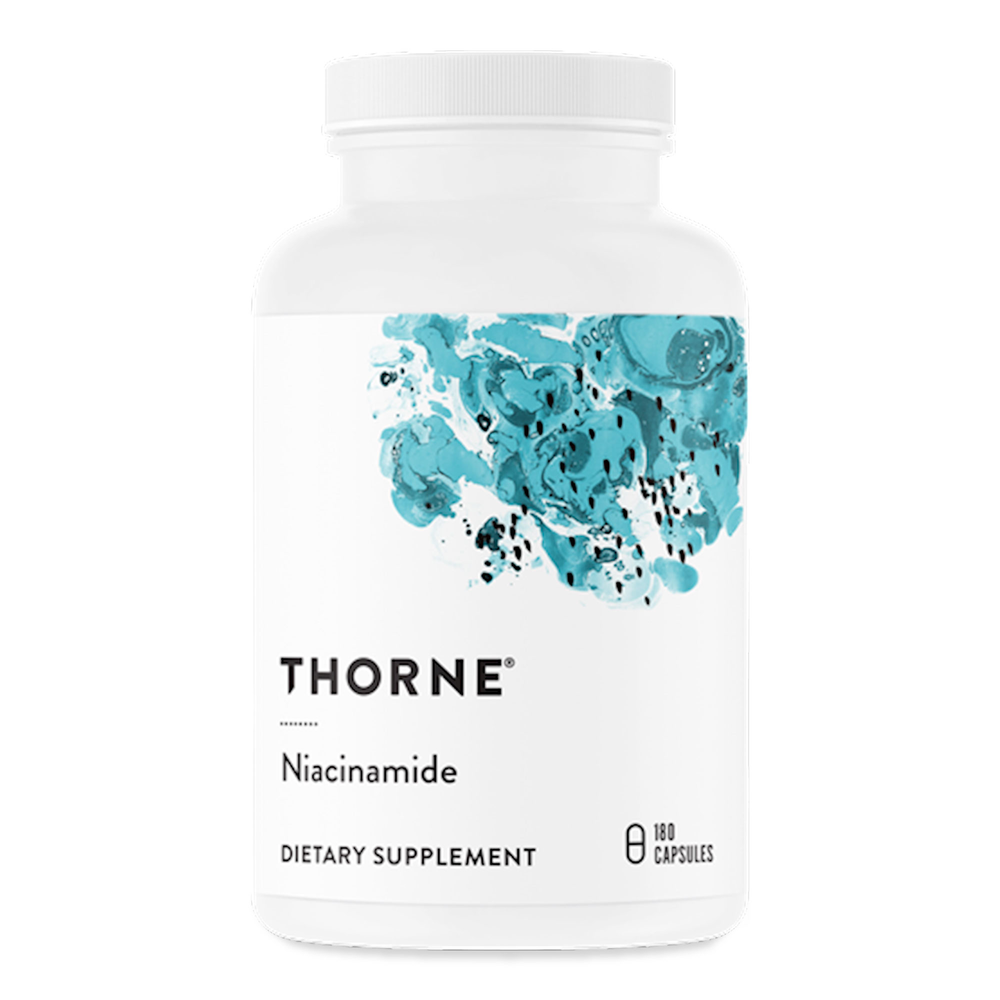
Thorne
Niacinamide
180 capsules
$26.00
Add to cart for lower price
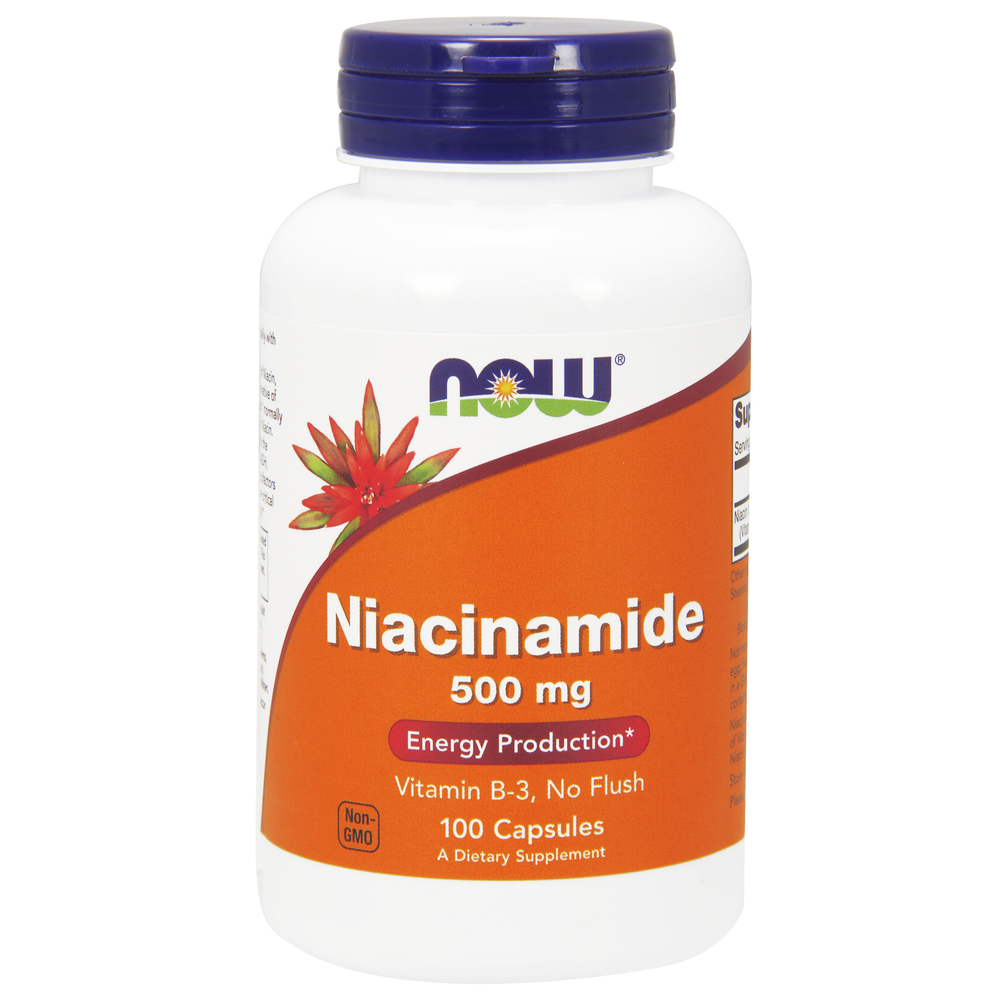
NOW
Niacinamide 500 mg
100 capsules
$11.99
Add to cart for lower price
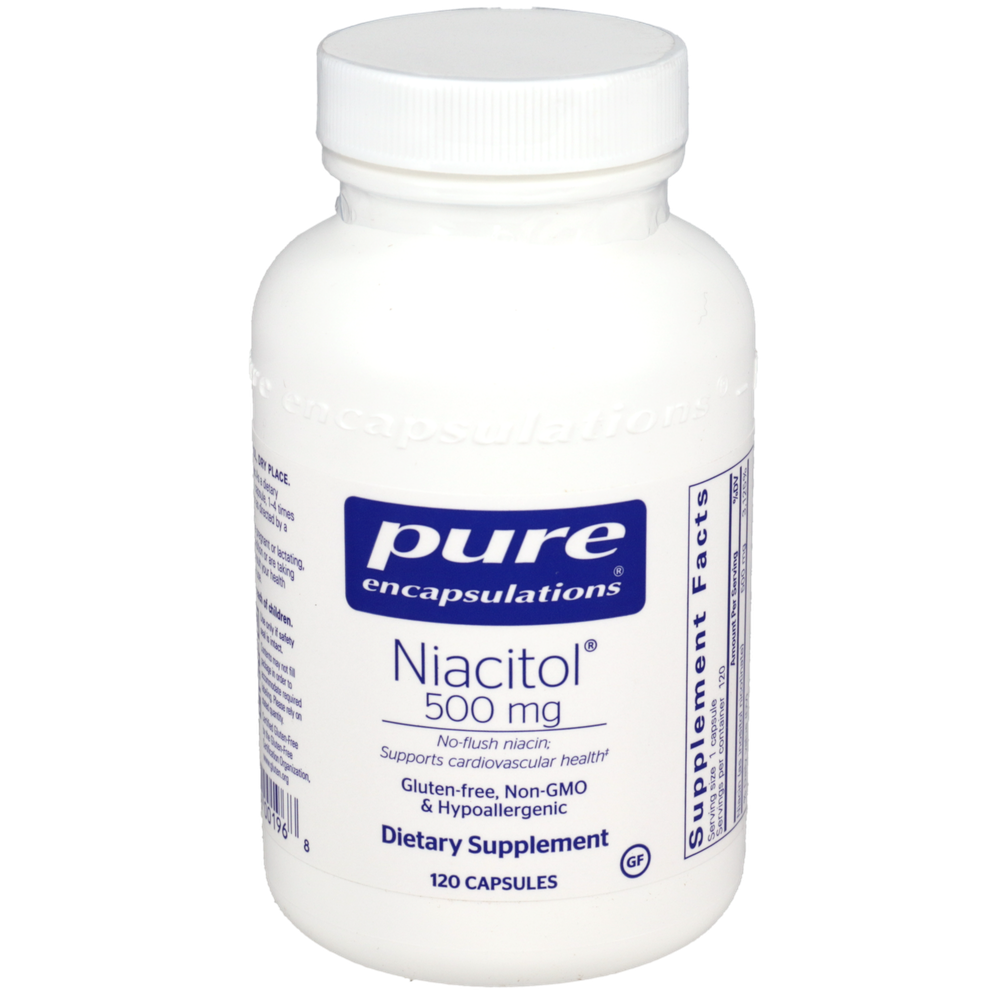
Pure Encapsulations
Niacitol 500mg
120 capsules
$58.00
Add to cart for lower price