Instalab

Protocol for Life Balance
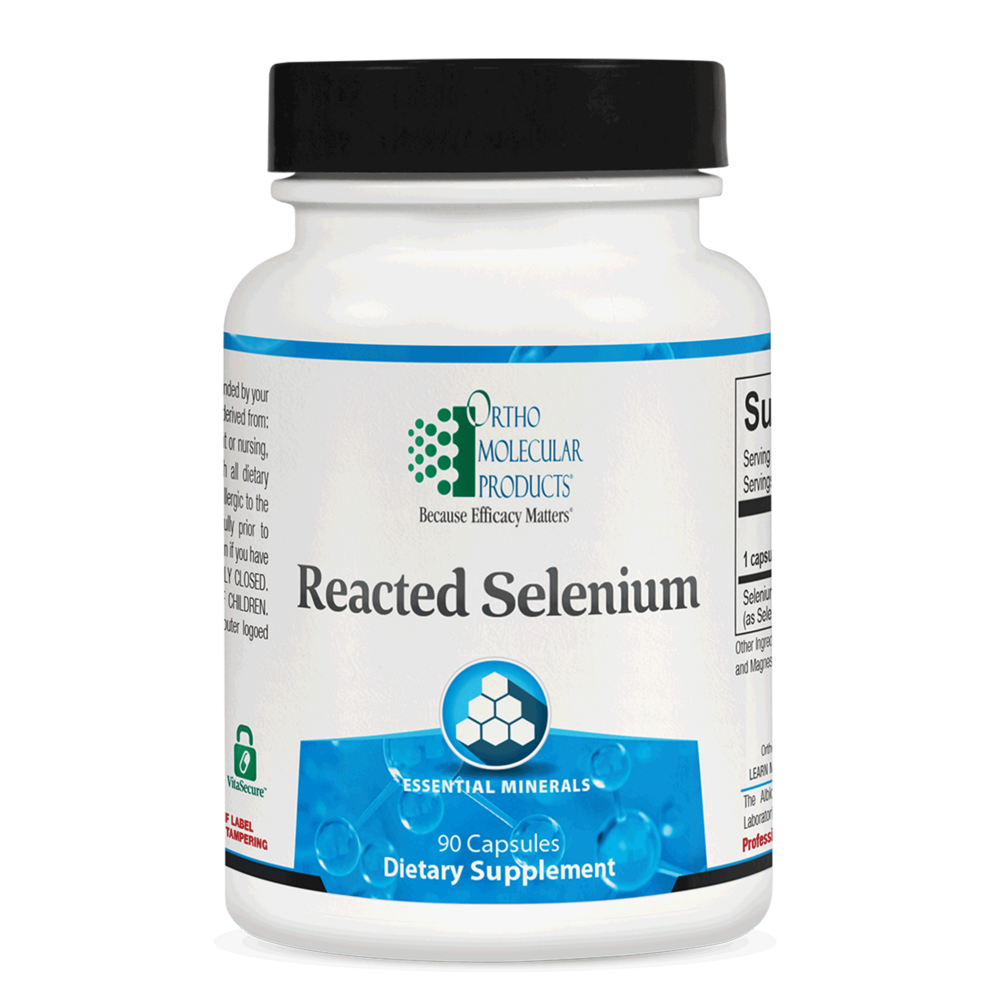
Selenium 200mcg by Protocol for Life Balance
90 capsules · 90-day supply
Selenium as L-Selenomethionine for Thyroid and Antioxidant Support$12.99
Purchase options
Practitioner-grade brand3rd-party testedFree shipping $50+
Vegan·Vegetarian·Kosher·Gluten Free·Soy Free·Milk Free·
Protocol for Life Balance Selenium 200mcg overview
A 200 mcg selenium capsule suits adults whose Selenium or RBC Selenium has tested low, or whose diet supplies little: people eating mostly plant foods grown in low-selenium soil, those with absorption problems, and people on dialysis. It is also the amount studied in people with raised Anti-TPO antibodies, a use that belongs with your clinician. If your level is already in range you do not need this much; most adults eating a mixed diet get enough from food.
Selenium is a trace mineral built into selenoproteins. These include the glutathione peroxidases, which protect cells from oxidative damage, and the deiodinases, which convert the thyroid hormone T4 into active T3. This product supplies selenium as L-selenomethionine, the main form found in food. It is absorbed well and is stored in body proteins in place of methionine, so levels rise steadily and fall slowly.
Take 1 capsule daily, or as directed by your health professional. One capsule provides 200 mcg of selenium. It can be taken with or without food; a meal is easier on the stomach. Count selenium from every source: a multivitamin, a thyroid formula and Brazil nuts each add to the total, and the adult upper limit from all sources is 400 mcg a day.
Selenium has a narrow margin between enough and too much. Long-term excess causes selenosis: garlic-smelling breath, a metallic taste, brittle nails, hair loss, nausea and nerve symptoms. Some long-term trial data also suggest that 200 mcg a day, taken for years by people who were not low, is linked with a higher rate of type 2 diabetes. Use this dose for a defined period guided by a lab result, not indefinitely. If you are pregnant, nursing, on prescription medicines or have kidney disease, check with your clinician first.
Blood selenium responds within 6–12 weeks, so retest Selenium after about three months and step down to a lower dose or to food sources once you are in range. You are unlikely to feel a difference unless you were low. Compared with sodium selenite, selenomethionine raises blood levels more, which is useful for repletion and a reason not to overshoot.
Frequently asked questions
What is L-selenomethionine?
It is selenium bound to the amino acid methionine, the main form of selenium in food. It is absorbed well and is stored in body proteins, so it raises selenium levels steadily. Each capsule provides 200 mcg of selenium from L-selenomethionine.
Is 200 mcg of selenium a day safe?
It is below the adult upper limit of 400 mcg a day from all sources, and it is a common dose for raising a low level. It is more than most people need long term. Use it for a defined period, retest, and then step down.
Who needs a selenium supplement?
People with a low Selenium or RBC Selenium result, or with low intake: plant-based diets from low-selenium regions, absorption problems or dialysis. Most adults eating a mixed diet get enough from seafood, meat, eggs and grains.
Does selenium help the thyroid?
Selenium is needed by the enzymes that activate thyroid hormone. In people with raised Anti-TPO antibodies, some trials show lower antibody levels with selenium, but a clear clinical benefit has not been shown. Discuss that use with your clinician.
What are the signs of too much selenium?
Garlic-smelling breath, a metallic taste, brittle or streaked nails, hair loss, nausea, fatigue and tingling are the classic signs. If you notice them, stop taking selenium and ask your clinician to check your Selenium level.
Can I get selenium from Brazil nuts instead?
Yes, but the amount varies widely from nut to nut, so they are hard to dose. If you take this capsule, do not add Brazil nuts on top as a habit, since the totals add up quickly toward the 400 mcg a day upper limit.
Is this selenium supplement vegan?
The bottle is marked vegetarian/vegan and non-GMO and carries a kosher symbol. The other ingredients are rice flour, a cellulose capsule and stearic acid from a vegetable source. The label says it is not manufactured with yeast, wheat, gluten, soy, milk, egg, fish, shellfish or tree nut ingredients.
How long does it take to raise selenium levels?
Blood selenium usually responds within 6–12 weeks of daily use. Retest Selenium after about three months. Once you are in range, a lower dose or selenium-rich foods are usually enough to keep you there.
How to take it & ingredients
Suggested use: Take 1 capsule daily, or as directed by your health professional.
Active ingredients
1 capsule per serving · 90 servings
Selenium
L-Selenomethionine
L-Selenomethionine
200 mcg
Other ingredients: Rice Flour, Cellulose (capsule), Stearic Acid (vegetable source)
Certifications
Benefits
Warnings