
 Instalab



Pure Encapsulations
Bacopa Monnieri 200 mg by Pure Encapsulations
180 capsules · 180-day supply
Standardized Bacopa Extract for Memory and Mental Clarity$55.99
Purchase options
Practitioner-grade brand3rd-party testedFree shipping $50+
Gluten Free
Pure Encapsulations Bacopa Monnieri overview
Bacopa suits adults who want steady, long-term support for memory and learning and are willing to wait for it: students in a heavy study period, professionals carrying a high mental load, and older adults who notice names and details slipping. It is not a stimulant and will not sharpen you for an afternoon. No lab test guides its use. If memory changes are new, progressive or affecting daily life, see your clinician before reaching for a supplement.
Bacopa monnieri is a creeping herb used in Ayurvedic practice, where it is called brahmi, as a tonic for memory and calm. This extract is made from the aerial parts and standardized to contain 20% bacosides, the compounds thought to account for its effects. Bacosides appear to influence acetylcholine signaling, which is central to memory. In human trials the most consistent finding is a modest improvement in how well new information is retained; effects on attention and mood are less consistent.
Each capsule provides 200 mg of bacopa extract. The label directs 1 capsule, 1–3 times daily, with meals. Start with one capsule a day and add more only if you tolerate it; food and a gradual start both reduce the nausea, cramping and loose stools that are its most common side effects. Some people find it mildly relaxing, in which case the evening meal is the better slot.
Bacopa acts on acetylcholine, so check with your prescriber before combining it with cholinesterase inhibitors such as donepezil or with anticholinergic medicines, since the effects can add up or work against each other. It may add to the drowsiness of sedatives. Animal data suggest it can raise thyroid hormone levels, so people on thyroid medication should ask their clinician first. Avoid it during pregnancy and nursing, where its safety has not been studied, and tell your clinician you take it before any planned surgery.
Bacopa is slow. Trials that found a benefit ran for 8–12 weeks, and little is seen before a month, so judge it at three months, not three days. Compared with caffeine or L-theanine, which act within the hour, bacopa is a long-game option aimed at memory, not alertness. If your stomach objects, take it with a larger meal; if that does not settle things, this herb may not suit you.
Frequently asked questions
What is Bacopa monnieri used for?
Bacopa is an Ayurvedic herb, also called brahmi, traditionally used to support memory and a calm mind. Trials point to a modest benefit for retaining new information after 8–12 weeks of daily use. It is not a stimulant and does not act on the day you take it.
How long does bacopa take to work?
Expect 8–12 weeks of daily use before judging it. The trials that showed a memory benefit ran that long, and little is noticeable in the first month. If nothing has changed after three months, it is reasonable to stop.
How much bacopa is in each capsule?
Each capsule provides 200 mg of Bacopa monnieri extract from the aerial parts, standardized to contain 20% bacosides. The label directs 1 capsule, 1–3 times daily, with meals. Start at the low end and stay within the label's range unless your clinician advises otherwise.
Should I take bacopa with food?
Yes. The label says to take it with meals, and food lowers the chance of nausea, stomach cramps and loose stools, the most common side effects. If it makes you feel relaxed or drowsy, take it with your evening meal instead of in the morning.
What are the side effects of bacopa?
Digestive upset is the main one: nausea, cramping, bloating or loose stools, usually eased by taking it with food. Some people notice dry mouth, fatigue or drowsiness. Stop and talk to your clinician if symptoms persist.
Does bacopa interact with medications?
It can. Bacopa acts on acetylcholine, so check with your prescriber if you take donepezil or similar medicines, or anticholinergic drugs. It may add to sedatives, and animal data suggest it can raise thyroid hormone, which matters if you take thyroid medication.
Can I take bacopa while pregnant or breastfeeding?
Avoid it. Bacopa has not been studied for safety in pregnancy or nursing, and there is no reason to accept an unknown risk for a memory supplement. Talk to your clinician about any supplement you are considering during this time.
Is bacopa the same as brahmi or gotu kola?
Brahmi is the traditional name for Bacopa monnieri, so those two are the same plant. Gotu kola (Centella asiatica) is a different herb that is sometimes also sold as brahmi. Check the botanical name on the label: this product is Bacopa monnieri.
How to take it & ingredients
Suggested use: As a dietary supplement, take 1 capsule, 1-3 times daily, with meals.
Active ingredients
1 capsule per serving · 180 servings
Bacopa monnieri
Bacopa (Bacopa monnieri) extract (aerial parts), standardized to contain 20% bacosides
Bacopa (Bacopa monnieri) extract (aerial parts), standardized to contain 20% bacosides
200 mg
Other ingredients: Hypoallergenic plant fiber (cellulose), Vegetarian capsule (cellulose, water), Ascorbyl palmitate
Certifications
Benefits
Warnings
Customers also considered

Bacopa (formerly Bacopa Monnieri)
Gaia Herbs Pro
60 capsules
$23.99$18.99 with Subscribe & Save
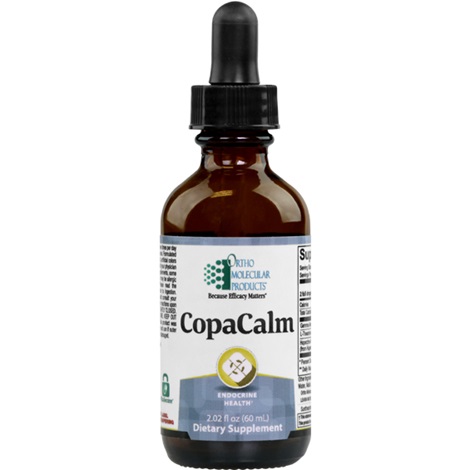
CopaCalm
Ortho Molecular Products
60 milliliters
$47.90$43.15 with Subscribe & Save
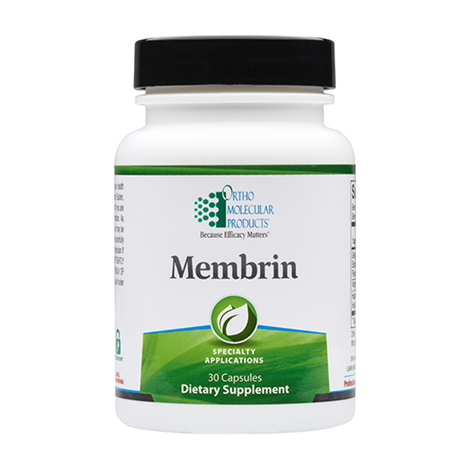
Membrin®
Ortho Molecular Products
30 capsules
$56.00$50.45 with Subscribe & Save
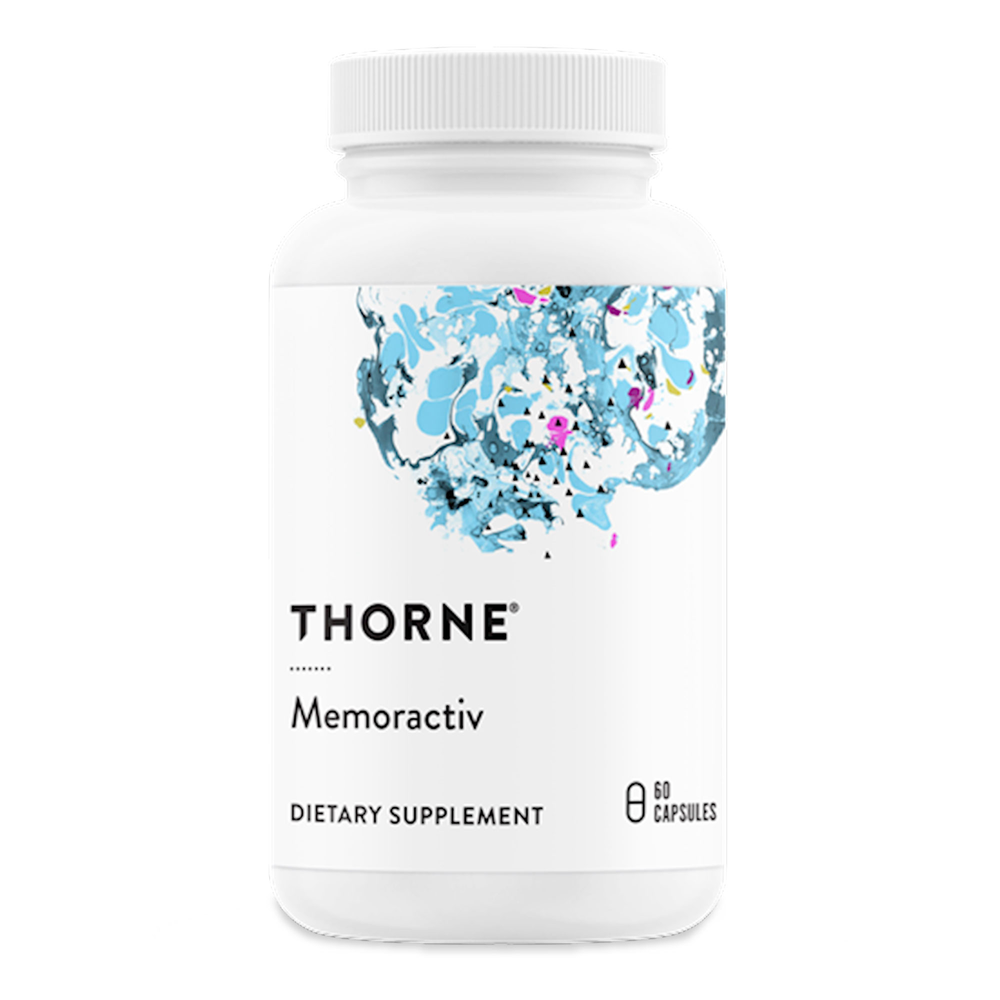
Memoractiv
Thorne
60 capsules
$70.00$63.00 with Subscribe & Save