 Instalab
Pure Encapsulations
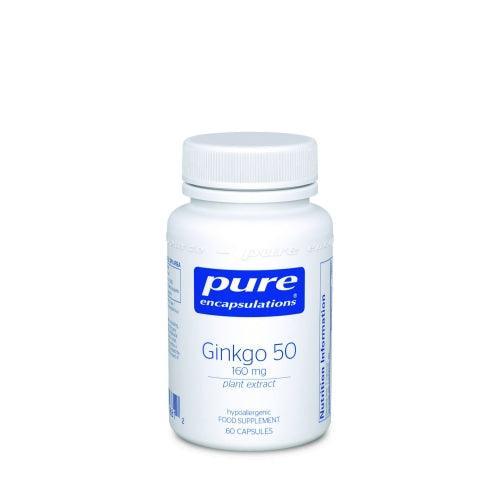
Ginkgo 50 160mg by Pure Encapsulations
60 capsules · 60-day supply
Support Cognitive Function and Enhance Memory with Ginkgo Biloba Extract$32.10
This item is currently out of stockGet notified when this item is back in stock
Practitioner-grade brand3rd-party testedFree shipping $50+
Vegan·Vegetarian·Gluten Free·Egg Free·Artificial Preservative Free·Peanut Free·
Pure Encapsulations Ginkgo 50 160mg overview
This is a fit if you want ginkgo biloba for memory and mental speed and you prefer a clinically standardized extract. Adults noticing mild recall dips, slower word-finding, or heavy cognitive workload are the right audience. If you have brain fog, first look at basics like Vitamin B12, TSH (thyroid function), Ferritin (iron stores), and Vitamin D, 25-Hydroxy. For tinnitus or dizziness, evidence is mixed, so set expectations modestly.
Standardized ginkgo biloba provides flavone glycosides and terpene lactones (ginkgolides and bilobalide). These act as antioxidants and modest vasodilators, improving microcirculation in the brain. Ginkgolide B blocks platelet-activating factor, a signal that makes platelets clump, which can improve blood flow but also raises bleeding concerns. Cognitive gains, when they happen, come from slightly better cerebral blood flow and signaling efficiency, not a stimulant effect.
The extract here is standardized to 24% flavone glycosides and 6% terpene lactones, matching research-grade material. Take 1 capsule twice daily between meals, or 1–2 capsules split morning and midday. Effects build gradually; give it 4 to 6 weeks, then reassess at 8 to 12 weeks. If you need the higher researched range, use two daily in divided doses rather than all at once.
Skip ginkgo biloba if you use blood thinners or antiplatelet drugs like warfarin, apixaban, rivaroxaban, dabigatran, aspirin, or clopidogrel, or if you have a bleeding disorder. Stop 1–2 weeks before surgery or dental procedures. Avoid in pregnancy and breastfeeding. People with a seizure history should avoid it due to rare pro-convulsant compounds. Headache or stomach upset can occur; take less or stop if that persists.
Frequently asked questions
Does ginkgo biloba really help memory?
It can modestly improve recall and mental speed in some adults. Trials show small, inconsistent effects; it is not a cure. Expect subtle changes, if any, after several weeks, not a dramatic shift overnight.
How long does ginkgo biloba take to work?
Most responders notice effects within 4 to 6 weeks. Assess at 8 to 12 weeks to decide if it is worth continuing. If nothing changes by then, it is reasonable to stop.
Should I take ginkgo biloba with food or on an empty stomach?
Between meals is ideal per the label. If you get stomach upset, take it with a small snack. Morning and midday dosing is common to avoid sleep disruption in sensitive people.
Is ginkgo biloba safe with blood thinners like warfarin or aspirin?
No. Ginkgo can increase bleeding risk when combined with anticoagulants or antiplatelet drugs. Skip it if you take warfarin, apixaban, rivaroxaban, dabigatran, aspirin, or clopidogrel unless your clinician specifically approves.
Can I take ginkgo biloba with antidepressants?
Generally avoid combining with high-bleeding-risk regimens, including SSRIs plus aspirin or NSAIDs. If you use a single antidepressant, discuss with your prescriber; bleeding risk is usually the main concern.
Does ginkgo biloba help tinnitus?
Evidence is mixed and often negative. Some people report less bothersome ringing, but controlled trials do not consistently show benefit. It is reasonable to try a time-limited trial, then stop if no change.
What side effects should I watch for with ginkgo biloba?
Headache, stomach upset, or mild nausea are the most common. Bruising or nosebleeds suggest excess bleeding risk; stop and seek care. Avoid if you have a seizure history.
How to take it & ingredients
Suggested use: Take 1-2 capsules per day, in divided doses, between meals.
Active ingredients
1 capsule per serving · 60 servings
ginkgo extract
Ginkgo biloba, leaf, standardized to contain 24% ginkgoheterosides and 6% terpene lactones
Ginkgo biloba, leaf, standardized to contain 24% ginkgoheterosides and 6% terpene lactones
160 mg
Other ingredients: hypo-allergenic plant fiber (cellulose), vegetarian capsule (cellulose, water)
Certifications
Benefits
Warnings
Customers also considered

Bacopa (formerly Bacopa Monnieri)
Gaia Herbs Pro
60 capsules
$23.99$18.99 with Subscribe & Save

Bacopa Monnieri
Pure Encapsulations
180 capsules
$55.99$44.99 with Subscribe & Save
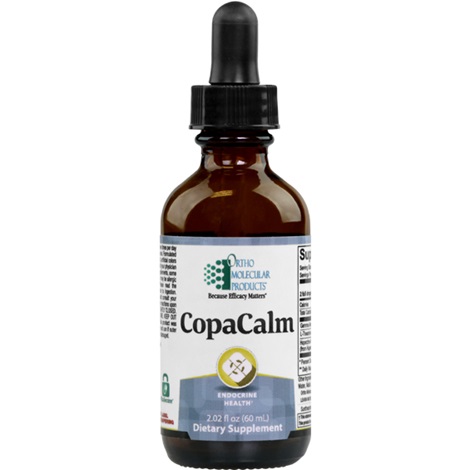
CopaCalm
Ortho Molecular Products
60 milliliters
$47.90$43.15 with Subscribe & Save
Membrin®
Ortho Molecular Products
30 capsules
$56.00$50.45 with Subscribe & Save