 Instalab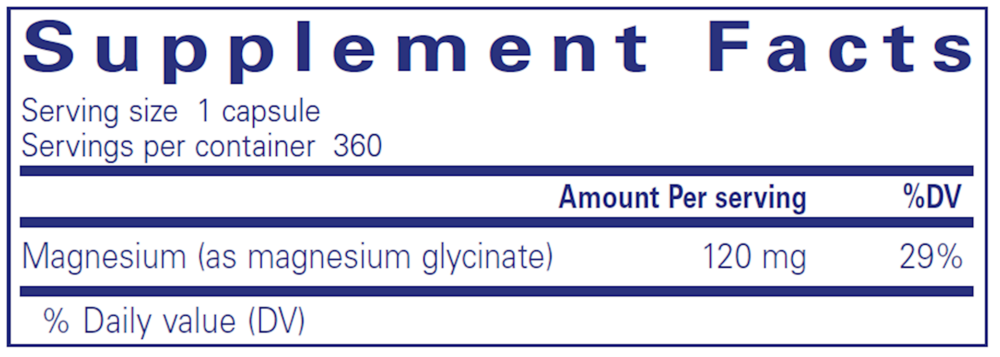


Pure Encapsulations
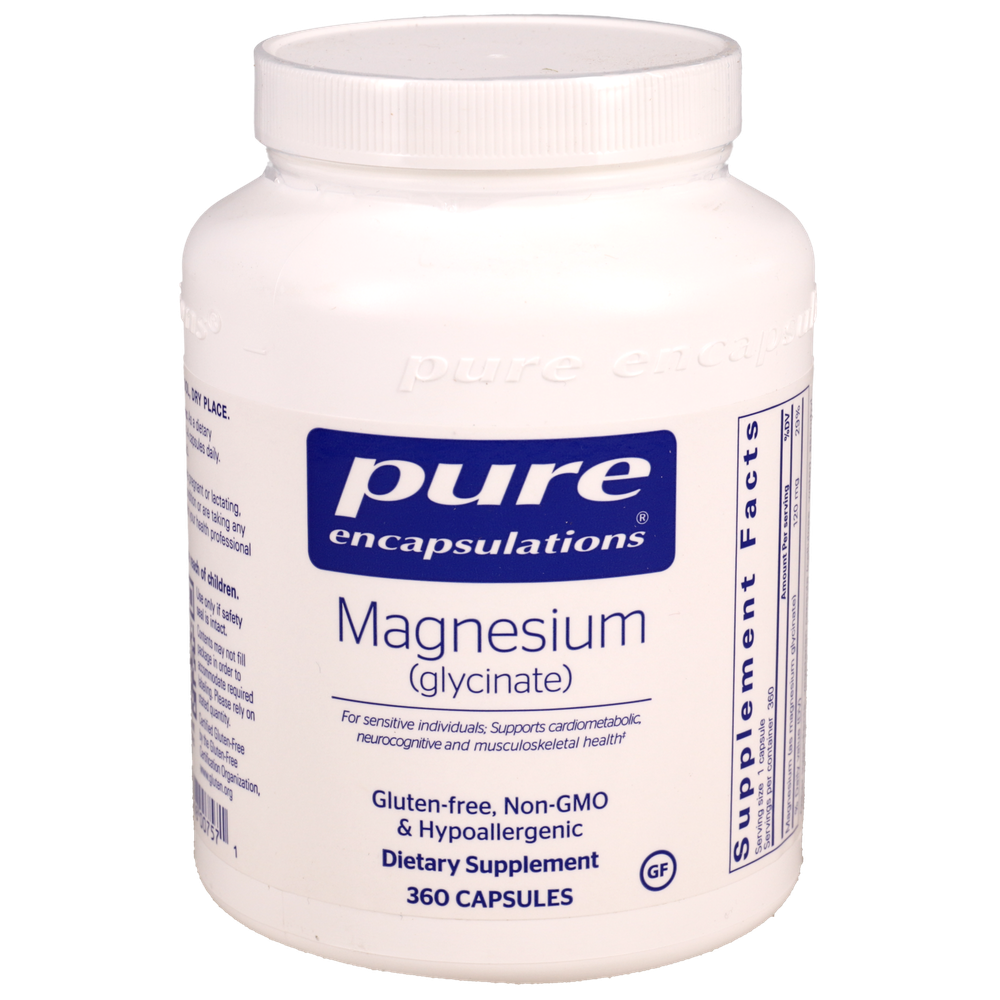
Magnesium Glycinate 120 mg by Pure Encapsulations
360 capsules · 360-day supply
Gentle Magnesium Support for Relaxation and Muscle Function$87.00
Purchase options
Practitioner-grade brand3rd-party testedFree shipping $50+
Vegan·Vegetarian·Gluten Free
Pure Encapsulations Magnesium Glycinate overview
If you’re low on magnesium by diet or labs, magnesium glycinate is a gentle way to replete without the laxative effect common with oxide or citrate. It fits athletes with muscle cramps, high-stress professionals with tense muscles and poor sleep, and people on proton pump inhibitors or diuretics, which can deplete magnesium. If your Serum Magnesium is normal but symptoms persist, checking Magnesium, RBC (magnesium inside red blood cells) can clarify tissue status.
Glycinate is magnesium bound to glycine, an amino acid that’s calming for the nervous system. This chelate is well absorbed and easy on the gut, so you get more elemental magnesium into cells, where it stabilizes nerve signaling and muscle relaxation. In practice, people notice fewer nighttime leg cramps and smoother sleep onset. Compared with citrate or oxide, you’ll see less stool loosening at similar elemental doses, which makes staying consistent much easier.
Each capsule provides 120 mg elemental magnesium; the suggested 1–4 capsules daily gives 120–480 mg. Take with food, and split doses morning and evening if you’re aiming above 240 mg. For sleep or muscle tension, place the larger portion in the evening. This is a practical maintenance-to-repletion range; if you have established deficiency, you may need the higher end for 4–8 weeks, then step down once symptoms and labs improve.
Separate magnesium by at least 2 hours from antibiotics like tetracyclines or fluoroquinolones, and by 4 hours from levothyroxine or oral bisphosphonates, since it binds these drugs and blocks absorption. It can add to the blood-pressure–lowering effect of antihypertensives, so monitor if you’re sensitive to drops. Alcohol increases urinary magnesium loss, which can raise your needs, but taking them together isn’t harmful.
Significant kidney disease reduces magnesium clearance—avoid unless your clinician is monitoring levels. If you develop persistent diarrhea, cut the dose or switch timing; loose stools mean you’re exceeding what your gut can absorb. Pregnancy and breastfeeding are generally compatible with dietary magnesium, but supplement dosing should be reviewed with your obstetric clinician.
Frequently asked questions
What’s the best time to take magnesium glycinate for sleep?
Take it in the evening, 1–2 hours before bed. If you use more than one capsule daily, put the larger share at night and the smaller with breakfast to steady levels without daytime drowsiness.
How long does magnesium glycinate take to work?
For muscle tension and sleep onset, many notice a change within 3–7 days. If you’re repleting low Magnesium, RBC, expect steadier gains over 4–8 weeks, then recheck to decide on a maintenance dose.
What’s the difference between magnesium glycinate and citrate?
Glycinate is gentler on the gut and better for sleep and muscle relaxation. Citrate pulls water into the intestines, which helps constipation but often causes loose stools at higher doses.
Can I take magnesium glycinate with antidepressants or sleep meds?
Usually yes, but it can add mild sedation. If you use benzodiazepines, trazodone, or doxylamine, start low and assess next-day grogginess. Separate by 2 hours from drugs with known binding issues.
Does magnesium glycinate cause diarrhea?
It’s less likely than oxide or citrate, but high doses can still loosen stools. If that happens, split the dose, take with meals, or reduce by one capsule until bowel habits normalize.
Is a serum magnesium test reliable?
Serum Magnesium can look normal even when tissue stores are low. Magnesium, RBC provides a better read on intracellular status, especially if you have cramps, fatigue, or arrhythmia symptoms.
How much magnesium glycinate should I take daily?
Most adults do well between 120–360 mg elemental per day from supplements, adjusting for diet. This product provides 120 mg per capsule; 1–3 capsules cover typical needs, 4 for short-term repletion.
How to take it & ingredients
Suggested use: As a dietary supplement, take 1–4 capsules daily with food.
Active ingredients
1 capsule per serving · 360 servings
Magnesium
Magnesium glycinate
Magnesium glycinate
120 mg
Other ingredients: Vegetarian capsule (cellulose, water), Ascorbyl palmitate
Certifications
Benefits
Warnings
Customers also considered
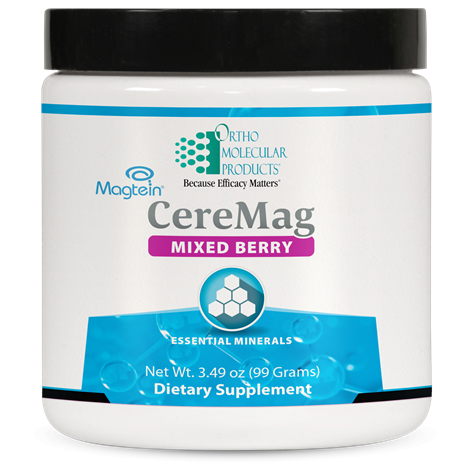
CereMag
Ortho Molecular Products
99 grams
$77.76$70.05 with Subscribe & Save

Dr. Formulated Magnesium Raspberry
Garden of Life
197.4 grams
$24.99$19.99 with Subscribe & Save
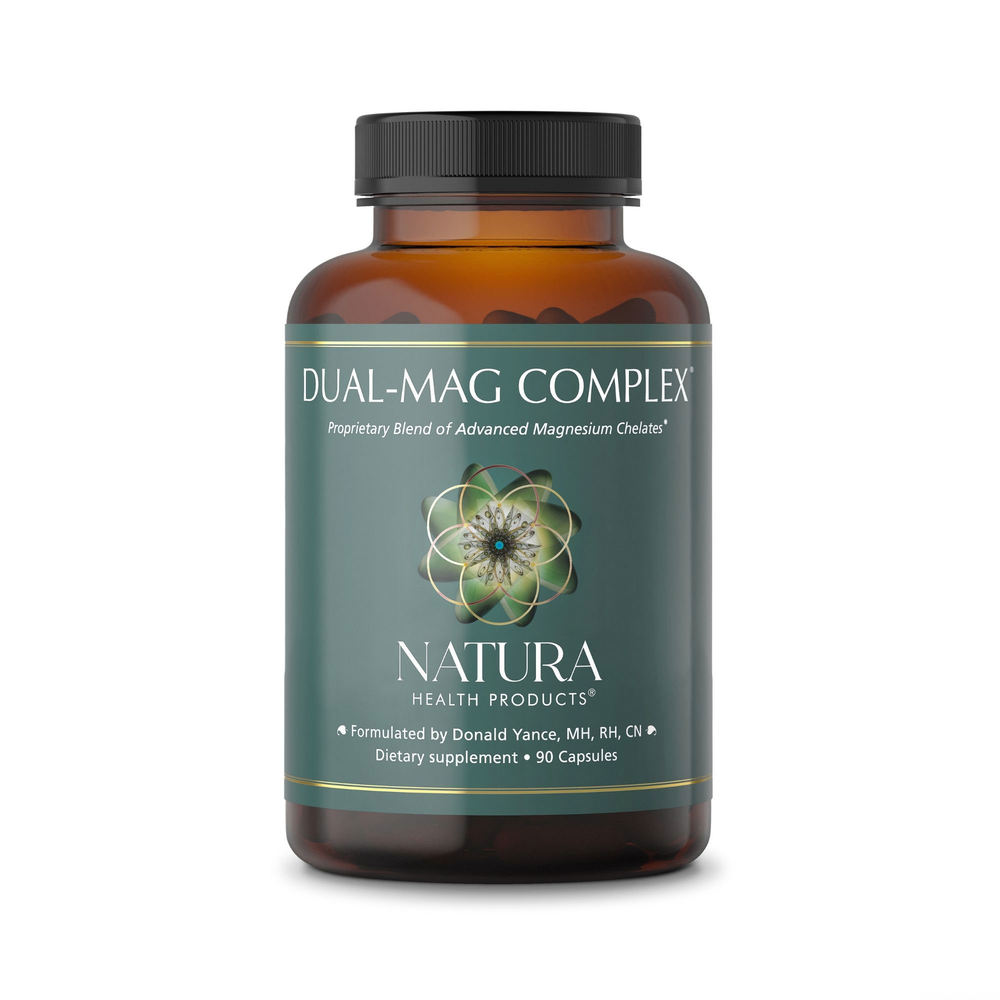
Dual-Mag Complex
Natura Health Products
90 capsules
$22.99$17.99 with Subscribe & Save

Mag Threonate
Ortho Molecular Products
60 capsules
$78.64$70.85 with Subscribe & Save