 Instalab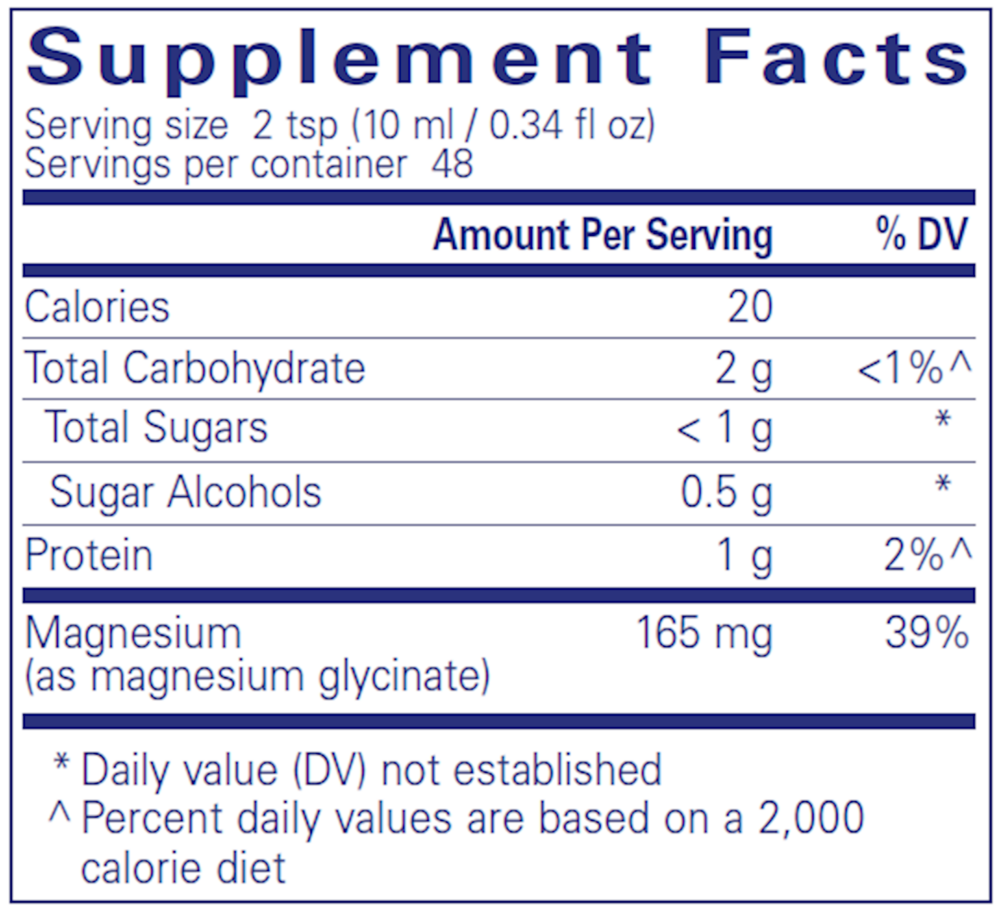

Pure Encapsulations
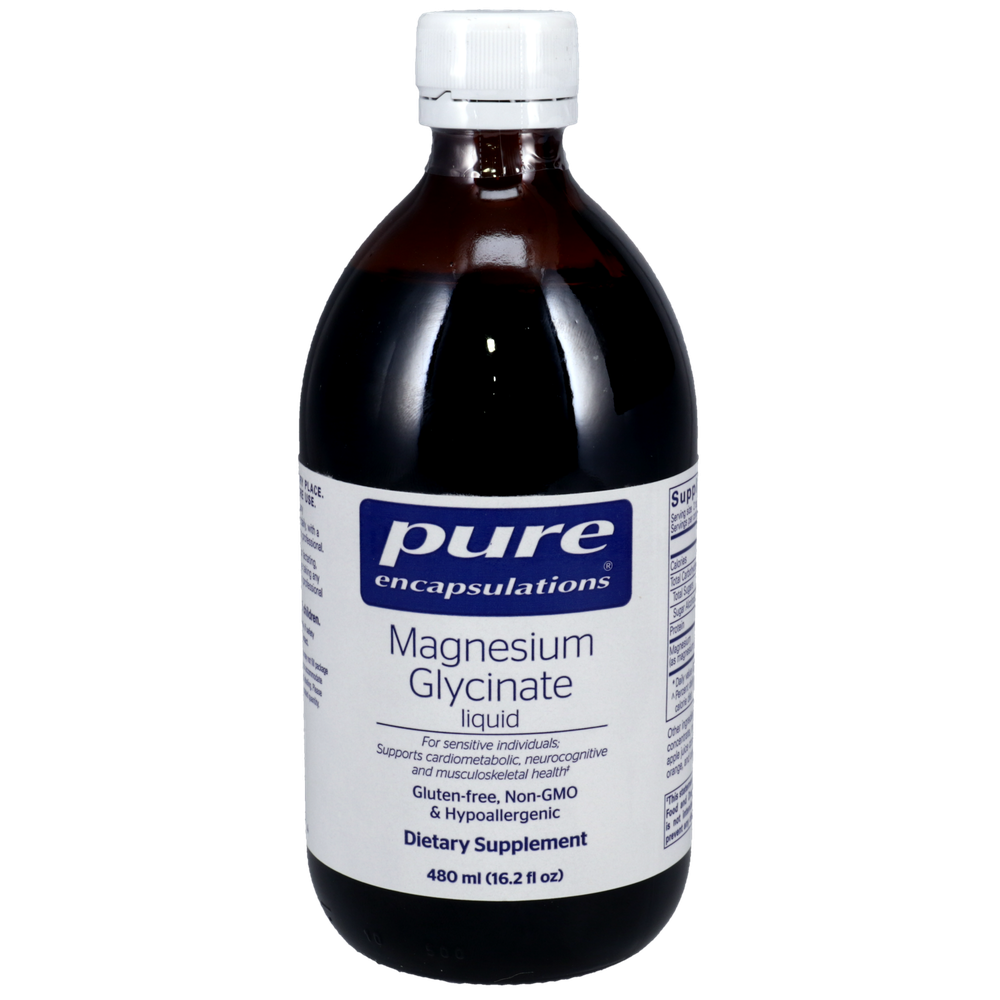
Magnesium Glycinate Liquid 165 mg by Pure Encapsulations
480 milliliters · 48-day supply
Gentle Magnesium Support for Relaxation and Muscle Function$48.50
Purchase options
Practitioner-grade brand3rd-party testedFree shipping $50+
Vegetarian·Gluten Free
Pure Encapsulations Magnesium Glycinate Liquid overview
If you get muscle tightness at night, sleep is inconsistent, or other magnesium forms upset your stomach, magnesium glycinate fits. It’s well suited for people whose Magnesium, Serum or Magnesium, RBC (magnesium inside red blood cells) runs low or low‑normal, for athletes with heavy sweat loss, and for those on proton pump inhibitors or diuretics that can lower magnesium. The 165 mg per serving is a maintenance-level dose for steady repletion without laxative effects.
Glycinate is magnesium bound to glycine, an amino acid that helps absorption and makes it gentler on the gut than citrate or oxide. Magnesium regulates calcium flow in muscle cells, which is why adequate levels ease nocturnal cramping and jaw or calf tightness. It’s a cofactor for ATP production (your cells’ energy currency) and helps calm brain signaling by modulating NMDA receptors (the switches that control excitability). Glycine itself has a mild calming effect for some people.
Take 2 teaspoons daily with a meal as directed. If sleep is your goal, evening is reasonable; if muscle tension dominates your day, split half with breakfast and half with dinner. Liquid is easy to titrate: increase slowly if your Magnesium, RBC is low, or hold steady for maintenance. If you truly need higher daily amounts, a capsule or powder with more elemental magnesium per serving is more practical.
Separate magnesium from levothyroxine, doxycycline or other tetracyclines, fluoroquinolone antibiotics, and bisphosphonates by at least 2–4 hours to avoid reducing drug absorption. People with significant kidney disease should only supplement under clinician supervision. Glycinate rarely causes loose stools, but back down if it does. If you’re on diuretics or long-term acid-reducing medicines, consider checking Magnesium, Serum or Magnesium, RBC and adjust with your clinician.
Frequently asked questions
What is magnesium glycinate good for?
It’s a gentle, well-absorbed form used for muscle relaxation, sleep quality, and steady repletion if labs run low. Compared with citrate or oxide, it’s less likely to cause diarrhea, so you can sustain daily use long enough to correct a shortfall.
When should I take magnesium glycinate for sleep?
Evening works well for sleep-related goals, typically 30–60 minutes before bed with a snack. If daytime muscle tension is an issue, split the dose between morning and evening. Consistency for 1–2 weeks is more important than exact timing.
How long does magnesium glycinate take to work?
If you were low, muscle ease can show up within days; sleep and stress resilience often improve within 1–2 weeks. Red blood cell magnesium changes more slowly, so retest Magnesium, RBC after 8–12 weeks if you’re tracking levels.
Does magnesium glycinate cause diarrhea?
It’s one of the least laxative forms. Diarrhea is uncommon at typical doses, but any magnesium can loosen stools if you overshoot your tolerance. If that happens, reduce the dose or split it across the day.
Can I take magnesium glycinate with other medications?
Yes, but separate it from levothyroxine, tetracycline or fluoroquinolone antibiotics, and bisphosphonates by 2–4 hours. If you take diuretics or have kidney disease, check with your clinician about dosing and monitoring.
Is liquid magnesium glycinate better absorbed than tablets?
Absorption depends more on the glycinate form than on liquid versus solid. Liquid shines for easy dosing and for people who dislike pills. Well-made capsules of magnesium glycinate perform similarly once dissolved.
How much magnesium glycinate should I take per day?
This serving provides 165 mg elemental magnesium, a reasonable maintenance amount for many adults. If your Magnesium, RBC is low or your diet is very short on magnesium-rich foods, you may need more under clinician guidance.
How to take it & ingredients
Suggested use: Take 2 teaspoons daily with a meal or as directed by a health professional.
Active ingredients
2 teaspoons = 10 milliliters per serving · 48 servings
Magnesium
Magnesium Glycinate
Magnesium Glycinate
165 mg
Other ingredients: Purified water, Grape juice concentrate, Malic acid, Xylitol, Natural glycerin, Apple juice concentrate, Natural pomegranate flavor, Natural orange flavor, Other natural flavors, Potassium sorbate
Certifications
Benefits
Warnings
Customers also considered
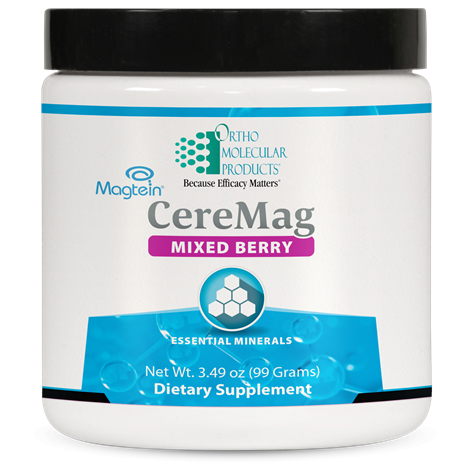
CereMag
Ortho Molecular Products
99 grams
$77.76$70.05 with Subscribe & Save

Dr. Formulated Magnesium Raspberry
Garden of Life
197.4 grams
$24.99$19.99 with Subscribe & Save
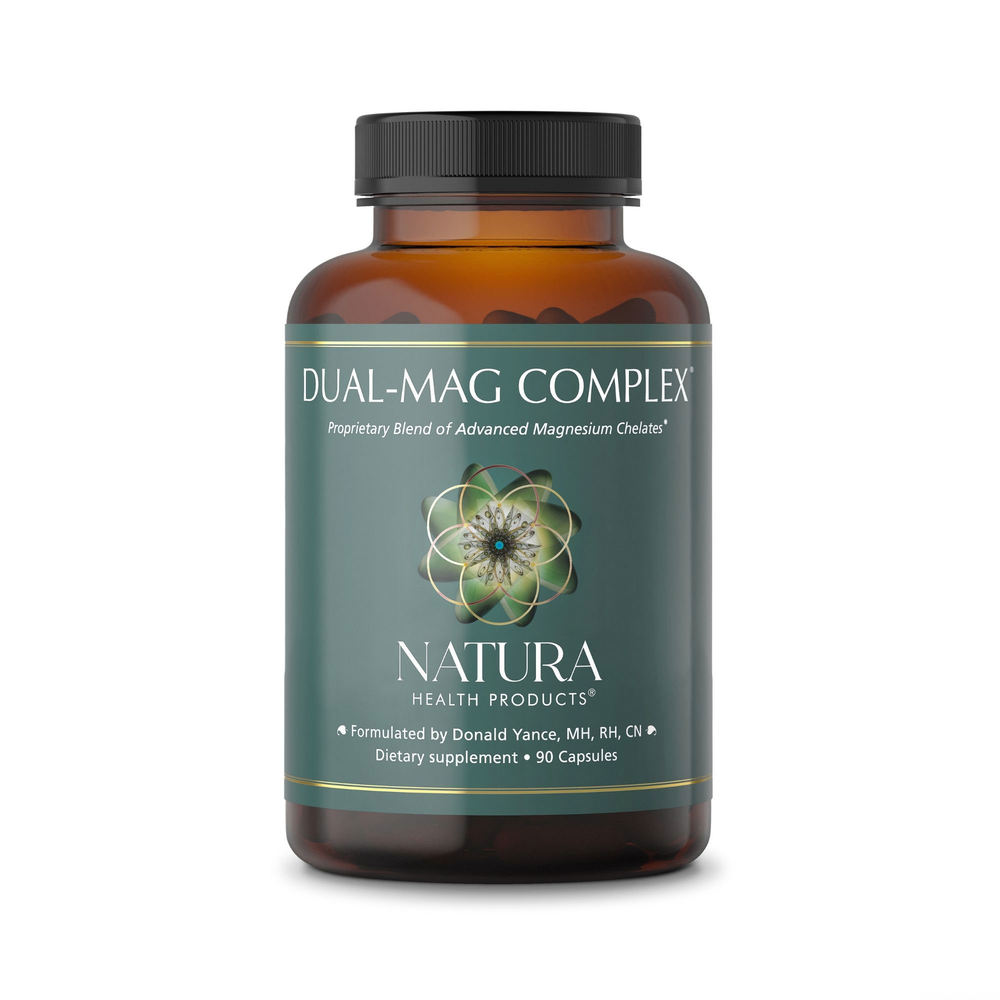
Dual-Mag Complex
Natura Health Products
90 capsules
$22.99$17.99 with Subscribe & Save
Mag Threonate
Ortho Molecular Products
60 capsules
$78.64$70.85 with Subscribe & Save