 Instalab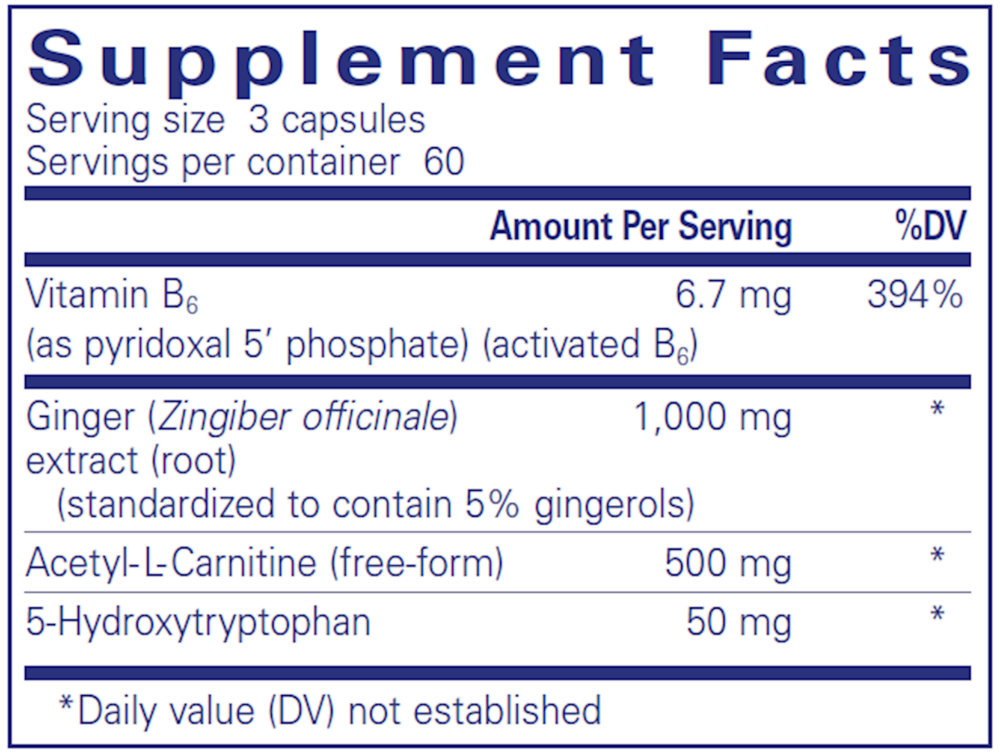

Pure Encapsulations
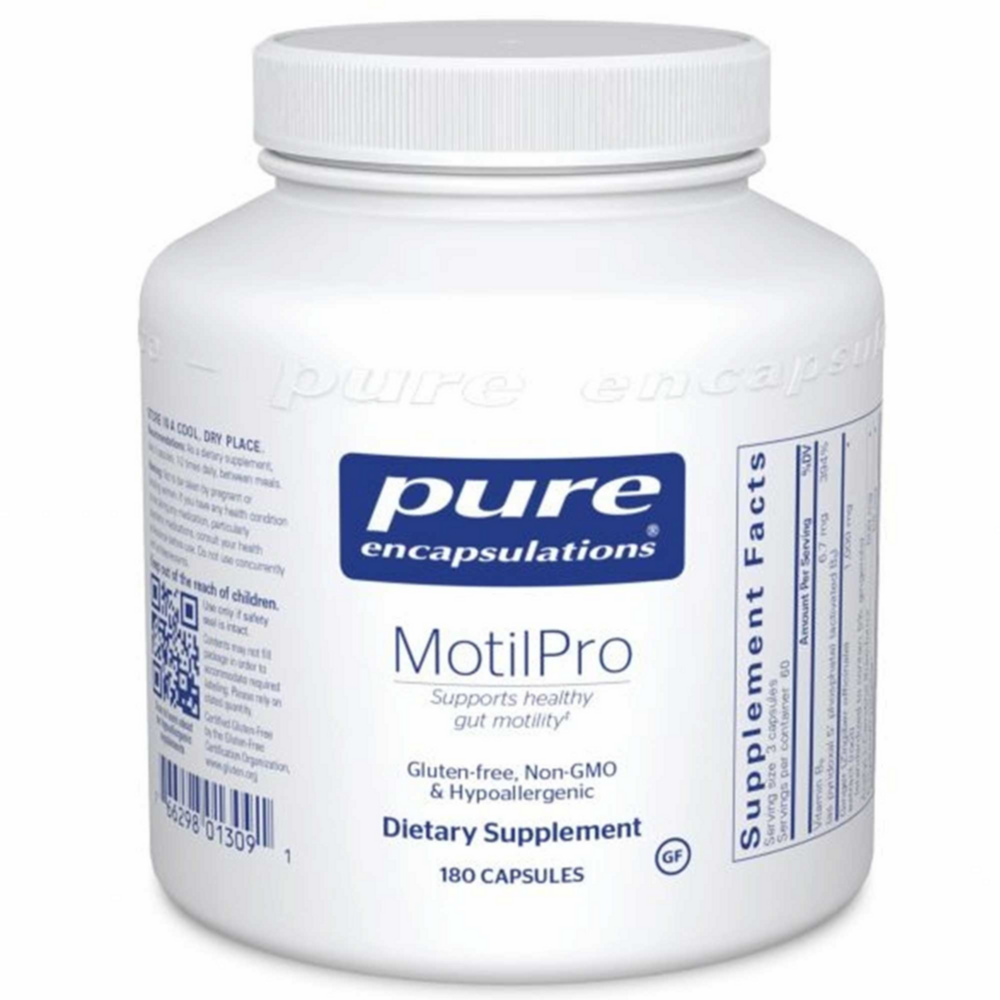
MotilPro by Pure Encapsulations
180 capsules · 60-day supply
Support for Mood, Focus, and Overall Cognitive Function$66.00
Purchase options
Practitioner-grade brand3rd-party testedFree shipping $50+
Vegan·Vegetarian·Gluten Free·Dairy Free·Egg Free·Fish Free·
Pure Encapsulations MotilPro overview
If you feel uncomfortably full for hours after eating, get bloated between meals, or were advised to keep your migrating motor complex (the between‑meal wave that sweeps the gut) active after antimicrobial therapy, a prokinetic supplement fits that scenario. This formula pairs ginger, 5‑HTP, acetyl L‑carnitine, and active B6 to nudge gut movement rather than act like a laxative. It’s for sluggish transit and post‑meal heaviness, not for acute diarrhea or severe constipation that needs medical evaluation.
Ginger at 1,000 mg helps stomach emptying and coordinates contractions in the upper gut. 5‑HTP provides the building block for serotonin in enteric nerves, and serotonin is the signal that starts peristalsis (the wave that moves food along). Vitamin B6 as pyridoxal‑5‑phosphate is the cofactor that converts 5‑HTP efficiently. Acetyl L‑carnitine supports nerve energy production, which can improve signaling in the gut’s nervous system. Together, these target motility without stimulant laxatives, which is why many notice less fullness and gas.
Take 3 capsules between meals, 1–2 times daily, so the migrating motor complex can fire without food getting in the way. Many use it after the last meal and again overnight or first thing in the morning; adjust to when your symptoms are worst. Expect changes in fullness or bloating within days to 2 weeks. If you’re highly sensitive to 5‑HTP, start with 1–2 capsules and work up. Avoid taking it right with protein, which can compete for absorption.
Skip this if you take SSRIs, SNRIs, MAOIs, tramadol, triptans, linezolid, or St. John’s wort, because 5‑HTP plus these can raise serotonin too high (restlessness, sweating, confusion). Avoid in pregnancy and breastfeeding. Use caution with anticoagulants or high‑dose fish oil since ginger can increase bleeding tendency. Bipolar disorder, active ulcers, severe reflux, or gallstones warrant clinician guidance. If you have alarming symptoms like unintended weight loss, black stools, or persistent vomiting, see a clinician first.
Frequently asked questions
What is a prokinetic supplement and how is it different from a laxative?
A prokinetic nudges the gut’s natural wave between meals (the migrating motor complex) and stomach emptying. Laxatives draw water in or stimulate the colon. Prokinetics aim to reduce fullness and gas without causing urgent bowel movements.
How long does MotilPro take to work?
Most people who respond notice less post‑meal heaviness or between‑meal bloating within 3–14 days. Ginger’s effect on stomach emptying can be quick, while serotonin signaling changes from 5‑HTP may take longer. Give it two weeks before judging.
Can I take this with an SSRI or other antidepressant?
Do not combine with SSRIs, SNRIs, MAOIs, tramadol, triptans, linezolid, or St. John’s wort. 5‑HTP adds to serotonin and can cause serotonin toxicity when layered on serotonergic drugs. Talk to your prescriber for alternatives.
What time of day should I take a prokinetic supplement?
Between meals is key. Many take it after dinner and again at bedtime to cover the overnight fasting window when the migrating motor complex is active. Avoid taking it right with meals, which suppresses that housekeeping wave.
Are there side effects I should watch for?
Possible effects include nausea, heartburn, loose stools, vivid dreams, or feeling wired. These are usually dose‑related and tied to 5‑HTP or ginger. Reduce the dose or stop if you feel unwell. Seek care urgently for signs of serotonin excess.
Does ginger in this thin the blood?
Ginger can have a mild blood‑thinning effect. If you use warfarin, apixaban, rivaroxaban, clopidogrel, or high‑dose fish oil, check with your clinician and monitor for easy bruising or bleeding, especially around procedures.
Can I open the capsules or take it with protein?
You can open the capsules if needed. For best effect, take it away from protein‑heavy meals so 5‑HTP isn’t competing with amino acids for absorption. A small carb snack is fine if you’re sensitive to taking supplements on an empty stomach.
Is a prokinetic helpful after SIBO treatment?
Many clinicians use a prokinetic between meals after antimicrobial therapy to maintain migrating motor complex activity and reduce relapse risk. It’s a maintenance strategy, not a stand‑alone SIBO treatment. Work with your clinician on duration.
How to take it & ingredients
Suggested use: As a dietary supplement, take 3 capsules 1 to 2 times daily, between meals.
Active ingredients
3 capsules per serving · 60 servings
Vitamin B6
Pyridoxal 5' Phosphate
Pyridoxal 5' Phosphate
6.7 mg
Ginger
Ginger root extract (Zingiber officinale), standardized to 5% gingerols
Ginger root extract (Zingiber officinale), standardized to 5% gingerols
1000 mg
Acetyl L-Carnitine
Free-form
Free-form
500 mg
5-Hydroxytryptophan
5-HTP
5-HTP
50 mg
Other ingredients: Vegetarian capsule (cellulose, water), Ascorbyl palmitate
Certifications
Benefits
Warnings
Customers also considered
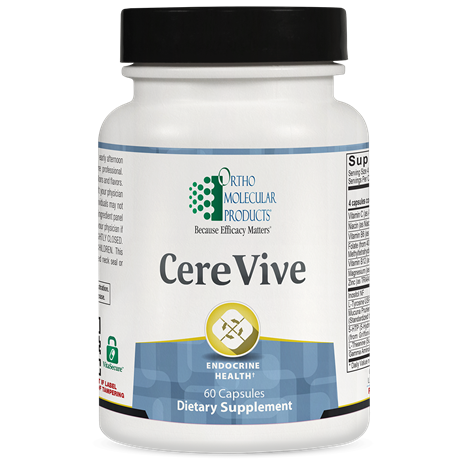
CereVive
Ortho Molecular Products
60 capsules
$58.44$52.65 with Subscribe & Save
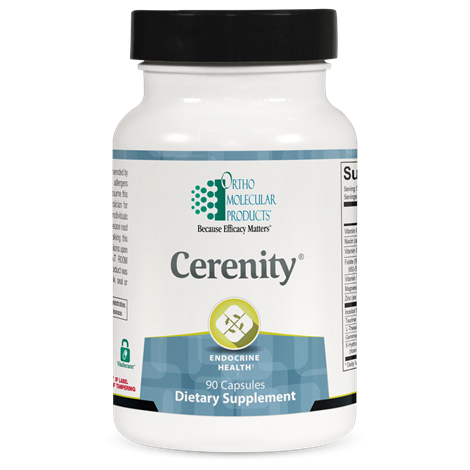
Cerenity
Ortho Molecular Products
90 capsules
$74.09$66.75 with Subscribe & Save
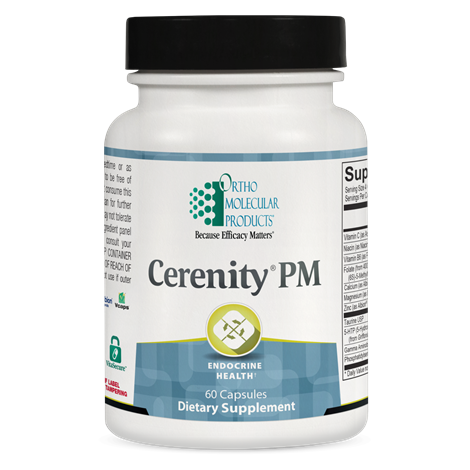
Cerenity PM
Ortho Molecular Products
60 capsules
$56.11$50.55 with Subscribe & Save

Emotion Balance Support
Thorne
120 capsules
$63.00$56.70 with Subscribe & Save