 Instalab
Neurotransmitters
Neurotransmitter support formulas combine amino acid precursors and B vitamins for mood and focus.
Our vetting standard
Every neurotransmitters formula here clears the same bar.
- Clinically studied, effective doses
- Bioavailable, well-absorbed forms
- Practitioner-grade, trusted brands
- Third-party tested for identity and potency
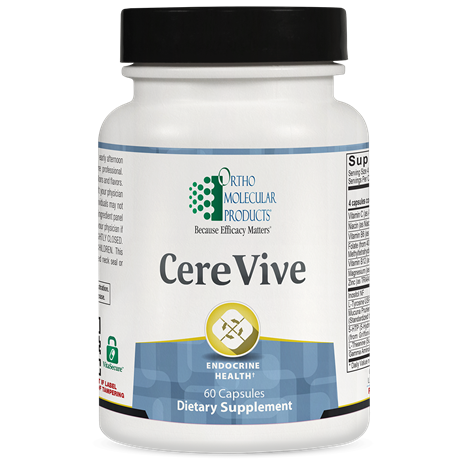
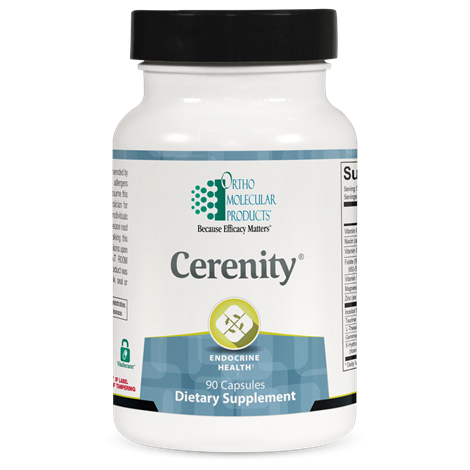
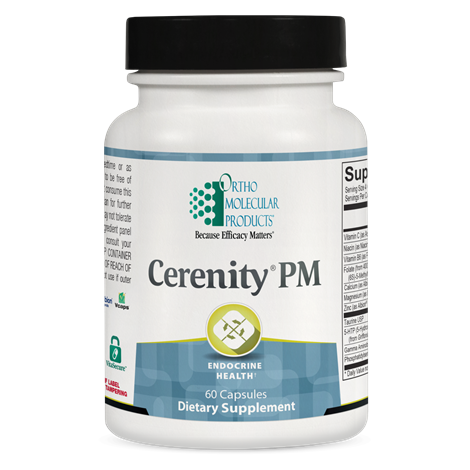
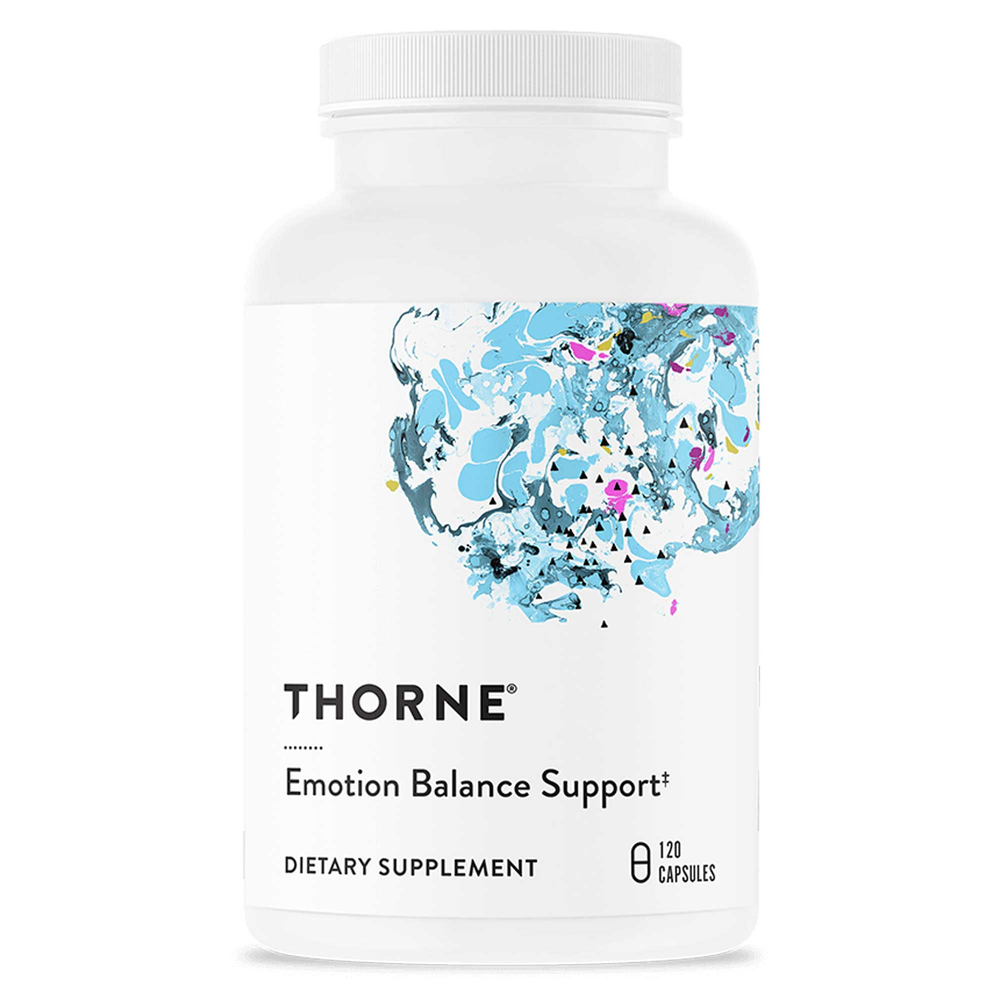
See if it's actually working
Peripheral neurotransmitter levels do not reflect brain levels, so treat these as precursor availability and judge the supplement on mood, focus and sleep.
Neurotransmitters FAQs
What's in a neurotransmitter support formula?
Amino acid precursors (tyrosine for dopamine, tryptophan or 5-HTP for serotonin, glycine and GABA for inhibition) plus B6, magnesium, and zinc — cofactors for neurotransmitter synthesis. Some formulas add herbs like rhodiola or saffron.
Can these replace mood medications?
Not for moderate to severe symptoms. They can support mood, focus, and stress in mild cases or as adjuncts, but they're not substitutes for psychiatric medication. Don't combine with SSRIs, MAOIs, or other psychoactive drugs without clinician input.
What labs help guide use?
Vitamin D, ferritin, B12, thyroid panel, and homocysteine. Many mood and focus issues stem from these correctable nutritional and metabolic factors. Supplement strategy is most effective when underlying labs are addressed first.
Tryptophan vs. 5-HTP — which is better?
5-HTP is one step closer to serotonin and crosses the blood-brain barrier reliably. Tryptophan is the upstream precursor and supports both serotonin and melatonin. 5-HTP works faster; tryptophan is gentler. Doses: 50–200 mg 5-HTP or 500–2,000 mg tryptophan in the evening.
Are amino acid precursors safe with antidepressants?
Often not. Tryptophan, 5-HTP, and tyrosine combined with SSRIs, SNRIs, or MAOIs can theoretically cause serotonin syndrome. Don't combine without psychiatry input. For people not on medications, these are reasonable options for mild mood support.
How long until they work?
Acute effects (calm, focus, mood lift) within 30–90 minutes for amino acids on an empty stomach. Sustained effects build over 4–8 weeks of daily use. Cofactor-only formulas (B6, magnesium, zinc) take 6–8 weeks to shift baseline neurotransmitter production.
What foods support neurotransmitter production?
Eggs, turkey, salmon, dairy, beans, and leafy greens for amino acids. Bananas, oats, and seeds for tryptophan-rich snacks. B-vitamin-rich foods (whole grains, legumes, leafy greens, animal proteins) provide essential cofactors. A balanced diet does most of the work.
Will these help with anxiety or panic?
GABA, glycine, and L-theanine support calming pathways. Magnesium and B6 reduce nervous system reactivity. Effects on chronic anxiety are real but modest — these are adjuncts, not stand-alone treatments for diagnosed anxiety disorders. Therapy and clinician care should remain primary.
Can I take neurotransmitter formulas long-term?
Cofactor-based formulas (B vitamins, magnesium, zinc) are safe long-term. Amino acid precursors (5-HTP, tryptophan, tyrosine) are typically cycled (8–12 weeks on, 2–4 off) to avoid receptor adaptation. Re-evaluate with labs and symptom tracking every quarter.