 Instalab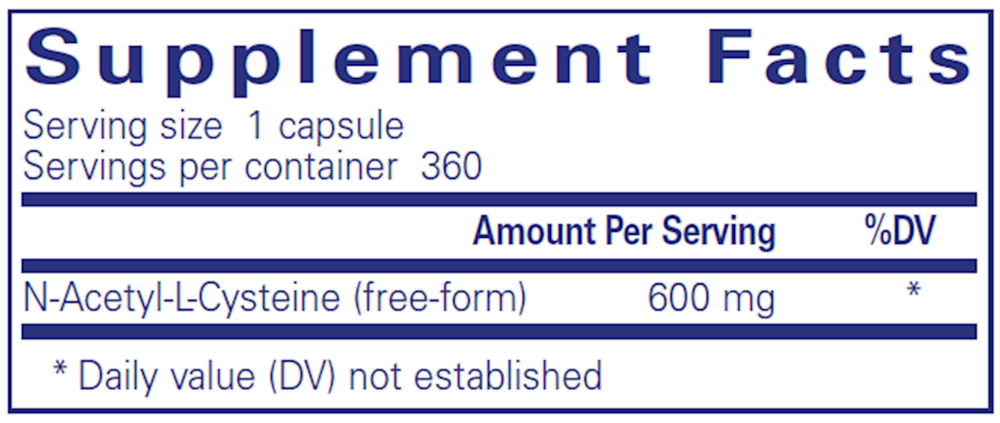
Pure Encapsulations
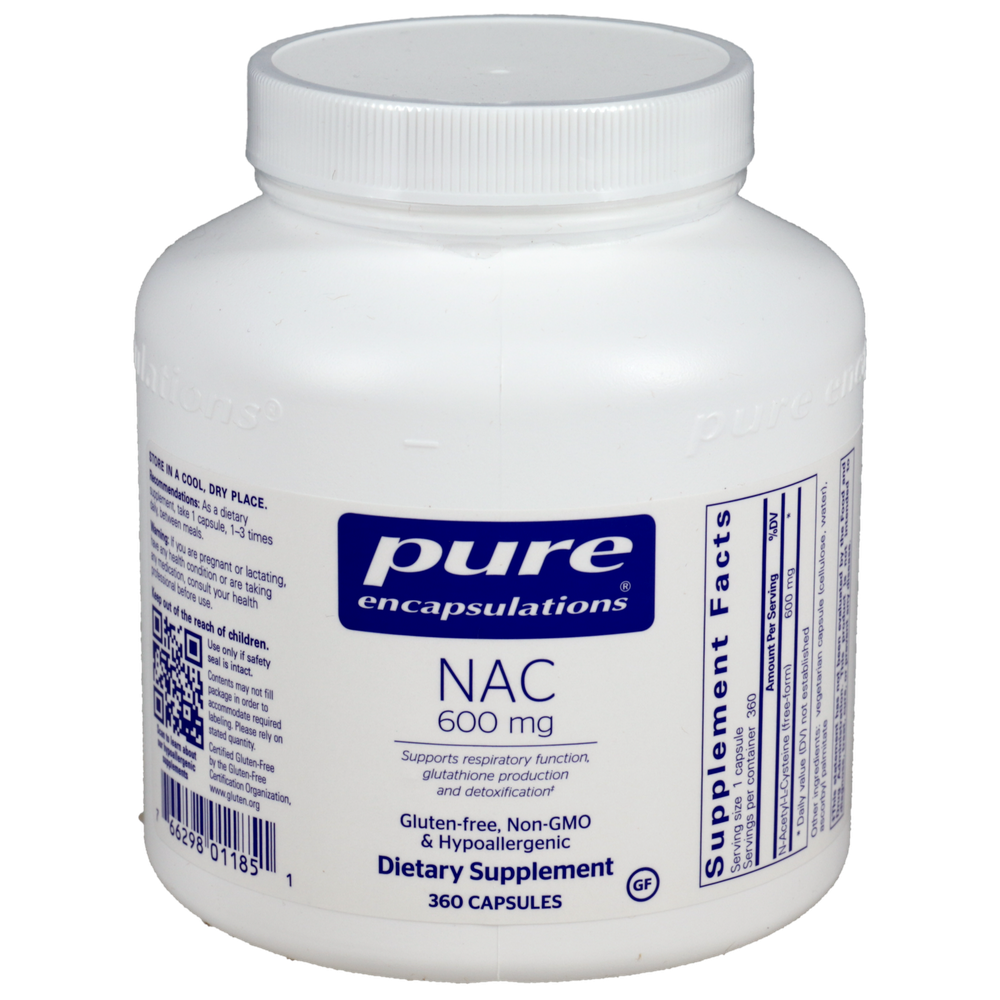
NAC 600mg by Pure Encapsulations
360 capsules · 360-day supply
Support for Antioxidant Defense and Cellular Health$115.50
Purchase options
Practitioner-grade brand3rd-party testedFree shipping $50+
Gluten Free
Pure Encapsulations NAC 600mg overview
Lingering winter chest congestion is when NAC 600 mg earns its keep. It helps thin thick mucus in chronic bronchitis or during respiratory flare-ups, which many feel within days. It also fits adults looking to replenish glutathione (the cell’s main antioxidant) when lifestyle or labs suggest higher oxidative stress—for example, if GGT (gamma‑glutamyl transferase) runs high, hs-CRP (an inflammation marker) is elevated, or ALT (a liver enzyme) creeps up. This is a practical maintenance dose; intensive repletion often uses 1,200–1,800 mg per day short term.
NAC (N‑acetylcysteine) supplies cysteine, the rate‑limiting amino acid your cells need to make glutathione, which quenches free radicals and helps the liver process toxins. By boosting cysteine availability, NAC restores glutathione in tissues under stress. In the airways, NAC breaks disulfide bonds in mucus proteins, making secretions less sticky and easier to clear. These actions explain why some people see small drops in hs-CRP and feel easier breathing during colds or pollution exposure.
Take one capsule between meals, one to three times daily, as directed. Splitting the dose (morning and late afternoon) keeps levels steadier. Many notice respiratory benefits within 3–10 days; glutathione-related markers often shift within 2–4 weeks. If it upsets your stomach, a small snack is reasonable. Pairing with vitamin C can help keep glutathione in its active form, but it isn’t required.
Skip NAC with nitroglycerin or isosorbide dinitrate, as it can amplify headaches and blood‑pressure drops. If you’re on chemotherapy or radiation, coordinate timing with your oncology team. Heartburn or peptic ulcers can flare with NAC; use caution. Pregnancy and breastfeeding require clinician guidance. NAC is not a treatment for acetaminophen overdose—emergency care is required for that scenario.
Frequently asked questions
How long does NAC take to work?
For mucus thinning, many feel a difference within 3–10 days. For glutathione repletion and lab changes like lower GGT or hs-CRP, expect 2–4 weeks of steady use.
Should I take NAC with food or on an empty stomach?
Between meals improves absorption. If you get nausea or reflux, take it with a small snack. Avoid taking it alongside high-protein meals that compete for uptake.
Does NAC thin your blood?
NAC isn’t a blood thinner in the way aspirin is. Lab studies show mild platelet effects, but meaningful bleeding risk is uncommon. Follow your surgeon’s advice before procedures.
Is NAC safe in pregnancy or while breastfeeding?
Outside of specific medical uses under supervision, routine NAC in pregnancy or breastfeeding isn’t well studied. Discuss with your obstetric clinician before using.
Can I take NAC with antidepressants?
Yes in most cases. NAC has even been studied as an add‑on for mood disorders. Still, if you’re on multiple psych meds, check with your prescriber before starting.
Is NAC good for the liver or acetaminophen use?
NAC helps the liver make glutathione, which processes toxins. For regular acetaminophen use, this can be supportive. It is not a substitute for emergency treatment in overdose.
What labs should I monitor while taking NAC?
Useful markers include GGT (oxidative stress proxy), hs-CRP (inflammation), and liver enzymes like ALT. Track symptoms and recheck labs after 4–8 weeks.
How to take it & ingredients
Suggested use: Take 1 capsule between meals, 1 to 3 times daily, or as directed by your healthcare professional.
Active ingredients
1 capsule per serving · 360 servings
N-acetyl L-cysteine
Free form NAC
Free form NAC
600 mg
Other ingredients: Ascorbyl palmitate, Vegetarian cellulose capsule (cellulose, water)
Certifications
Benefits
Warnings