 Instalab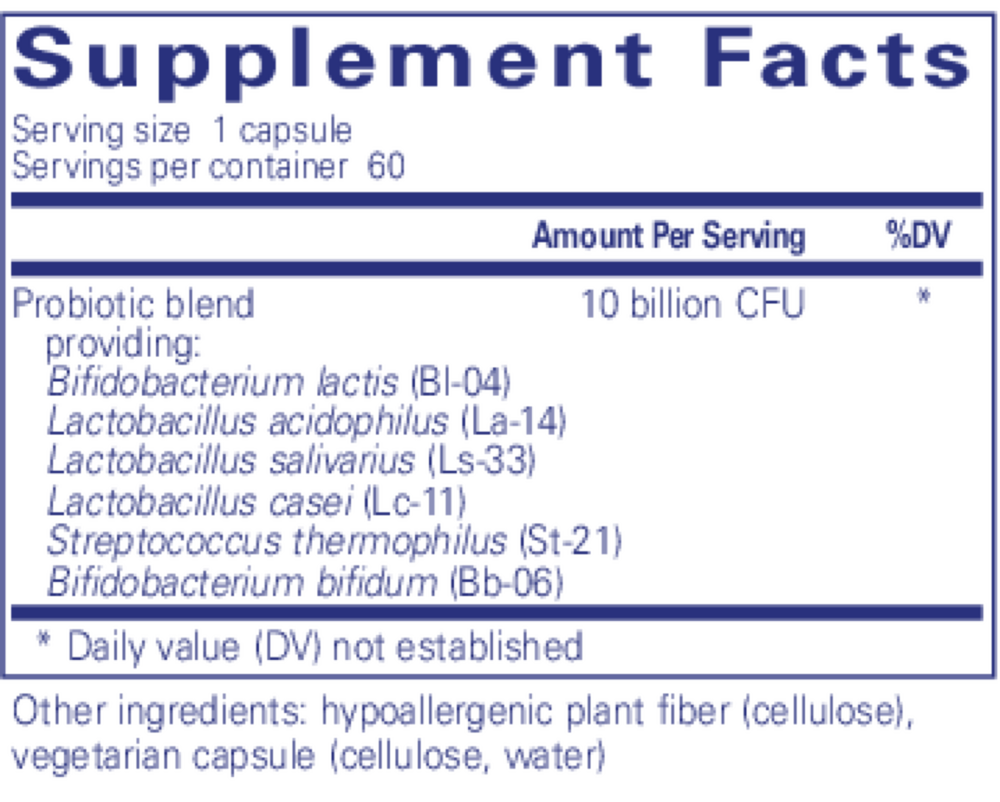
Pure Encapsulations
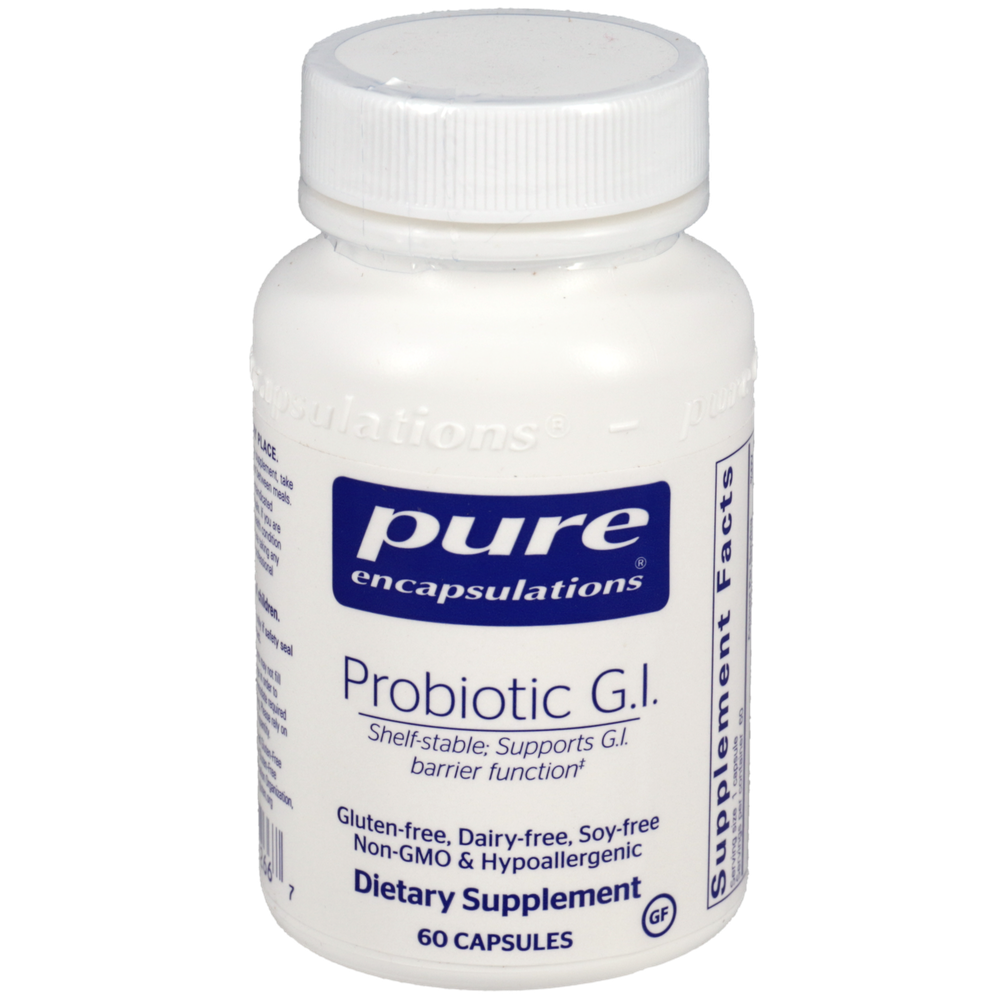
Probiotic G.I. 10 billion CFU by Pure Encapsulations
60 capsules · 60-day supply
Supports Digestive Health and Balance with 10 Billion CFU$46.00
Purchase options
Practitioner-grade brand3rd-party testedFree shipping $50+
Vegetarian·Gluten Free·Soy Free·Dairy Free·Milk Free·Fish Free·
Pure Encapsulations Probiotic G.I. overview
This fits adults with mild bloating, inconsistent bowel habits, or those rebuilding after a recent antibiotic course. A 10 billion CFU probiotic is a maintenance-level dose, good for steady gut upkeep if your symptoms are low-grade. It also makes sense for travelers, people with low fermented food intake, or those wanting gentle immune support tied to the gut. If you need aggressive rescue after antibiotics or have significant diarrhea, higher CFU or targeted strains are usually more effective.
Lactobacillus and Bifidobacterium strains acidify the colon, crowd out gas-producing microbes, and generate short-chain fatty acids (fuel for colon cells that also help regularity). Streptococcus thermophilus can aid lactose breakdown, which is helpful if dairy triggers symptoms. These bacteria also nudge secretory IgA (the antibody your gut releases into the lumen) and calm overactive signaling, which is why modest drops in hs-CRP (a blood marker of inflammation) show up in some users. Effects build with daily use, not single doses.
Take 1 capsule once or twice daily, with or between meals. Most people notice changes in 2 to 4 weeks; give it 8 weeks for a fair trial. If you are on antibiotics, separate the probiotic by at least 2 hours and continue for 1 to 2 weeks afterward. Pairing with prebiotic fiber like inulin or GOS (galacto-oligosaccharides, a fermentable fiber) often improves results. Store at room temperature away from heat to protect viability.
Avoid live probiotics if you are severely immunocompromised, have a central venous catheter, are in intensive care, or have active pancreatitis, due to rare bloodstream infection risk. If you have persistent upper gut symptoms suggestive of small intestinal bacterial overgrowth (bloating soon after meals, excessive belching), standard probiotics sometimes worsen gas; consider a spore-based option or workup first. If you react due to histamine sensitivity, stop and discuss alternatives.
Frequently asked questions
How long do probiotics take to work?
Most people notice changes in 2 to 4 weeks with daily use. Give it up to 8 weeks for bowel regularity and bloating to settle. If nothing changes by then, reassess the strain mix, dose, fiber intake, or your diagnosis.
Can I take a probiotic with antibiotics?
Yes, but separate by at least 2 hours so the antibiotic doesn’t wipe out the probiotic. Continue the probiotic for 1 to 2 weeks after finishing antibiotics to help restore balance.
Should I take a probiotic with food or on an empty stomach?
Either is fine for this formula. Taking it with a small meal can reduce burping and may shield bacteria from stomach acid. Consistency matters more than timing.
What side effects should I expect from probiotics?
Mild gas or a brief increase in bloating is common in the first few days and usually settles within a week. Persistent pain, rash, or worsening symptoms warrant stopping and checking in with a clinician.
Is 10 billion CFU enough?
For daily maintenance and mild symptoms, 10 billion CFU is often sufficient. After antibiotics, significant diarrhea, or harder-to-move bloating, higher CFU or targeted strains are typically more effective.
Does this help with lactose intolerance?
It can. Streptococcus thermophilus produces enzymes that aid lactose digestion, which may reduce symptoms with dairy. If lactose intolerance is pronounced, use lactose-free dairy and consider a lactase enzyme, too.
Can I open the probiotic capsule?
Yes. You can open it and mix the contents into a cool, non-acidic food like yogurt or applesauce. Avoid hot liquids, which can reduce live bacteria.
Is a probiotic safe in pregnancy or breastfeeding?
Generally yes for healthy adults, but discuss with your obstetric clinician. If you have a high-risk pregnancy, immune issues, or a history of preterm labor, get personalized guidance first.
How to take it & ingredients
Suggested use: Take 1 capsule, 1–2 times daily, with or between meals.
Active ingredients
1 capsule per serving · 60 servings
▼
Probiotic Blend
10 billion CFU
Bifidobacterium lactis (Bl-04)
-
Lactobacillus acidophilus (La-14)
-
Lactobacillus salivarius (Ls-33)
-
Lactobacillus casei (Lc-11)
-
Streptococcus thermophilus (St-21)
-
Bifidobacterium bifidum (Bb-06)
-
Other ingredients: Hypoallergenic plant fiber (cellulose), Vegetarian capsule (cellulose, water)
Certifications
Benefits
Warnings
Customers also considered
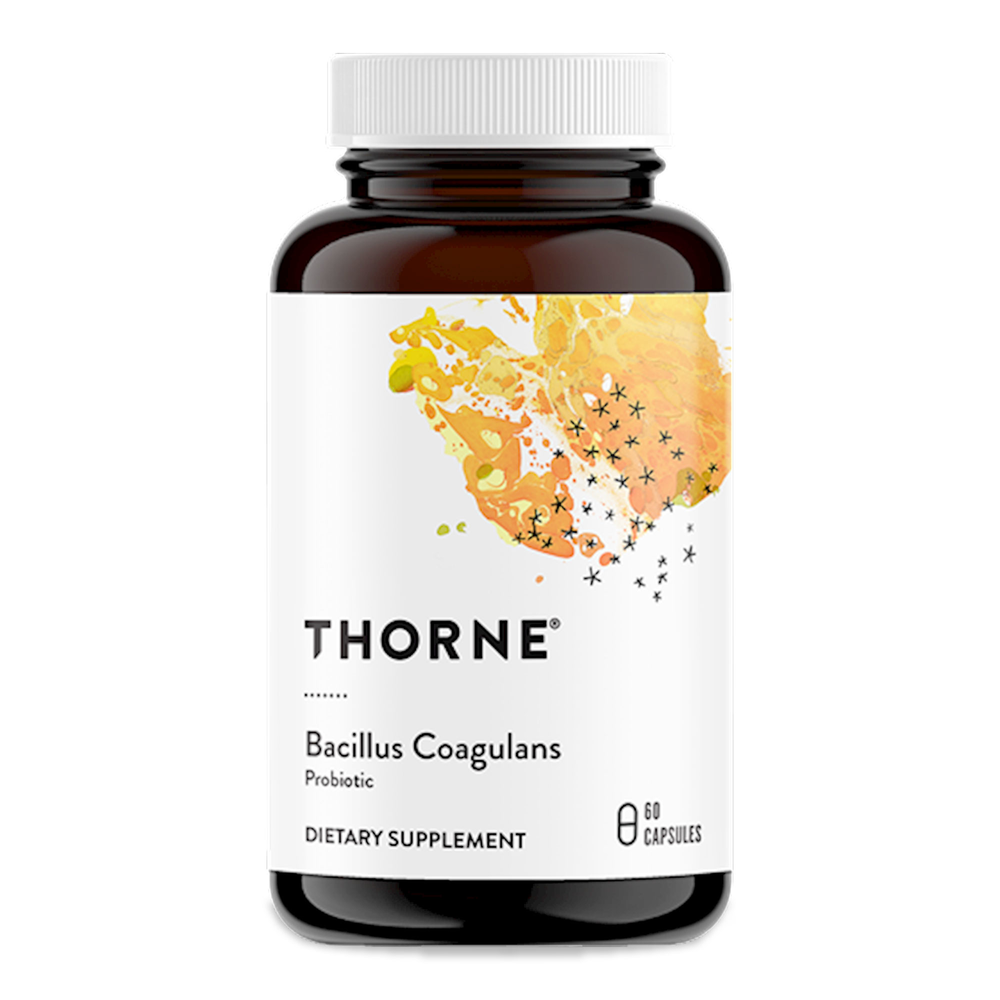
Bacillus Coagulans
Thorne
60 capsules
$33.00Save 10% with Subscribe & Save

Complete Biotic
Thorne
30 packets
$46.00Save 10% with Subscribe & Save
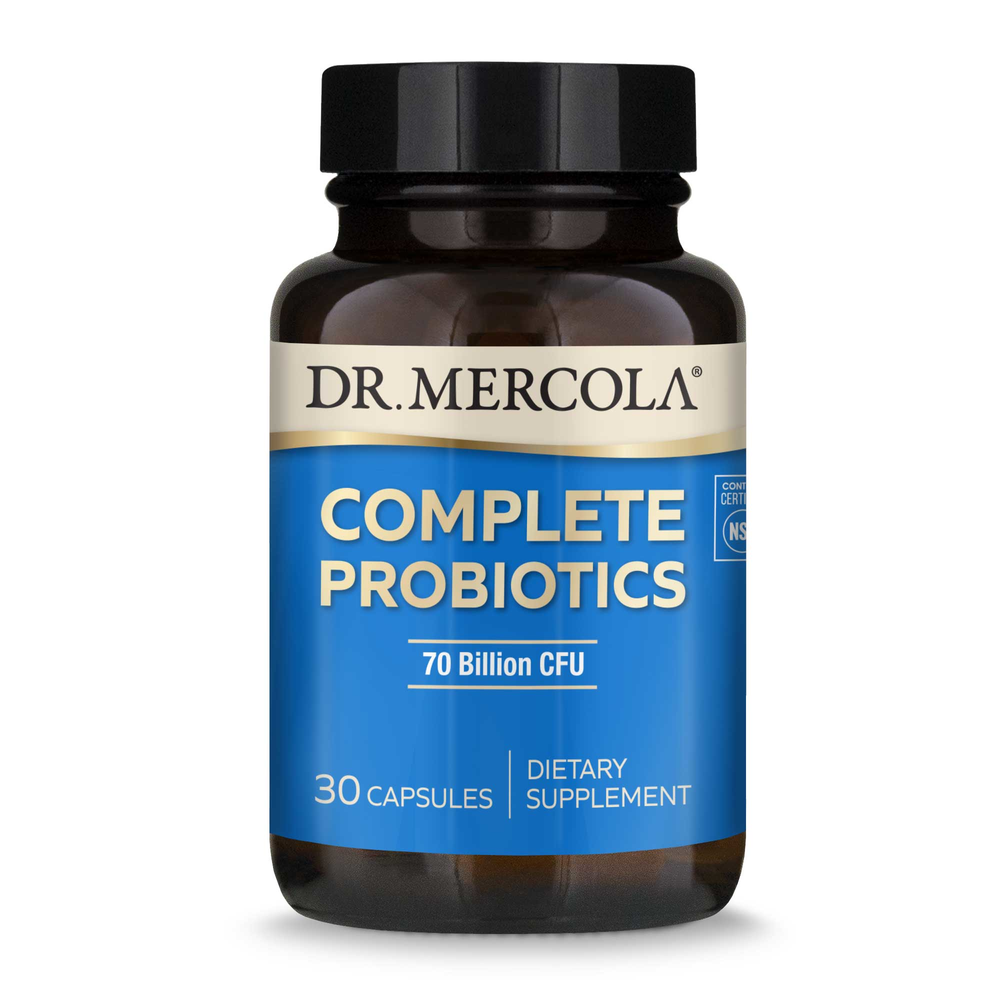
Complete Probiotics 70 Billion CFU
Dr. Mercola
30 capsules
$46.99Save 19% with Subscribe & Save
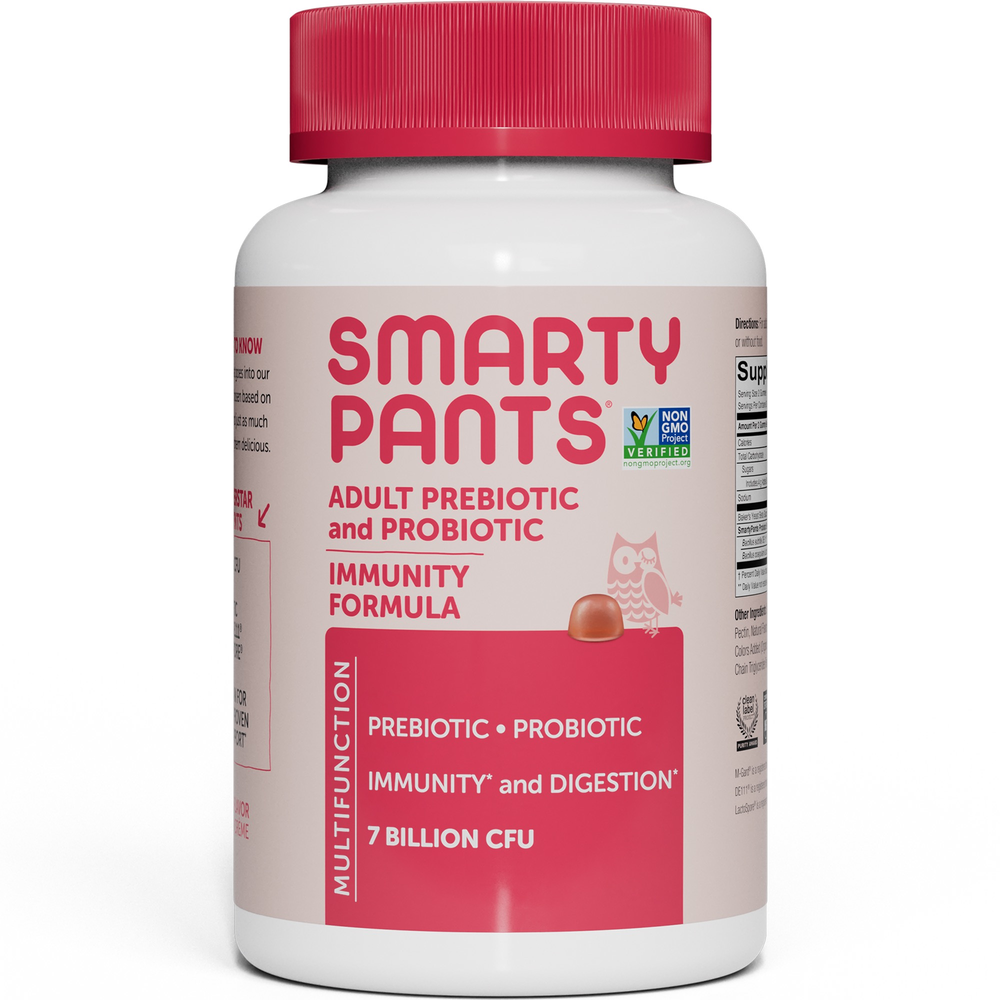
Digestive Probiotic & Prebiotic Grape
SmartyPants
60 gummies
$36.99Save 19% with Subscribe & Save