
 Instalab


Pure Encapsulations
PureGG 25B by Pure Encapsulations
60 capsules · 60-day supply
Shelf-Stable Lactobacillus Rhamnosus GG for Gut and Immune Support$44.99
Purchase options
Practitioner-grade brand3rd-party testedFree shipping $50+
Gluten Free·Soy Free·Dairy Free
Pure Encapsulations PureGG 25B overview
PureGG 25B is a single-strain probiotic for adults who want one well-characterized organism instead of a multi-strain blend. People usually reach for it to support the gut during and after a course of antibiotics, around travel, or when digestion is unsettled and they want to try a probiotic with a long research record. No lab test tells you whether you need a probiotic; the practical test is whether your digestion is steadier after a few weeks.
Lactobacillus rhamnosus GG, often shortened to LGG, is among the most studied probiotic strains. It survives stomach acid and bile and attaches to the lining of the intestine, which is what a probiotic has to do to be useful. There it supports the gut barrier and interacts with the immune cells that sit along the intestine. It does not settle in for good: once you stop taking it, it fades from the gut within a couple of weeks.
Each capsule provides 25 billion CFU of Lactobacillus rhamnosus GG. One capsule a day is a typical way to take a probiotic of this strength; follow the bottle or your clinician if they direct otherwise. The front label describes the product as shelf-stable, so it does not need a refrigerator, which makes it easy to travel with. If you are on an antibiotic, take the probiotic at least 2 hours apart from each antibiotic dose.
Probiotics are safe for most healthy adults, with one exception that matters. Live bacteria are not appropriate without medical supervision for people who are immunocompromised, critically ill or have a central venous catheter, because rare bloodstream infections with probiotic strains have been reported in these groups. If you are pregnant or nursing, have a health condition or take prescription medicines, including immunosuppressants, check with your clinician first.
Gas or bloating in the first few days is common and usually settles within a week. Give it 2–4 weeks before deciding whether it helps. The research on this strain is deepest for digestive comfort during antibiotic use; for general bloating, everyday immune support and other uses the evidence is mixed. Compared with multi-strain blends, a single named strain makes it easier to know what is and is not working for you.
Frequently asked questions
What is Lactobacillus rhamnosus GG?
It is a specific probiotic strain, often called LGG, and one of the most researched probiotics. Newer references use the name Lacticaseibacillus rhamnosus GG; it is the same organism. Each capsule of this product provides 25 billion CFU.
How many CFU are in PureGG 25B?
Each capsule provides 25 billion CFU of Lactobacillus rhamnosus GG, and the bottle holds 60 capsules. It is a single-strain product, so the whole count is one organism instead of a blend of several.
Does PureGG 25B need to be refrigerated?
The front of the bottle describes it as shelf-stable, so refrigeration is not required. Keep the bottle tightly closed and away from heat and moisture, since humidity is what shortens the life of a probiotic.
Can I take a probiotic with antibiotics?
Yes, but space them out. Take the probiotic at least 2 hours before or after each antibiotic dose so the antibiotic does not inactivate it. Many people continue the probiotic for a week or two after the antibiotic course ends.
When is the best time to take a probiotic?
Consistency matters more than the clock. Pick a time you will remember and take it daily. If you are on an antibiotic, the timing that matters is keeping the two at least 2 hours apart. Follow the directions on the bottle regarding meals.
How long does it take for LGG to work?
Some people notice steadier digestion within days; a fair trial is 2–4 weeks of daily use. Mild gas or bloating in the first week is common and usually passes. If nothing has changed after a month, it is reasonable to stop.
Who should not take probiotics?
People who are immunocompromised, critically ill or have a central venous catheter should not take live probiotics without their doctor's approval, because rare bloodstream infections have been reported. Check first if you are pregnant or have a serious health condition.
Is PureGG 25B dairy-free and gluten-free?
Yes. The front label states gluten-free, dairy-free, soy-free, non-GMO and hypoallergenic, and the bottle carries a certified gluten-free mark. The only other ingredient listed is the vegetarian capsule, made of cellulose and water.
How to take it & ingredients
Suggested use: Take 1 capsule daily, or as directed by your health professional.
Active ingredients
1 capsule per serving · 60 servings
Lactobacillus rhamnosus
GG
GG
25 Billion CFU
Other ingredients: Vegetarian capsule (cellulose, water)
Certifications
Benefits
Warnings
Customers also considered
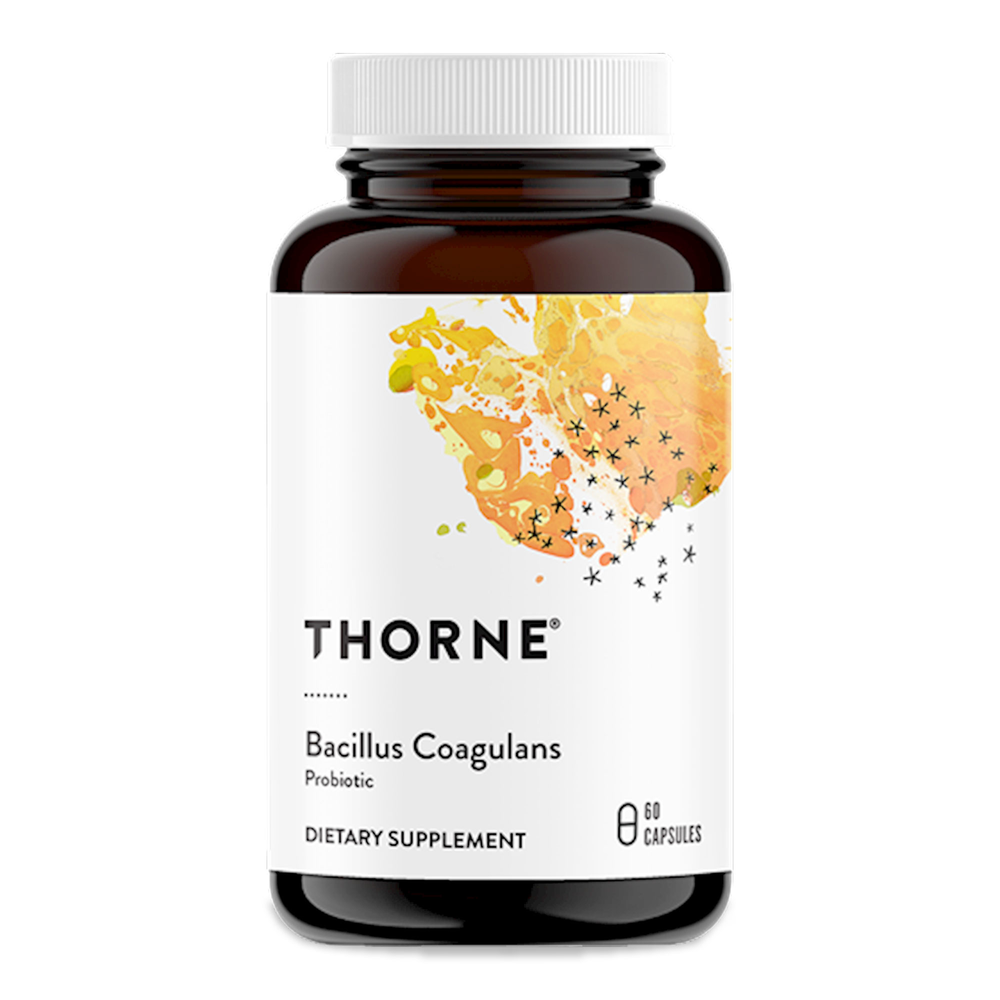
Bacillus Coagulans
Thorne
60 capsules
$33.00$29.70 with Subscribe & Save

Complete Biotic
Thorne
30 packets
$46.00$41.40 with Subscribe & Save
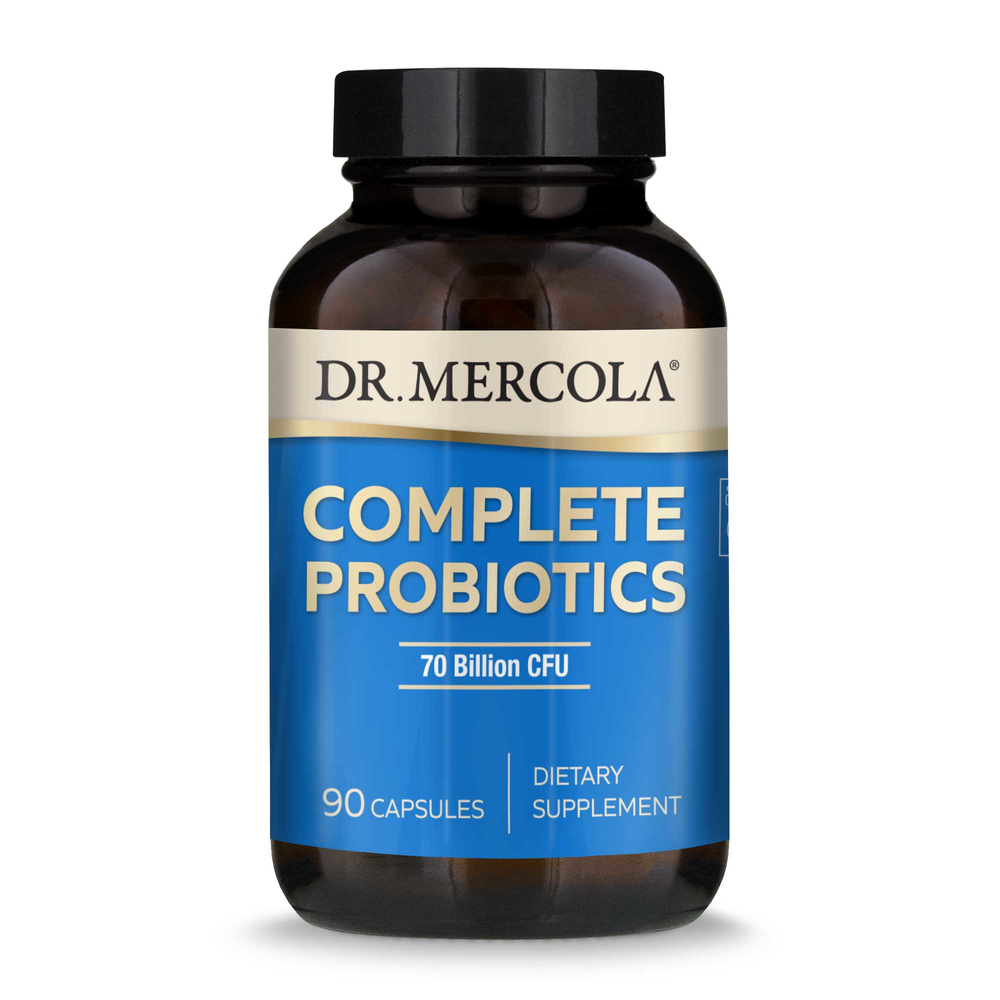
Complete Probiotics 70 Billion CFU
Dr. Mercola
90 capsules
$93.99$74.99 with Subscribe & Save
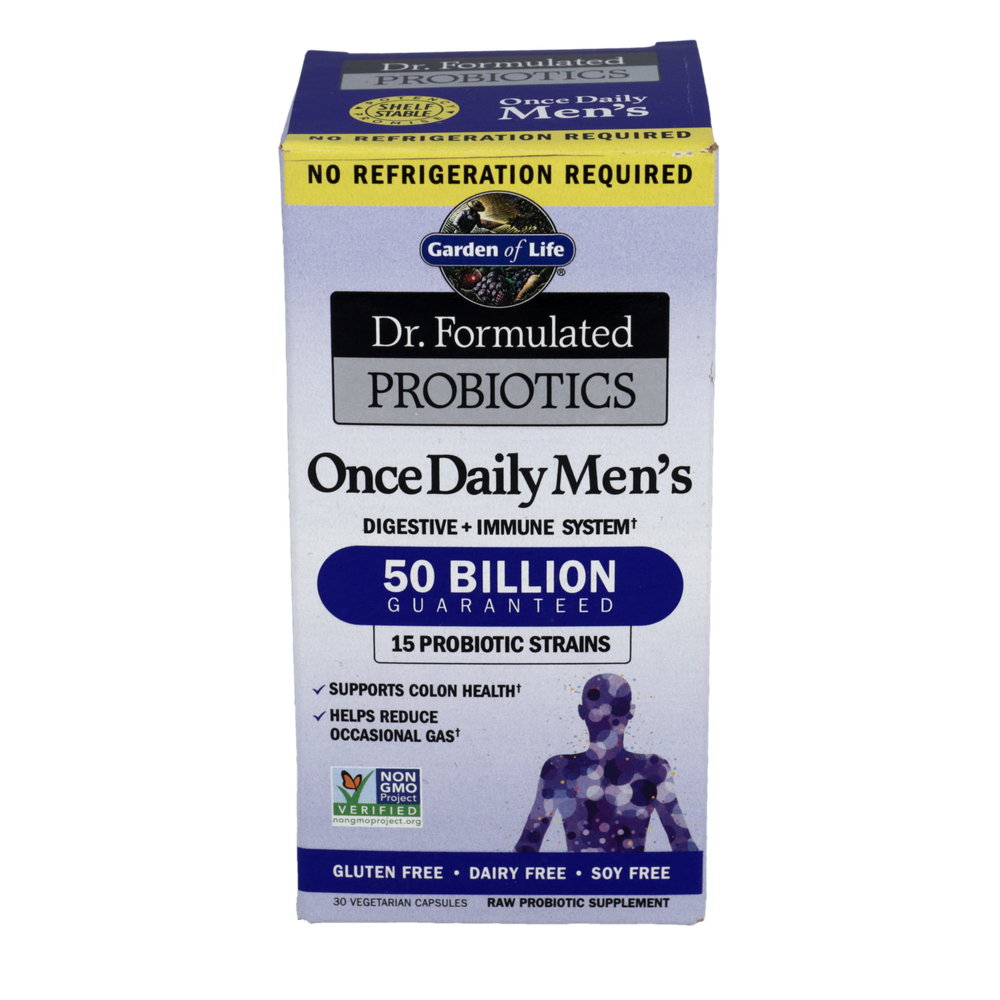
Dr. Formulated Probiotics Mens Daily Care
Garden of Life
30 capsules
$45.99$36.99 with Subscribe & Save