 Instalab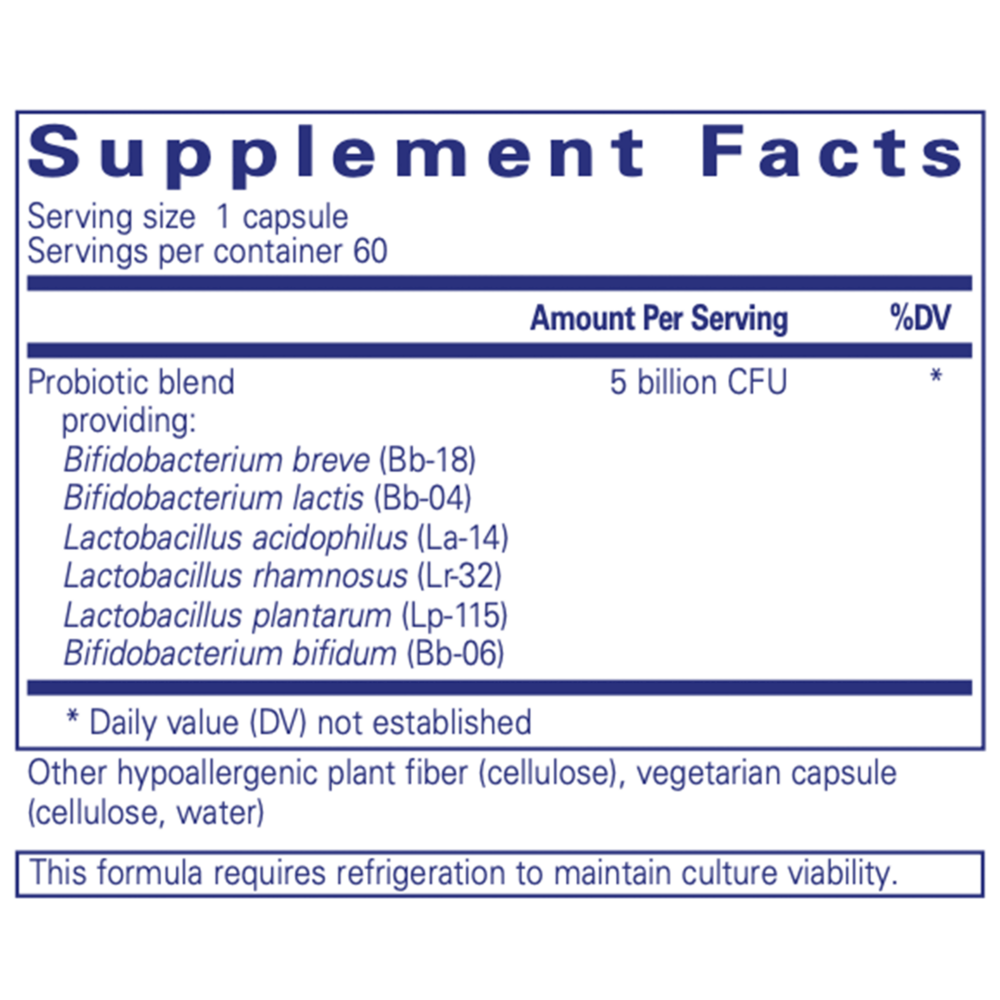

Pure Encapsulations
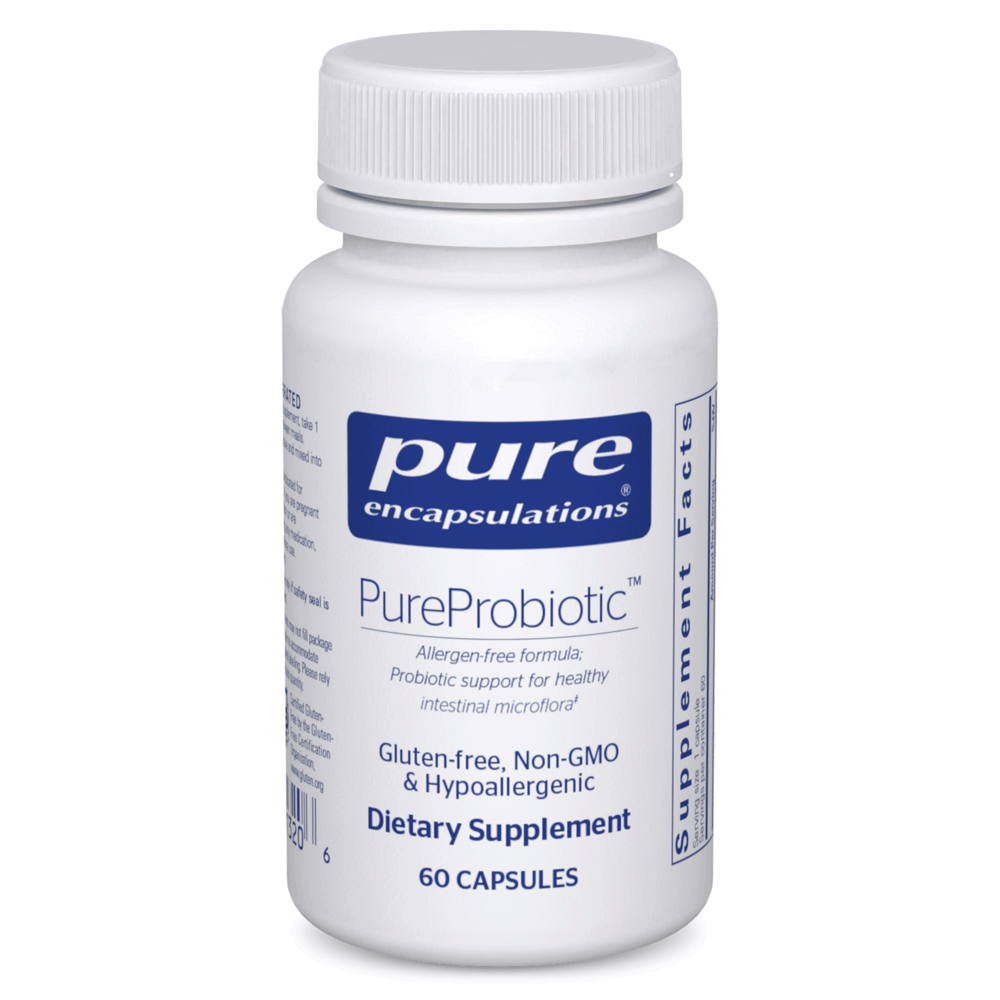
PureProbiotic 5 billion CFU by Pure Encapsulations
60 capsules · 60-day supply
Support Digestive Health and Immune Function with 5 Billion CFU$24.50
Purchase options
Practitioner-grade brand3rd-party testedFree shipping $50+
Vegan·Vegetarian·Gluten Free·Soy Free·Dairy Free·Milk Free
Pure Encapsulations PureProbiotic overview
This is for adults and kids who want a gentle daily probiotic for regularity and basic gut maintenance, not a therapeutic overhaul. If you get occasional constipation or loose stools, travel, or have a diet light on fermented foods, a 5–10 billion CFU multi‑strain probiotic is a reasonable start. It also fits families looking for a capsule that can be opened and mixed into cold food. If you are chasing antibiotic‑associated diarrhea prevention or targeted irritable bowel symptoms, you usually need higher doses or strain‑specific formulas.
Lactobacillus and Bifidobacterium strains colonize the gut short‑term, crowd out opportunistic bacteria, and produce short‑chain fatty acids (fuel for colon cells) that help stool form and move. They reinforce the gut barrier by tightening junctions between cells and increase secretory IgA (the antibody coating your gut lining). In responders, low‑grade inflammation markers such as hs‑CRP (a blood test of systemic inflammation) and fecal calprotectin (a stool marker of gut inflammation) can dip modestly over weeks.
Adults take 2 capsules daily, with or between meals; children 4+ take 1. You can open the capsule and mix the powder into cold food or drink. Expect bowel regularity changes within 1–2 weeks; immune benefits, like fewer seasonal colds, take longer and are subtle. If using with antibiotics, separate by at least 2–3 hours and continue the probiotic for 1–2 weeks after the course. Store as directed on the label.
Avoid probiotics if you are severely immunocompromised, have a central venous catheter, or are in intensive care unless cleared by your clinician, as rare bloodstream infections have been reported. If you have small intestinal bacterial overgrowth (diagnosed by breath testing), significant bloating can worsen; consider non‑bacterial options first. For antibiotic‑associated diarrhea prevention, look for higher‑dose or strain‑specific probiotics, or Saccharomyces boulardii (a beneficial yeast).
Frequently asked questions
What does 5 billion CFU in a probiotic actually do?
It’s a maintenance‑level dose that can help regularity and day‑to‑day gut comfort. Many clinical trials for specific conditions use 10–20+ billion CFU and strain‑targeted blends. If you need symptom control beyond basic regularity, a higher dose or different strains may be better.
How long does a probiotic take to work?
For bowel regularity, most people notice changes within 1–2 weeks of daily use. Immune effects, like fewer colds, are subtle and need steady use over a season. If nothing changes after 4 weeks, reassess dose, strains, and your fiber intake.
Should I take a probiotic with antibiotics?
Yes, but separate by 2–3 hours. Continue for 1–2 weeks after finishing antibiotics. For preventing antibiotic‑associated diarrhea, evidence favors higher doses and certain strains or Saccharomyces boulardii, which this product does not include.
Can kids take this probiotic and how?
Children 4 and up can take one capsule daily. You can open the capsule and mix the powder into cold food like yogurt or applesauce. Introduce it daily for 1–2 weeks and watch for tolerance, mainly mild gas.
Do probiotics need refrigeration?
Follow the label. Many modern probiotics are shelf‑stable at room temperature until the expiration date, but heat and humidity shorten viability. Keep the bottle closed, dry, and away from direct sunlight. If the label says to refrigerate, do so.
Can probiotics cause gas or bloating?
Mild gas or bloating is common in the first few days as your microbiome adjusts. It usually settles within a week. If symptoms are significant or persist beyond 2 weeks, stop and reconsider strains, dose, or evaluate for small intestinal bacterial overgrowth.
Is there a lab test to see if my probiotic is helping?
There’s no single test, but trends in hs‑CRP (blood inflammation), fecal calprotectin (gut inflammation), and stool consistency are useful. Your symptoms and bowel pattern over 2–4 weeks remain the most practical measures.
How to take it & ingredients
Suggested use: Children ages 4 and up: 1 capsule daily, with or between meals. Adults: 2 capsules daily, with or between meals. Powder may be removed from capsule and mixed into cold food or beverage.
Active ingredients
1 capsule per serving · 60 servings
▼
Probiotic Blend
5 billion CFU
Bifidobacterium breve (Bb-18)
-
Bifidobacterium lactis (Bb-04)
-
Lactobacillus acidophilus (La-14)
-
Lactobacillus rhamnosus (Lr-32)
-
Lactobacillus plantarum (Lp-115)
-
Bifidobacterium bifidum (Bb-06)
-
Other ingredients: Hypoallergenic plant fiber (cellulose), Vegetarian capsule (cellulose, water)
Certifications
Benefits
Warnings
Customers also considered
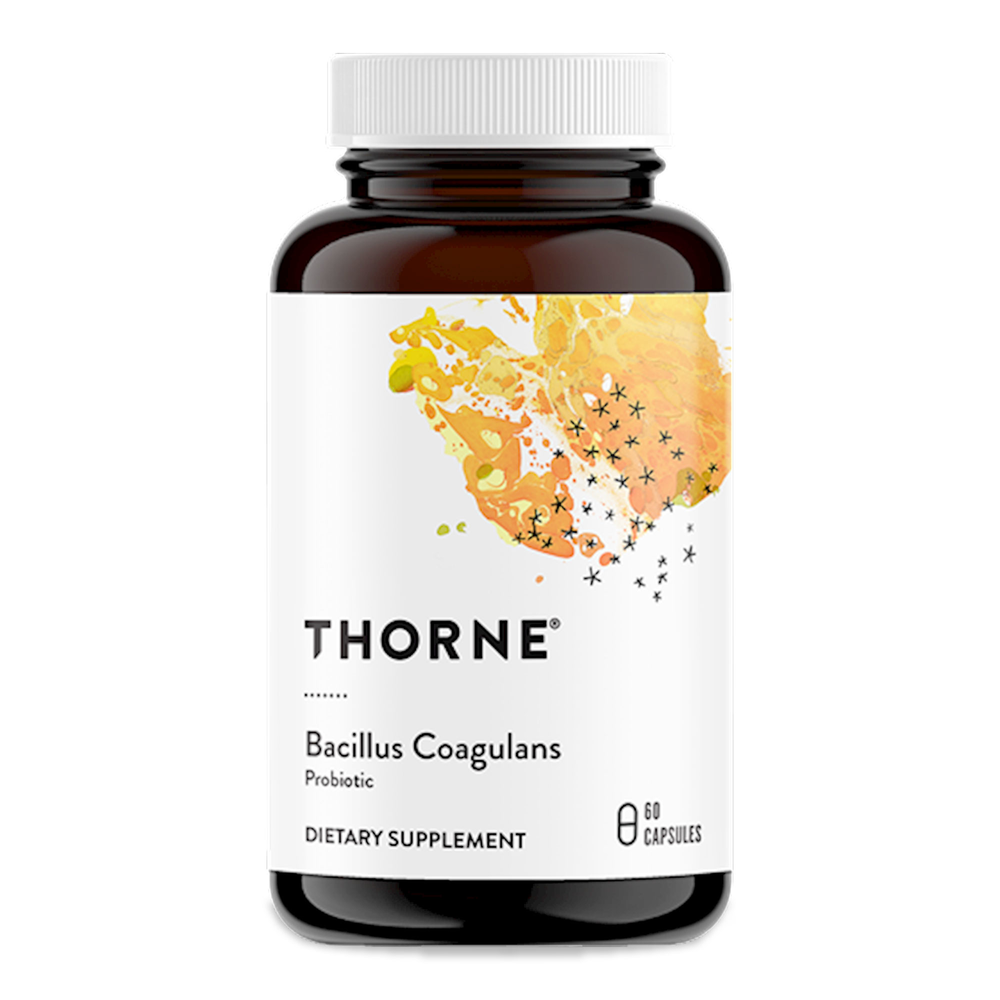
Bacillus Coagulans
Thorne
60 capsules
$33.00$29.70 with Subscribe & Save

Complete Biotic
Thorne
30 packets
$46.00$41.40 with Subscribe & Save
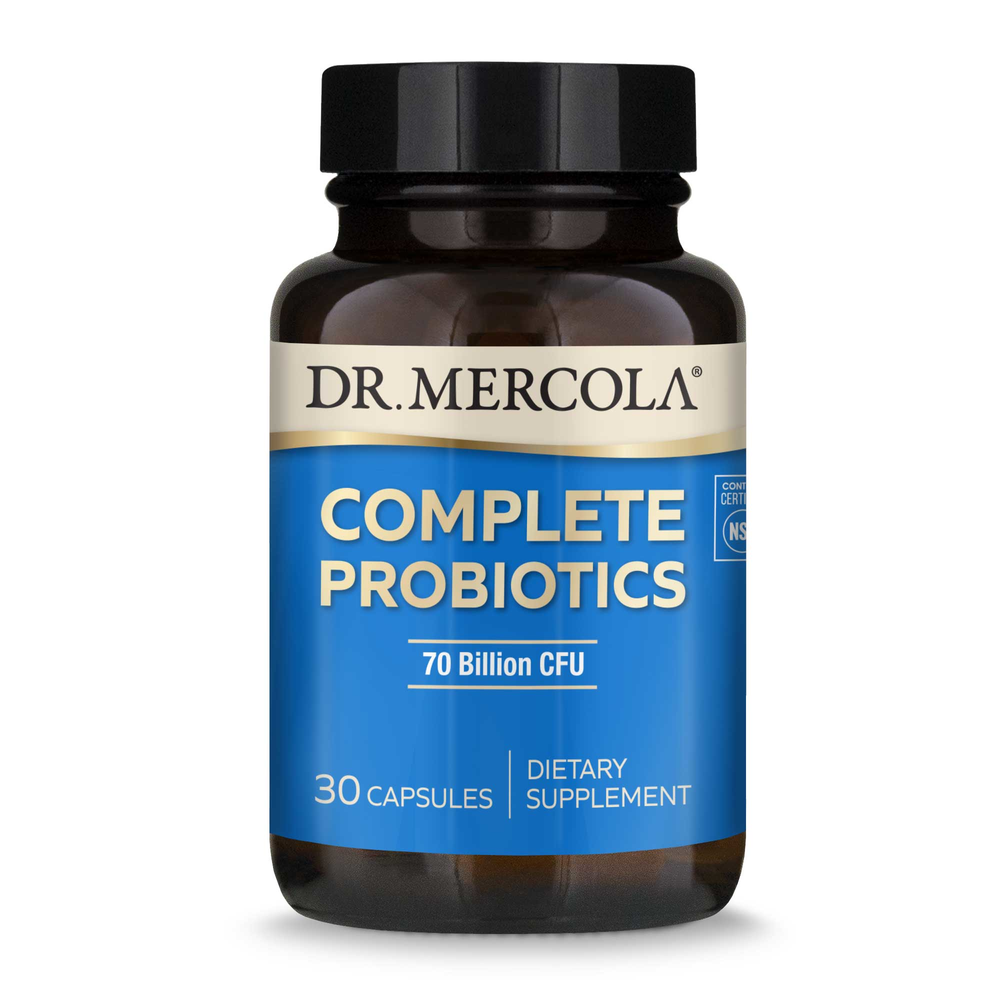
Complete Probiotics 70 Billion CFU
Dr. Mercola
30 capsules
$46.99$37.99 with Subscribe & Save
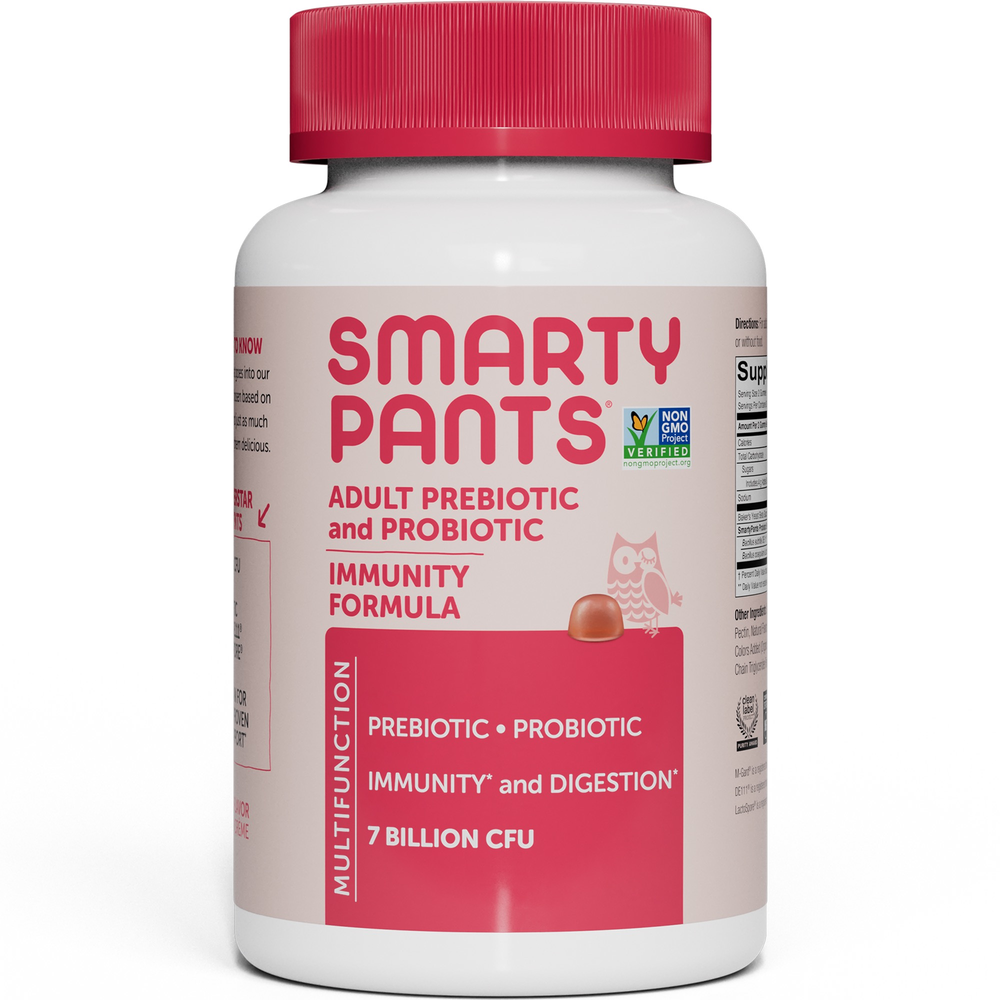
Digestive Probiotic & Prebiotic Grape
SmartyPants
60 gummies
$36.99$29.99 with Subscribe & Save